







What Makes Panamanian Geisha From Janson Farms Distinct?
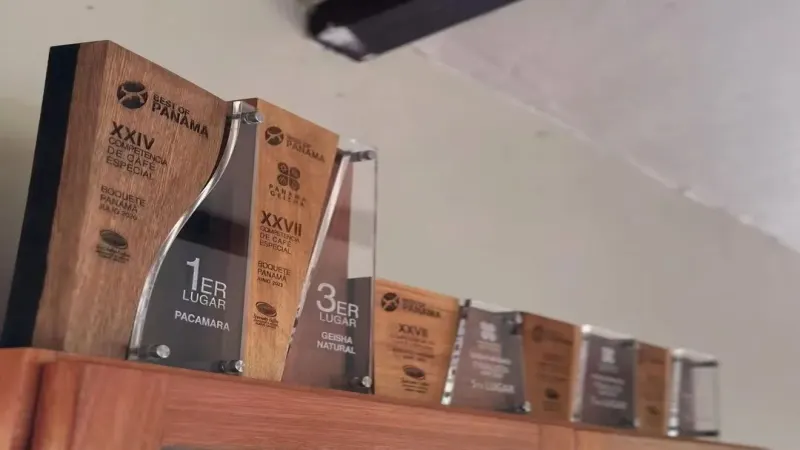
Panamanian Geisha from Janson Farms comes from a three-generation family estate in the Volcán highlands of Chiriquí. Swedish immigrant Carl Axel Janson arrived in 1926 and ran a dairy farm; the family planted coffee in 1989. The farm has appeared on a reliable of Panama winners' list every year since first competing in 2013, known for floral, fruit-forward Geisha lots.
The estate manages two high-altitude plots, Hacienda las Lagunas and Los Alpes, using enzyme-microbial soil maintenance and solar-powered recirculating water processing. This year's naturally processed Geisha lot #364 shows grape juice, berries, fermented wine aromas, and floral notes in the cup. The volcanic soil and climate suit plantation coffee beans, shaping the terroir behind the flavor.
On the map of Panamanian specialty coffee, Janson Farms is a name that cannot be overlooked. Since its debut at the Best of Panama competition in 2013 and its consecutive appearances on the winners' list, this three-generation family farm has won the favor of many professional competitors with its exquisite Geisha flavor profile, frequently appearing on international exhibition stages. Today, Front Street Coffee takes you deep into this famous estate: from a Swedish immigrant's dairy business in 1926 to formally entering the coffee field in 1989; from the microclimates of the two high-altitude plots, Hacienda las Lagunas and Los Alpes, to environmental practices such as enzyme-microbial soil maintenance and solar-powered recirculating water processing; and to this year's naturally processed Geisha lot#364 acquired by Front Street Coffee, which in cupping presents grape juice, berries, fermented wine aromas, and elegant floral notes. Whether you want to learn about the estate's history or explore the terroir code behind Geisha flavors, this article will present it all for you.
Janson Farms has been on the Best of Panama (BOP) winners' list every year since it first competed in 2013, making it truly a treasure estate. In recent years, it has not only secured a top position among Panamanian Geishas with its solid coffee quality, but also won the affection of many professional competitors with its delicate flavor profile, often selected as exhibition beans, causing the name "Janson Farms" to be mentioned repeatedly on the international stage. Next, Front Street Coffee will take everyone on a cloud visit to this famous Panamanian Geisha estate.
Janson Farms is a family farm that has continued for three generations, and its history can be traced back to the early 20th century. In 1926, 21-year-old Swedish youth Carl Axel Janson came to Panama and was immediately moved by the local unique natural scenery and comfortable climate. Already longing for pastoral life, he moved his family, including his wife Margaret, to the highlands of Volcán in Chiriquí Province, bought a cattle farm, and started a dairy business.

By the mid-1980s, Carl and his family, with the assistance of agricultural experts, evaluated the estate and found that the volcanic soil, altitude, and climate here were very suitable for coffee cultivation. So in 1989, old Mr. Janson and his sons (Michael, Carl, Ricardo, and Peter) jointly founded today's award-winning Janson Coffee, formally entering the coffee industry. As farm facilities gradually improved, in 1993 they built a processing plant specifically for specialty coffee, exploring every aspect of coffee step by step, from seed selection, seedling cultivation, planting, and picking to post-processing.
In 2003, Hacienda La Esmeralda rose to fame, and T2722 Geisha became a highly sought-after variety in Panama, with coffee farmers rushing to plant it, and the Janson family was no exception. At that time, the second-generation estate owners who had taken over the farm began introducing green-tipped Geisha trees into their own plantations for trial cultivation, which also laid the groundwork for later joining the ranks of famous Panamanian estates. Today, this brand estate that has dealt with coffee for more than thirty years also grows Catuai, Caturra, Pacamara, and other varieties in addition to the well-known Geisha.
Janson Farms is located near the Talamanca Mountain in the westernmost part of Panama, and currently has two coffee-growing areas: Hacienda las Lagunas and Los Alpes, respectively situated on the high-altitude slopes of Volcán Tisingal and Volcán Barú.
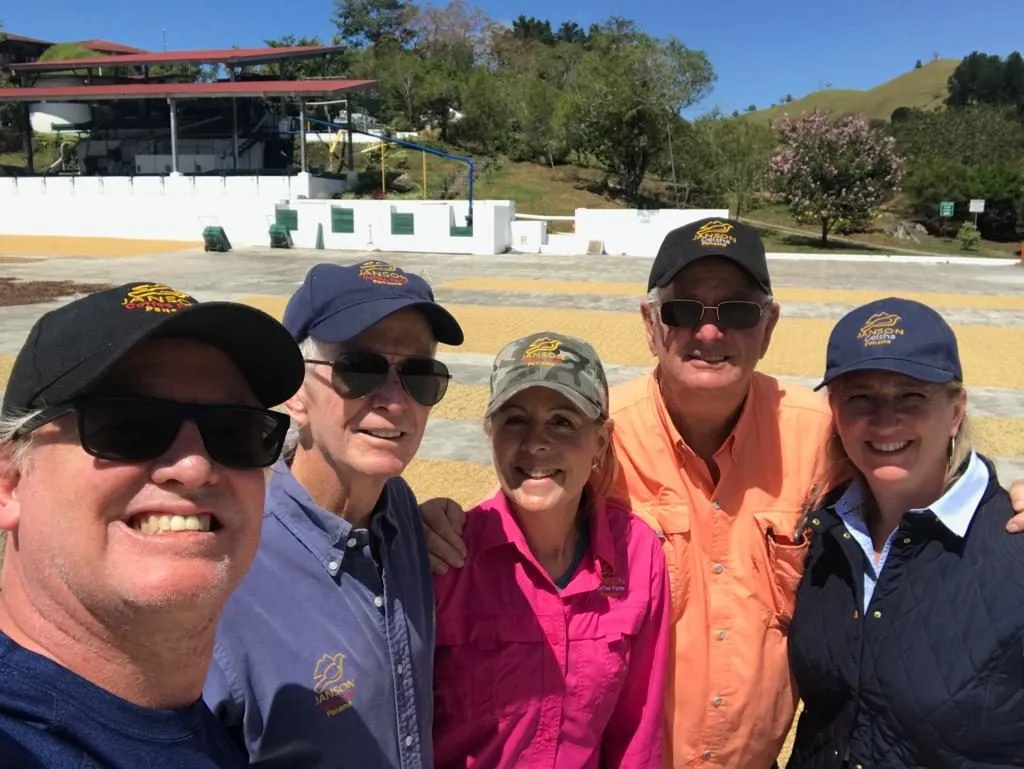
Hacienda las Lagunas is located west of Baru Volcano, and its name comes from the nearby lakes. It not only has fertile volcanic soil, but also several natural springs for irrigation, and most coffee trees are planted at an altitude of 1350-1400 meters.
Los Alpes is near the northwest side of Baru Volcano, located at a higher altitude on the edge of Volcán Tisingal in the Talamanca Mountain range, adjacent to Panama's La Amistad International Park, an area listed by UNESCO as a World Heritage nature reserve. Supported by inherent conditions such as warm ocean currents, springs, wetlands, and volcanic soil, this primeval forest has become an important habitat for various birds and wildlife, and also creates an ideal home for Geisha.
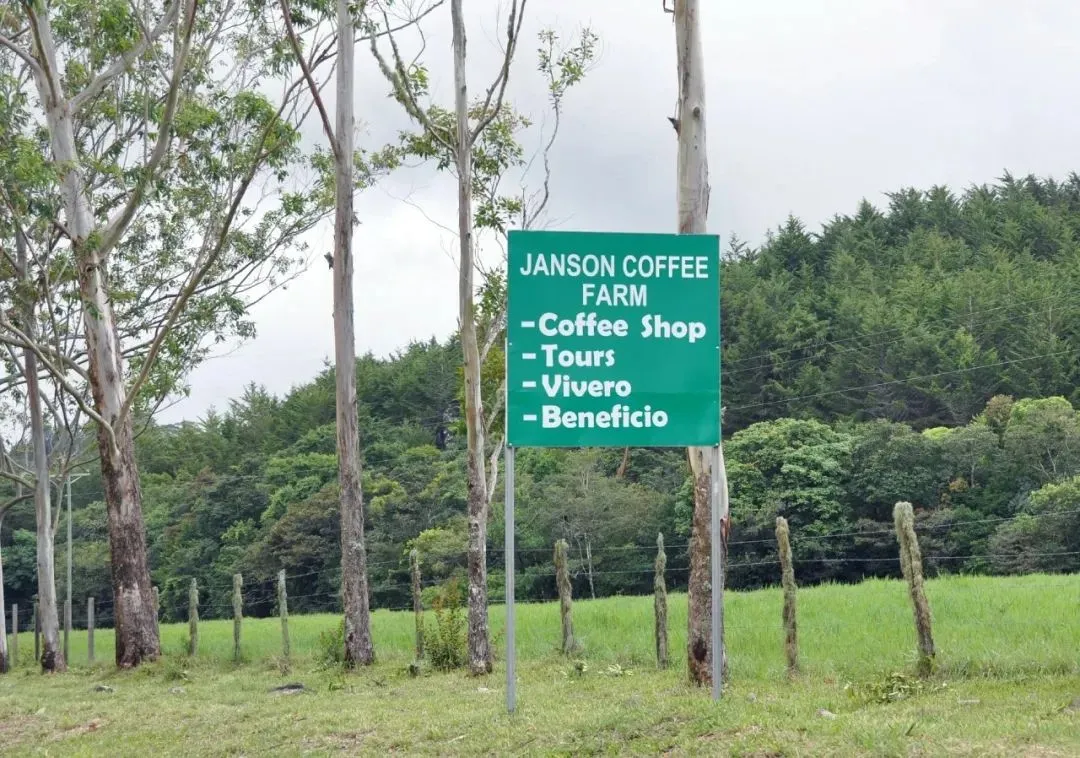
When collecting information, Front Street Coffee found that, unlike famous Panamanian estates such as Hacienda La Esmeralda and Elida, Janson Farms not only engages in livestock farming and coffee cultivation, but is also a rather hospitable tourist destination. Here, you can not only explore everything about coffee, but also leisurely boat on the lake near the farm or ride horses on the beautiful slopes. The Janson family has also opened a Janson coffee shop specifically for visiting tourists. Just imagine, who wouldn't want a four-dollar Janson Geisha?
Front Street Coffee noticed that the Janson family's logo design is very simple, yet with just a few lines it clearly conveys the most representative message: primeval forest and wild bird habitat. Whether in farm management or the specialty coffee sector, the Janson family has always adhered to the philosophy of "quality production, harmonious development," especially in the protection of nature and water resources, where Carl and his family can be regarded as industry models.
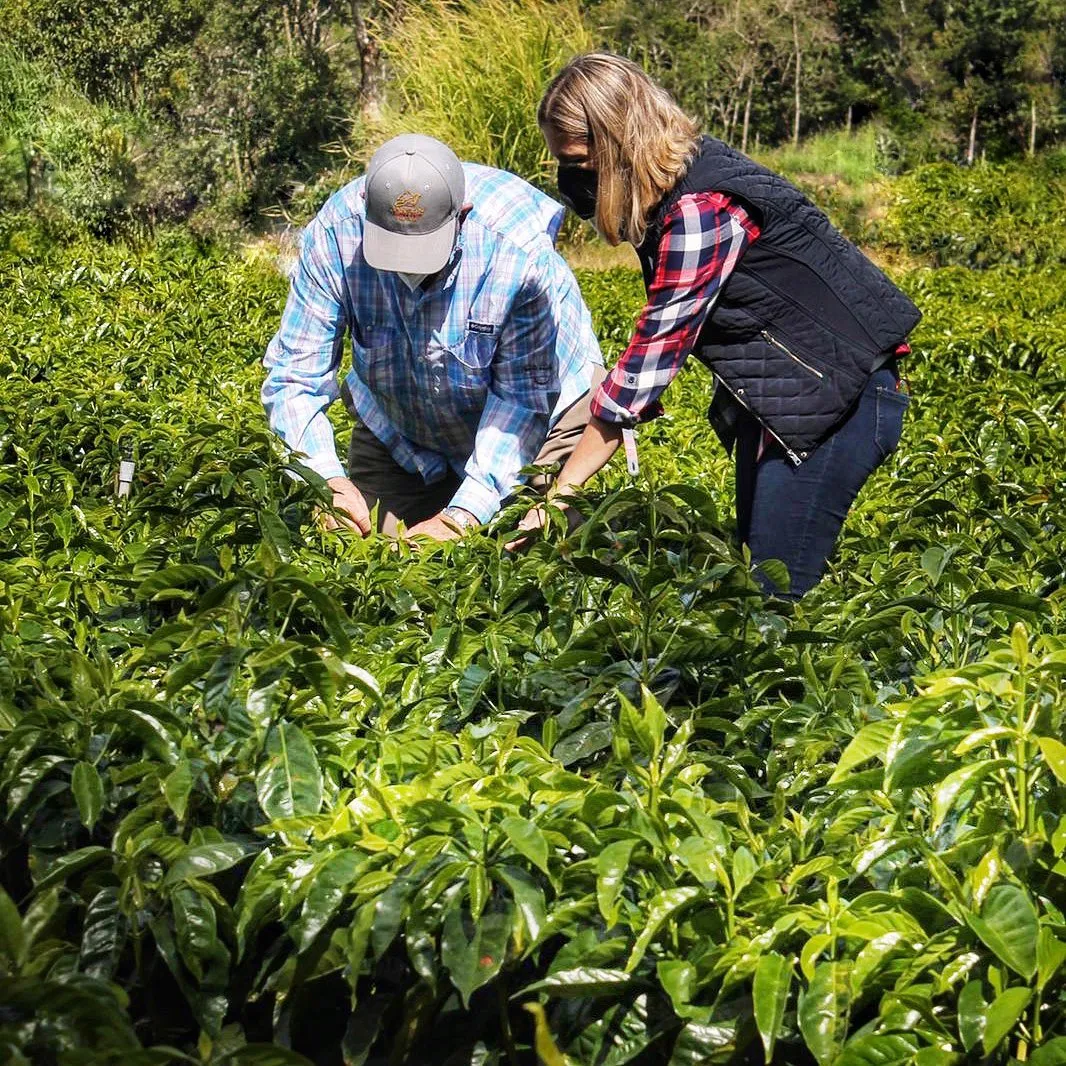
To resist pest invasion while protecting the animals and plants that depend on the area for survival, the Janson family separates the primeval forest from the plantation and focuses on avoiding the use of pesticides, insecticides, herbicides, and other products, instead relying on enzyme microorganisms to maintain soil nutrient balance. In addition, the estate uses solar energy and recirculating water to provide reusable resources for coffee processing, and the remaining pulp and mucilage from washed processing are organically treated into fertilizer for the coffee trees.
Like many famous Panamanian estates, half of the coffee trees at Janson are Geisha, and every lot released by the Janson family carries a numerical number. This is an independent lot number established by the estate owners to achieve full traceability of each batch of beans and adopt refined management. For example, the Janson Geisha lot#364 that Front Street Coffee acquired this year comes from the Los Alpes plot and is naturally processed.
Usually, most farms transport harvested coffee cherries in ordinary burlap sacks, but Janson Farms uses crates because this minimizes squeezing of the fruit and loss of juice. Janson Farms first sorts the harvested fruit, then spreads it on drying nets to receive sunlight. After about 27-30 days, once the fruit's moisture content is only about 12%, it is sent for hulling, and then stored in warehouses until export. To provide the best resting space for coffee cherries, the Janson family also added a temperature- and humidity-controlled green bean warehouse to the processing plant, while closely monitoring the pH value of the coffee cherries to ensure consistency in each lot.
Taking advantage of the arrival of the new crop season, Front Street Coffee also conveniently purchased a Geisha lot from this famous estate. The natural process gives the coffee beans a more delicate and richly fragrant fruit acidity and floral aroma.
FrontStreet Coffee: Panama Janson Farms #364 Natural Geisha Country: Panama Region: Volcán Region, Janson Farms Plot: Los Alpes Altitude: 1700 meters Variety: Geisha Processing Method: Natural
Flavor: grape juice, berries, fermented wine aroma, prunes, dried fruit, pineapple
Considering that Panamanian Geisha often brims with delicate and complex floral and fruity aromas, Front Street Coffee's roaster chose a medium-light roast to present this Janson Natural Geisha. After four days of degassing and resting, Front Street Coffee couldn't wait to taste it, so it used cupping to evaluate the beans.
Dry aroma: fermented wine aroma, raisins, cherries Wet aroma: liqueur chocolate, cranberries
Flavor: pineapple, fermented notes, ripe fruit, dried fruit, elegant floral aroma, berries, grape juice
The above content is compiled by CoffeeHunters, a coffee news website.


