







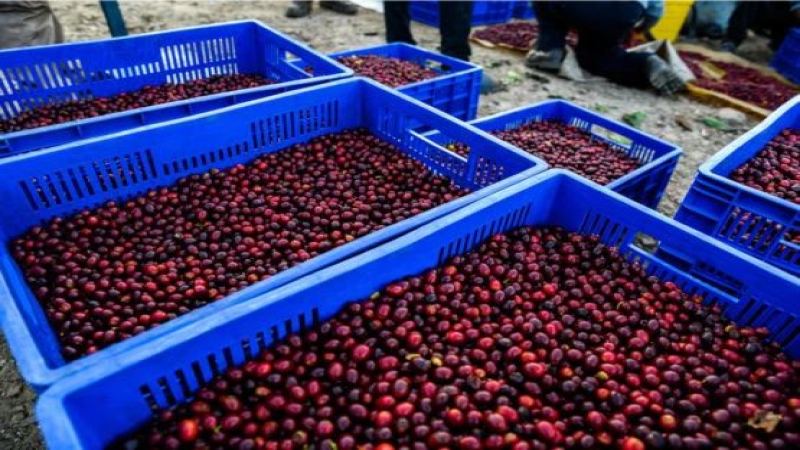
Geisha has become a star variety in the coffee world thanks to its unique floral and fruity notes, while Bolivian Java has attracted much attention because of its "cousin" relationship with Geisha. Front Street Coffee (FrontStreet Coffee) takes Panama Janson Estate Geisha and Bolivian Java as its subjects, conducting a comprehensive comparison from variety origin, green bean appearance, roasting records, and cupping performance to brewing parameters. The article sorts out the specific differences between the two beans in sweetness, acidity, aftertaste, and complexity, and includes Front Street's roasting curves and brewing plans. Whether you want to learn about the legendary story of Geisha or are curious about the actual performance of Java, this comparison provides a clear reference.
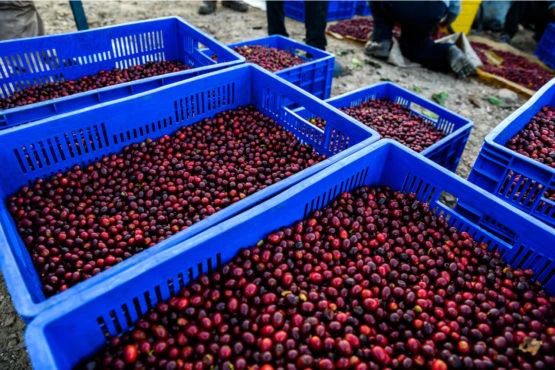
When people talk about Geisha, the first thing they often think of is its signature floral and fruity notes, which is also why it is so highly regarded. Front Street Coffee (FrontStreet Coffee) recently obtained a variety known as Geisha's "cousin" — Java. So how big is the difference between the two? This article will compare Panama Janson Estate Geisha with Bolivian Java from multiple dimensions to explore their similarities and differences.
Geisha Coffee Variety
Geisha green beans are slender in shape and have a clean, bright flavor. Because of these two characteristics, they do not resemble Central and South American varieties so much as they are closer to Ethiopian coffee. When was Geisha introduced to Panama?
The Geisha variety was discovered in 1931 in the Geisha forest of Ethiopia and was later sent to the Kenya Coffee Research Institute; in 1936 it was introduced to Uganda and Tanzania, and in 1953 Costa Rica imported it. For a long time, it did not attract much attention. Later, Don Pachi brought Geisha from the
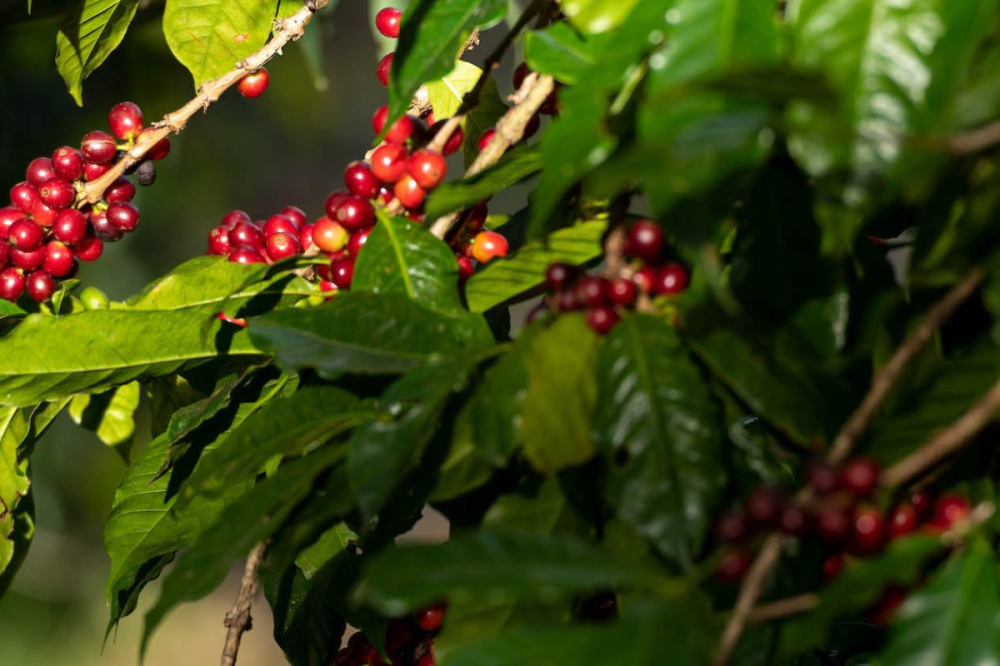
In terms of green bean appearance, the Bolivian Java variety is slender with relatively pointed ends; the Janson Geisha green beans are slightly shorter and more rounded.
Front Street Coffee Roasting Record
Janson Geisha: These coffee beans are larger and denser, absorbing a great deal of heat during roasting, and the Maillard reaction progresses relatively quickly.

The drum temperature was raised to 200°C for charging, the air damper opened to 3.5, and after 30 seconds the heat was adjusted to 160°C with the air damper set to 3; the turning point was at 1'32", and at a drum temperature of 153.3°C the heat was adjusted once—by this time the bean surface had turned yellow, the grassy scent had disappeared, and dehydration was complete—so the heat was lowered to 140°C and the air damper set to 4; at 9'0", wrinkles and dark patches appeared on the bean surface, the toasted bread aroma shifted distinctly to coffee fragrance, and the pre-first-crack phase began; listen carefully for the sound of first crack, which started at 9'47"—reduce the heat to 50°C and open the air damper fully to 5 (be very cautious when adjusting the heat; do not reduce it so much that no cracking sound is heard); after first crack, develop for 2'40" and drop at 197.1°C.
Bolivian Java: To highlight the natural process's sweetness and cocoa aroma, Front Street adopted a roasting approach with an extended development phase to present a sweet and delicious flavor. Using the Yangjia 800N as an example, 500g of green beans were used.
The drum temperature was 170°C for charging, heat at 120, and the air damper opened to 3; the turning point was at 1'36", and at a drum temperature of 111°C the air damper was opened to 4 and the heat adjusted to 140; at a drum temperature of 151.1°C the bean surface turned yellow, the grassy scent disappeared, and the dehydration phase began; at 7'56" wrinkles and dark patches appeared on the bean surface, the toasted bread aroma shifted distinctly to coffee fragrance, and the pre-first-crack phase began, with the air damper adjusted to 5. At this point, listen carefully for the sound of first crack, which started at 10'18"; after first crack, develop for 1'00 and drop at 190°C.
Front Street Coffee Cupping Report
[Janson Geisha] The dry aroma has the fermented fragrance of ripe fruit, with flavors of maple syrup, lemon, citrus, apple, rose, dark chocolate, fruit, pomegranate, ripe grape, peach, and dark berries—a rich layering of sweetness and acidity.
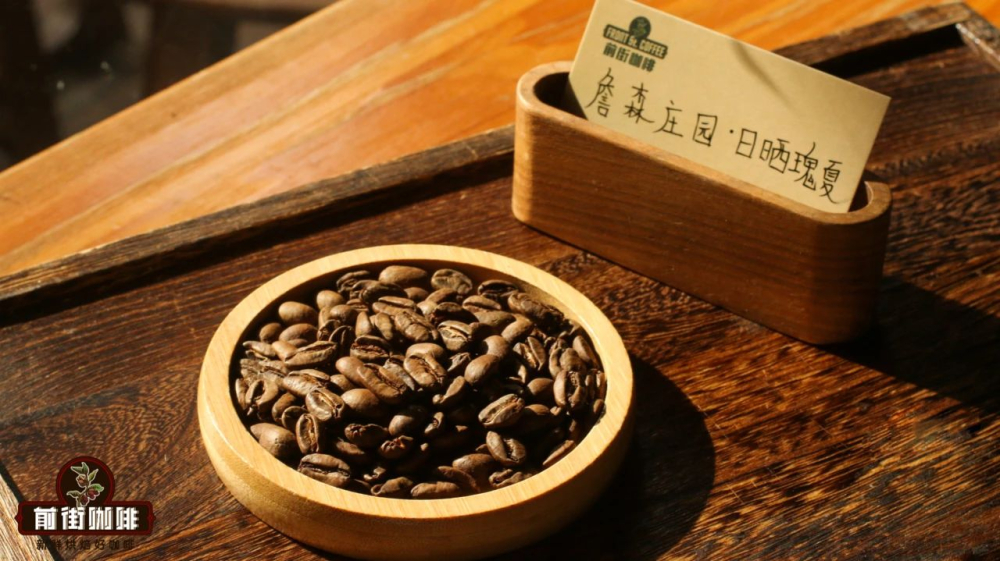
[Bolivian Java] The dry aroma carries hazelnut notes; on the palate, it opens with the sweet smoothness of cream, hazelnut, and almond, followed by the sweet-tart tones of citrus and tropical fruit, accompanied by a fermented wine aroma.
Front Street Coffee Brewing Comparison
Dripper: HARIO V60 Water temperature: 90°C Coffee-to-water ratio: 1:15 Grind size: fine sugar consistency
Front Street Coffee uses a staged extraction: first bloom with 30g of water for 30 seconds, then pour in a slow circular stream until the scale reads 125g and pause; when the water level drops and is about to expose the coffee bed, continue pouring until 225g and stop; when the water level drops again and is about to expose the coffee bed, remove the dripper. (Timing starts from the beginning of the bloom.) Total extraction time is 2'00".
| Janson Estate Geisha | Bolivian Java |
| Villazón Region | La Paz Region |
| 1700-1750m | 1600m |
| Natural Process | Natural Process |
| Medium-Light Roast | Medium-Light Roast |
[Janson Geisha] With the fermented fragrance of ripe fruit, the palate offers the sweet-tart sensation of tropical fruit and berries; the maple syrup sweetness stands out, and the finish carries hints of cocoa, grape, and rose tea aromas.
[Bolivian Java] The palate opens with a distinct sweet-tart sensation of citrus, lime, and hawthorn; the finish carries notes of fruit chocolate and vanilla cream; as the temperature drops, a sweet orange-like acidity emerges, and when cooled, there is a subtle maple syrup sweetness along with lingering notes of jasmine tea and rose tea, with a lasting sucrose sweetness.
[Janson Geisha] is cleaner in flavor and mouthfeel, while [Bolivian Java] shows a richer sense of layering.
The above content is compiled by CoffeeHunters, a coffee news website.


