







Where Does Java Coffee Come From and How Does It Differ From Geisha?
Java variety coffee and Panama Geisha share Ethiopian roots but took different routes. Java began in Ethiopia's forests, spread to Indonesia through Yemen, and later reached Central and South America; Geisha was collected in Ethiopia in 1931, moved through Kenya, Uganda, Tanzania and Costa Rica, and reached Panama, where Hacienda La Esmeralda brought it to wider attention.
Both beans compared here were naturally processed, yet the cup results diverge. The Panama Janson Geisha showed a cleaner mouthfeel, while the Bolivian Java, called long bean locally for its elongated shape, offered richer layers. Growing conditions matter too: Geisha demands high altitude, cloud shade, fertile soil and enough accumulated heat to express its floral and fruity aromatics.
Geisha and Java—one is famous for its floral and fruity aroma, the other is called Geisha's cousin. What exactly is the difference between the two? Front Street Coffee recently acquired a Bolivian Java, and we're taking this opportunity to do a comprehensive comparison with a Panama Janson Estate Geisha. This article will analyze the similarities and differences between these two natural-process beans, from variety origins, green bean appearance, and roasting curves to cupping and pour-over flavors. Java originally came from the forests of Ethiopia, spread to Indonesia via Yemen, and later made its way to Central and South America; Geisha, on the other hand, started from the Geisha forest in Ethiopia and ultimately shone brightly at Hacienda La Esmeralda in Panama. Through actual brewing and tasting, Front Street found that the Janson Geisha has a cleaner mouthfeel, while the Bolivian Java has rich layers—each has its own merits.
When it comes to Geisha, the first thing Front Street thinks of is its signature floral and fruity aroma, which is also why it's so highly sought after. Not long ago, we got our hands on a variety said to be related to Geisha—the Java variety. So, just how big is the difference between the two?
| Geisha
In 1931, Geisha was discovered in the Geisha forest of Ethiopia and subsequently sent to the Coffee Research Institute in Kenya. In 1936, it was introduced to Uganda and Tanzania; in 1953, it made its way to Costa Rica.
For a long time, Geisha didn't receive much attention. Later, Don Pachi brought Geisha from the town of GESHA in southwestern Ethiopia to Costa Rica, and from there Geisha entered Panama along a southern route. Panama's Hacienda La Esmeralda separated it from other varieties and went on to win the national coffee competition, which is when Geisha officially entered the public eye.
Geisha is extremely demanding when it comes to its growing environment, requiring high altitude, cloud cover for shade, fertile soil, and sufficient accumulated heat.
| Java
In Bolivia, this variety is called "long bean" by locals due to its elongated bean shape, but its official name is actually Java. Java is a very interesting bean variety—you can tell from the name that it has deep ties to Indonesia. But in fact, Java was originally a coffee tree species growing in the primitive forests of Ethiopia, collected by local ethnic groups, then spread to Indonesia via Yemen, where it acquired the name Java. In the past, it was generally believed that Java was a branch of Typica, but genetic comparison revealed that Java actually originates from the Ethiopian coffee variety Abysinia.
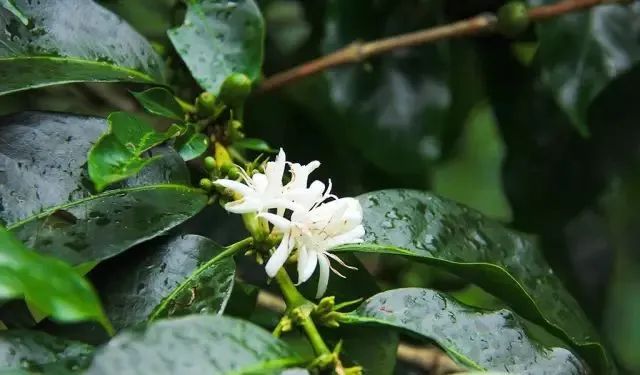
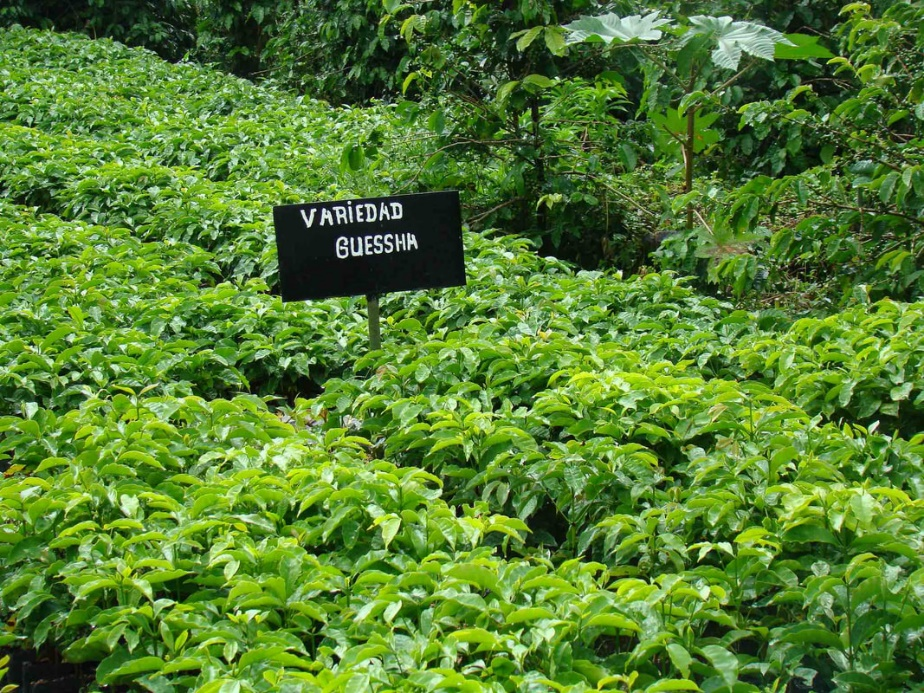
Starting from Indonesia, Java first spread to the nearby Timor islands, then to Cameroon in East Africa, where it was first released to farmers for cultivation in 1980. As for its introduction to Central and South America, it was led by breeding expert Benoit Bertrand and introduced to Costa Rica in 1991 through CIRAD (the Centre de Cooperation Internationale en Recherche Agronomique pour le Developpement). The first country in Central America to officially recognize the Java variety was Panama, while the Geisha introduced to Bolivia came by way of Nicaragua.
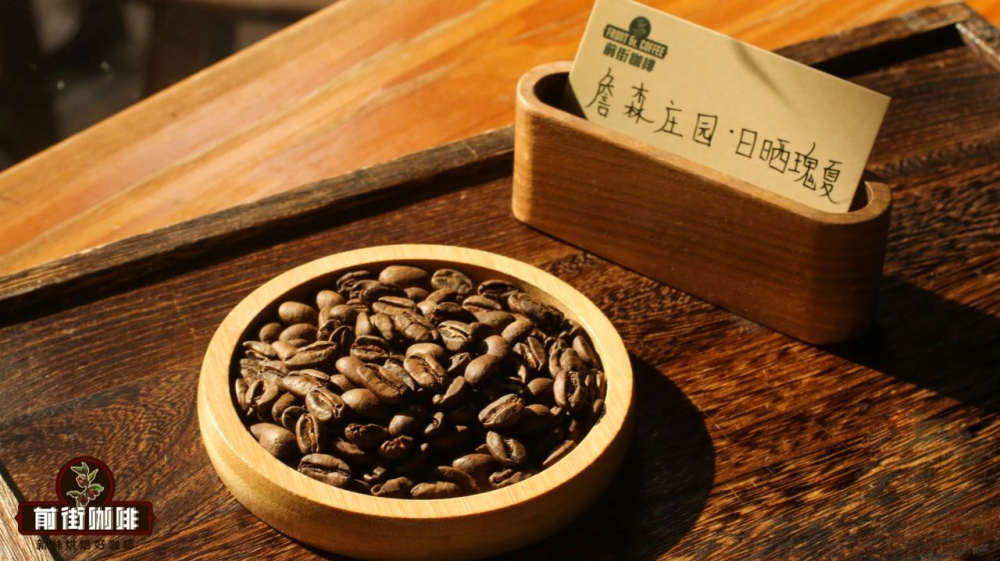
Today we're comparing two beans: the Front Street Janson Estate Geisha from Panama and the Front Street Java from Bolivia, both natural process.
| Natural Process
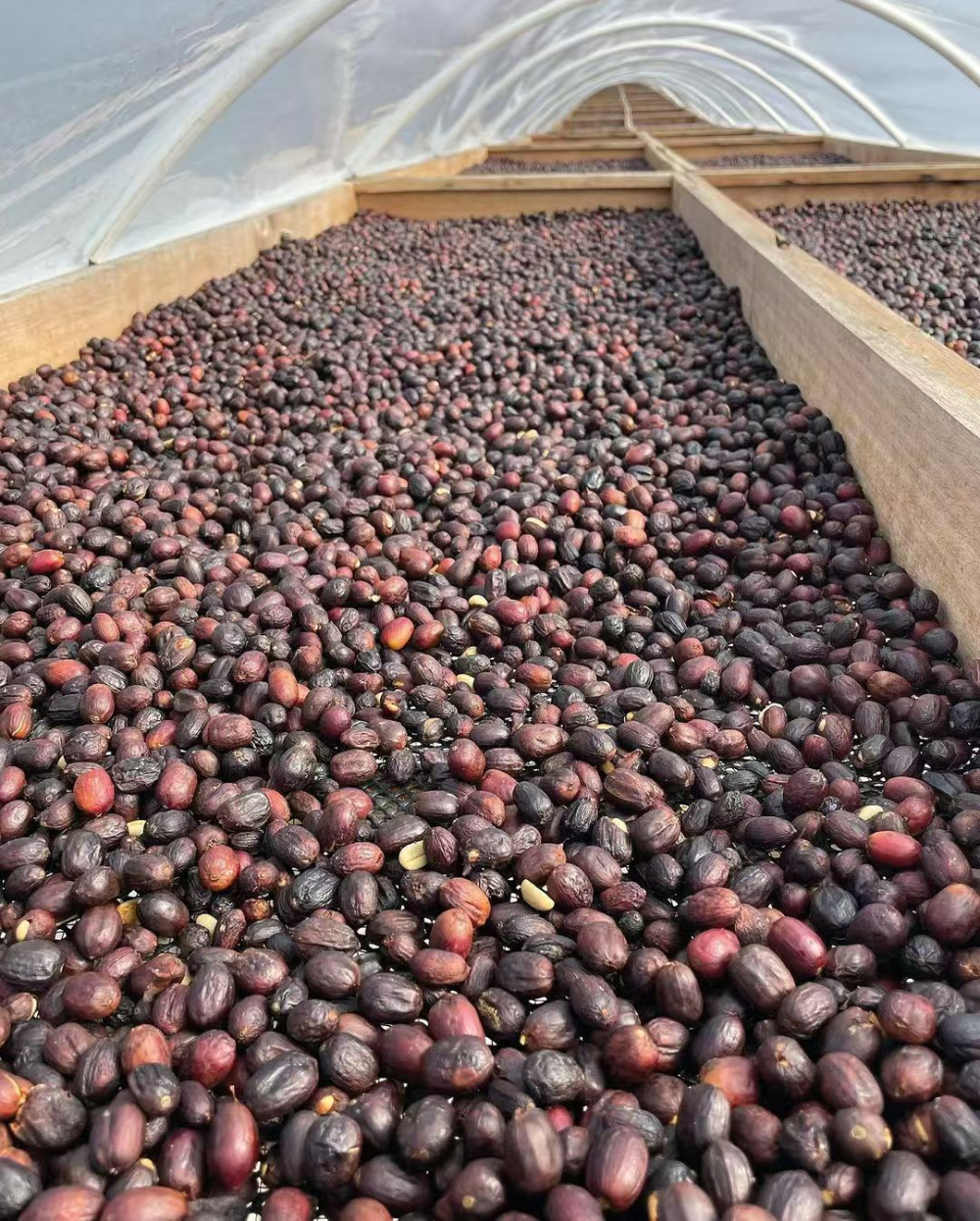
The harvested coffee cherries are poured into a large water tank; ripe, plump cherries sink to the bottom while floaters are removed. Then the whole coffee cherries—pulp, skin, and seeds intact—are placed on raised beds to sun-dry, turned at irregular intervals, and naturally dried to about 12% moisture content. The entire process takes roughly two to four weeks. Finally, a hulling machine removes the dried and hardened skin, pulp, and parchment layer, and the green beans are revealed.
| Green Bean Comparison
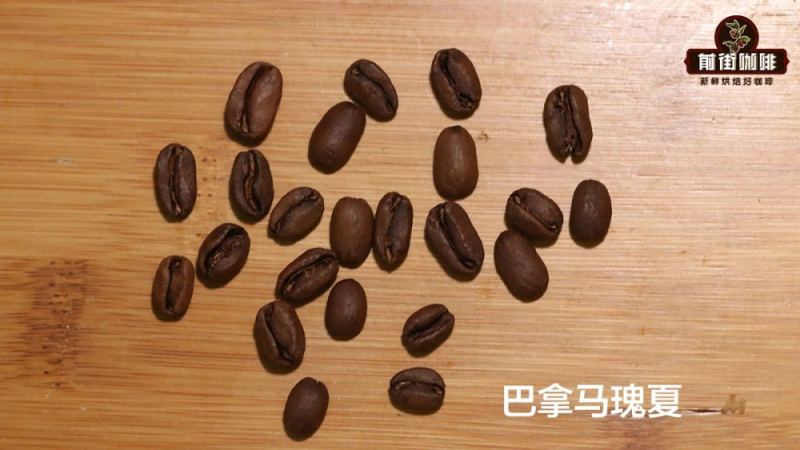
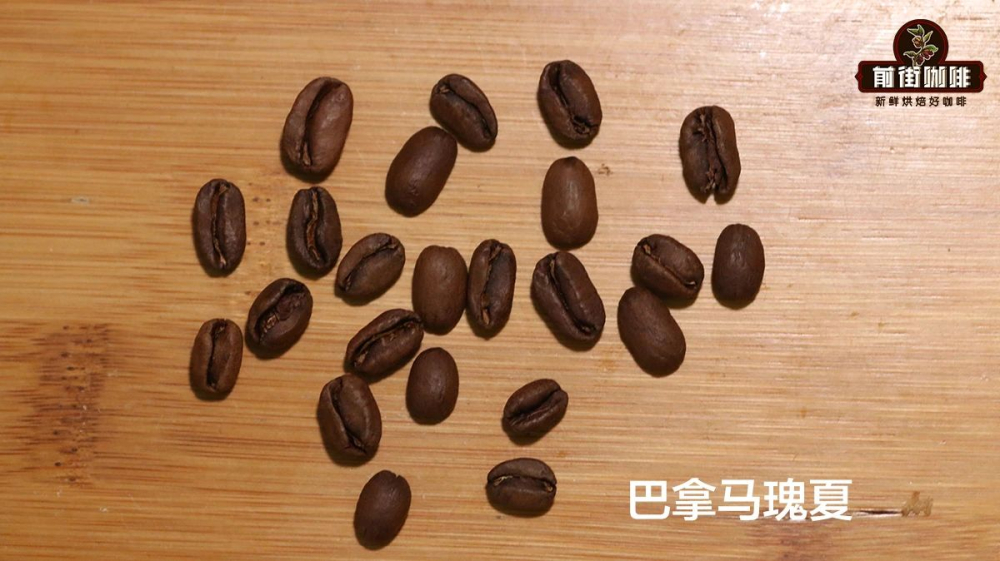
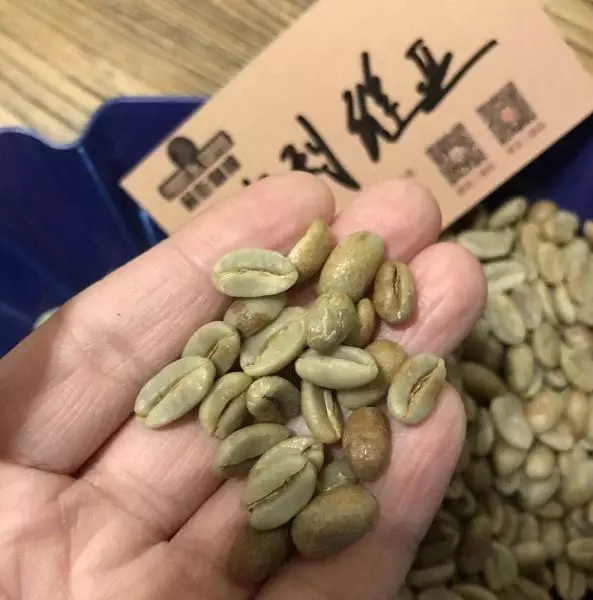
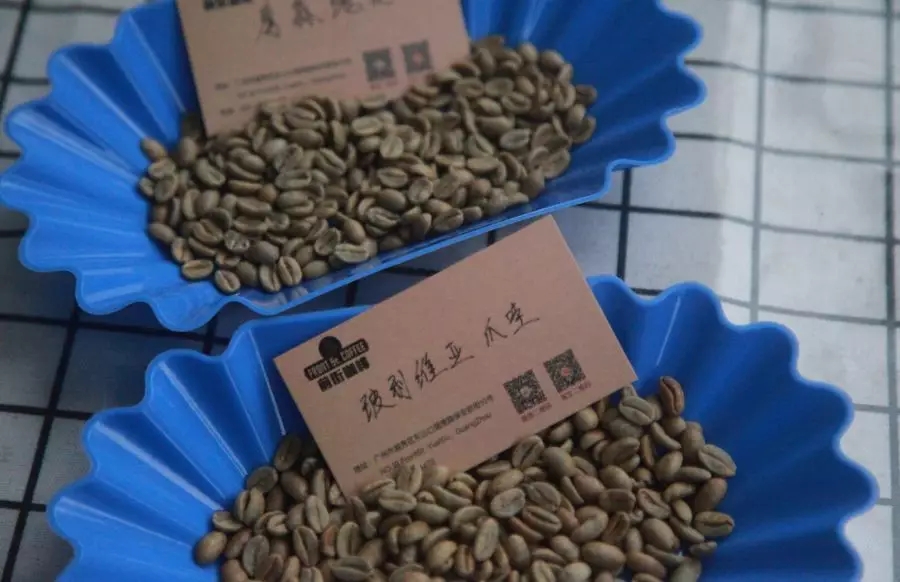
In terms of green bean appearance, the Bolivian Java green beans are relatively elongated with pointed ends; the Janson Geisha green beans are slightly shorter and more rounded.
| Roast Comparison
[Janson Geisha]
Yellowing point at 5 minutes, first crack began at 8:50, temperature 184.3, first crack development 1:30 and dropped, temperature 195°C.
Agtron bean color value 77.8 (top image), Agtron ground color value 93.7 (bottom image), Roast Delta value is 11.9.
[Bolivian Java]
Yellowing point at 5 minutes, first crack began at 8:37, temperature 181.8, first crack development 1:30 and dropped, temperature 190.5°C.
Agtron bean color value 63.8 (top image), Agtron ground color value 81.8 (bottom image), Roast Delta value is 18.
| Flavor Comparison
[Cupping]
[Janson Geisha] Dry aroma has fermented notes of ripe fruit, with flavors of maple syrup, lemon, citrus, apple, rose, dark chocolate, fruit, pomegranate, ripe grape, peach, and dark berries; multi-layered sweetness and acidity.
[Bolivian Java] Dry aroma has hazelnut notes; on the palate, first comes the sweetness of cream, hazelnut, and almond, along with the sweet-tart notes of citrus and tropical fruit, carrying a fermented wine aroma.
[Pour-over]
Parameters: V60/1:15/90°C/grind size fine granulated sugar (80% passing through Chinese standard No. 20 sieve)/brew time (timed from the start of blooming): two minutes
[Janson Geisha] Carries fermented notes of ripe fruit; on the palate, sweet-tart sensations of tropical fruit and berries, with pronounced maple syrup sweetness; the finish has some aromas of cocoa, grape, and rose tea.
[Bolivian Java] On the palate, distinct sweet-tart sensations of citrus, lime, and hawthorn, with a finish of fruit chocolate and vanilla cream; as the temperature drops, the acidity shifts to sweet orange, and when cooled, there's a faint maple syrup sweetness with a finish of jasmine tea and rose tea, and a lasting sugarcane sweetness that returns.
| Summary
[Front Street Janson Geisha] is cleaner in flavor and mouthfeel, while [Front Street Bolivian Java] has richer layers.
Actually, the Java variety is quite a pleasant surprise for Front Street~ After all, it's rare to come across a bean that matches Geisha in both flavor and aroma.
The above content is compiled by CoffeeHunters, a coffee news website.


