







How Does Panama Geisha Differ From Ethiopian Gesha Village?
Panama Geisha and Ethiopian Gesha Village share the same variety but not the same cup. Geisha was found in Ethiopia's Geisha forest in 1931, then moved through Kenya, Uganda, Tanzania and Costa Rica before reaching Panama, where Hacienda La Esmeralda separated it and won the national competition. Panama's terroir produces the floral, tea-like profile associated with the name.
Panama Geisha grows in western Panama near Costa Rica and the Pacific, with average temperatures of 16 to 25°C and roughly 3,500mm of annual rainfall; Boquete in Chiriqui Province is the main zone. Estates such as Elida and Janson also grow it. Ethiopian Gesha Village, at the variety's origin, expresses different flavors and calls for adjusted pour-over parameters.
The Geisha variety, since its discovery in the Geisha forest of Ethiopia in 1931, traveled through Kenya, Uganda, Tanzania, and Costa Rica, ultimately achieving fame at Hacienda La Esmeralda in Panama. But even under the same name Geisha, how do the coffees produced in Panama and Ethiopia's Gesha Village differ in terroir, flavor expression, and brewing strategies? This article systematically traces the variety's propagation path, compares the green bean characteristics, roasting curves, and cupping performance of Panama's Hacienda La Esmeralda, Elida Estate, Janson Estate, and Ethiopia's Gesha Village, and includes Front Street Coffee's detailed pour-over parameters to help coffee enthusiasts fully understand the differences between these two iconic Geisha-producing regions.
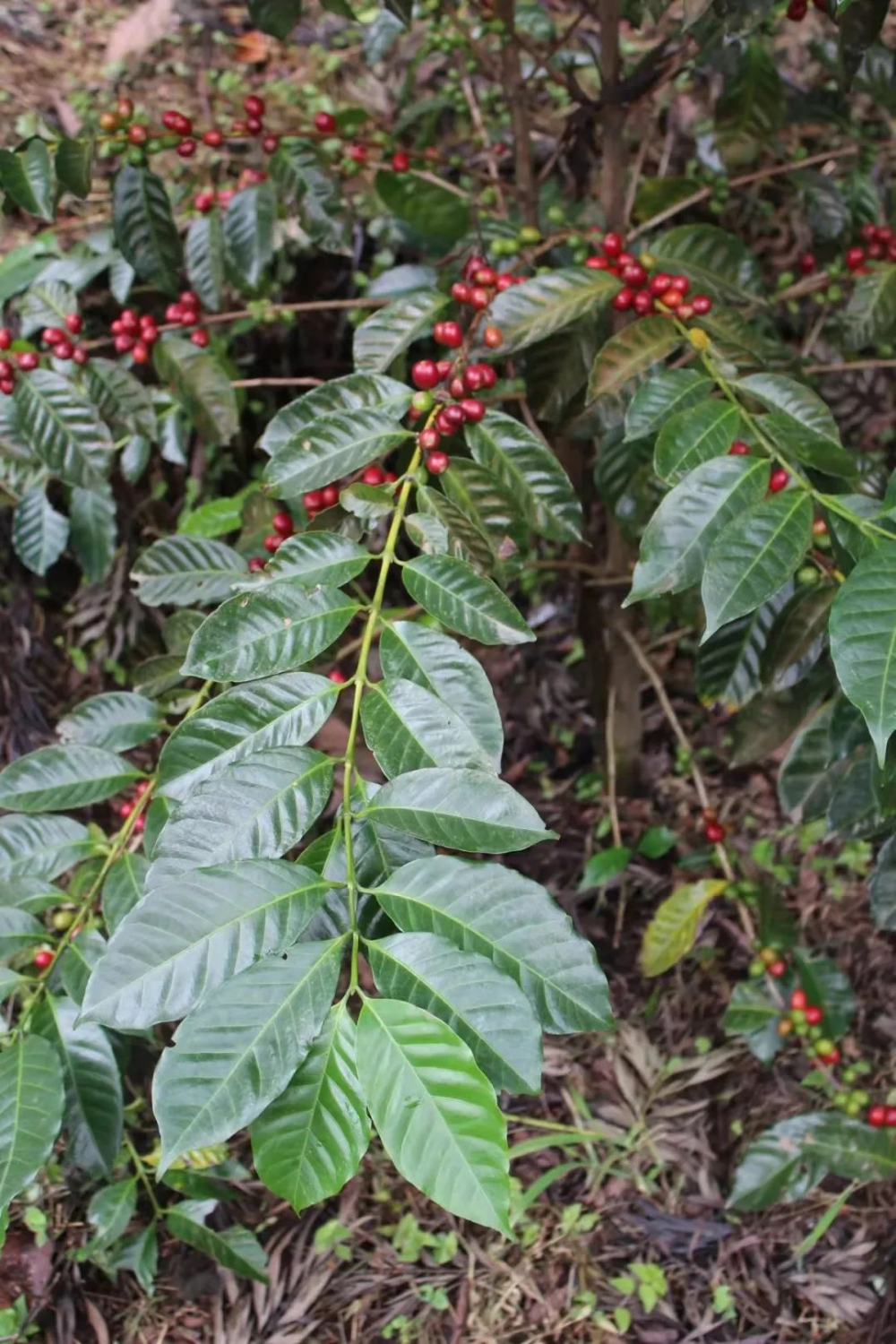
Geisha is, first and foremost, a coffee variety.
In 1931, this variety was first discovered in the Geisha forest of Ethiopia, and was subsequently sent to a coffee research institution in Kenya. In 1936, Geisha was introduced to Uganda and Tanzania; by 1953, Costa Rica also began cultivating this variety.
For a long time, Geisha did not attract much attention. It was not until Don Pachi initially brought Geisha from the town of GESHA in southwestern Ethiopia to Costa Rica, and later Geisha was introduced to Panama along a southern route. Panama's Hacienda La Esmeralda separated Geisha from other varieties and, with it, won the national coffee competition championship, bringing Geisha into the public eye.
What are the differences between Panama Geisha and Ethiopian Geisha?
Terroir is a French term encompassing many factors such as climate, altitude, humidity, sunlight, soil composition, moisture, and producer habits. Although the variety is the same Geisha, the flavors presented by Panama and Ethiopian production regions are completely different.
Geisha was made famous in Panama's estates. Panama Geisha coffee is grown in the western part of the country, near Costa Rica and the Pacific Ocean. The average annual temperature ranges from 16°C to 25°C, with average rainfall of about 3,500 mm. The Boquete region in Chiriqui Province is the main coffee-producing area, with Volcan, Santa Clara, and Candela also well-known. Other areas include David, Remacimeinto, Bugaba, and Tole.
Geisha coffee is exceptionally demanding regarding its growing environment, requiring high altitude, cloud cover for shade, fertile soil, and sufficient accumulated heat. Microclimate is the most important resource creating the unique style of Panama's distinctive coffee. The geographical layout of the Republic of Panama from east to west allows cold air currents to flow through the central mountain range, converging above 6,500 feet, thereby creating various microclimates in the Boquete area that give Panama Geisha its distinctive coffee flavor. Through cupping, Front Street tasted Panama Geisha presenting fresh floral aromas and fruity acidity, like drinking a cup of floral tea.
Every place has its unique terroir, and this terroir affects the coffee beans. For example:
Panama Hacienda La Esmeralda — Esmeralda Estate's Geisha is the king of specialty coffee, commonly known as "Red Label Geisha." Esmeralda's Geisha, with its floral aroma and intense tropical fruit sweetness, is a classic Geisha characteristic. Oolong tea aroma, peach aroma, honey aroma, fresh and comfortable, bright yet balanced, with extremely strong aromatic layering. The entire aroma and caramel sweetness are wrapped together. On entry, the tip of the tongue feels obvious fruit acidity, then it becomes mild and rounded in the mouth. The fruity sweetness and lingering aftertaste are strong, like swallowing a mouthful of fresh fruit tea, refreshing to the heart. The lower the temperature, the more delicate the acidity. The charm is also quite persistent, making one feel very satisfied!
Beans from 1,700 meters with high hardness and high density, plump in shape, medium screen size, thick and elongated body, with somewhat pointed ends.
Panama Elida Estate, located in the Boquete region, has an altitude that is almost the highest in all of Panama — a rare ultra-high-altitude estate in Central America! Benefiting from Boquete's unique climate with distinct wet and dry seasons, abundant sunshine and rainfall, and fertile soil formed from volcanic ash originating from Baru Volcano, Elida Estate's coffee cultivation quickly established itself. In 1929, the estate's coffee beans were first exported to Germany, earning a good reputation for Panama coffee. Over the following three-quarters of a century, as a family estate, Elida's coffee cultivation continued to develop, establishing its international reputation. Front Street roasted Elida Estate's natural Geisha and tasted prominent black berry flavors, very clean and full-bodied, with good oiliness, well-integrated sweet and sour notes, high-altitude tree tomato flavor, and long-lasting oiliness.
Panama Janson Estate, Volcan region, Carl Janson Geisha, average altitude about 1,700 meters, the estate is covered with nutrient-rich volcanic soil, full jasmine aroma and delicate berry charm, clean mouthfeel, honey, lychee flavors, maple syrup, lemon citrus, apple, rose, dark chocolate fruity notes, pomegranate, ripe grape, peach, and dark berry flavors, multi-layered sweet and sour.
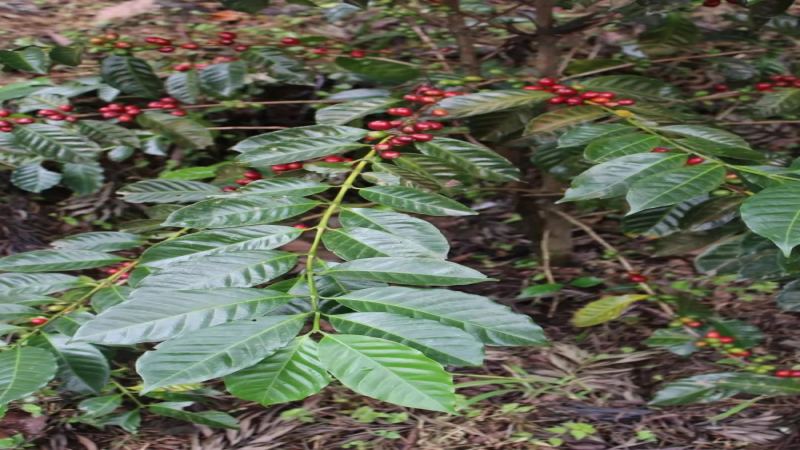
Ethiopia's Gori Gesha forest, where the Geisha variety was first discovered.
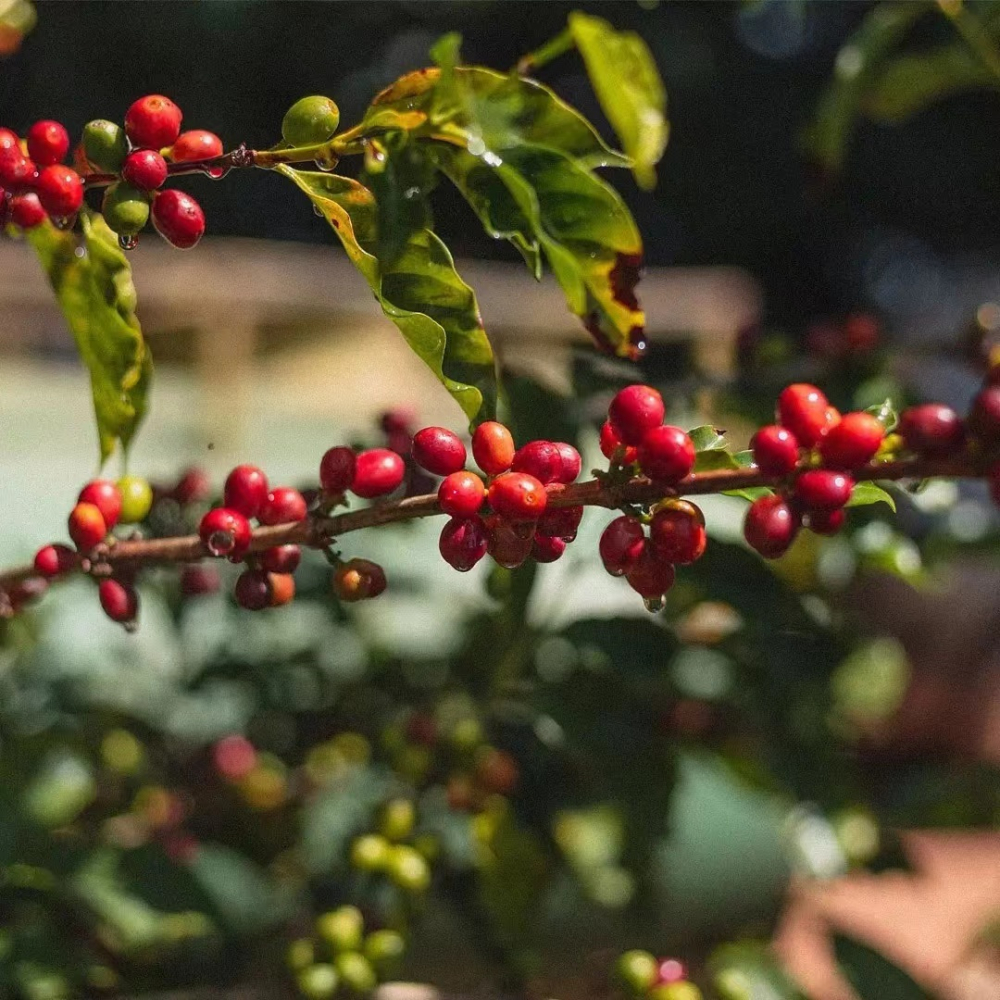
They collected seeds from native Geisha trees, carefully selected them, and sent the seeds to professional institutions for genetic testing, confirming that this is the original collection site of the Panama Geisha variety. Subsequently, by studying the coffee tree's plant morphology, coffee bean appearance and size, and cupping results, they selected the Geisha variety closest to today's Panama Geisha and began seedling cultivation. Gesha Village currently cultivates three coffee varieties as shown in the figure below:
Gesha Village Coffee Estate cultivates only Geisha. In fact, besides two varieties, Gesha Village also has a native variety called Illubabor, a disease-resistant variety provided by the Ethiopian research institute.
Gesha Village Estate Plot Division
Gesha Village has a total area of 471 hectares. Starting in 2011, the planting area was gradually expanded. As of 2017, the planted area was about 320 hectares, making it one of the largest Geisha estates in the world. To better manage and refine coffee flavors, the estate owner divided Gesha Village into 8 major blocks and further numbered each batch within them.
It is worth mentioning that some Geisha estates in certain regions, because of their small scale, may not show very prominent differences between batches. But for a large estate like Gesha Village, the differences between different plots are equivalent to the differences between small estates. Therefore, the estate owner numbers the plots in great detail, which facilitates later management and flavor traceability.

Area and planted varieties of different plots in Gesha Village
The western side of the estate is relatively higher in terrain, so the three plots OMA, SURMA, and SHEWA-JIBABU are at slightly higher altitudes, while the southern side has a relatively higher shade ratio, and the northern side has longer sunlight exposure. Among the eight plots, the estate managers selected the most suitable variety for each plot based on differences in microclimate such as altitude, soil conditions, and shade conditions (as shown in the figure above), ensuring that each major plot develops distinct characteristics.
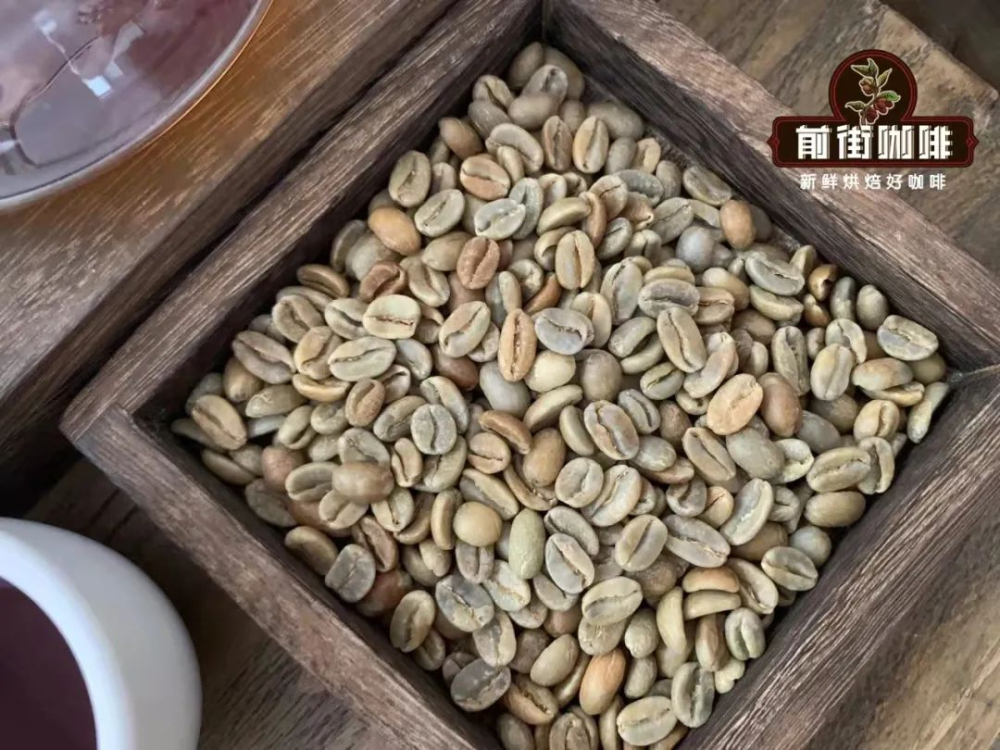
The green beans are smaller than Panama's. Washed Geisha green beans have a very beautiful blue-green color, while natural Geisha green beans have a beautiful green with a slight yellow band, with a jade-like warm texture. They smell of fresh grass, peach, berry notes, and the unique milky sweet aroma of oolong tea that most coffee beans lack. It seems that aroma and taste really require association, but the faint tea note is something we can clearly perceive.
Roasting Analysis
To highlight this bean's characteristics and aroma, Front Street uses a medium-light roast to bring out the bean's inherent qualities. Too dark would diminish the floral aroma and fruit acidity. Of course, this also needs to be adjusted according to the coffee bean's characteristics and the roaster's understanding of the bean itself. Therefore, even for the same Geisha variety, Front Street makes adjustments in roasting.
Panama Esmeralda Natural Geisha, roasting: First crack begins at 8'12", reduce heat to 80 degrees, adjust airflow to 4 (adjusting heat requires great care, not so low that there is no crackling sound), develop for 1'30" after first crack, drop at 189 degrees.
Gesha Village Geisha: First crack begins at 7'43", reduce heat to 80 degrees, fully open airflow to 5 (adjusting heat requires great care, not so low that there is no crackling sound), develop for 1'20" after first crack, drop at 193 degrees.
Because Geisha has always dominated people's conversations, in the eyes of coffee people, Geisha is undoubtedly a well-deserved goddess. How many people are obsessed with her bright and complex floral and fruity aromas, multi-layered high-sweetness fruit profile, and delicate soft acidity. Geisha's extremely low yield is just an excuse for selling it at a high price. What truly fascinates people is Geisha's unique and alluring coffee flavor, which is the most important reason why Geisha is so exceptionally expensive.
Origins and Development of Ethiopia's Gesha Village Estate
The owner of Gesha Village is Adam Overton, a true-blue American. He was not originally a coffee shop owner, but a documentary director. His wife Rachel Samuel is Ethiopian and a photographer. In 2007, the couple was commissioned to Ethiopia to shoot a documentary about coffee. As the filming progressed, they had increasingly deep contact with Ethiopia's land and people, and the dream of establishing their own estate was born.
In 2009, they met Willem Boot. Who is he? Willem Boot is a Dutchman whose family ran a café. He later emigrated to the United States and went to work for the roaster company Probat. In 2004, he served as a judge at BOP. This was also the first time the Geisha variety appeared in competition. After one sip, he thought it was heavenly, so delicious it could make you fly. So in 2006, he bought La Mula, which was still an obscure little estate at the time, and planted 6,000 Geisha trees.
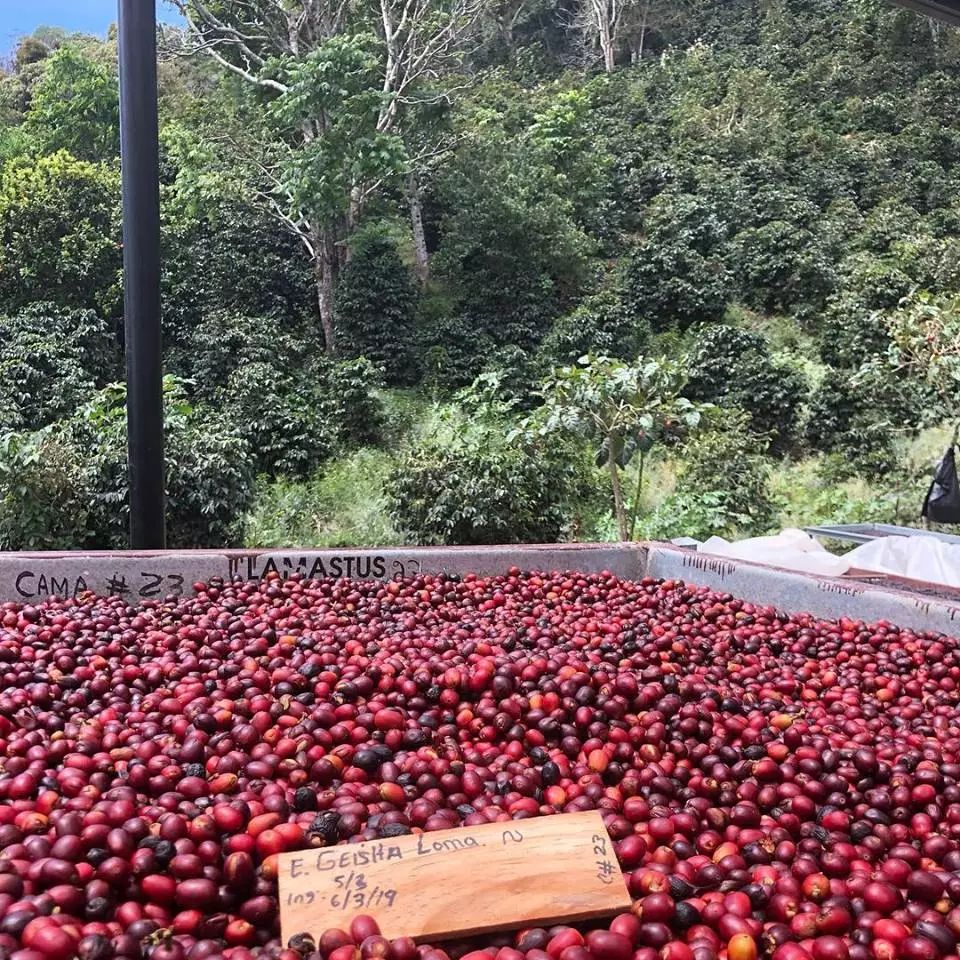
Green Bean Analysis
The green beans are smaller than Panama's. Washed Geisha green beans have a very beautiful blue-green color, while natural Geisha green beans have a beautiful green with a slight yellow band, with a jade-like warm texture. They smell of fresh grass, peach, berry notes, and the unique milky sweet aroma of oolong tea that most coffee beans lack. It seems that aroma and taste really require association, but the faint tea note is something we can clearly perceive.
Cupping
Dry aroma is wine-like, apricot. Wet aroma has a sweet orange juice quality, jasmine, sweet peach, wine-like, pineapple, bright and rich. On slurping: citrus, tropical fruit aroma, ripe fruit, berry notes, citrus, light fermented wine aroma, acidity clear and bright, smooth texture, grape, maple syrup, wild ginger flower, delicate fruit acidity, clean and balanced mouthfeel, with a lingering, lively fruity sweetness in the finish.
Brewing Recommendation:
Extraction Method: Pour-over
Dripper: V60 Water Temperature: 91-92°C Dose: 15g Coffee-to-Water Ratio: 1:15 Grind Size: Caster sugar size (80% passing through a No. 20 sieve)
Pour the ground coffee into the filter paper, start pouring 30g of water from the center for a 30-second bloom. Be careful to maintain a small, steady stream in a circular motion from inside to outside throughout. For the second pour, add 95g of water. Wait until the coffee liquid has almost finished dripping, then begin the third pour of 100g. Once all the coffee has filtered through, remove the dripper. The total time should be about 2 minutes, with a margin of about 10 seconds either way.
Panama Janson Estate Coffee Pour-over Geisha Brewing Method
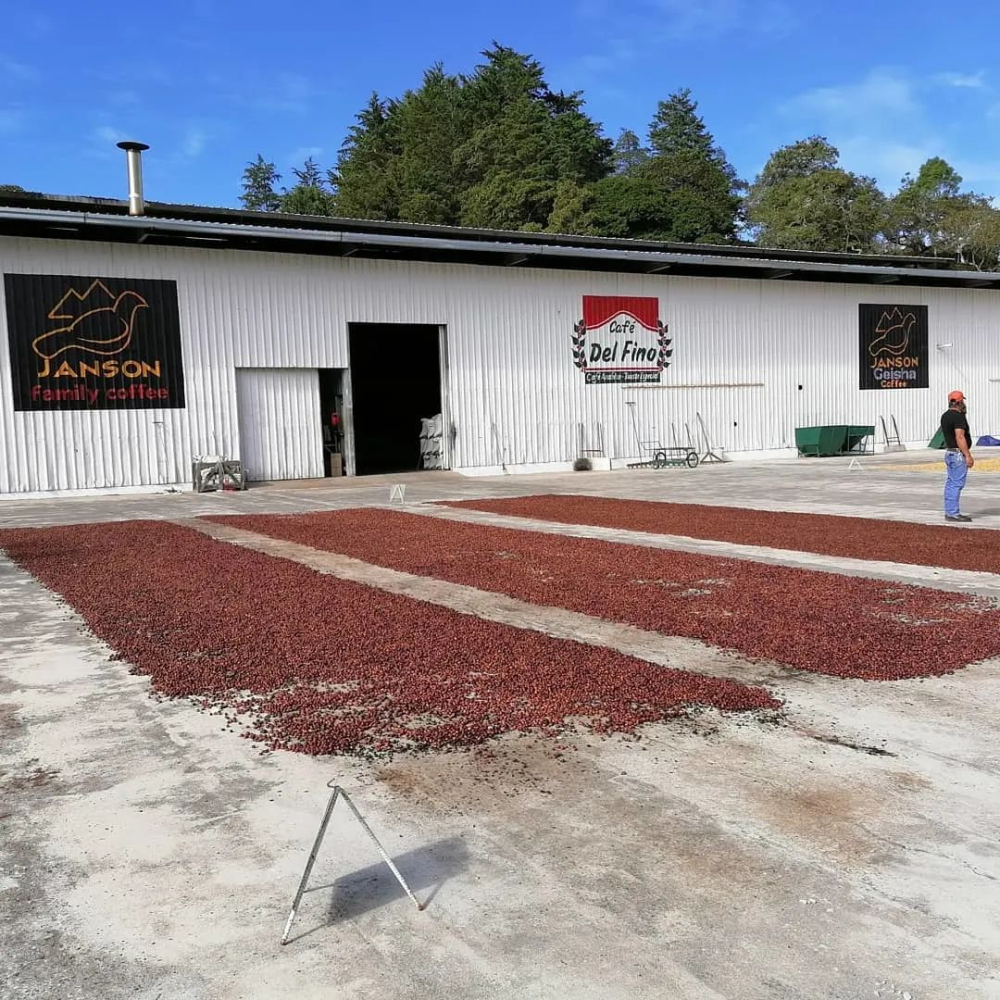
Carl Janson's Janson Estate Geisha variety! In Taiwan, Janson Geisha is probably rarely heard of, because this estate mainly sells domestically and does not export; moreover, over 50% of the estate is planted with Geisha coffee and it is the second-largest producer of Panama Geisha. Because the farm's inherent advantages — rich volcanic ash soil and an altitude of 1,700-1,750 meters — are all suitable for coffee bean growth, the coffee beans planted there: Geisha, have their elegant flavors perfectly presented on this farm.
Excellent Environment: The farm's inherent advantages — rich volcanic ash soil and an altitude of 1,700-1,750 meters — are all suitable for coffee bean growth.
Ecological Conservation: Panama Janson Coffee Farm not only grows coffee beans, it is also an organic ecological farm. The park focuses on cattle, horses, and livestock. Coffee cherries are organically processed and used as farm fertilizer. It emphasizes soil and water conservation, recycles mountain spring water, and carries out annual afforestation.
Extraction Method: Pour-over
Dripper: V60 Water Temperature: 91-92°C Dose: 15g Coffee-to-Water Ratio: 1:15 Grind Size: Caster sugar size (80% passing through a No. 20 sieve)
Pour the ground coffee into the filter paper. For the first pour, gently add 30g of water for the bloom. Bloom for 30 seconds. For the second pour, add water up to about 125g, in a steady, even outward circular motion. Then wait for the coffee liquid to drop. When it has dropped by half, pour the final amount of water up to 225g. Wait for all the coffee to finish dripping. Total extraction time is generally about 2 minutes.
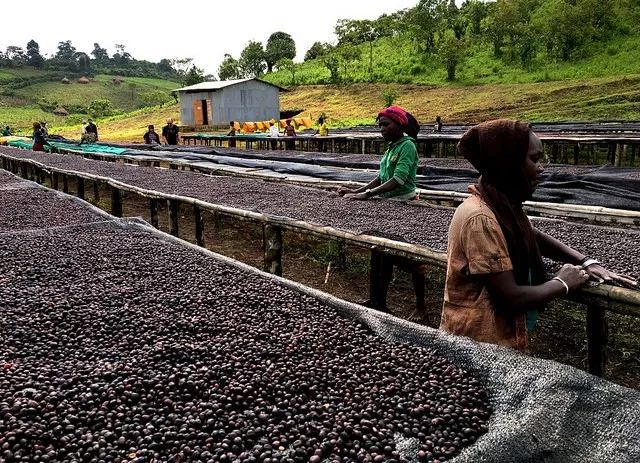
Front Street believes that a medium-light roast allows Geisha coffee to retain more fruit acidity and elegant floral aromas. When tasting, one can not only feel a honey-like sweet and mouth-watering sensation, but also the lingering notes of various black teas and oolong teas, making it feel less like drinking a cup of coffee and more like drinking a cup of floral and fruit tea. This is probably why Geisha coffee is so popular~
Professional coffee knowledge exchange, more coffee bean information, please follow Coffee Workshop (WeChat public account: cafe_style)
For more specialty coffee beans, please add private WeChat Front Street Coffee (FrontStreet Coffee), WeChat ID: qjcoffeex
The above content is compiled by CoffeeHunters, a coffee news website.


