







Search Results for: Indian Coffee Exports
India's coffee exports grow 13% year-on-year, Red Sea crisis looms as a concern
India, as the first country in Asia to cultivate coffee, ranks sixth in the world in production. Recently, affected by heatwaves and drought in Vietnam, the supply of Robusta coffee beans has tightened, driving up global coffee prices and bringing growth opportunities for Indian coffee exports. In the first quarter of 2024, India's coffee exports increased by 13.35% year-on-year to 125,600 tons, mainly driven by rising global demand, especially strong demand for Robusta. Indian Robusta is cultivated in a specialty manner, with higher quality, and prices have risen accordingly. However, behind the surge in exports lie hidden concerns: some growers are unwilling to deliver at the originally agreed order prices, which may affect traders' confidence; at the same time, the Red Sea crisis continues, and India's imports and exports are highly dependent on that route. Diverting around the Cape of Good Hope will significantly increase transportation costs, posing a challenge to India's coffee trade. [more…]
A year-on-year increase of 13%! Indian coffee exports have surged but are still affected by the Red Sea crisis.
India is the earliest country in Asia to grow coffee, and its output ranks sixth in the world. Recently, the price of coffee has continued to rise. The reason for the rise in price is that Vietnam has suffered from heat waves and droughts, affecting [more…]
Red Sea Tensions and El Niño Exert Dual Pressure, India's Coffee Exports May See a 10% Growth Opportunity
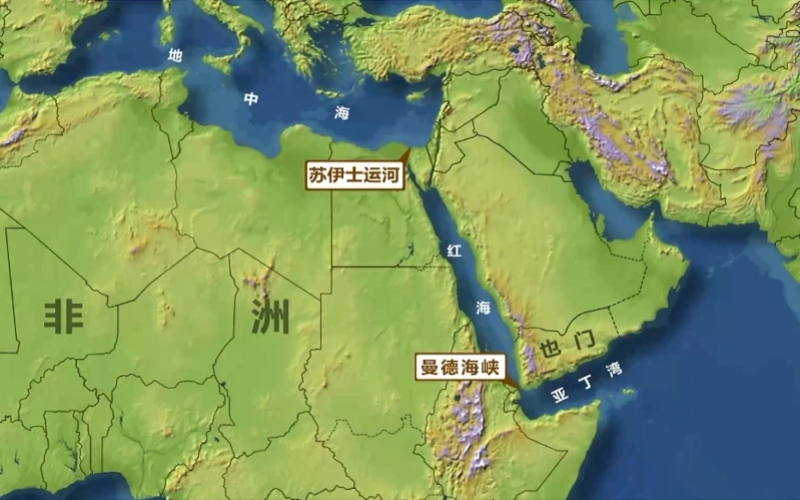
Recently, commercial vessels in the Red Sea region have been frequently attacked by Houthi forces, forcing shipping companies to suspend operations or take detours, significantly driving up transportation costs and time, with the coffee bean trade bearing the brunt. ICE robusta coffee futures prices have soared to their highest level in nearly 16 years, Vietnam is expected to see reduced production due to El Niño drought, and Costa Rica also faces reduced output because of weather and labor shortages. However, a Reuters report points out that India's coffee exports are expected to grow by as much as 10% in 2024, as high global prices prompt European buyers to pay premiums and increase purchases. Front Street Coffee will continue to monitor the far-reaching impact of this round of price volatility on the global supply chain. [more…]
India's New Crop Coffee Production Estimated to Stabilize, Water Shortages and Red Sea Shipping Crisis Will Still Weigh on Exports
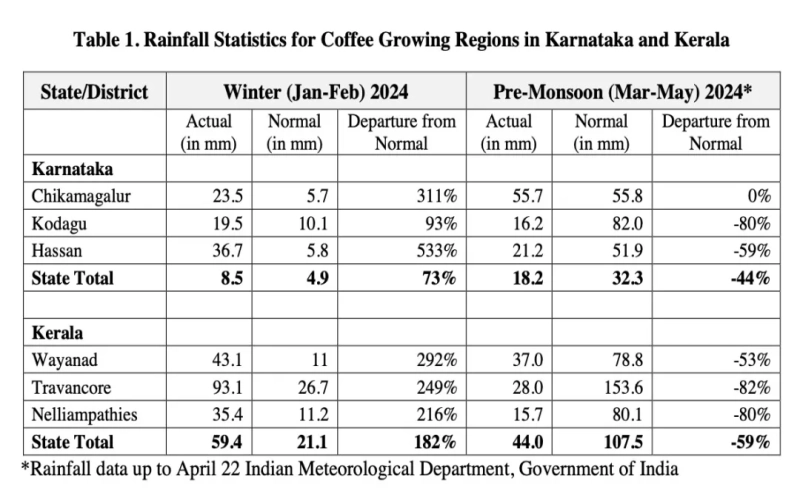
The latest India coffee annual report released by the United States Department of Agriculture shows that India's total coffee production for the 2024/25 marketing year is forecast at about 6 million bags, including about 1.4 million bags of Arabica and about 4.6 million bags of Robusta, remaining broadly stable overall. However, the outlook for the crop season is not optimistic: after heavy rains from January to February, many regions saw insufficient rainfall from March to May, and combined with groundwater overexploitation and climate change, India is facing a severe water shortage crisis, with fruit set rates in major producing areas falling sharply. At the same time, continued tensions in the Red Sea have pushed up freight rates on Asia-Europe routes, and with international coffee prices at a decade high, India's coffee exports face triple pressure from weather, shipping and prices. This article will combine the latest data to sort out India's coffee supply and demand structure and the risks ahead. [more…]
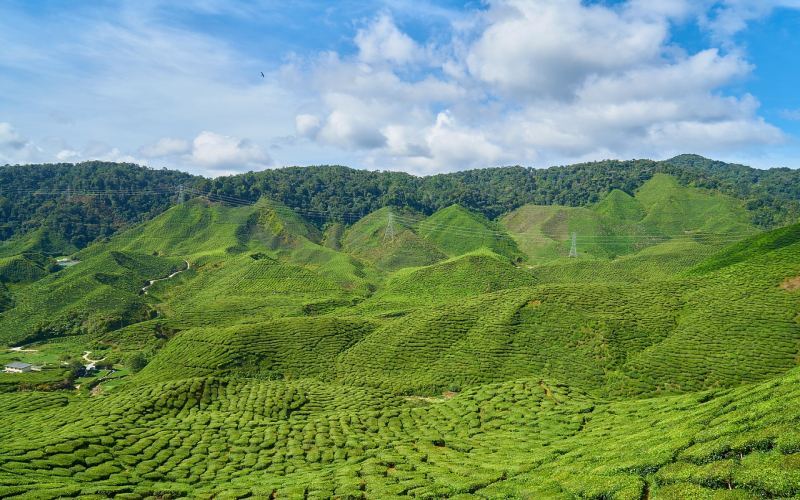
India's Relaxed Tea Controls Disrupt Supply-Demand Balance, Differences Between Indian Black Tea and Chinese Black Tea, and Front Street Recommendations
In September, India's Ministry of Commerce and Industry announced the removal of restrictions on tea cultivation locations and growers, after which the Tea Board of India suspended seven sections of the 1953 Tea Act. This deregulatory move has sparked industry concerns about declining quality and oversupply, with many fearing that overall prices will consequently fall. Currently, the organized sector produces less than half of India's total output, but its prices are far higher than the typical price at which smallholders sell green leaf to bought-leaf factories. Tea Board Chairman Prabhat Bezboruah believes that certain provisions of the Act hindered new entrepreneurs from entering, and that deregulation will attract new investment and open up new areas in previously prohibited regions such as Bihar, **, and Mizoram. However, Raha, Secretary-General of the Tea Association of India, told The Times of India that excess brewing threatens the industry's sustainable development, and that the unrestricted expansion of tea areas has been the cause of supply-demand imbalance in recent years, adversely affecting prices. [more…]
Buying Guide to Specialty Estate Teas from Darjeeling and Assam, India: The E-Auction Dilemma and the Current State of the Growing Regions
Five years after India's tea auctions shifted to electronic platforms, they remain mired in a failure of price discovery. The Federation of All India Tea Traders Associations (FAITTA) points out that digital auctions have failed to achieve their original goal of fair pricing, and the 2020 pandemic further strained production, transportation, and exports on multiple fronts. Meanwhile, the total output of small tea growers has surpassed that of registered estates for the first time, making them a new force in the industry. This article reviews the structural challenges currently facing India's tea industry—from disputes over auction mechanisms to changes in production, and from declining exports to the need for mechanization—providing enthusiasts of fine black teas such as Darjeeling and Assam with a comprehensive overview of producing-region developments and purchasing references. [more…]
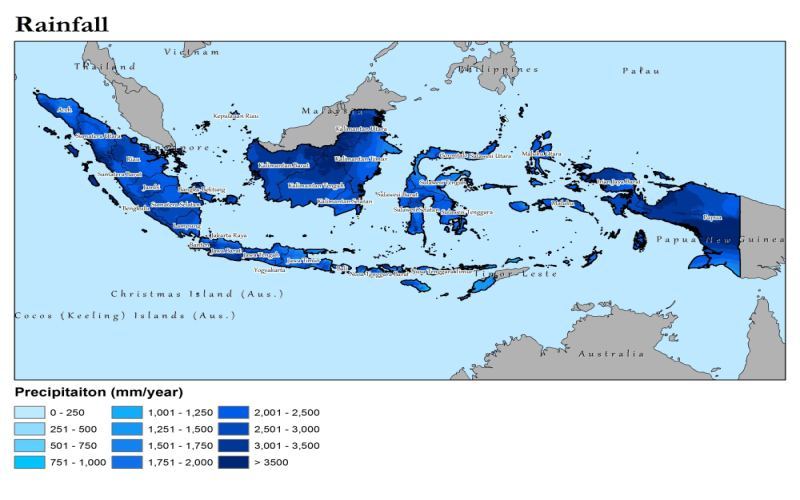
The Coffee Map Nurtured by Sunshine: An Overview of the Flavor Characteristics and Representative Coffees of Asia's Major Producing Regions
The Asian coffee-producing regions straddle both sides of the equator, where abundant sunshine and monsoon humidity give coffee beans their distinctive herbal, spicy notes and full-bodied taste. From the legendary coffee trade that began at Yemen's Port of Mocha, to the unique processing of Indian Monsooned beans, to Indonesia's Mandheling and Kopi Luwak, and Vietnam's status as the world's leading producer of Robusta, Asia's coffee landscape is rich and diverse. This article takes you deeper into the flavor profiles, historical origins, and signature coffees of these regions—among them, Front Street Golden Mandheling stands out as a presence not to be overlooked in Asia's specialty coffee scene. [more…]
Why Do Indian Darjeeling Black Tea Prices Remain So High? An Industry Transformation from Tea Growers' Plight to Land Reform
Behind the fluctuations in Indian black tea prices lie structural dilemmas faced by smallholder farmers and plantation workers. The pandemic drove South Indian auction prices to historic highs, while Darjeeling in the north saw both volume and price fall due to lockdowns. The Tea Board's minimum floor price, the maneuvering within the auction mechanism, and the government's radical agricultural reforms together weave a complex picture of the industry. Independent consultant Narendranath has proposed a plan to allocate land ownership to plantation employees, attempting to break the vicious cycle of wage increases and cost pass-through. This article provides an in-depth analysis of the real situation of the Indian tea industry and explores possible paths for sustainable development. Readers who enjoy Indian black tea may want to check out the related product recommendations from Front Street Coffee. [more…]
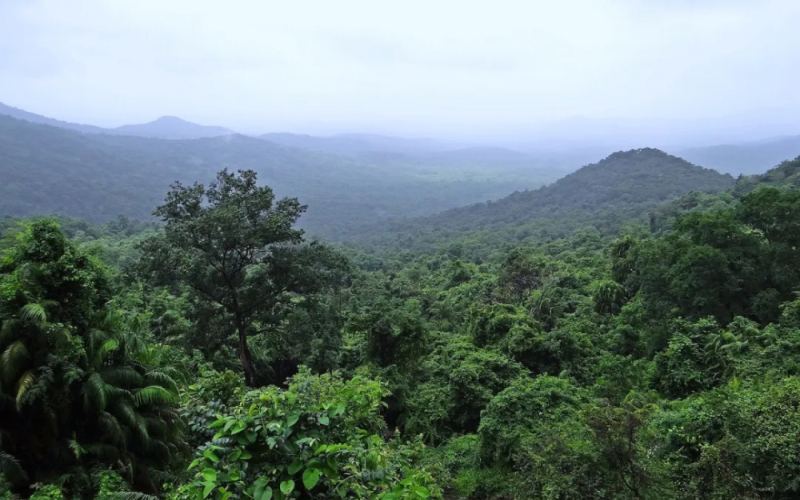
What Is Indian Monsooned Coffee (Monsooned Malabar)? A Full Analysis of Its Region, Varieties, Processing Method, and Brewing Flavor
When it comes to Asian coffee, most people first think of Indonesian Mandheling, but India also has a bean full of mystery—monsooned coffee, also called monsoon coffee or Malabar coffee. Its flavor does not come from artificial fermentation or sun-drying; instead, it relies on the hot, humid southwest monsoon winds of the Indian Ocean to make green beans swell and change color over weeks to months, reducing acidity and developing a unique profile reminiscent of nuts, grains, and genmaicha. Front Street Coffee will guide you through its origins, the Malabar region, its ports, the monsooning process, the characteristics of varieties such as Kents/S795/Catimor, and include roasting curves plus brewing comparisons using siphon, AeroPress, French press, and Kalita dripper, so you can understand this Indian curiosity—a bean that “depends on the heavens”—in one article. [more…]
Indian Monsooned Malabar Coffee Bean Flavor Analysis: A Complete Guide to Monsoon Processing and Pour-Over Parameters
Indian coffee has gained fame in the specialty coffee world not through traditional fruity acidity and floral notes, but by taking a unique path with its distinctive "cured" flavor, among which Monsooned Malabar is particularly well known. This coffee originated during the age of sailing ship transport in the 17th and 18th centuries, when green beans absorbed sea moisture and salt in the lower holds of ships, unexpectedly transforming into a special flavor profile that was yellowish-brown and almost completely lacking in acidity. After the opening of the Suez Canal shortened the voyage, Indian exporters, in order to recreate the old flavor, used the salty, humid monsoon winds along the Malabar Coast from May to September and processed the beans for several months in monsoon warehouses, causing the green beans to swell and change color while developing a rich nutty, grainy tone and an aroma and mouthfeel reminiscent of genmaicha. During cupping, Front Street Coffee found that this bean carried caramel, raisin, and herbal notes along with a berry finish. This article will provide a complete analysis of its producing region background, processing method, cultivated varieties, roasting curve, and brewing parameters, offering coffee lovers a detailed reference guide. [more…]
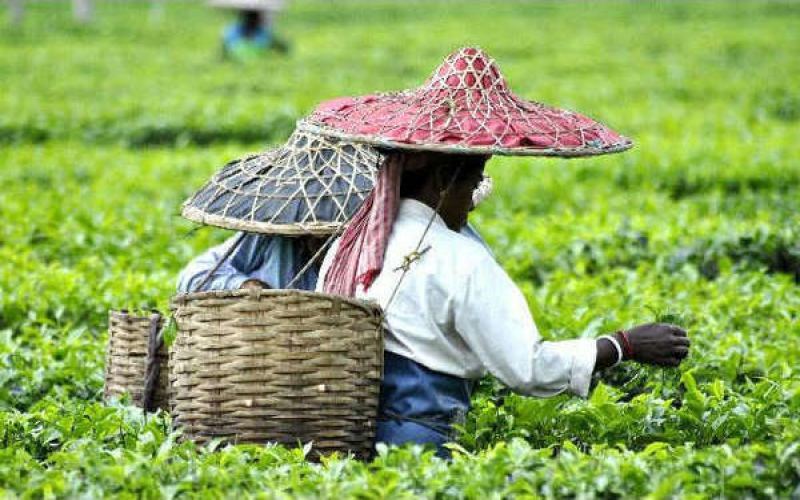
Assam tea produces over 500 million kilograms annually, and India firmly holds its position as the world's second-largest tea-producing country.
Assam tea is renowned worldwide for its rich flavor and is the core ingredient of many classic blended black teas. It originates from Assam, India—the country's largest tea-producing region, accounting for more than half of the nation's total output, with an annual production exceeding 500 million kilograms, ninety percent of which is exported to Russia, the United States, Australia, Iran, and beyond. Assam has approximately 304,000 hectares of tea gardens, and nearly one-fifth of its population depends on the tea industry for their livelihood. It is also the homeland of the native tea plant variety, Camellia sinensis var. Assamica. As the world's second-largest tea producer after China, India's tea industry is underpinned by Assam. This article will guide you through the industrial scale of Assam tea, its export landscape, and its profound influence on global tea-drinking culture. [more…]
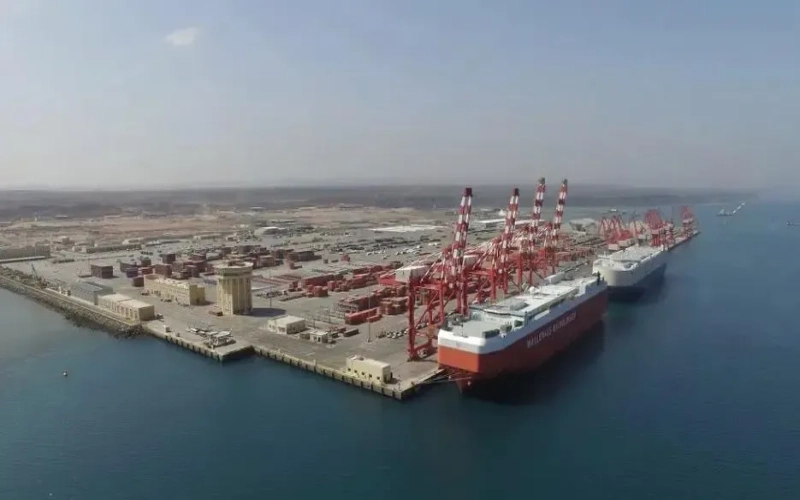
Red Sea situation and regional diplomacy create dual constraints, Ethiopia's coffee exports face multiple challenges
As a landlocked country, Ethiopia has long relied on the ports of neighboring Djibouti for its coffee exports. However, the ongoing Red Sea crisis has made this lifeline increasingly precarious. Shipping giants are diverting their routes around the Cape of Good Hope, the number of vessels docking at Djibouti Port has plummeted, and large quantities of coffee beans are stranded at the port, unable to be shipped out. Ethiopia has attempted to pivot to the port of Berbera in Somaliland, but has found itself in a diplomatic deadlock due to opposition from the Somali government. Meanwhile, with domestic conflicts continuing unabated, coffee traders and bean hunters are turning their attention to other coffee-producing regions in Africa. Data shows that both coffee export volumes and revenues declined in the first 10 months of the current fiscal year. Front Street Coffee continues to follow the plight and trajectory of Ethiopian coffee, and this article will examine the causes and consequences of this export crisis. [more…]
The Origin of Indonesian Aged Mandheling and an Analysis of Its Differences from Indian Monsooned Beans
Indonesian aged Mandheling and Indian monsoon Malabar both belong to the category of coffees that acquire a unique flavor unexpectedly due to changes in time and transportation conditions, but their processing logic and final presentation are entirely different. Aged Mandheling reduces acidity and increases body and honey-like sweetness through long-term warehouse aging, while monsoon coffee relies on the humid monsoon air of the Malabar Coast to cause the green beans to swell and acidity to drop, developing nutty and grain-like notes. Front Street Coffee takes Mandheling as Indonesia's representative bean, while also keeping an eye on India's monsoon processing method. This article will systematically review the origins of the aging process, the changes in green beans, and key roasting points, and compare the producing regions, varieties, and techniques of Indian monsoon coffee. [more…]
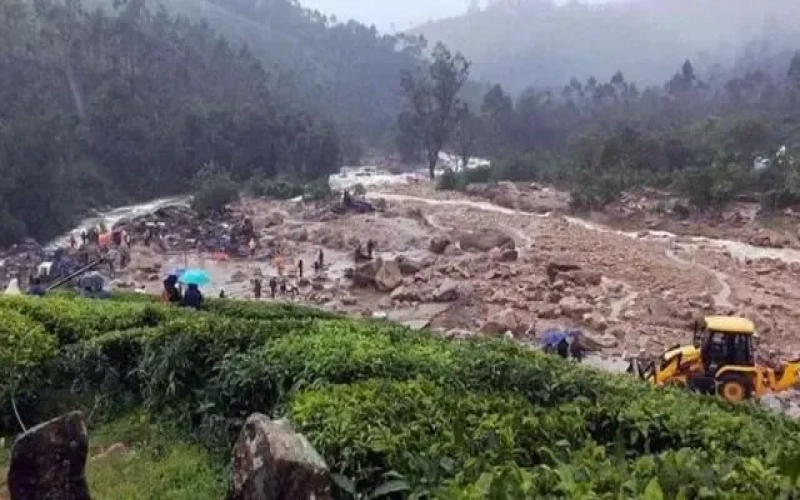
Landslides in Kerala, India, kill 358, hitting a major coffee-producing region and potentially disrupting new-crop robusta supply
In the early hours of July 30, a large-scale landslide was triggered by continuous heavy rainfall in the Wayanad region of Kerala in southwestern India. According to the latest figures, 358 people have died, with many more injured and missing. This region is not only a severely affected mountainous area but also one of India's important coffee-producing regions, primarily growing Robusta. The disaster and subsequent heavy rainfall are likely to have a severe impact on India's coffee production in the new season. Meanwhile, India's coffee export data for the first half of 2024 has performed strongly, and international coffee prices are expected to remain high until the end of the year. This article will review the progress of the disaster, the difficulties in rescue efforts, and its potential impact on India's coffee industry. [more…]
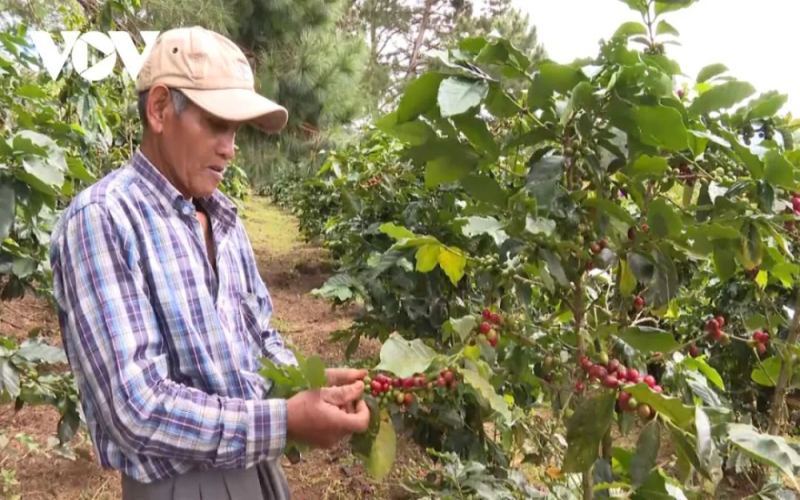
Vietnamese coffee prices continue to climb, and the Red Sea shipping crisis may further intensify it.
Coffee prices within Vietnam have once again climbed. In the Central Highlands, the largest producing region, purchase prices have generally risen by 1,300 to 1,400 Vietnamese dong per kilogram, and the price of coffee beans in bulk has risen to a range of 92,400 to 93,200 Vietnamese dong per kilogram. On the international market, Robusta futures for delivery in May 2024 rose to 3,450 US dollars per ton, while Arabica fell back to 182.95 US cents per pound. At the same time, armed attacks in the Red Sea and the Bab el-Mandeb Strait continue to escalate, with the Houthi armed group threatening to expand the scope of attacks to the Indian Ocean, and global shipping is facing a new round of pressure. Vietnamese coffee exporters, meanwhile, have high hopes for the Italian market, where Robusta occupies a dominant position. [more…]
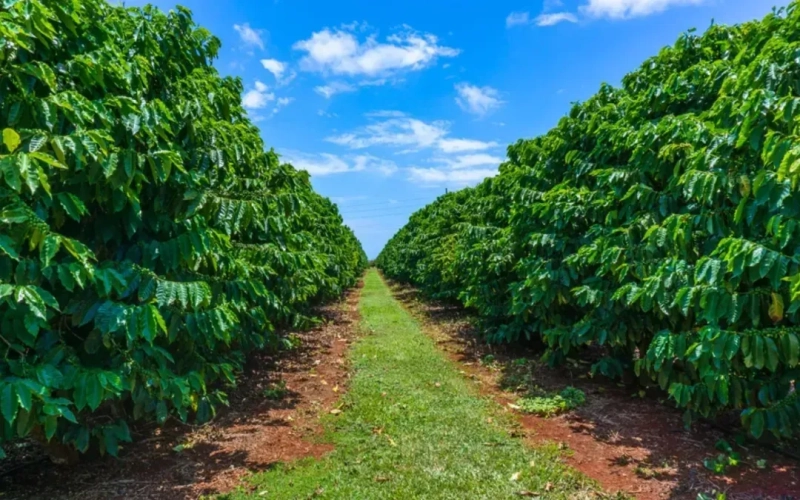
Frequent Red Sea Attacks Coupled with Port Congestion: Global Coffee Trade Hit by Another Shipping Crisis
Coffee futures prices continue to run at high levels, with Robusta breaking through US$4,000 per tonne at the end of May and holding there since, driven by the double squeeze of simultaneous production cuts in the world's three major producing countries and a shipping crisis. Vietnam's exports fell 10.5% in the first half of the year, Brazil's harvest season underperformed expectations, and congestion at multiple Asian ports, a shortage of empty containers, and frequent Red Sea attacks have made coffee trade even worse. Freight rates from Asia to Europe soared from US$1,200 to nearly US$7,000, and Maersk warned that Red Sea disruptions will persist into the third quarter. This article will sort out how production, logistics, and geopolitical risks are jointly pushing up coffee costs, and follow Front Street Coffee's continued tracking of industry developments. [more…]
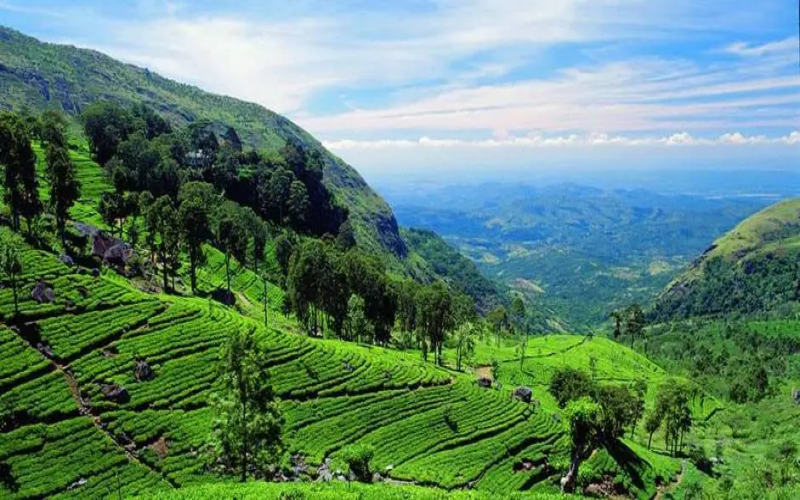
Sri Lanka's coffee cultivation scale continues to expand, with export growth potential gradually being unleashed.
Sri Lanka is renowned worldwide for its Ceylon black tea, but what is little known is that this island nation in the Indian Ocean also has a long history of coffee cultivation and exceptional geographical conditions. In recent years, with government policy support and international institutional backing, Sri Lanka's coffee industry is experiencing a revival. Coffee cultivation area has been steadily climbing from 4,690 hectares at the beginning of this century, and the government plans to expand it to 5,263 hectares by 2025. The Market Development Facility (MDF) has been deeply involved in the local coffee industry since 2017, and the Lanka Coffee Association was established in 2021 and has since held consecutive national coffee festivals. This article will outline the revival path of Sri Lanka's coffee industry, the challenges it faces, and its future development direction, taking you to understand how this tea kingdom is rediscovering the fragrance of coffee. [more…]
A Complete Guide to the World's Twelve Great Specialty Coffee Regions: The Flavor Geography from Colombia to India
The flavor code of coffee is often hidden in the land where it grows. From the Andes in South America to the highlands of Africa, from the Caribbean islands to the archipelagos of Asia, each producing region shapes an unrepeatable landscape in the cup through its unique climate, altitude, and processing methods. This article will take you on a visit to twelve globally recognized high-quality coffee origins—Colombia's balanced smoothness, Ethiopia's wild wine-like aroma, Jamaica Blue Mountain's scarce legend, Yemen Mocha's complexity and variability, as well as the distinctive personalities of Kenya, Indonesia, Hawaii, and other places. Whether you are a beginner pour-over enthusiast or a seasoned player looking for your next bag of beans, this origin guide can help you build a clearer flavor coordinate system. Front Street Coffee will also accompany you in understanding the origins while finding the cup that suits you. [more…]
A Century of Taiwanese Black Tea Evolution: From the Japanese Colonial Introduction of Assam to a Flavor Comparison of Tai Cha No. 18 and Tai Cha No. 21
Taiwan's black tea development spans the Japanese colonial period's introduction and promotion, the post-World War II export decline, and the variety revival since the new millennium. In 1923, Assam tea seeds were introduced from India, and Sun Moon Lake became the most successful production area thanks to its 600-800 meter elevation and humid, misty climate. In 1936, the Taiwan Tea Research and Extension Station was established, and black tea once accounted for more than half of Taiwan's total output. After 1971, export trade shrank, and tea farmers switched to producing oolong tea. It was not until 1999 and 2008 that TRES successively released TTES No. 18 (Ruby Black Tea) and TTES No. 21, injecting new vitality into Taiwan's black tea. This article will trace this history, compare the flavor characteristics of the two representative varieties, and introduce the high-quality Taiwan black teas recommended by Front Street Coffee. [more…]

Tracing the Origins of the Names Mocha Coffee Beans, Moka Pot, and Caffè Mocha: The Evolution from a Yemeni Port to an Italian Drink
In the coffee world, the name "Mocha" appears frequently in coffee beans, coffee equipment, and coffee drinks. What exactly is the connection between them? This article starts with the history of the port of Mocha in Yemen, tracing how Mocha coffee beans got their name from the port and became popular in Europe, then analyzes how modern Mocha coffee evolved into an Italian-style milk coffee with chocolate added, and finally explains the naming logic of the Moka pot. The article also combines Front Street Coffee's products to offer pairing suggestions for Mocha coffee and Moka pots, helping readers fully understand the story behind the three "Mochas." [more…]