







How Assam compares with other coffee producing countries
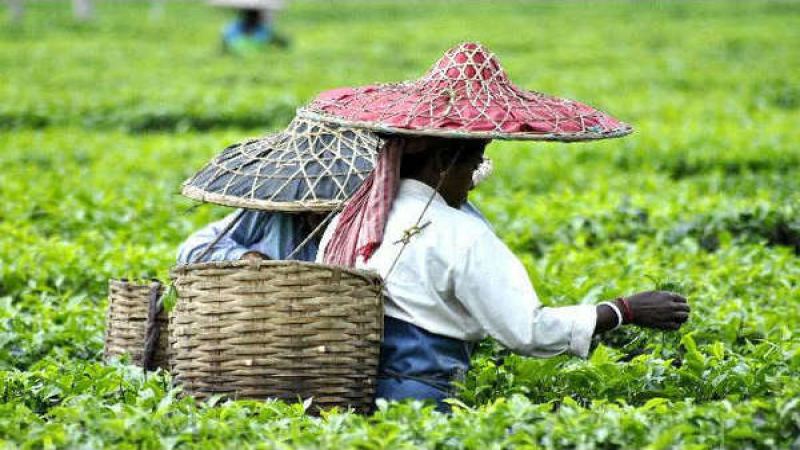
Assam produces more than 500 million kilograms of tea annually, and India ranks as the world's second-largest tea producer after China. The state holds about 304,000 hectares of tea gardens and supplies over half of India's total tea output. Roughly ninety percent is exported to Russia, the United States, Australia, and Iran, and nearly one-fifth of Assam's population depends on the industry.
Assam is also the birthplace of Camellia sinensis var. Assamica, a native variety. Lists of coffee producing countries often pair India with Asia's other origins, since India grows coffee in the south while tea dominates the northeast. Assam's tropical monsoon climate and British-era plantings, which began with Chinese seeds before local wild tea was found, shaped today's scale.
Assam tea is renowned worldwide for its robust flavor and is a core ingredient in many classic black tea blends. It is produced in Assam, India—the country's largest tea-growing region, accounting for more than half of the nation's total output, with an annual production exceeding 500 million kilograms, ninety percent of which is exported to Russia, the United States, Australia, Iran, and other destinations. Assam has about 304,000 hectares of tea gardens, and nearly one-fifth of its population depends on the tea industry for their livelihood. It is also the birthplace of the native tea variety Camellia sinensis var. Assamica. India, as the world's second-largest tea producer after China, relies on Assam as the backbone of its tea industry. This article will introduce you to the industrial scale of Assam tea, its export landscape, and its profound influence on global tea-drinking culture.
For those who love drinking tea, authentic Assam tea is probably no stranger. Perhaps you have drunk it without knowing that the tea in your cup came from Assam; or perhaps it was simply labeled as "black tea." In fact, Assam is an indispensable component in many blended black teas on the market today. Sometimes it is called Indian tea, and sometimes it is sold simply under the name black tea.
Assam tea is a world-famous strong tea produced in Assam, India. The state is India's largest tea-producing region, accounting for more than half of the country's total tea output. Imagine more than 304,000 hectares of land covered with tea plants, and it is not hard to understand the sheer scale.
Assam tea has a long history of nearly two centuries. When the British decided to establish their own tea plantations in India, they probably did not expect that Assam would one day grow into such a massive tea-producing region. At first they introduced tea seeds from China, but unexpectedly discovered that a wild tea plant was already growing locally, with enormous development potential. Assam's tropical monsoon climate provides ideal conditions for tea cultivation.
Why is Assam's tea industry so important? The following facts help make this clearer.
Nearly one-fifth of Assam's population is employed in tea gardens—a huge group that relies entirely on tea production for its livelihood.
India is the world's second-largest tea producer, after China. Assam exports large quantities of tea to many countries, including Russia, the United States, Australia, and Iran.
Assam is the origin of the native tea variety—Camellia sinensis var. Assamica.
The local climate is extremely suitable for growing tea, with more than 304,000 hectares of land covered by tea plants.
Assam produces more than 500 million kilograms of tea each year, of which only ten percent is consumed domestically.
Assam tea is the main ingredient in many breakfast tea blends.
Without tea, Assam would lose its pillar industry, a large number of workers would face unemployment, and tea lovers would be deprived of this rich, mellow beverage that is widely popular on the market. This would undoubtedly deal a huge blow to global tea-drinking habits. Can you imagine a world without Assam tea? We cannot. Take a look at the pure organic Assam selections we offer.
The above content is compiled by CoffeeHunters, a coffee news website.


