







Search Results for: Australians

McDonald's Launches Aussie-Style Coffee to Challenge the American Style? Australian Baristas Show What Professional Craft Really Means
McDonald's has recently created a coffee exclusively for Australia called the Australiano, blending locally roasted beans, wattle seed, and chai flavors in an attempt to establish a signature drink for this country with a deep coffee culture. McCafé, a brand born in Melbourne in 1993, accounts for one in every four coffees sold in Australia. Now, with the launch of an Aussie-style coffee, it not only completes the soul of local coffee but also draws attention to Australia's coffee prowess. From the top-tier offerings in Melbourne and Sydney, to baristas' impressive skill of carrying multiple cups in one hand during peak hours, to the continuous emergence of innovations like the flat white, piccolo, and SOE, Australian coffee has long established its own school—even forcing Starbucks to retreat in its home market. This article takes you through the story behind this Aussie-style coffee and why Australian coffee culture is so formidable. [more…]

A Complete Analysis of the Americano Coffee Family: The Origins, Methods, and Differences of Americano, Long Black, and Lungo
Although all three are espresso diluted with water, Americano, Long Black, and Lungo each have their own distinct approach. Americano originates from the habit of WWII U.S. soldiers diluting Espresso, Long Black reflects Australians' insistence on rich flavor, while Lungo achieves a greater liquid volume by extending the extraction time. The three differ noticeably in water-adding sequence, water-to-coffee ratio, and cup size, ultimately presenting entirely different mouthfeel and crema performance. This article will break down the similarities and differences among these three black coffees from three dimensions—historical origins, preparation methods, and flavor characteristics—and share Front Street Coffee's specific parameters and blending approach when producing Americano and Long Black. [more…]

Australian Coffee Culture Explained: Why You Shouldn't Stir a Latte or Flat White, and What to Know When Ordering
In Australia, when a cup of milk coffee with latte art is served, if you stir it before drinking, you might attract puzzled looks from those around you—this is not making a fuss over a trivial matter, but rather an interesting detail in Australian coffee culture. This article starts with the experience of an American boyfriend in an Australian café, guiding you to understand why Australian coffee has developed its own style, from Flat White and Piccolo to SOE, from milk foam handling to customized ordering, and further to the pursuit of flavor by specialty brands like Front Street Coffee, helping you understand the differences in coffee-drinking habits across regions, and allowing you to be more at ease when ordering in a café. [more…]
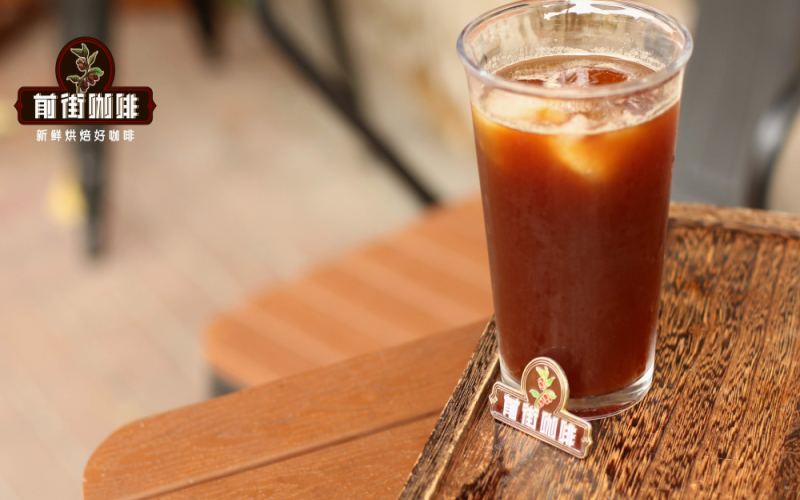
Espresso Black Coffee | What is a Long Black澳洲黑? What are the differences between a Long Black and a Lungo Americano black coffee?
Have you ever noticed that on coffee shop menus, Americano is often listed first and is also the most frequently ordered drink? As the coffee scene becomes increasingly competitive, people have started bringing lesser-known coffees from around the world onto their menus, such as Long Black, which looks very similar to Americano. Long [more…]

Definition of Espresso | What Are the Differences in Coffee Flavor and Mouthfeel Between Americano, Long Black, and Lungo? What Is the Lungo Long Black Americano Method?
There are many methods for brewing coffee, such as: French press, siphon, pour-over, espresso, cold brew, Americano, etc.; and there are also many names, especially in some regional variations. Next, Front Street will explain the differences between these types of coffee, which are also quite common. For example: Americano, Lo [more…]

Americano, Long Black, and Lungo: Flavor Differences Explained, Espresso Definitions, and Front Street Coffee Bean Recommendations
In the world of coffee, brewing methods are incredibly diverse, and names vary from place to place. Americano, Long Black, and Lungo often leave people utterly confused. Although all three use espresso as their base, they differ in the order of adding water, the water-to-coffee ratio, and extraction time, resulting in distinctly different taste experiences. This article, from the perspective of Front Street, sorts out the definitions and differences among these three black coffees, extends into the essence of espresso, and finally combines several of Front Street's espresso blends to help you find the cup that best suits your taste. Whether you prefer light and mild or rich and crema-heavy, you'll find your answer here. [more…]
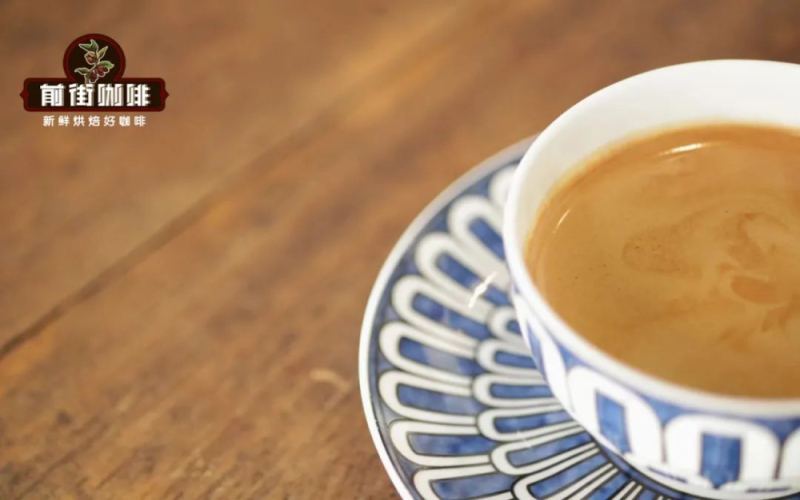
What Is the Difference Between a Long Black and an Americano? An Analysis of Long Black Preparation, Flavor Characteristics, and Iced Drink Issues
In today's world of increasingly rich coffee shop menus, Long Black coffee is gradually coming into the public eye. How exactly does it differ from the Americano we are all familiar with? Why do Australians prefer this stronger, smaller-cup black coffee? This article will start with the origins of Long Black, compare its differences from Americano in water ratio, preparation process, and flavor performance, and answer the question of whether Long Black can be served iced. At the same time, drawing on Front Street Coffee's store experience, it will introduce how to highlight flavors such as wine aroma, vanilla, and cream through blended beans and precise ratios, helping coffee lovers understand this Australian classic more comprehensively. [more…]

The Origin and Ratio of Flat White Explained: What Exactly Is the Difference Between a Flat White, a Fu Rui Bai, and a Latte?
Also espresso plus milk, but why does the Flat White stand on its own as a distinct style? Its birth actually hides a history of immigrants and local tastes rubbing against each other. From Italian coffee shops taking root in Australia after World War II, to Australians finding lattes too thick in milk foam and too weak in coffee flavor, the Flat White was born in response. It uses thinner microfoam, less milk, and even switches to a double ristretto as the base, letting the coffee flavor take center stage. This article sorts out the origins of the Flat White, how it differs from the latte and the fùruìbái, and the common 1:5 preparation ratio, helping you understand the ins and outs of this milk coffee in one go. [more…]
Americano, Long Black, Lungo, and Espresso: A Breakdown of the Methods, Ratios, and Flavor Differences of Four Italian-Style Black Coffees
They are all black coffee, yet Americano, Long Black, and Lungo are often lumped together; they all use Espresso as their base, but the order of adding water, the water-to-coffee ratio, and the extraction time all differ, ultimately producing distinctly different strengths and mouthfeels. This article will examine the differences between Americano, Long Black, Lungo, and Espresso from the angles of origin, preparation method, cup size, and flavor performance, and explain why Italian blend beans are often blends, as well as the different positioning of Front Street Coffee's four Italian-style coffee beans in terms of consistency, value for money, and flavor, helping coffee lovers choose according to their taste. [more…]

Flat White Coffee Making Tutorial | Which country did Australian White Coffee originate from? How much espresso should be extracted and how much milk should be added to make an Australian White Coffee?
Before making a cup of Flat White coffee, Front Street briefly introduces its definition and characteristics. Flat White, also known as Australian White coffee, Little White coffee, or Fu Rui Bai coffee, among other names, originated in Melbourne, Australia. After Italians introduced espresso to Australia in the 1980s, in order to adapt to [more…]

Luckin Australian White Espresso Shot Analysis: Flavor Differences Between Australian White and Latte, and Calorie Comparison
Luckin's Australian White, Starbucks' Flat White, and independent cafes' Flat White are actually the same drink, but different brands have their own variations in preparation parameters. Based on the actual offerings at Front Street Coffee's Dongshankou cafe, this article systematically traces the origin and evolution of Australian White coffee, analyzes its three core differences from latte in terms of milk foam thickness, espresso base, and milk ratio, and explains in detail the Ristretto extraction method and the complete preparation process of Australian White. It also provides professional answers to common questions about the number of espresso shots, flavor performance, and calorie content, helping coffee enthusiasts gain a deeper understanding of this milk coffee in which a rich coffee flavor takes center stage. [more…]

What Is the Ideal Cup Size for a Flat White? A Comprehensive Analysis from Milk Foam Thickness to Ristretto Extraction
Flat White is a highly popular espresso-based milk coffee in recent years, known for its thin microfoam and intense coffee flavor. Like a latte or cappuccino, it consists of espresso and fresh milk, but it places greater emphasis on the flavor of the coffee itself. Drawing on Front Street Coffee's production experience, this article provides a detailed explanation of the origins of the Flat White, the thickness of its microfoam, the extraction ratio of the Ristretto base, and how cup size affects the mouthfeel. At the same time, we also recreate the complete process of making a Flat White at a Front Street Coffee store and introduce the flavor performance of "Front Street Sunflower Warm Sun Blend Coffee Beans" in a Flat White, helping coffee enthusiasts fully understand the charm of this beverage. [more…]
Exploring New Zealand's Coffee Culture: Why Flat White Became World-Famous
New Zealand is not only famous for its wine; its coffee culture is equally captivating. Local travel itineraries often feature food and wine themes, and private guides can take you to find the best cafes in the city. If tourists are quite knowledgeable about coffee, travel agencies can even provide a detailed explanation of New Zealand coffee terminology. Among the many coffee varieties, flat white is widely recognized as a New Zealand invention, known for its lesser amount of milk and textured microfoam, and it has gained fame on the world coffee stage. Many New Zealanders and Australians go to major cities like London and New York to open cafes, which has indirectly promoted the popularity of flat white in the UK, the US, and elsewhere. Front Street Coffee believes that understanding the origin and characteristics of flat white is an important gateway to appreciating New Zealand's coffee culture. [more…]
Analysis of Flat White Coffee Milk Ratio and Bitterness: A Tutorial on Aurelio White Preparation Steps and Parameter Adjustment
Flat White, also known as Australian White or Fu Rui Bai, originated in Melbourne, Australia, and is renowned for its thin milk foam and rich coffee flavor. Like a latte or cappuccino, it consists of espresso and fresh milk, but it highlights the aroma of the coffee itself more, with the milk foam being only about 0.5 cm thick and level with the rim of the cup. This article provides a detailed analysis of the Flat White's origin controversy, milk foam thickness, Ristretto base extraction parameters, and milk ratio, and uses a 200 ml ceramic cup as an example to demonstrate the complete preparation process at Front Street Coffee stores, from grinding 20 grams of coffee and extracting 28–30 grams of Ristretto to adding 170 grams of hot milk, helping coffee enthusiasts master the core points of this beverage. [more…]

How Does Lungo, Long Black, and Americano Differ? A Full Analysis of Espresso Extraction Parameters
In the big family of espresso drinks, Americano, Latte, and Cappuccino have long been well-known classics. However, in recent years, Lungo and Long Black have gradually entered the spotlight of coffee enthusiasts; they are often mistaken for variations of Americano, but in fact each has its own distinct character. Lungo comes from Italian, meaning "long," and is made by extending the extraction to obtain more coffee liquid; Long Black is a favorite among Australians, preserving the crema by adding water first and espresso afterward, delivering a layered taste experience. This article takes Front Street Coffee's Sunflower Warm Sun blend as an example to break down in detail the flavor differences among these three coffees, and includes the standard extraction parameters for espresso, helping you understand their respective characteristics more clearly. [more…]

Flat White vs Latte Coffee Comparison | Why Is the Flat White So Popular? Why Is a Latte Larger Than a Flat White? What Are the Characteristics of the Flat White Method?
For more specialty coffee knowledge, please follow: Front Street Coffee (Frontsteet Coffee). Whether it's a large or small cup, with added water or milk, common coffee drinks like Americano, Latte, Flat White, Cappuccino... all use espresso as their base. Espresso is highly versatile, [more…]

Why exactly is Malaysian White Coffee called "white"? And what connection does it have with Australia's Flat White?
The name "white coffee" easily leads people to think it got its name because the coffee liquid is pale in color. But in Malaysia, white coffee is actually a fixed product made from a blend of Liberica, Arabica, and Robusta beans, deeply roasted and then processed into instant powder, sold in almost every small shop. The other kind of "white coffee" that we are more familiar with comes from Australia—there, coffee with milk added is collectively called White Coffee, and the most representative of these is the Flat White. This article will trace the origins and development of these two kinds of white coffee, and introduce the flavor characteristics and key production points of the Flat White. [more…]
Does the name "white coffee" come from its color? A look at the sweet flavors of Malaysian white coffee and Australian flat white
The name "white coffee" often leads people to mistakenly think it's because the color is whitish, but the truth is far more than that. This article starts with the blending process and instant nature of Malaysian white coffee, sorts out the naming origins of "black coffee" and "white coffee" in Australia, and focuses on the Flat White that is popular in specialty coffee shops. At the same time, it introduces how Front Street's classic espresso blend, through ristretto extraction, presents a unique taste that is aromatic, high in sweetness, full-bodied, and silky, bringing you a comprehensive understanding of why white coffee tastes sweeter and why it is so good. [more…]
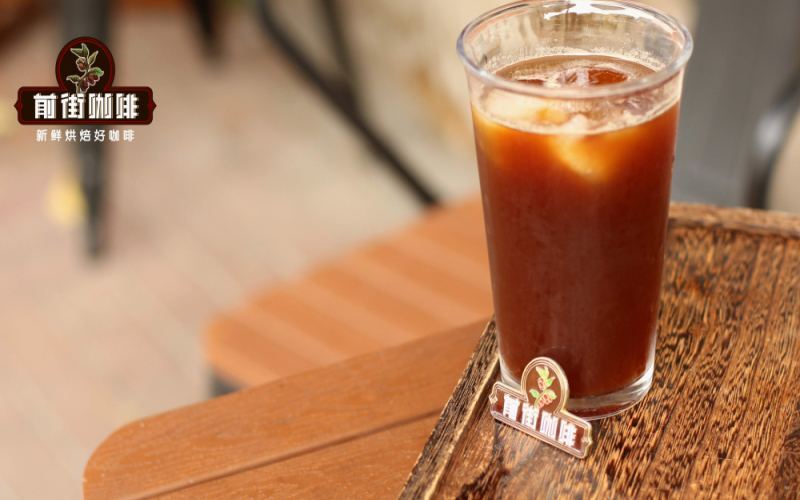
What is an Australian Long Black? How does it differ from Americano and Lungo in terms of serving characteristics?
On the menus of many cafés, Americano often appears first and is one of the most frequently ordered black coffees. As specialty coffee culture continues to deepen, some originally niche coffee types are being added to menus by more shops, among them the Long Black, which looks quite similar to an Americano. Long Black is often translated as Australian Black Coffee. It uses espresso as its base and, by adjusting the proportion of water added and the order of serving, presents a concentration and mouthfeel layering different from Americano. This article will sort out the origins and preparation methods of the Long Black, as well as its differences from Americano in water amount, concentration, and flavor expression. At the same time, combined with Front Street Coffee's approach to serving, it will help coffee lovers more clearly understand the respective styles of these black coffees. [more…]

The Core Difference Between Americano and Long Black: It's Not Just About the Order of Pouring Water
Many people believe that the difference between an Americano and a Long Black lies in whether you pour the water first or the espresso first—but is that really true? Starting from a conversation at a Front Street Coffee location, this article takes a deep dive into the essential differences between these two black coffees in terms of brewing logic, cup ratio, and flavor goals. The Americano originated from the need of American GIs during World War II to dilute espresso; it is flexible to make and can be served hot or iced. The Long Black, beloved by Australians, by contrast emphasizes pouring water first and espresso second, in order to preserve the crema and layers of flavor, with a smaller cup size and stricter ratios. Using Front Street Coffee's serving parameters as an example, the article also explains in concrete terms the practical differences among hot Americano, iced Americano, and Long Black in extraction yield, water temperature, and coffee-to-water ratio, helping coffee lovers truly understand these two black coffees that seem similar but each have their own particularities. [more…]