







Why is Ethiopia, a leading coffee bean producing country, struggling to export?
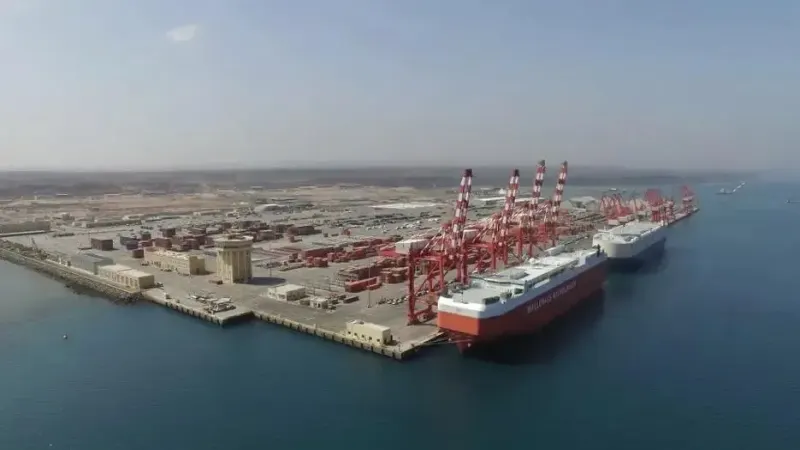
Ethiopia is landlocked and depends on Djibouti's port for coffee exports. Since the Red Sea crisis began, shipping giants have rerouted around the Cape of Good Hope, cutting vessel calls at Djibouti and leaving large quantities of coffee beans stranded. A turn to Somaliland's Port of Berbera stalled after opposition from Somalia's government, and domestic conflict persists.
In early May, the Houthis said attacks would extend to the Red Sea, Arabian Sea, Indian Ocean, and Mediterranean, targeting vessels trading with Israel regardless of flag or destination. That statement may push carriers to avoid the region or suspend services. Export volumes and revenues both fell in the first 10 months of the fiscal year, and traders are looking to other major coffee producing countries for supply.
As a landlocked country, Ethiopia has long relied on the ports of neighboring Djibouti for its coffee exports. However, the ongoing Red Sea crisis has made this lifeline increasingly precarious. Shipping giants have been rerouting around the Cape of Good Hope, the number of vessels docking at Djibouti's ports has plummeted, and large quantities of coffee beans are stranded at ports, unable to be shipped out. Ethiopia has attempted to turn to the Port of Berbera in Somaliland, but has found itself in a diplomatic deadlock due to opposition from the Somali government. Meanwhile, with domestic conflicts persisting, coffee traders and coffee hunters have been turning their attention to other African producing regions. Data shows that both coffee export volumes and revenues declined in the first 10 months of the current fiscal year. Front Street Coffee continues to follow the plight and trajectory of Ethiopian coffee, and this article will sort through the causes and consequences of this export crisis.
According to relevant reports, Ethiopia's coffee industry is currently facing an extremely difficult export predicament. As a landlocked country, Ethiopia has historically depended on the Port of Djibouti in neighboring Djibouti as its main channel for coffee exports.
However, the Port of Djibouti sits in a strategic position between the Red Sea and the Gulf of Aden, and the outbreak of the Red Sea crisis has hit it hard. Since the crisis emerged, major global shipping companies have decided one after another to reroute their vessels around the Cape of Good Hope, directly causing a sharp drop in the number of ships docking at the Port of Djibouti.
What is more severe is that tensions in the Red Sea region have recently been escalating further. In early May, the Houthis issued a new round of statements, declaring that they would expand the scope of their attacks to cover the Red Sea, the Arabian Sea, the Indian Ocean, and even the Mediterranean, targeting all vessels engaged in trade with Israel, regardless of flag or destination port.
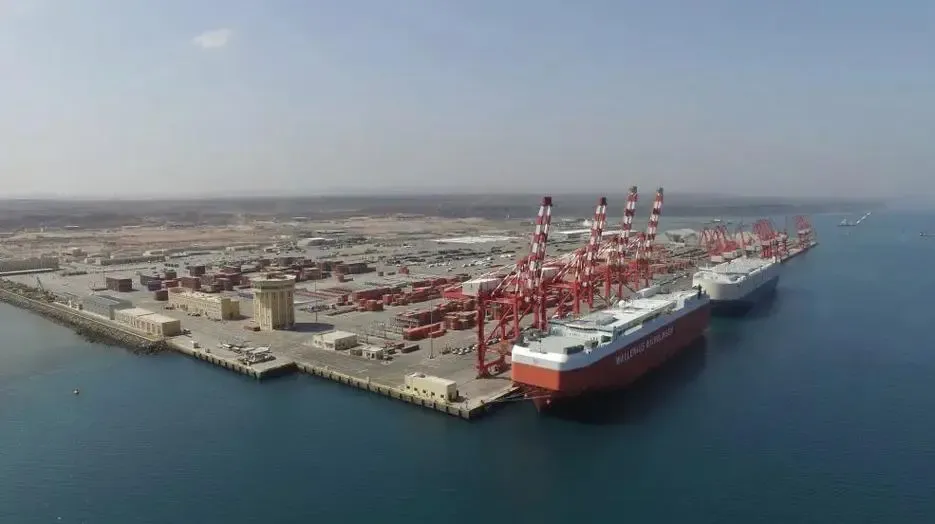
This statement may force shipping companies to avoid routes in the region, or even suspend related shipping services altogether. Ethiopia's coffee exports have therefore been severely affected. According to reports, due to the continued reduction in available vessels, a considerable quantity of coffee beans is currently piling up at the Port of Djibouti for lack of ships to transport them.
To cope with this situation, the Ethiopian government has had to seek alternative ports and has turned its attention to neighboring Somalia. Previously, Ethiopia signed a memorandum of understanding with the local government of Somaliland in northern Somalia, exchanging recognition of Somaliland's status as an independent state for the right to use the Port of Berbera.
But since the memorandum was signed in January, no substantive progress has been made. The Somali government regards the agreement as a violation of its national sovereignty, further heightening regional tensions. As a result, Ethiopia still cannot use the Port of Berbera stipulated in the agreement, and because the matter has worsened relations with Somalia, other Somali ports are also unavailable to Ethiopia, making the coffee export situation even worse.
However, recently Turkey's Ministry of Foreign Affairs stated that it had received diplomatic officials from Ethiopia and Somalia, that the three parties held candid, friendly, and forward-looking consultations over their differences, and that they jointly signed a joint statement. The parties are scheduled to hold a new round of talks in Ankara on September 2. Ministers from both Somalia and Ethiopia reiterated their commitment to resolving differences peacefully.
According to analysis by local Ethiopian exporters, although neighboring countries such as Eritrea and Sudan also have ports, these ports are likewise located in the Red Sea region and still cannot escape the impact of the Red Sea crisis. Kenya's Port of Mombasa is located at the southern end of Kenya, and traveling there from Ethiopia requires crossing the entire territory of Kenya; the journey is extremely long, which would likewise lengthen the export cycle and drive up costs.
According to data published by the Ethiopian Coffee and Tea Authority, in the first 10 months up to May of this year, Ethiopia exported a cumulative total of 209,000 tons of coffee, generating more than 1 billion US dollars in export earnings. But compared with 290,000 tons of exports and 1.7 billion US dollars in revenue in the same period last year, both indicators showed a clear decline.
At the same time, Ethiopia has recently been in a continuous state of conflict domestically, with abductions and clashes occurring one after another in the capital, Addis Ababa, and in multiple areas beyond the country's south. Affected by this, coffee traders and coffee hunters have recently reduced or even suspended trips to the country, shifting their attention instead to other African coffee-producing countries. This trend is quite unfavorable to the long-term development of Ethiopia's coffee industry, and it has also weakened the influence of Ethiopian coffee in the international market. Front Street Coffee will also continue to follow changes in the country's coffee export situation.
The above content is compiled by CoffeeHunters, a coffee news website.


