







How Do Asia's Robusta Coffee Beans and Arabicas Differ?
Asia's coffee belt sits along the equator, where sun and monsoon give beans herbal, spicy and full-bodied flavors with low acidity. The region spans Yemen's Mocha port trade, India's monsoon-processed beans, Indonesia's Mandheling, and Vietnam, the leading grower of robusta coffee beans.
Indonesia also produces Kopi Luwak, and the question of where does kopi luwak come from points to civet cats eating and passing coffee cherries before the beans are collected and cleaned. Arabica dominates Yemen and India, while Vietnam's volume rests on robusta, which shapes the region's strong, bitter-sweet cup.
The Asian coffee-producing regions straddle both sides of the equator, where abundant sunshine and humid monsoon conditions bestow upon coffee beans their distinctive herbal, spicy, and full-bodied flavors. From the legendary coffee trade that began at Yemen's Mocha port, to India's unique monsoon-processed beans, to Indonesia's Mandheling and Kopi Luwak, and to Vietnam's status as the world's leading producer of Robusta — the Asian coffee landscape is rich and diverse. This article will take you on a deep dive into the flavor characteristics, historical origins, and signature coffees of these regions, among which Front Street Golden Mandheling stands out as an unmissable presence in Asian specialty coffee.
The Land of the Sun
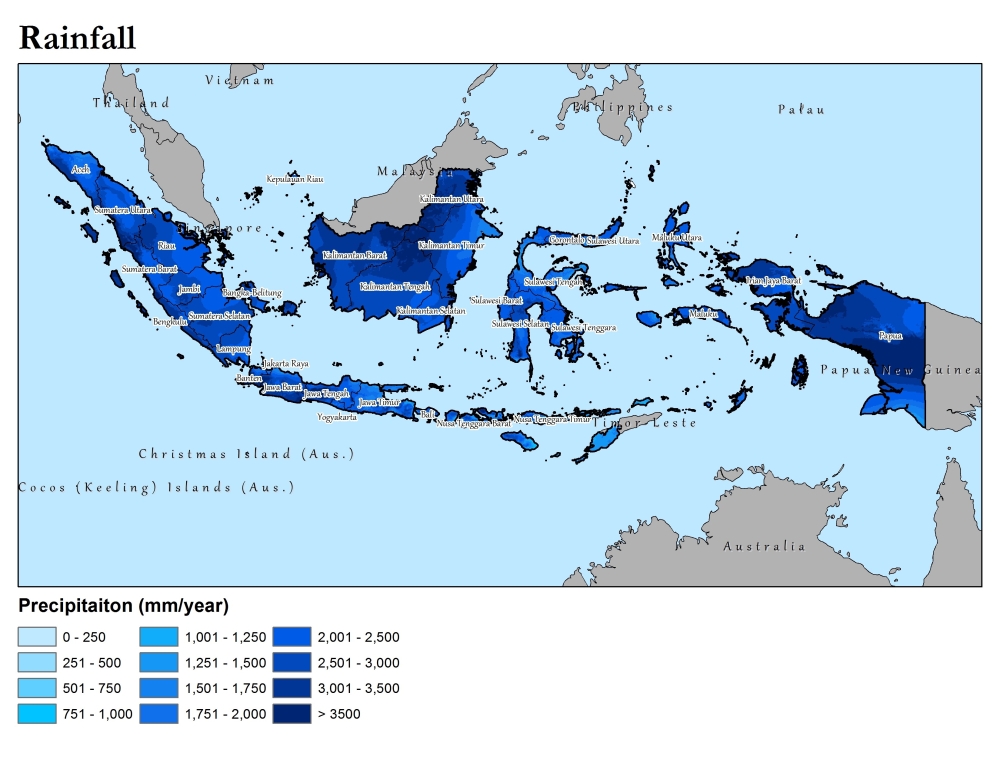
Asia often conjures images of brilliant sunshine, perhaps because it sits so close to the equator. Rice, spices, tropical fruits, and Buddhism — these are the typical symbols of Asia in our minds. And as it turns out, this impression aligns quite well with the style of Asian coffee. Terroir plays a decisive role in shaping coffee flavors, so coffee grown in Asia naturally bears the distinctive imprint of this land. Herbal, woody, spicy, malty, full-bodied and rich, with low acidity — these flavor characteristics are frequently found in Asian coffees.
Yemen
Anyone who loves coffee knows that it was first discovered in Ethiopia, Africa, but it was Yemen that truly spread it to the rest of the world. Around the early 17th century, Yemen's Mocha port was a thriving trade hub, and it was through this port that coffee was shipped to Europe, where it sparked a frenzy and made "Mocha coffee" famous far and wide. Most coffee produced in Yemen carries a spicy kick, fermented fruit aromas, and a complex mouthfeel.
Although the original "Mocha coffee" referred to coffee exported from Yemen's Mocha port, today the name more often refers to a type of flavored espresso drink — coffee combined with bitter cocoa and mixed with milk. This bitter-tinged flavored coffee closely resembles the flavor of the "Mocha" exported from Yemen, so it too has retained the name Mocha.
India
Indian coffee shares a deep connection with Yemeni coffee. Legend has it that a missionary named Baba Budan smuggled seven coffee beans out of Yemen and planted them in India, marking the beginning of coffee cultivation there. To honor him, a mountain in southwestern India was named "Baba Budan." Coffee produced in India is characterized by low acidity, a spicy quality, full body, and a sweet aftertaste.
India's coffee-growing regions are concentrated in three coastal provinces in the southwest: Kerala, Karnataka, and Tamil Nadu. India is perpetually swept by monsoon winds, and the warm, humid sea breezes profoundly influence the flavor of the coffee, giving rise to India's unique "monsooned beans." Monsooned beans are made by transporting preliminarily processed green coffee beans to coastal monsoon warehouses, where they slowly dry under the influence of the southwest monsoon. Throughout the process, the beans must be constantly turned to ensure even drying. Once drying is complete, the beans swell to twice their original size — this is the world's one-of-a-kind Indian monsooned bean.
Indonesia
Indonesia is home to numerous coffee-producing regions, including Sumatra, Java, Sulawesi, Flores, and Bali. Due to environmental conditions, Indonesia predominantly uses the semi-washed processing method. Coffee processed this way has a heavy body, low acidity, and a bitter note, with detectable woody, herbal, and spicy flavors.
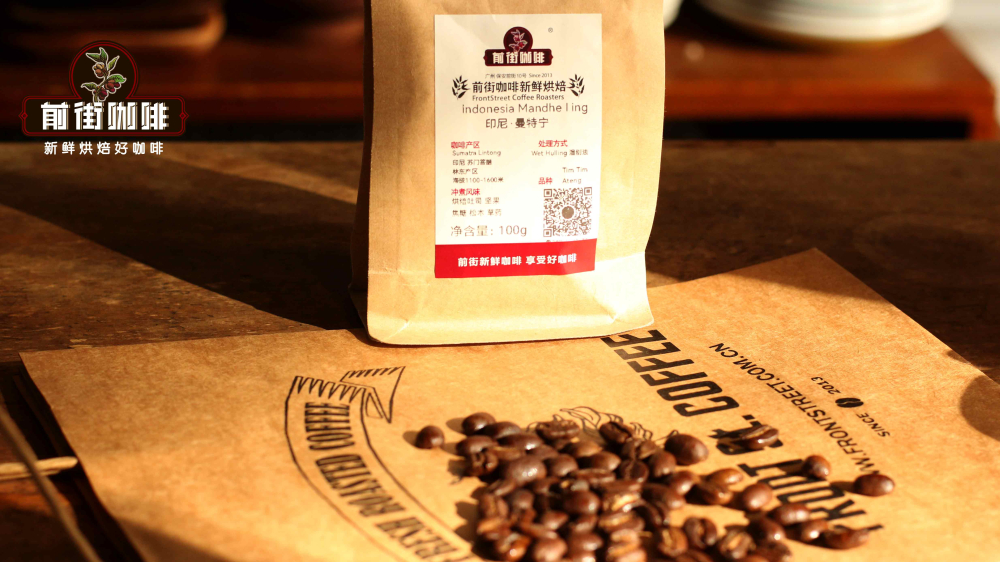
When speaking of Indonesia, one must mention "Front Street Mandheling Coffee" — and behind it lies a beautiful misunderstanding. During World War II, Japan occupied Indonesia. A Japanese soldier drank an exceptionally delicious cup of coffee in a café in Sumatra and wanted to ask the owner what coffee it was. Due to the language barrier, the owner mistook the soldier's question for asking where he was from, and replied: "Mandheling." The Japanese soldier then assumed the coffee in his hands was called "Mandheling," and from that point on, Sumatran coffee had a new name — "Mandheling."
In fact, due to differences in production methods, Mandheling comes in many classifications, and among them, Front Street Golden Mandheling is arguably one of Asia's most renowned specialty coffees. Front Street Golden Mandheling undergoes three rounds of manual sorting plus one round of mechanical sorting during production, resulting in beans that are uniform and lustrous. After medium-dark roasting, the beans are plump and large, with intense aromas of spices, caramel, cedarwood, and dark chocolate. The coffee extracted with a moka pot has a rich, full-bodied mouthfeel with abundant oils — perfect for those who prefer coffee without acidity.
In addition, Indonesia has a very special coffee — Kopi Luwak. This is an extremely unique coffee with very limited production. As mentioned earlier, Indonesian coffee carries a bitter note, but Kopi Luwak consists of coffee beans that have been eaten and excreted by civet cats. Because the bacteria in the civet's digestive tract can reduce the bitterness of the coffee and transform it into a rounded "sweetness," the coffee becomes rich and mellow. This mellow charm has captivated many and drawn crowds of enthusiasts, making it a dazzling star in the coffee world — and naturally, the price is steep, selling for three to four times that of ordinary coffee beans.
Vietnam
The world's largest coffee producer is Brazil, and the second is Vietnam in Asia! Vietnam's annual output is staggering, primarily growing Robusta coffee beans, making it the world's leading producer of Robusta. Coffee exports account for roughly 3% of Vietnam's GDP each year, and in 2015, total coffee exports accounted for 19.2% of global exports that year. This has also attracted many international coffee brands specializing in instant coffee to establish a presence there, and the coffee industry can be considered one of the important pillars supporting Vietnam's economy. Most coffee beans grown in Vietnam carry woody notes and low sweetness, sometimes described as having a flat, smooth, or muddled flavor profile.
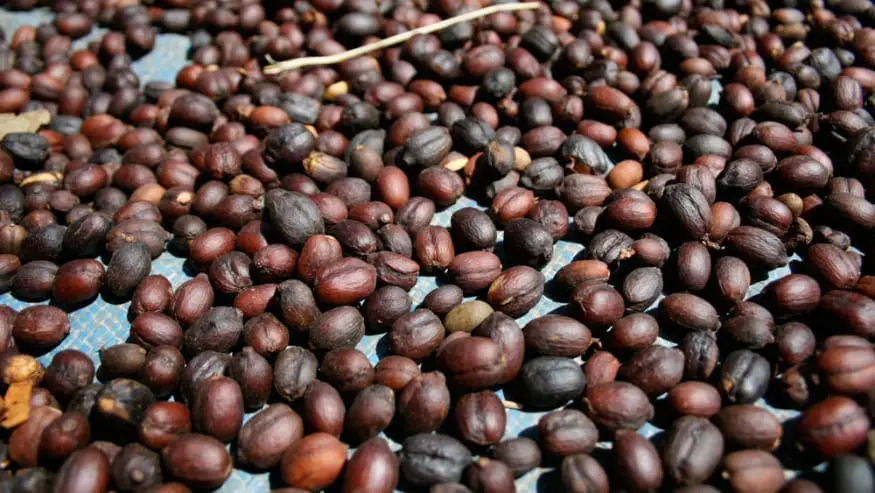
Robusta and Arabica are the two most common coffee varieties. Compared to Arabica, Robusta is more heat-tolerant and pest-resistant, and can be grown on flat land, resulting in lower production costs and fewer technical requirements. Robusta beans have a flavor that is not only more intense and bitter with less layered acidity compared to Arabica, but also higher in caffeine content. That is why Robusta beans are often added to espresso blends as a rich base, then combined with Arabica beans to enhance the upfront aroma and acidity.
The above content is compiled by CoffeeHunters, a coffee news website.


