







Search Results for: Huila Volcano
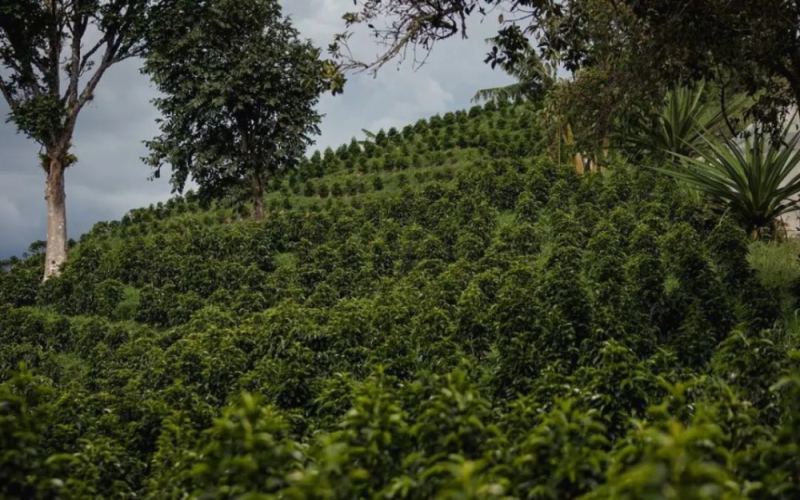
Colombia Huila Volcano Region Coffee Guide: Estate Growing Features, Caturra Variety Flavor, and Washed Processing Method Explained
Colombian coffee has long held an important place on the specialty coffee stage, thanks to its long history of cultivation and its superior terroir spanning the Andes. Among its regions, Huila has frequently appeared on various green bean competition lists since the 21st century and received official designation of origin certification in 2013. This article will examine the growing environment around the Huila volcano, the smallholder production model, the characteristics of the Caturra variety, and the washed processing workflow. It will also share how Front Street Coffee selects everyday beans and the specific approach and parameters for brewing medium-dark roasted Huila coffee with a KONO dripper, giving you a comprehensive understanding of the flavor foundation of this classic region. [more…]
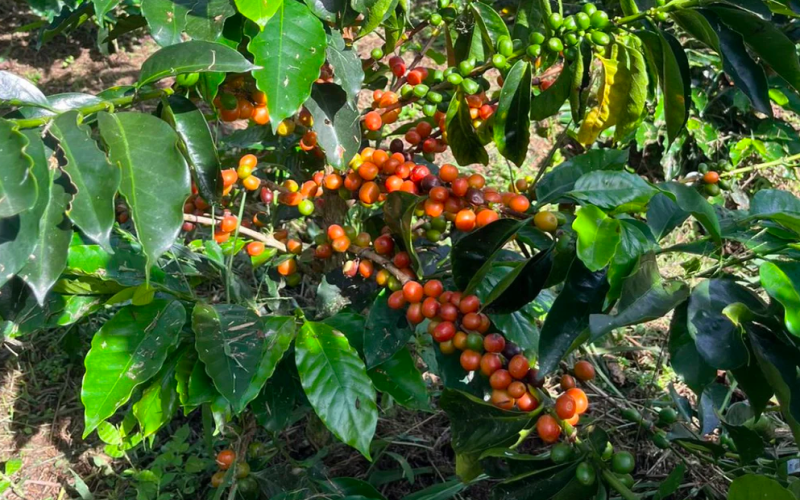
Colombian Coffee Taste Analysis: Flavor Characteristics of the Huila Volcano Region and Front Street Coffee Daily Bean Brewing Suggestions
Is Colombian coffee more on the acidic side or the bitter side? There is no single answer to this question, because the country's growing regions differ significantly in flavor due to varying geographical conditions and processing methods. Specialty coffee is mainly concentrated in the south, where the Huila region has drawn considerable attention in recent years, combining a nutty-chocolate base with bright fruity acidity—regarded by Front Street Coffee as Colombia's signature "calling card" flavor. This article starts from Huila's volcanic soil, its micro-farm model, and its washed processing workflow to analyze the origins of its flavor, and also shares the roasting approach, cupping performance, and KONO dripper brewing parameters for Front Street Coffee's Colombian everyday drinking beans, helping you gain a more complete understanding of this classic growing region. [more…]
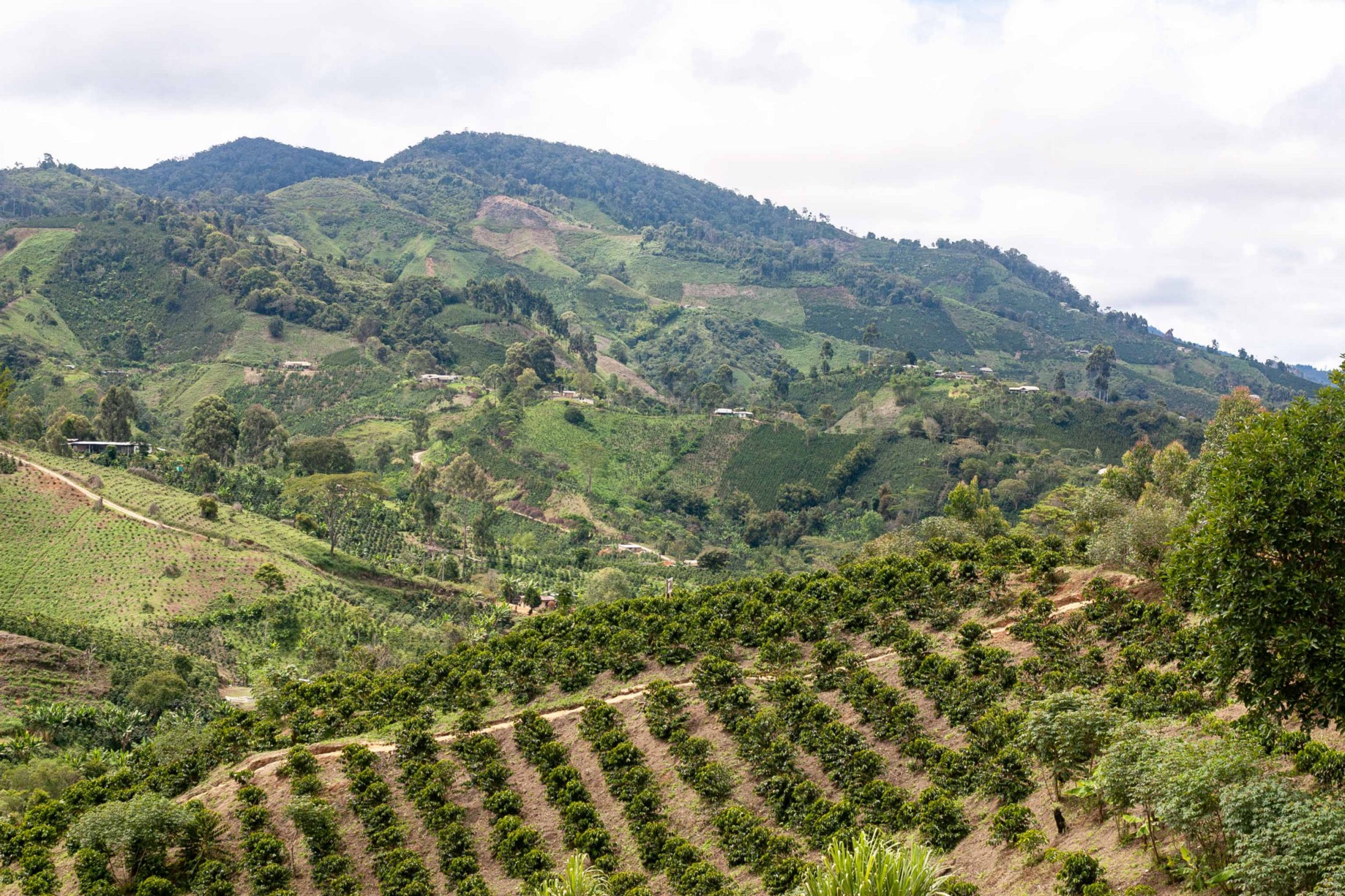
Colombian Coffee Beans | Introduction to Major Coffee Producing Regions and Flavor Characteristics of Colombia Medellín and Huila
For more specialty coffee knowledge, please follow: Front Street Coffee (Frontsteet Coffee) Today, Colombia is the world's second-largest producer of Arabica coffee beans. Colombian coffee is renowned for its unique flavor and the mild yet rich aroma that every cup exudes. [more…]
A Panoramic Guide to Colombia's Coffee Regions: Flavor Codes and Variety Characteristics from Huila to Nariño
As the world's second-largest Arabica coffee producer, Colombia—with the volcanic soils and diverse microclimates of the Andes Mountains—nurtures a balanced, mellow coffee flavor. This article systematically reviews the history of Colombian coffee cultivation, its geographical advantages, and its main producing regions—Cauca, Tolima, Huila, Nariño, Caldas, and Santander—analyzing the characteristics and flavor differences of each region, and also provides a detailed introduction to the Huila washed beans selected by Front Street Coffee along with brewing recommendations, offering coffee lovers a complete guide to Colombian coffee. [more…]
Colombian Hula Volcano Smallholder Coffee Brand Recommendation | Origin, Variety, Processing Method, and Front Street Brewing Analysis
Colombia, with the diverse terroirs of the Andes Mountains, has become the world's third-largest coffee exporter and the country with the highest export volume of Arabica beans. The Huila volcanic region is known for organic farming and fruity flavor profiles, where smallholder cooperatives at altitudes of 1,400 to 2,000 meters cultivate citrus, grapefruit, and chocolate-like sweet-and-tart flavors. This article systematically reviews Colombia's main producing regions, coffee varieties, washed processing methods, and grading system, and highlights the Colombian beans sold by Front Street Coffee (FrontStreet Coffee), including Rose Valley, Flower Moon Night, and Hanami Geisha Blend, and finally provides cupping and three-stage brewing parameters to help coffee lovers gain a comprehensive understanding of the charm of Colombian coffee, from flavor perception to practical extraction. [more…]
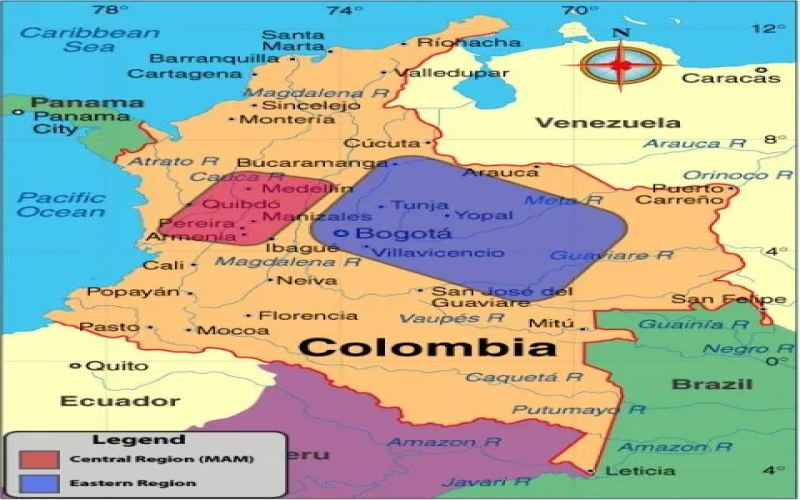
Central American Coffee Beans | Which regions in Colombia produce specialty coffee? What does the MAM designation mean? What are the flavor characteristics of washed beans from the Huila region?
Colombia is the world's second-largest producer of Arabica coffee beans after Brazil. Everyone is well acquainted with the chocolate-like flavor characteristic of Colombian coffee beans. Everyone also knows that coffee originated in Ethiopia—so if no one had brought coffee seeds or coffee saplings to Colombia, how could this [more…]
Overview of Colombian Specialty Coffee Regions: Terroir and Flavor from Huila to Tolima
Colombia, with the high altitudes, volcanic soils, and diverse microclimates of the Andes, has become the world's third-largest coffee-producing country. Among the country's 15 province-based growing regions, Huila is the most famous, while Tolima has risen to become the third-largest producing region. This article will review the geographical advantages of Colombian coffee, focusing on the terroir characteristics of Huila and Tolima, and also mention Front Street Coffee's everyday drinking bean series. [more…]
A Comprehensive Analysis of Colombian Huila Specialty Coffee Beans: From Origin Certification to Front Street Coffee's Washed and Blend Recommendations
Huila is Colombia's most representative specialty coffee region. Since the 21st century, it has frequently appeared in various green bean competitions and achieved outstanding results, and in 2013 it even obtained official designation of origin certification. This land, located on the slopes of the Andes and adjacent to Nevado del Huila, with soil nourished by volcanic ash, abundant rainfall, and suitable temperatures, allows coffee trees to grow at high altitudes exceeding 2,000 meters, producing coffee with bright acidity and chocolate aromas. Local production is mainly by smallholder farmers, combined with shade tree management and meticulous washed processing, preserving the coffee's own flavor characteristics to the greatest extent. If you want to experience Colombian coffee for the first time, Front Street Washed Huila can present rich aromatic substances and a charming mellow sweetness; while Front Street No. 2 Blend Coffee Beans—Front Street Specialty Blend—combines the classic pairing of Brazil and Colombia, bringing a nutty aroma and a balanced, smooth espresso experience. [more…]
Why Has Colombia's Huila Region Become a Hot Source for Specialty Coffee? A Comprehensive Analysis from Terroir to Flavor
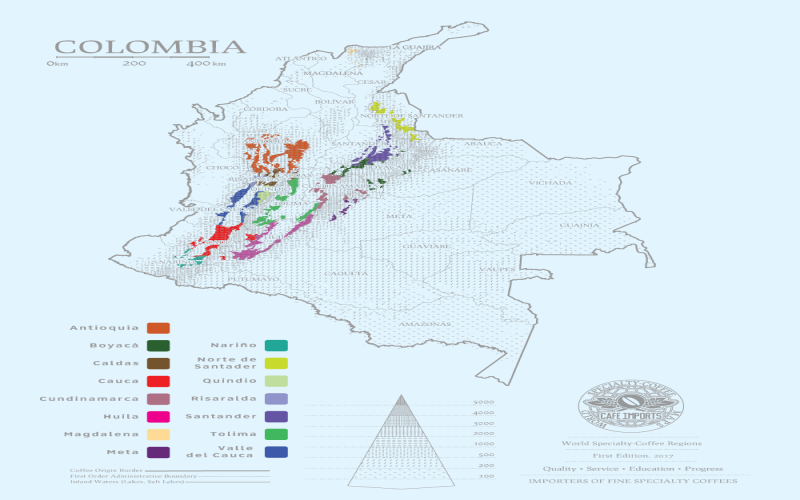
Colombia, as the world's third-largest coffee-producing country, has 15 coffee regions, among which Huila has attracted considerable attention in the specialty coffee market in recent years. Huila is located in the valley between the eastern and central mountain ranges, with volcanic soil, a mild climate, and abundant water resources. Coffee is grown at altitudes above 1,500 meters, producing coffee with consistent quality and full-bodied flavor. From an obscure agricultural area to the axis of the new coffee triangle, Huila has repeatedly won COE awards thanks to its high yield and excellent quality, winning consumers over with nutty, chocolate, and caramel flavors and pleasant fruit acidity. Front Street Coffee's daily drinking bean series also includes a washed Caturra from this region, presenting notes of dark chocolate and caramel. [more…]
The Terroir and Grading Standards of Colombian Coffee: From the Andes Mountains to the Huila Region
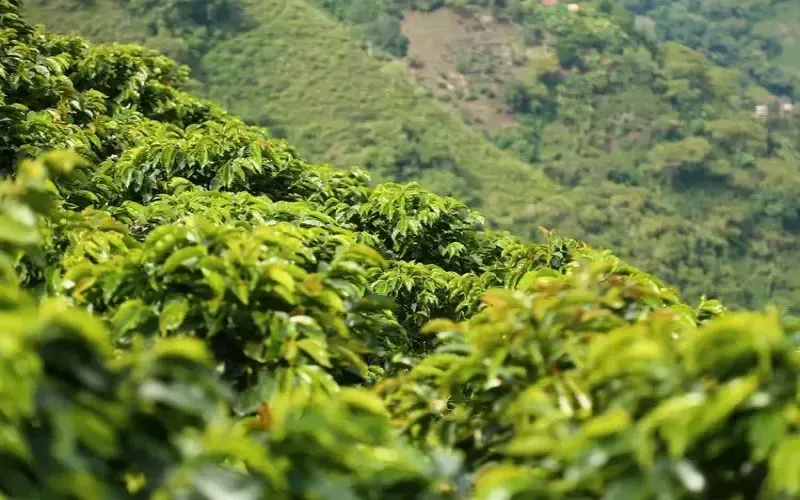
Colombia is the world's third-largest coffee exporter. Thanks to the high altitudes of the Andes, volcanic-rich soil, and diverse climates, it produces Arabica coffee of consistently high and balanced quality. This article will introduce you to the distribution of Colombia's coffee-growing regions, the terroir advantages of Huila Province, and the Excelso grading standard for export-grade green beans. It will also cover the flavor profile of the Huila Caturra washed beans in Front Street Coffee's everyday drinking series, so you can experience the distinctive chocolate notes and bright fruity acidity of Colombian coffee. [more…]
A Complete Guide to Colombian Coffee Bean Grades and Regional Flavors: From MAM to Huila
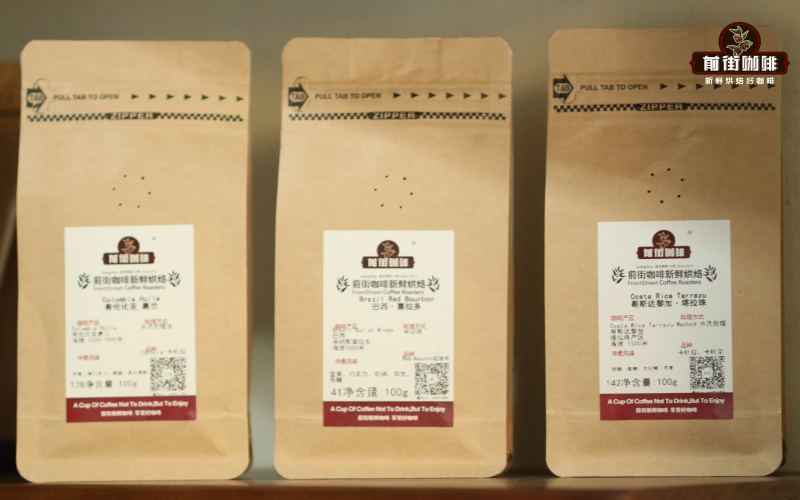
Colombia is the world's second-largest producer of Arabica coffee, and its coffee is deeply associated with chocolate notes. This article begins with the history of cultivation, tracing the commercialization process and the establishment of the export logistics system, then analyzes the three major commercial production regions behind the MAM mark commonly seen in supermarkets, as well as the terroir characteristics of southern specialty regions such as Antioquia, Boyacá, Cauca, Huila, Narino, Santander, and Tolima. The article focuses in particular on the Huila region, explaining its journey to becoming a certified region of origin, and shares Front Street Coffee's brewing recipe for Colombian Huila coffee beans, including dripper selection, water temperature, coffee-to-water ratio, and a three-stage pouring technique. [more…]
Colombia coffee | What does MAM refer to in Colombian coffee origins? What flavor and mouthfeel characteristics do Colombian specialty coffees have?
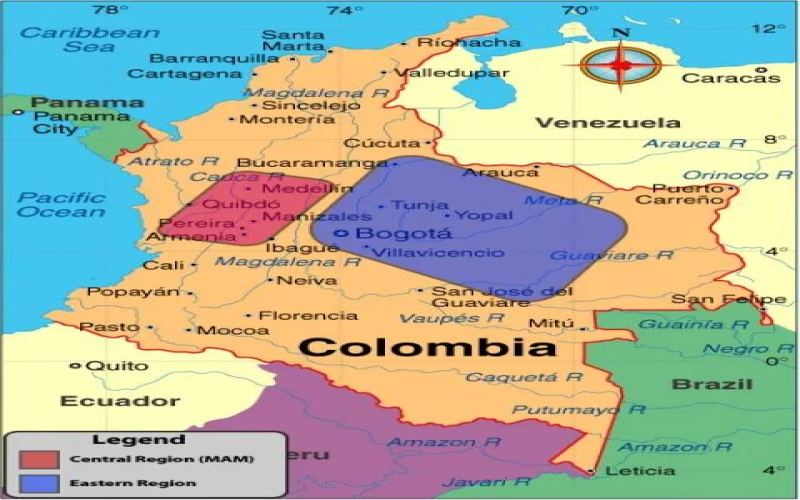
Colombia is the world's second-largest producer of Arabica coffee beans after Brazil. Everyone is familiar with the chocolatey flavor that characterizes Colombian coffee beans. We also all know that coffee originated in Ethiopia—so if no one had brought coffee seeds or coffee saplings to Colombia, how could this [more…]
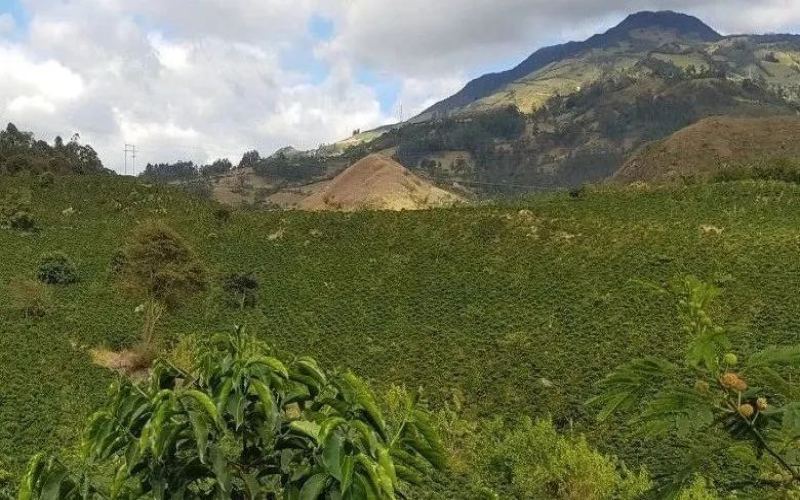
An Analysis of the Coffee Characteristics of Colombia's Nariño Region and the Development History of the Obraje Estate
South America occupies a pivotal position in the global coffee supply, and within it, Colombia—thanks to the unique geographical and climatic conditions of the Andes—has given rise to numerous coffee-growing regions with strikingly different styles. As a rising star, the Nariño department is renowned for its complex flavors and floral aromas, while the Obraje estate is a pioneer and benchmark in this region. This article will guide you through the distribution characteristics of Colombia's coffee-growing regions, focus on analyzing the terroir advantages of the Nariño region, and review the Obraje estate's transformation from grain cultivation to COE champion. At the same time, we will also mention the Huila region representative from Front Street Coffee's everyday beans series for daily tasting reference. [more…]

Pour-Over Specialty Coffee Bean Recommendations | Which Coffee Beans Are Suitable for Pour-Over Beginners? Ethiopia Yirgacheffe, Colombia Huila, Brazil Red Bourbon — Which Makes the Best Pour-Over Black Coffee?
For more specialty coffee knowledge, please follow our WeChat official account: Front Street Coffee (FrontStreet Coffee). As more and more people in China have developed the habit of drinking coffee, many friends have also begun to actively learn about coffee brewing, wanting to make a cup of coffee themselves. This article [more…]
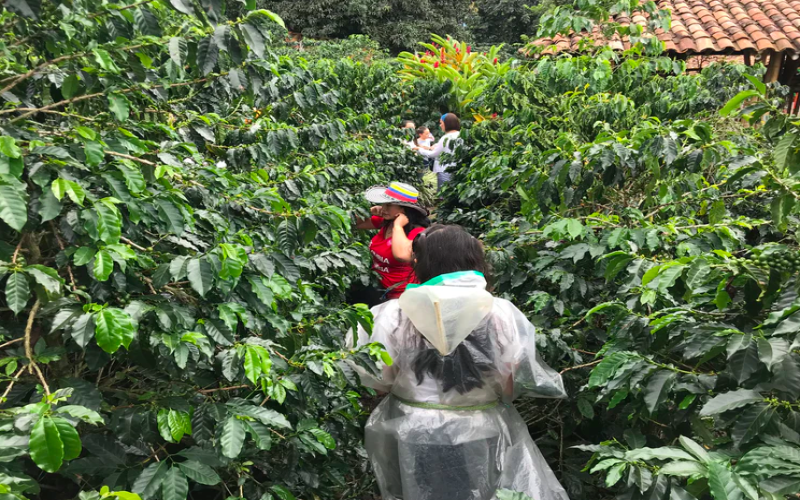
A Detailed Guide to Colombian Coffee Regions and Grading System: From Supremo to Huila Specialty Flavor
Colombia, with the mild climate of the Andes, abundant rainfall, and volcanic ash soil, has become an important producer of high-quality Arabica coffee worldwide. Coffee within the country is graded by bean size: beans above 17 mesh are classified as Supremo specialty grade, while 14–16.5 mesh is commercial Excelso. Beans from the central MAM region are smaller, with pronounced fruit acidity but weaker complexity and body; the southern provinces of Huila, Cauca, and Nariño, at altitudes above 1,500 meters, produce large beans with refined acidity, berry sweetness, and a caramel finish. All Colombian beans from Front Street Coffee are sourced from the south, with the Huila region being especially favored. This article will systematically outline the grading logic and regional differences of Colombian coffee, and include the specific brewing parameters for Front Street Huila Caturra. [more…]
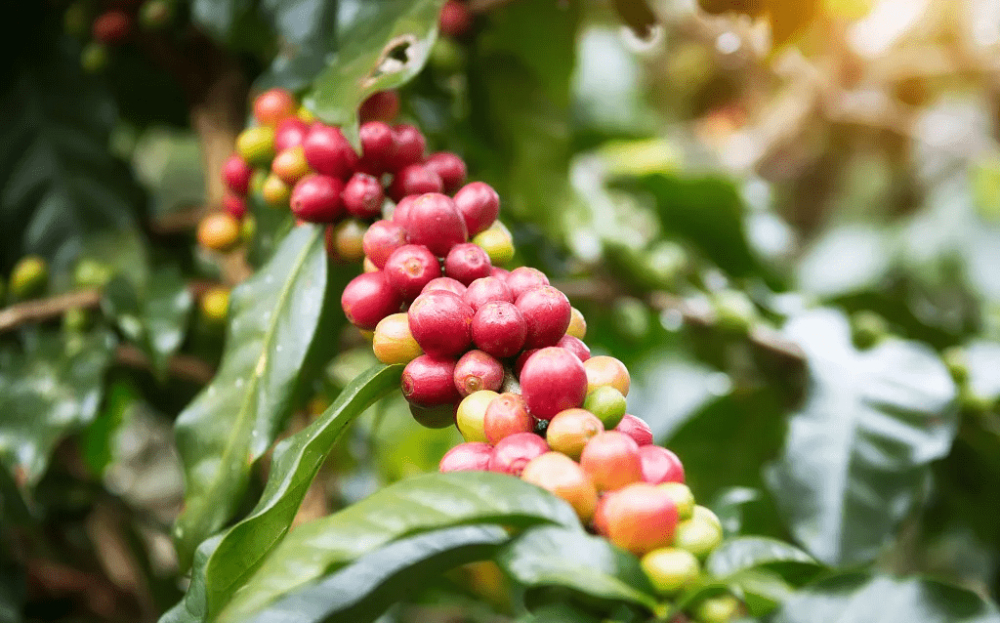
Colombian Coffee Prices | What Do Huila Washed Coffee Beans Taste Like? How to Brew Colombian Washed Pour-Over Black Coffee?
For more specialty coffee knowledge, please follow: Front Street Coffee (Frontsteet Coffee) Colombia has a very long history of coffee cultivation, and its superior geographical and climatic conditions provide a unique innate environment for coffee tree growth, with coffee-producing regions spanning the entire Andes Mountains within the country. Speaking of [more…]
A Complete Guide to Colombian Specialty Coffee Regions: From Grading Standards to Huila Flavor and Pour-Over Parameters
Colombia, supported by the mild climate of the Andes, abundant rainfall, and fertile soil nourished by active volcanoes, has become a key origin for specialty coffee worldwide. Although only Arabica varieties are grown within its borders, the bean size and flavor differ significantly from region to region, giving rise to grading systems such as Supremo, Excelso, and Extrac. The MAM production area in the central and northern regions offers bright fruit acidity but slightly less complexity, while southern provinces such as Huila, Cauca, and Nariño, due to their high altitude and thick volcanic ash, produce plump beans with refined flavors, highlighted by berry-like sweet acidity and a caramel finish, making them the core source of specialty beans. Front Street Coffee's Colombian beans for sale are all sourced from the south, with Huila as the representative, using medium-dark roasting and washed Caturra, paired with a three-stage V60 pour-over, to present a clean and full-bodied cup. [more…]
Colombia Huila Coffee Guide: Volcanic Farm Terroir, Caturra Variety, and Washed Processing Explained
Colombia's Huila region, with the volcanic soils and high-altitude climate of the Andes Mountains, has become a star origin in the specialty coffee world. This article, from the bean-sourcing perspective of Front Street Coffee, systematically reviews Huila's geographical advantages, its smallholder farming model, the washed processing workflow, and the characteristics of the Caturra variety, and also shares in detail a KONO dripper pour-over recipe for a medium-dark roasted Huila everyday drinking coffee. Whether you want to understand the original flavors of Colombian coffee or are looking for a rich, full-bodied everyday cup, this article offers a complete reference. [more…]
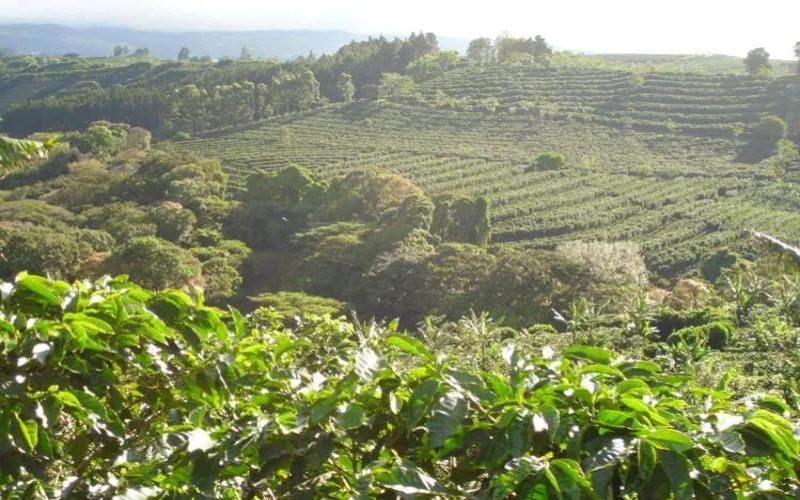
Why Are Colombian Coffee Flavors So Diverse? A Detailed Analysis of the Characteristics of Washed Caturra from the Huila Region
Colombian coffee has long been celebrated for its rich, nutty and chocolatey aromas, while striking a delicate balance between bright fruity acidity and sweetness. As the world's third-largest coffee producer, Colombia owes its remarkably diverse flavor profiles to the high altitudes of the Andes, varied microclimates, and a wealth of cultivated varieties. From the early days when production centered on the north-central regions, to today's shift of the specialty coffee heartland southward to Huila, Cauca, and Nariño, Colombia's coffee map has continued to evolve. This article will walk you through why the Huila region is able to produce outstanding coffee, how washed processing restores the bean's true flavors, and how the washed Caturra in Front Street Coffee's entry-level selection actually performs. [more…]
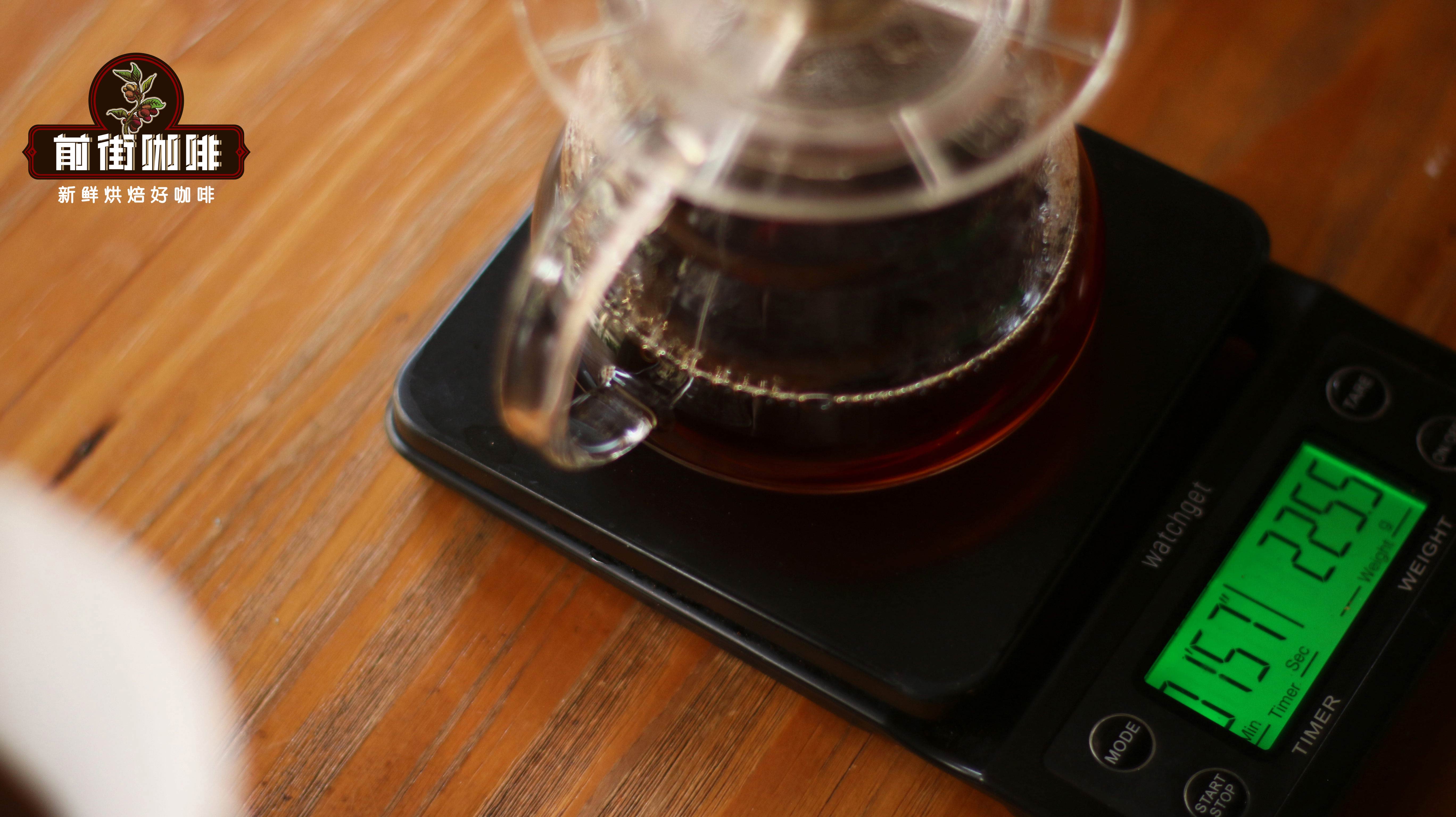
Sharing the Five Major Pour-Over Coffee Techniques | Does the Pouring Technique Affect Coffee Extraction? Flavor Comparison and Differences of Pour-Over Coffee Using the Three-Stage Volcano Pour Stirring Method
Compared to other single-origin coffees, pour-over coffee has a great many brewing methods. For example: one-pour, three-stage, volcano pour, variable-temperature brewing, stirring, and so on. Today let's get to know some of the brewing methods that commonly appear in pour-over coffee~ 1. One-pour The one-pour method and the single-pour method are still [more…]