







For more specialty coffee knowledge, please follow: Front Street Coffee (Frontsteet Coffee)
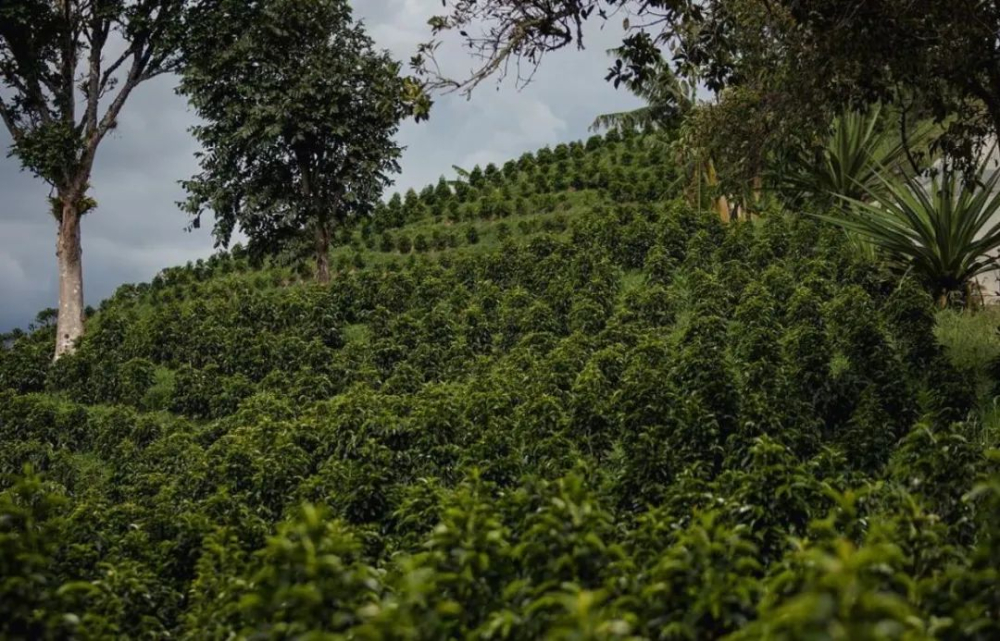
Colombia has a very long history of coffee cultivation. Its superior geographical and climatic conditions provide an unparalleled innate environment for coffee tree growth, and its coffee-producing regions span the entire Andes mountain range within the country. When it comes to specialty coffee, Front Street must mention the Huila region, which frequently appears in various competitions; Front Street's Colombian everyday beans are selected from here.
Huila(Huila)
The Huila region rose to fame after entering the 21st century, as it frequently appeared on the award lists of various green bean competitions and obtained official designation of origin certification in 2013. The name of the Huila region comes from Huila Province, located in southwestern Colombia on the side of the Andes, near the Huila Volcano. Volcanic ash from eruptions adds fresh nutrients to the soil, especially benefiting the growth of coffee trees. Compared with other producing regions, Huila has year-round rain and suitable temperatures. Such growing conditions allow coffee trees to be planted even at elevations exceeding 2,000 meters, and coffee produced at high altitudes carries bright acidity and chocolate aromas.
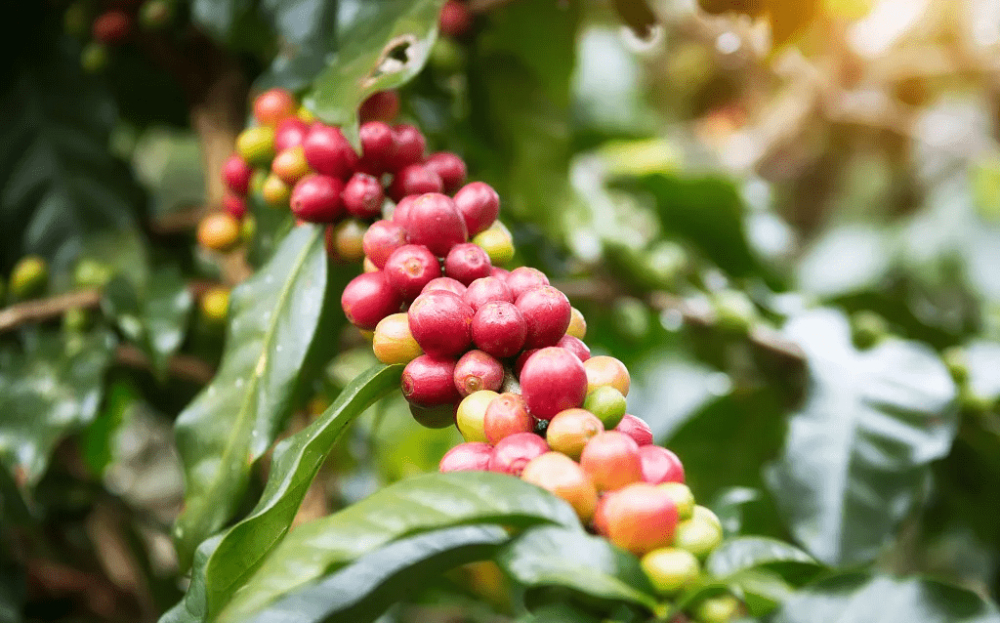
Huila coffee is mainly produced by smallholders, with local farms usually under 1.5 hectares. Managers plant shade trees to provide a better growing environment and quality assurance for the coffee. Whenever the coffee cherries ripen, Colombians select the ripest and fullest coffee cherries for picking and carry out post-processing at the freshest stage, ensuring the freshness of the coffee at every step.
Washed Huila coffee
Many Colombian coffees seen on the market today use special processing methods, presenting very vivid aromas. Front Street believes these coffees also taste very good, but if you want to taste the most original aroma of Colombian coffee, Front Street recommends first trying the two natural processing methods: washed and sun-dried.
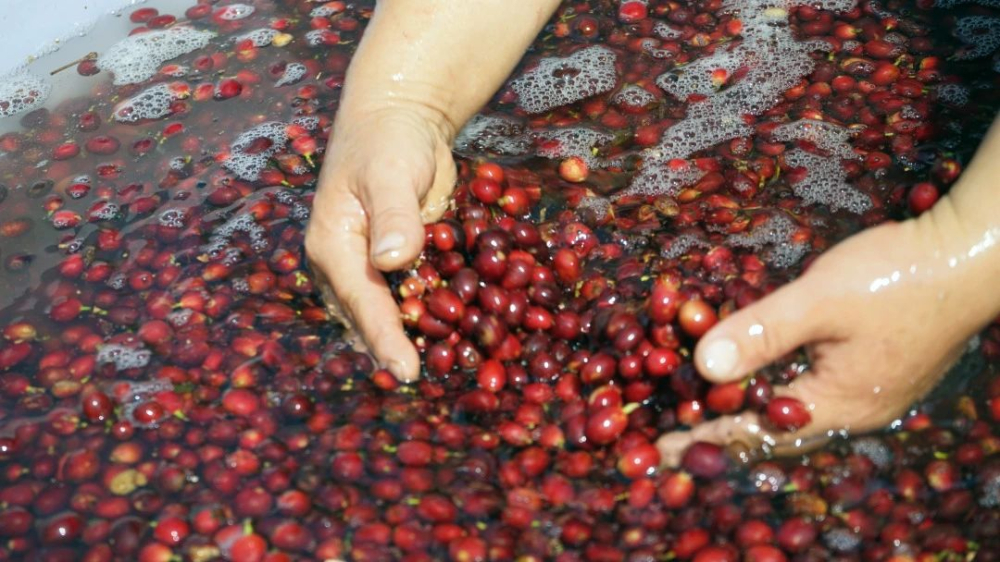
Colombia is rich in water resources, making it very suitable for washed processing. Family-based farms are equipped with specially made green bean processing machines (Ecomill or Eco-Pulper). Farmers pour the harvested coffee cherries into them, which not only removes the skin and pulp, but also requires only a very small amount of water to remove most of the mucilage. The parchment beans with a small amount of residual mucilage then enter a small tank or container, possibly a tiled tank, and are left overnight to ferment, loosening the remaining mucilage. The next day they are rinsed clean with clear water, and finally spread out under the sun to dry to the target moisture content.
Washed processing not only ensures the high quality of the coffee, but also allows Huila coffee to present its own most intrinsic flavor characteristics. This is also why Front Street prioritizes washed batches when selecting everyday beans. The coffee variety is Caturra, which is widely grown locally.
Caturra
Colombia grows many coffee varieties, most of which are traditional Arabica types, such as Caturra, Bourbon, Typica, and Pacamara. Of course, there are also some popular rare varieties, such as Geisha, which has appeared on the market in small batches in recent years.
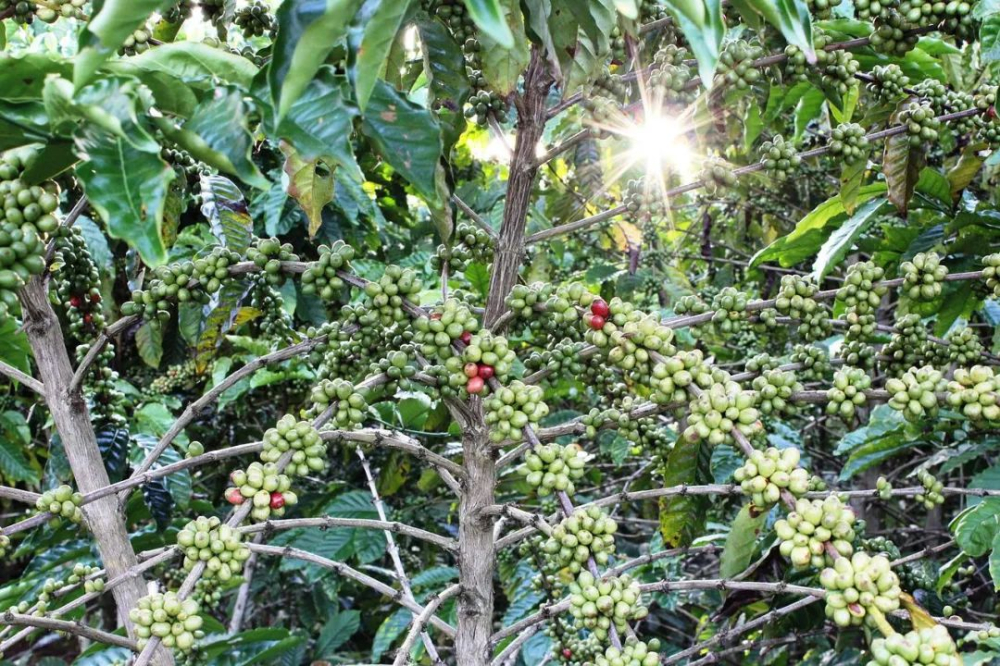
Caturra is a natural mutation of Bourbon, discovered in Brazil in 1937. Because of its high yield and relatively good disease resistance, it is very suitable for large-scale cultivation. The Caturra plant is relatively short, making harvesting convenient, and it can remain vigorous even when exposed to full sun, so farmers call it Sun Coffee. Caturra is suitable for planting from low elevations of 700 meters to high elevations of 1,700 meters, with strong adaptability to altitude, but the higher the altitude, the better the flavor, while productivity relatively decreases.
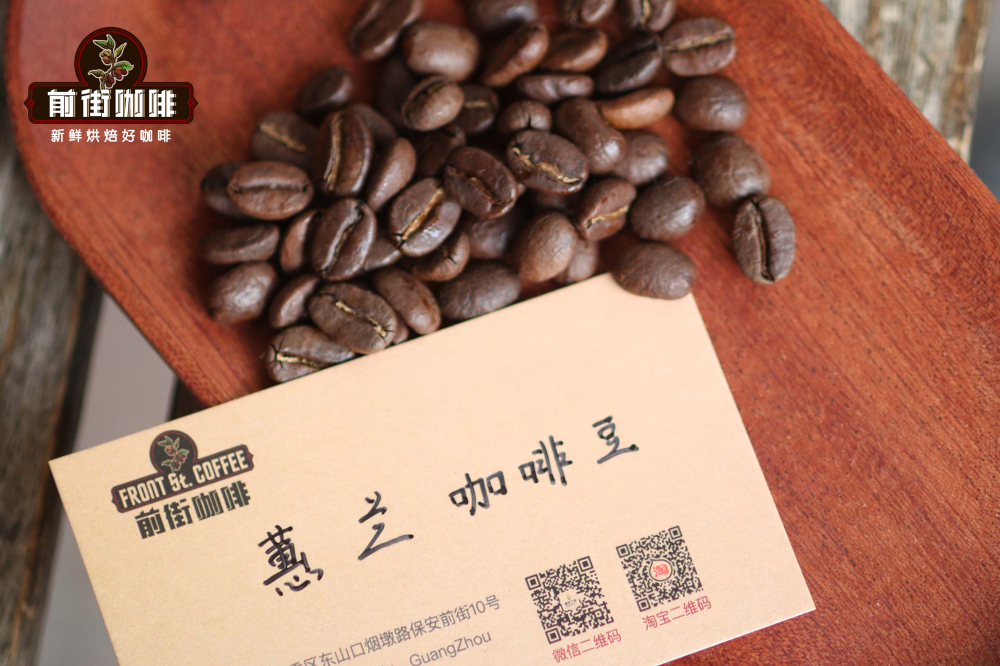
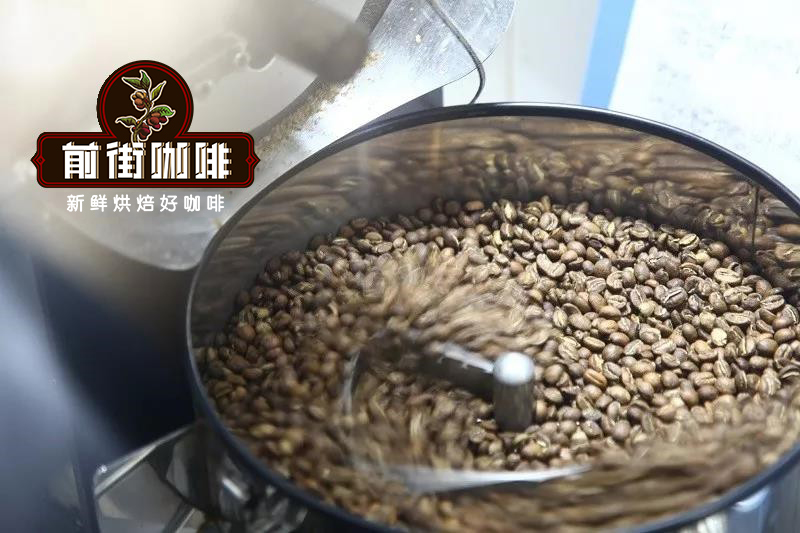
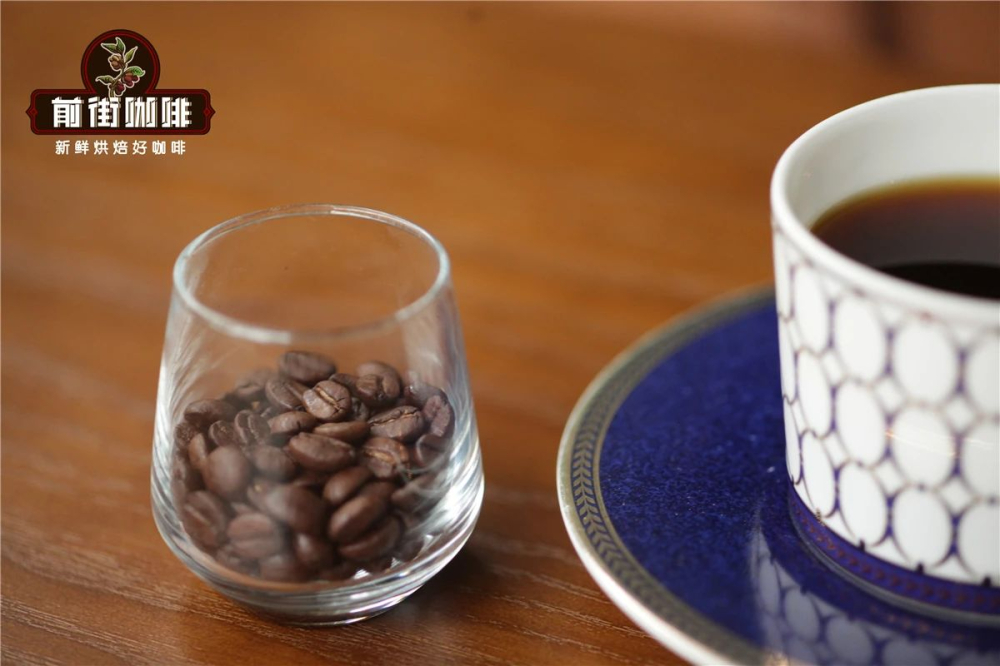
The washed Huila everyday beans have both soft acidity and suitable body and sweet aftertaste. Front Street hopes to present the classic Colombian nutty profile while retaining some acidity, so it chose a medium-dark roast. Before launching each coffee bean, Front Street conducts at least one cupping evaluation, which allows us to more objectively reflect the coffee's strengths and weaknesses.
How should these everyday beans be hand-brewed?
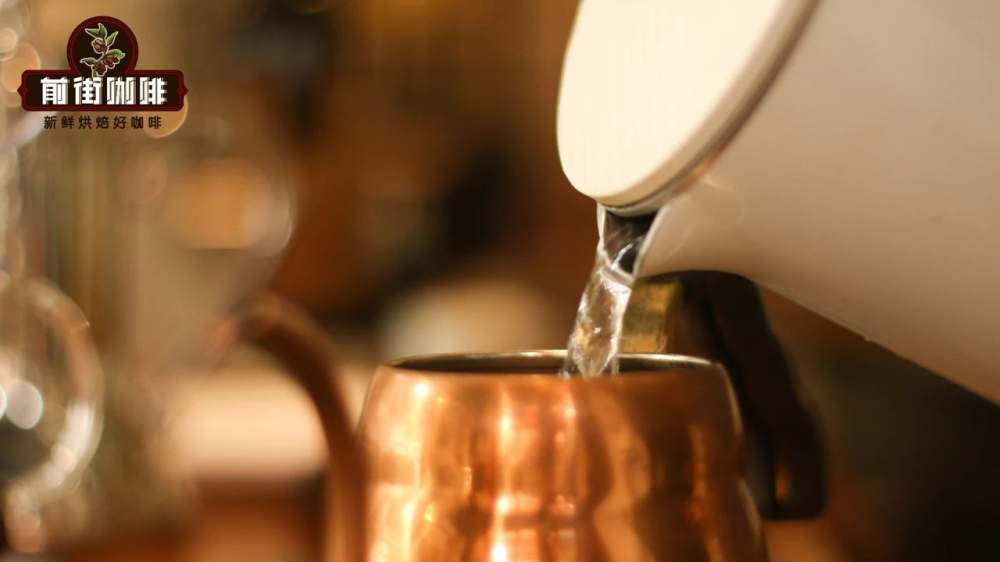
Considering that the Huila everyday beans use a medium-dark roast and their flavor leans toward a rich, full-bodied profile of nuts and chocolate, the darker roast makes the coffee beans more porous and the coffee grounds more absorbent, so a medium grind is chosen. To avoid extracting too many undesirable flavors, Front Street lowers the water temperature a little, using a medium 90°C water temperature with a KONO dripper for extraction.
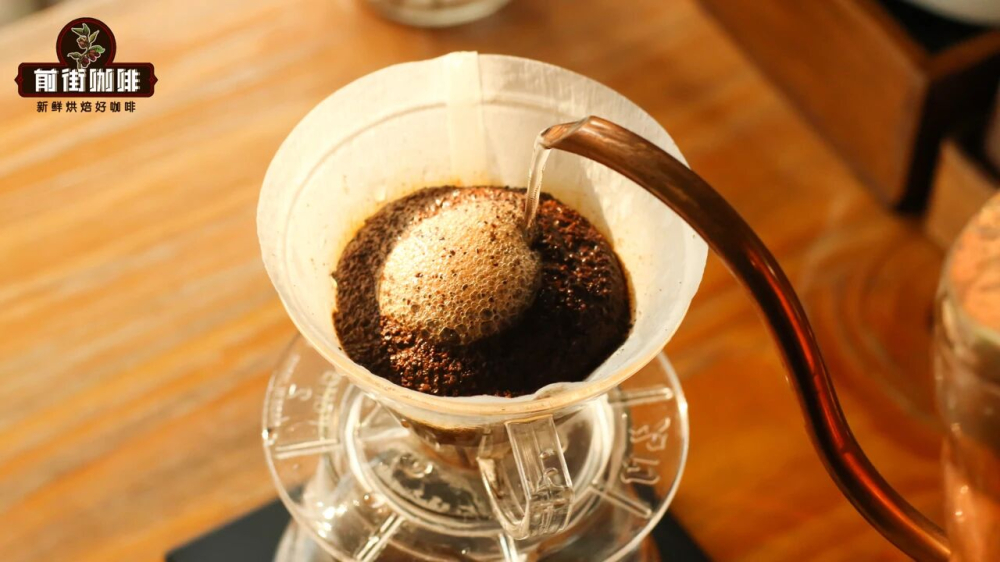
Unlike the V60 dripper, the only exhaust area of the KONO dripper is that quarter of ribbing. When the water level passes the ribbed area, the water level in the dripper keeps rising, increasing pressure through the weight of the water. Because the outlet is relatively small, it can extend the contact time between coffee particles and water; as the water flow is poured in, it more effectively brings out soluble substances, thereby improving the coffee's rich, full-bodied mouthfeel.
Brewing parameters: KONO dripper, 90°C water temperature, grind size with 75% passing a No. 20 standard sieve, 1:15 coffee-to-water ratio, dose: 15 g, three-stage extraction
Pour the coffee grounds into the V60 dripper, wet the coffee bed with twice the amount of water as the coffee grounds, and let it bloom for 30 s to form a dome. Then pour in a thin stream in circles from the inside out until 125 g, pause, and wait for the coffee bed to drop to half the height of the dripper. Continue pouring the third stage with the same thin stream to 225 g, until all the coffee liquid has filtered through, then remove the dripper. The time is about 2 minutes.
These Colombian Huila everyday beans have obvious roasted aromas of chocolate, nuts, and caramel on entry, smooth and sweet, with moderate body and a clean mouthfeel. As the temperature drops, a pleasant soft acidity can be felt.
For more specialty coffee knowledge, please follow: Front Street Coffee (Frontsteet Coffee)
The above content is compiled by CoffeeHunters, a coffee news website.

