







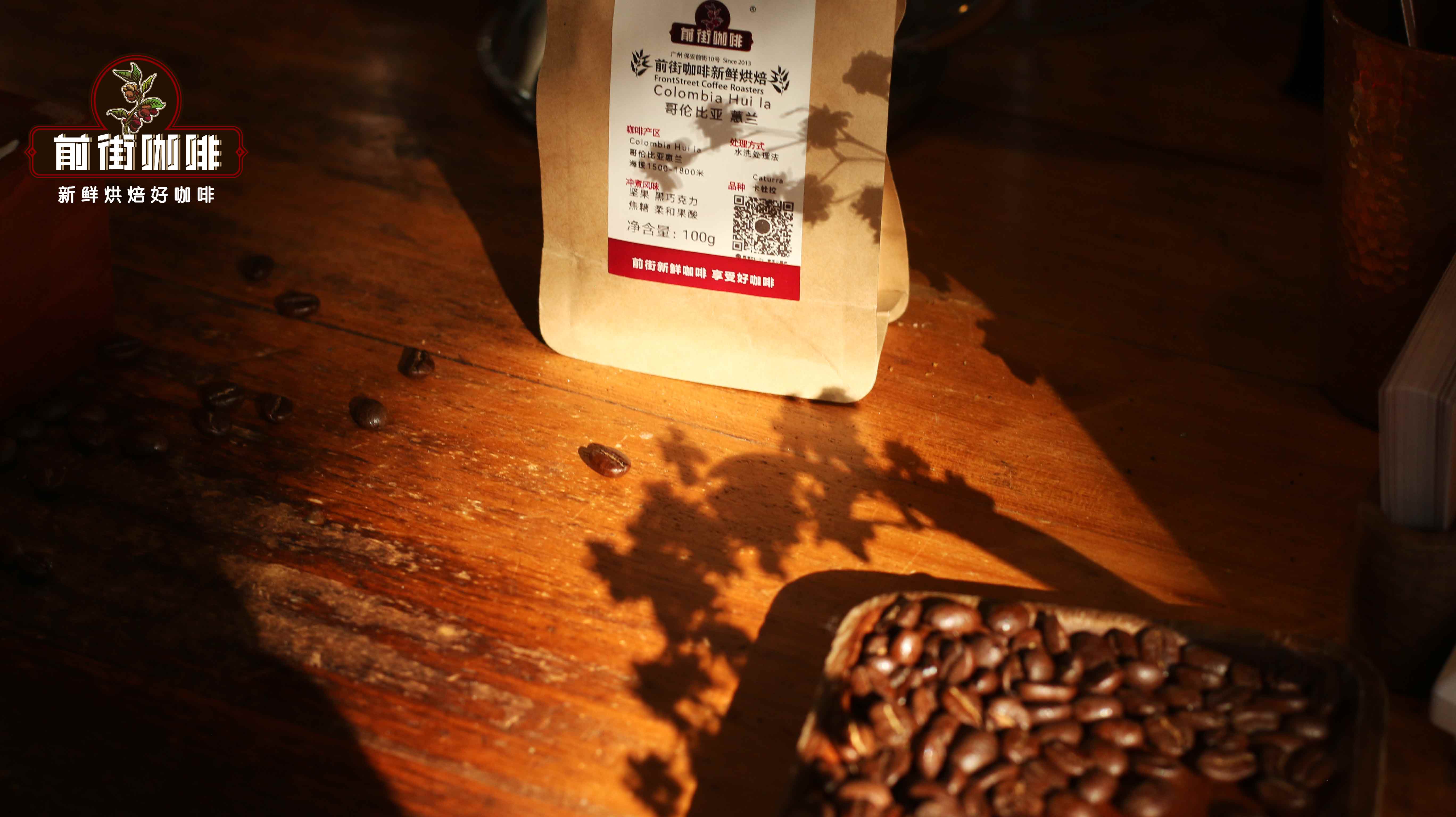
Huila is Colombia's most representative specialty coffee region. Since the 21st century, it has frequently appeared in various green bean competitions and achieved excellent results, and in 2013 it even obtained official designation of origin certification. This land, located on the flank of the Andes Mountains and adjacent to the Huila Volcano, benefits from soil nourished by volcanic ash, abundant rainfall, and suitable temperatures, allowing coffee trees to grow at high altitudes exceeding 2,000 meters and producing coffee with bright acidity and chocolate aromas. Local production is mainly by smallholder farmers, combined with shade tree management and meticulous washed processing, preserving the coffee's own flavor characteristics to the greatest extent. If you want to experience Colombian coffee for the first time, Front Street washed Huila can present rich aromatic substances and a charming, sweet, and smooth cup; while Front Street No. 2 Blend Coffee Beans — Front Street Specialty Blend — combines the classic pairing of Brazil and Colombia, bringing a nutty aroma and a balanced, smooth espresso experience.
Huila is one of the most well-known regions in Colombia's specialty coffee sector. It truly entered the public eye after the 21st century began, with its name repeatedly appearing on the award lists of major green bean competitions, and in 2013 it officially obtained designation of origin certification. The name Huila comes from Huila Province, located in southwestern Colombia on the slope of the Andes Mountains, not far from the Huila Volcano. The volcanic ash left behind by volcanic activity replenishes the soil with new nutrients, which is especially beneficial for the growth and development of coffee trees. Compared with other Colombian regions, Huila has rainfall throughout the year, and the temperature is just right. This growing environment allows coffee trees to be planted at altitudes above 2,000 meters, and coffee produced at high altitudes often has bright acidity and chocolate-like aromas.
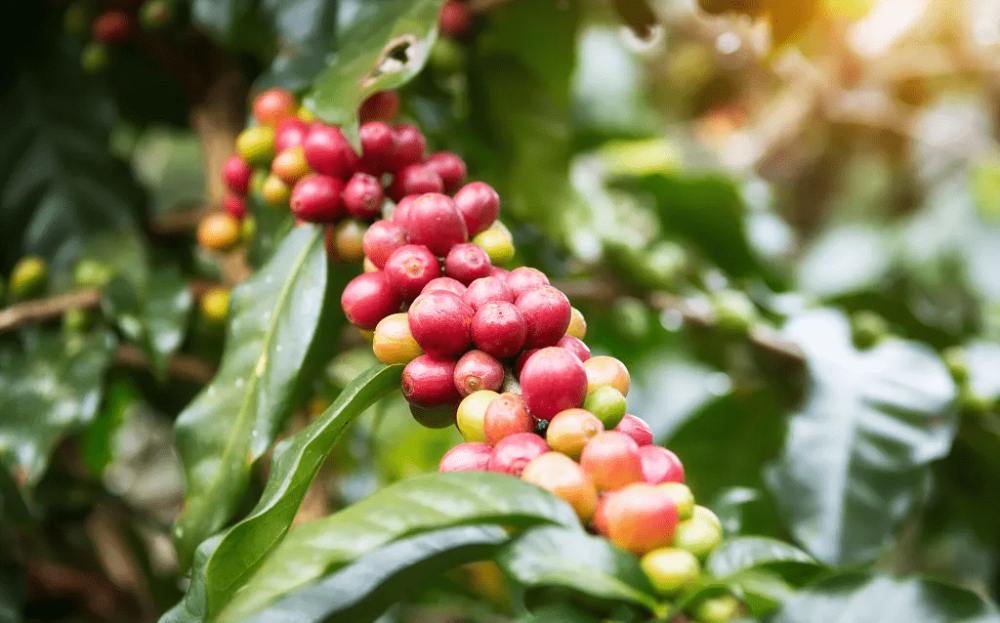
Huila coffee is mainly grown by smallholder farmers, and local farms generally do not exceed 1.5 hectares in area. Growers plant shade trees in the fields to create more ideal growing conditions for coffee, thereby ensuring quality. When the coffee cherries ripen, Colombians hand-select the ripest and fullest fruits for harvesting and complete post-processing at the freshest stage, with every step focused on freshness.
Colombia is extremely rich in water resources, which provides unique advantages for washed processing. Family-based farms are usually equipped with specialized green bean processing equipment (Ecomill or Eco-Pulper). Farmers put the harvested coffee cherries into the machine, which removes the skin and pulp while using only a very small amount of water to remove most of the mucilage. The parchment beans with a small amount of remaining mucilage are placed in a small tank or container — possibly a tiled tank — and left to ferment overnight so that the residual mucilage naturally falls off. The next day they are rinsed clean with fresh water, and finally spread out in the sun to dry until the moisture content reaches the target level.
Washed processing not only ensures the high quality of the coffee, but also fully brings out the coffee's own flavor characteristics. Therefore, if you are trying Colombian coffee for the first time, Front Street washed Huila is the first choice. It contains rich aromatic substances, and after medium-dark roasting, it displays clear chocolatey sweetness and fruity acidity, with just the right body and lingering sweetness, very charming.
If you want to taste an espresso with Colombian flavor, you might choose Front Street No. 2 Blend Coffee Beans — Front Street Specialty Blend. This coffee uses the classic combination of Brazil and Colombia. When extracted, it releases layered nutty aromas such as almonds, almond, and walnuts. It is very smooth on the palate, balanced in taste, with a lasting finish, and highly versatile. In addition to making lattes, it can also produce a variety of espresso drinks.
The above content is compiled by CoffeeHunters, a coffee news website.


