Compared to other single-origin coffees, pour-over coffee preparation (brewing) methods come in a wide variety. For example: one-cut flow, three-stage, volcano rush, variable temperature brewing, stirring, and more. Today, let's get to know some of the common brewing methods in pour-over coffee~
One-cut flow is still somewhat different from single-pour. Single-pour means pouring all the target water in one go; while one-cut flow splits it into two segments—one for the pre-infusion (bloom) stage, and the other for pouring the remaining water all at once. Since the brewing theory and technique are simple and easy to understand, we can see this brewing method in many places.
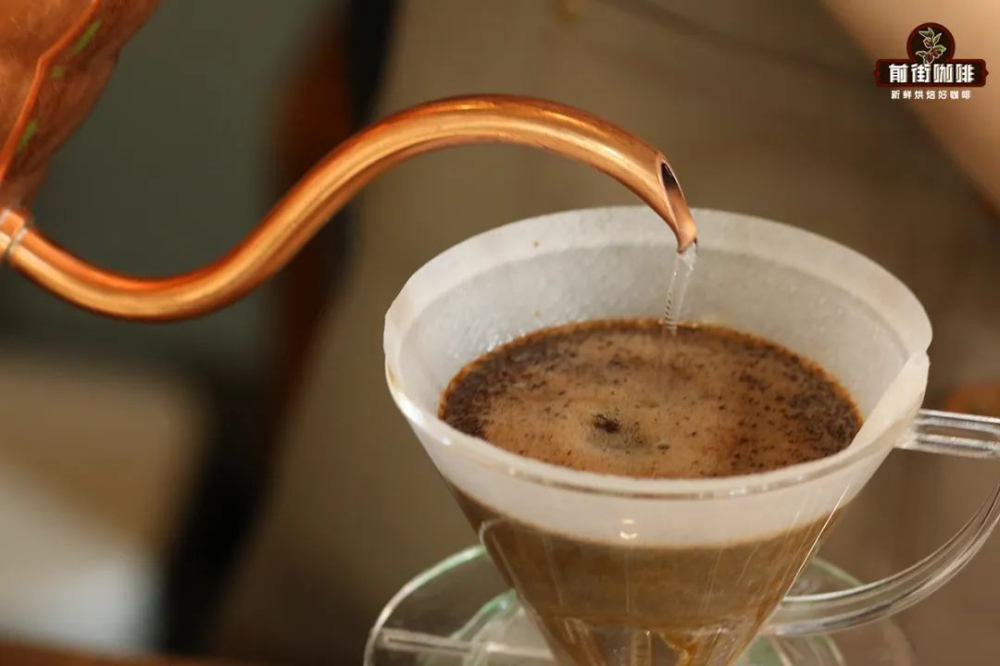
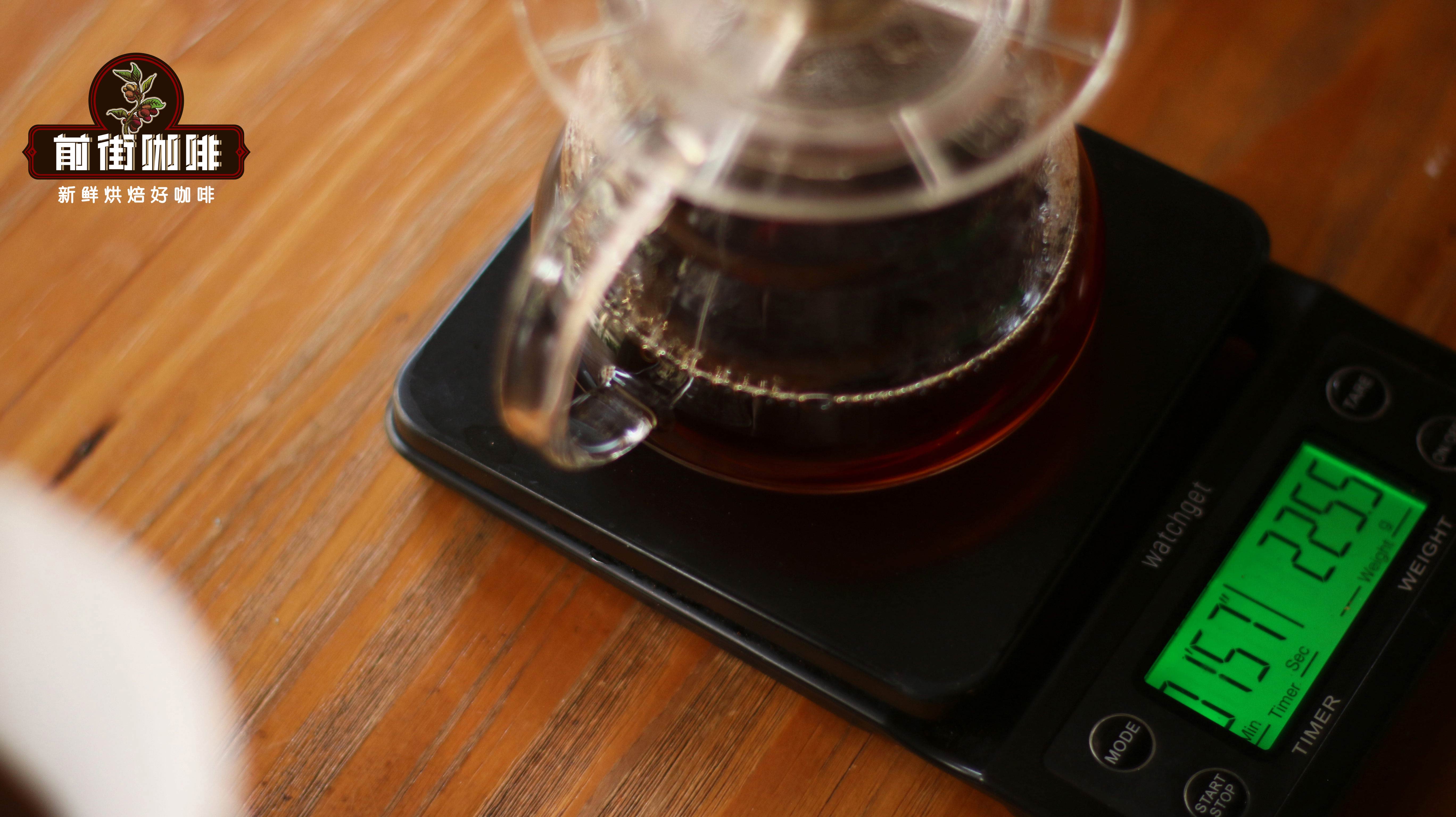
Its name is also quite distinctive—"one-cut flow," which comes from a school of Japanese swordsmanship. The reason for this name is roughly because the pouring segments during brewing look like they were cut off by a single sword strike, which is why it is divided into two segments.Taking 15g of coffee and 225ml of water as an example, the segmented water amounts for one-cut flow are 30ml for the bloom + 195ml poured all at once, with a total extraction time of about 2 minutes. The characteristic of this brewing method is that it can extract stably, and the flavor is relatively clean, because it will not extract the substances from the later stage.2. Three-Stage
This is the brewing method most commonly used by Front Street—the "three-stage," suitable for coffee beans of various flavor types.Recommended: Front Street Yirgacheffe, Front Street Little Tomato, Front Street GeishaBecause the different substances contained in coffee also have greatly different dissolution rates. Simply put, the order of flavors released through hot water is: first sour, then sweet, then bitter. So segmented pouring is meant to extract as much of the aromatic substances it holds as possible.
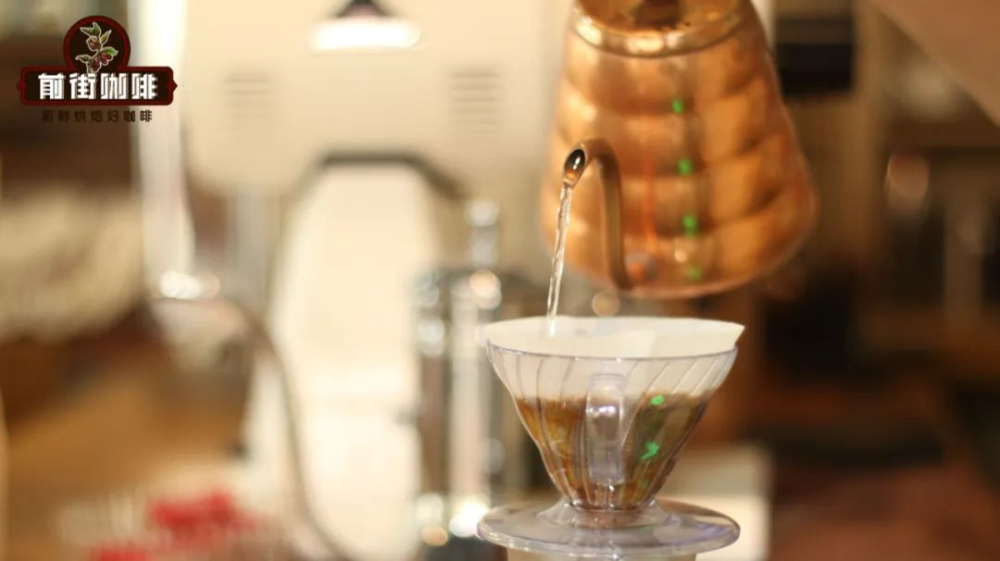
Also taking 15g of coffee and 225ml of water as an example, its three Front Street stages are divided into 30ml for the bloom + 95ml for the first pour + 100ml for the second pour, and its extraction time is relatively longer.Apart from the bloom stage, under the same coffee-to-water ratio, the more segments the pouring is divided into, the more times the coffee bed is washed, so the time will be relatively extended. Coffee extracted by the three-stage method can more fully dissolve out flavor substances, adding a certain layering, and has higher compatibility.The "4-6 Method" was invented by Mr. Tetsu Kasuya of Japan. The concept he founded lies in "anyone can brew delicious coffee."Recommended: Front Street Strawberry Candy, Front Street Mozart, Front Street Sidra.So this method is very simple. It does not require very steady water control, nor a high understanding of brewing. As long as you brew according to the formula, you can brew a pretty good cup of coffee.
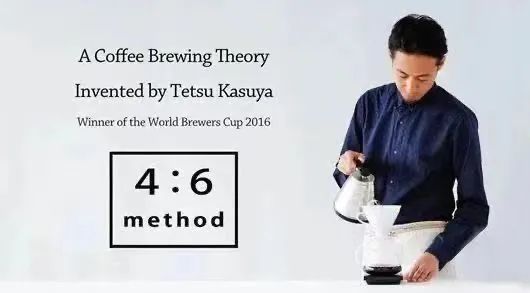
Kasuya's understanding of 4-6 brewing is: the first two pours amount to 40% of the total water, and their main job is to determine the direction of the coffee's flavor (guiding sourness and sweetness to reach a balance); while the remaining three pours amount to 60% of the total water, and their job is to determine the strength of the coffee's mouthfeel, that is, the body.
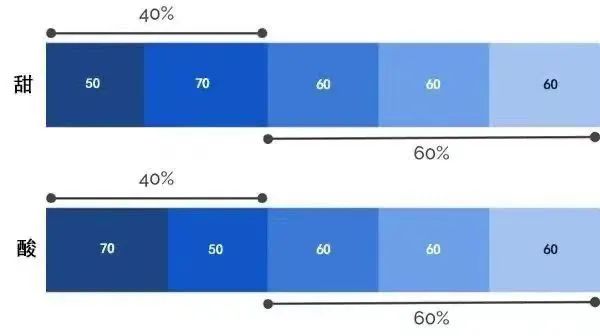
The most commonly used coffee dose for the 4-6 method is 20g, with 300ml of water, divided into five pours, each with 60ml of water, and the pouring interval is 45ml (the interval includes the pouring time).Although Kasuya said it was simple, quite a few people still have a relatively high failure rate after using 4-6 brewing, and most of the failures are over-extraction. Because the extraction time is longer, many people do not adjust the grind, resulting in directly brewing with regular grind particles, which ultimately causes the coffee to be over-extracted.
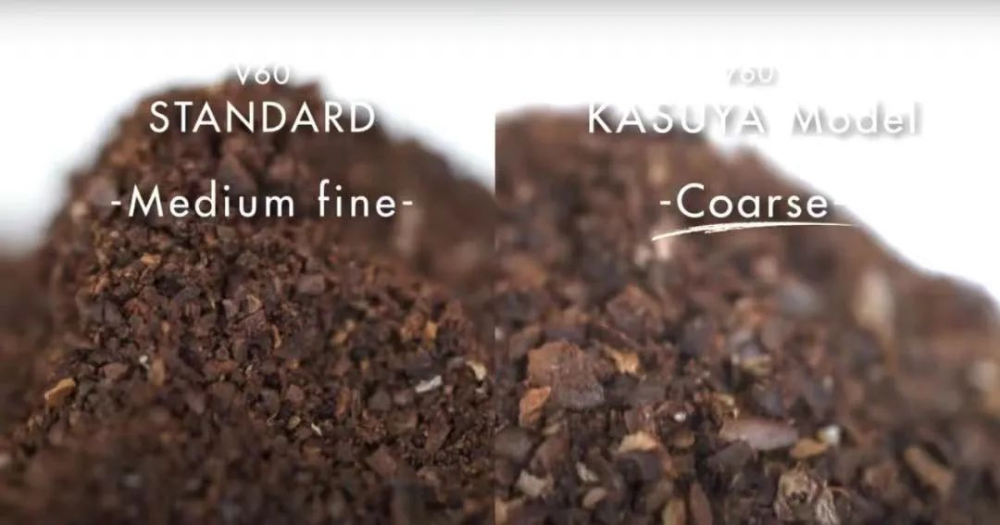
So we need to adjust the grind to a coarser state to compensate for the over-extraction that is easily caused by a long extraction time. Front Street generally uses coarse particles with a 50% pass rate through a No. 20 sieve. After a long extraction, such particles produce coffee with a body that regular coffee does not have~
4. Three-Temperature Brewing MethodThe three-temperature brewing method invented by Mr. Wu Zelin is actually a type of variable temperature brewing. As the name suggests, it uses different water temperatures for brewing. It is based on 16g of coffee, then uses 240ml of water in four pours of 40ml, 60ml, 60ml, and 40ml respectively.
The first two pours use a water temperature of 94°C, the third pour uses a slightly lower water temperature of 90°C, and the last pour uses a water temperature of 80°C, thus forming a stepped variable temperature extraction.
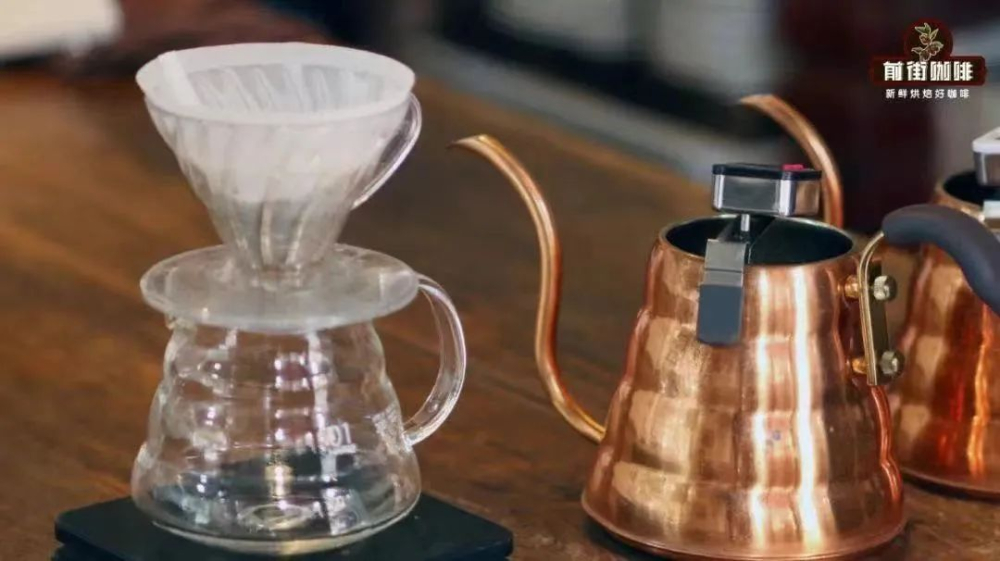
The concept of variable temperature extraction is also relatively easy to understand: use a higher water temperature to extract the rich flavor substances in the front stage, then use a lower water temperature to finish in order to avoid the risk of over-extraction caused by continuous high-temperature extraction.Recommended: Front Street Flower Queen, Front Street Flower Butterfly.But this brewing method has a certain degree of difficulty, requiring a large amount of brewing testing to find the temperature standard that suits the current coffee beans. So, once you have established a suitable temperature standard, you can ultimately get a cup of coffee with a strong flavor expression.The brewing method "volcano rush" comes from Japan. Its name originates from the carbon dioxide contained in coffee beans, which forms a large bulge with the fine coffee particles floating on the surface, looking like a large mountain. The hot water poured into the center will accelerate the degassing of the coffee grounds, looking just like a volcanic eruption, so it is named volcano rush.
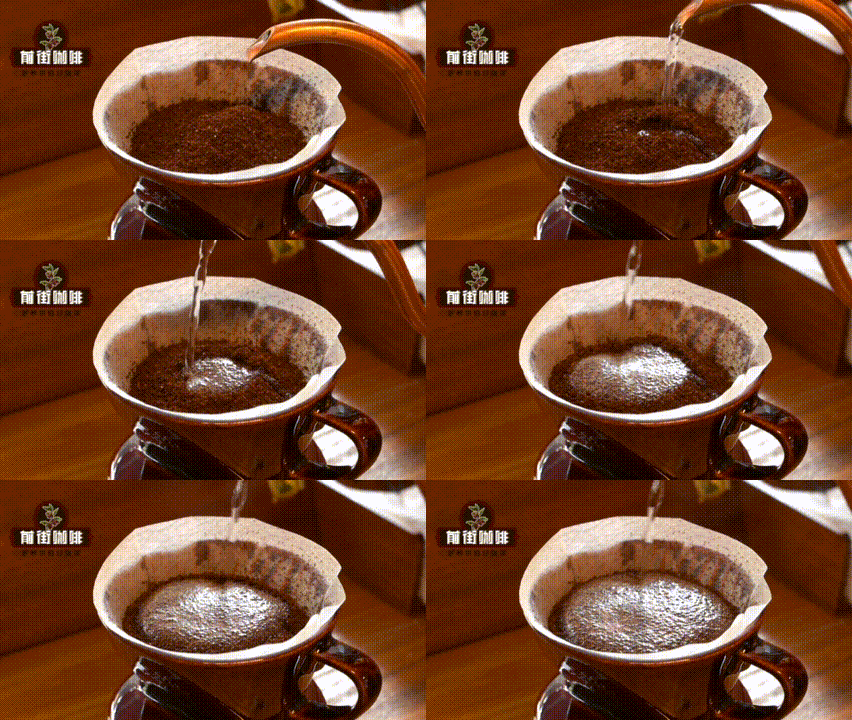
It is more suitable for brewing dark-roasted coffee beans, because only dark-roasted coffee beans can release enough gas to form a mountain shape. The dripper used is a fan-shaped dripper, the coffee dose is 30g, and the larger the dose, the better the visual effect of the volcano. The grind is slightly coarse.Recommended: Front Street Golden Mandheling, Front Street Colombia Huila, Front Street Queen's Estate.Then use 300ml of hot water (1:10 coffee-to-water ratio) for brewing. First, bloom with twice the coffee dose of hot water for 30 seconds, then pour repeatedly in the center many times, in small amounts, and gently. There is no limit to each pour. When the water level begins to drop, you can proceed to the next pour until the target water amount is finished.
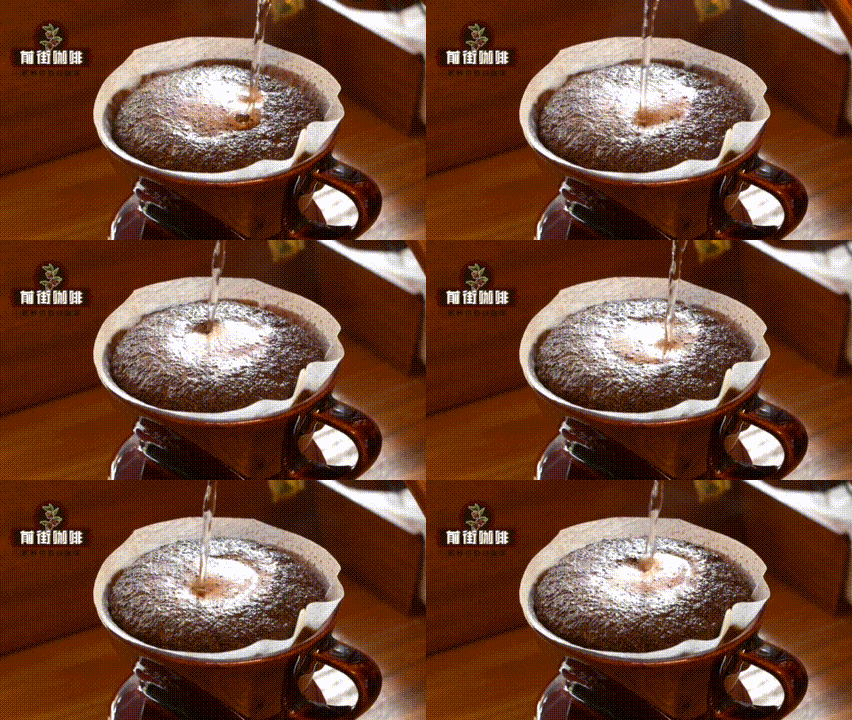
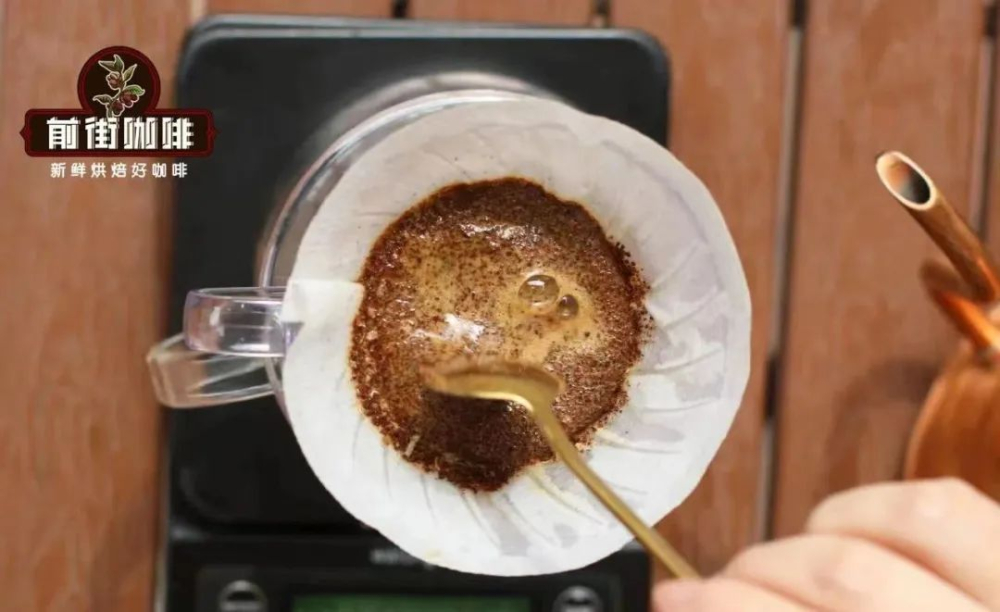
Volcano rush has two distinctive advantages. The first is that it is highly ornamental—while brewing coffee, you also enjoy a visual feast. The second is that the coffee it brews has a balanced mouthfeel, high sweetness, and no bitterness. Friends who like dark-roasted coffee should still give it a try.The rise of the stirring method originated from the 2012 World Coffee Brewing Championship champion Matt Perger. He used this technique in the competition to win the championship. Later, he uploaded a video to an overseas video website, in which he used a wooden stick during the bloom stage to stir quickly, first up and down, then left and right, then up and down again.
The purpose of stirring is to make the coffee grounds tumble under the force generated by stirring, thereby being evenly wetted by water and ultimately achieving balanced extraction. For example, during the bloom stage, without stirring, the poured water will only slowly penetrate downward, which causes the coffee bed at the bottom to not have enough time for bloom and degassing, thus requiring a stronger impact force in the first pour to compensate for extraction.
But the stirring technique is relatively difficult. Fine coffee particles will migrate downward to the bottom of the dripper due to the turbulence caused by stirring, easily causing clogging. Secondly, because there is no unified technique and force, everyone stirs in their own way, and one person's stirring cannot be borrowed by another. Many only look the same, but in fact the force and direction are completely different. So when operating, you must fully understand the force and method of stirring, as well as whether the characteristics of the beans can adapt, before choosing to use it.Recommended: Front Street Bird of Paradise, Front Street Rwanda Red Bourbon.

But in the end, all brewing methods actually revolve around adjusting and changing according to the release order of the flavor substances—sour, sweet, and bitter. Once you understand the principle of flavor release, then what brewing method to use is no longer the focus of consideration. The focus is that you know what taste this brewing can bring you, so you can use it freely. This is also why Front Street has always used the three-stage as its commonly used brewing method. The above content is compiled by CoffeeHunters, a coffee news website.