







For more specialty coffee knowledge, please follow: Front Street Coffee (Frontsteet Coffee)
Today, Colombia is the world's second-largest producer of Arabica coffee beans, and Colombian coffee is renowned worldwide for its unique flavor and the mild yet rich aroma that every cup exudes.
As for when coffee cultivation began in Colombia, the more credible account is that in 1723, missionaries brought coffee trees into Colombia and started planting them. However, coffee cultivation developed rapidly in Colombia at the end of the 19th century, when coffee as a commercial crop expanded rapidly in cultivation across the country. By 1912, coffee beans had become Colombia's largest export commodity, accounting for about 50% of Colombia's total exports;
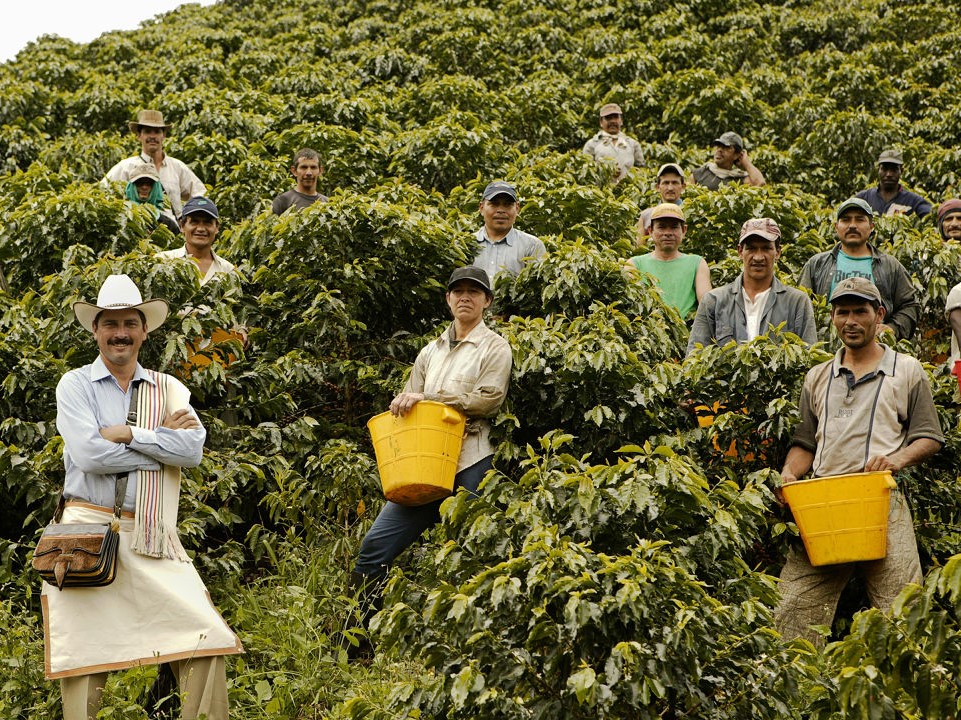
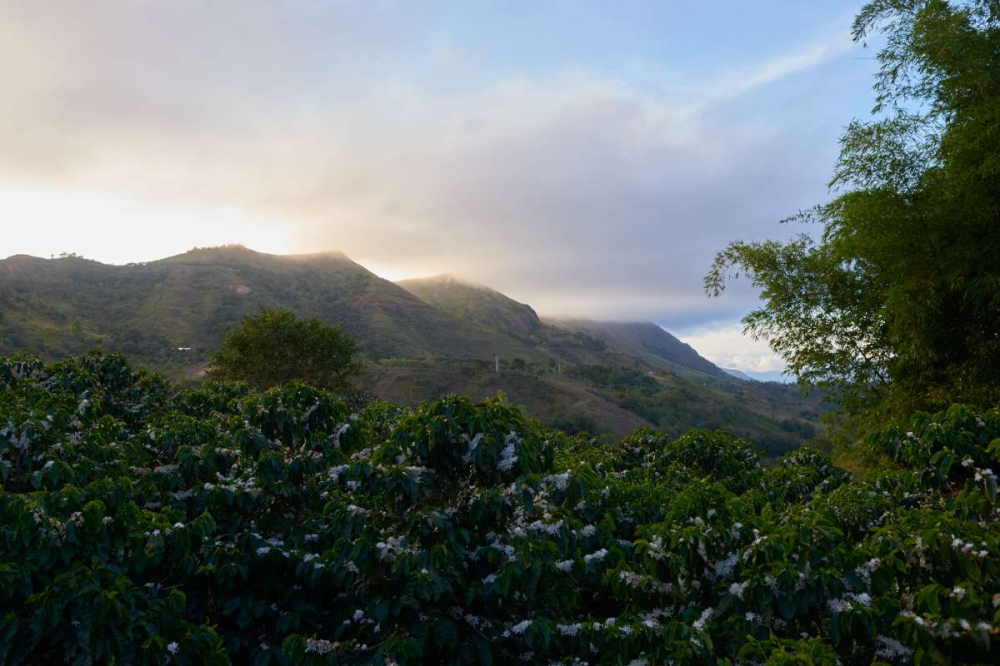
Colombia straddles the Northern and Southern Hemispheres, and the country's coffee-producing regions are mostly located between 2 and 8 degrees north latitude. The coffee-producing areas are concentrated in the "three rivers and two valleys" region, namely the Andean mountain portion within Colombia (the Cordillera range); almost all of Colombia's rivers originate from the Andes. Good coffee-producing regions mostly have relatively high elevations (Colombia's capital Bogota sits at 2,600–3,000 meters), fertile soil (Nevado del Huila volcano, Nevado del Galeras volcano), valleys (the Andes), rainforests, interwoven highlands, abundant rainfall (warm, moist air currents from the Pacific), and diverse micro-topographic climates formed by the towering Andes. These natural conditions all give Colombia the conditions favorable for coffee cultivation, yielding both high output and high quality.
Colombia is the only country in South America that has both a Pacific coast and a Caribbean coast. Within Colombia, almost all of the best-producing regions have volcanic soil. Speaking of volcanoes, one must mention Colombia's two highest-quality coffee-producing regions, Huila and Narino in the south. These two departments are home to two of Colombia's famous volcanoes: the Nevado del Huila volcano in Huila, and the Nevado del Galeras volcano in Narino. Volcanic ash is rich in minerals and can make the soil more fertile. The Huila volcano has continued erupting in recent years, which is something for coffee farmers in Huila to be happy about. In 2009 and 2010, the reason Huila was able to produce "SCAA Coffee of the Year" was, to a certain extent, thanks to the fresh replenishment of the soil by volcanic ash.
In the early coffee world, coffee was simply divided into two major series: the "soft" school represented by Brazilian coffee, with soft bean texture, weak acidity, and a mild mouthfeel, whose flavor mainly depends on Brazil's hilly red soil and slightly lower-altitude areas; and the "hard" school represented byColombian coffee beans. Colombian coffee beans are characterized by a rich cocoa flavor. Because Colombia is mostly a mountainous black-soil environment, Colombian coffee beans are known for their balance, especially those from the Huila and Narino producing regions, which have sweet fruity flavors. The mouthfeel is charming, mild with a sweet aftertaste, just right.
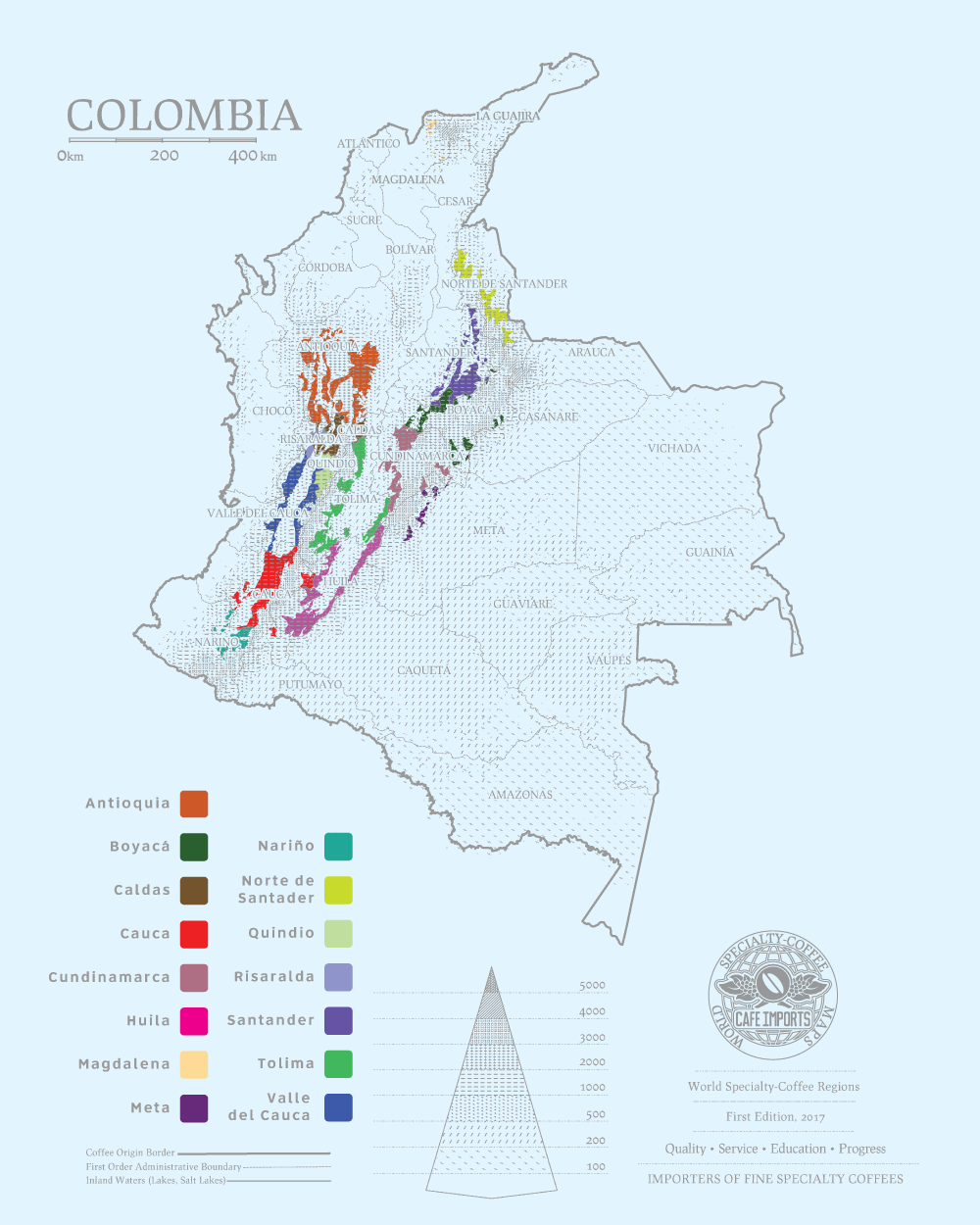
Colombia's main coffee-producing regions include: Cauca, Huila, Santander, Narino, Tolima, Caldas, and others.
Cauca: The terrain is dominated by the Cauca Valley (Cauca Valley), and the Popayan Plateau in this area is at a very high altitude, providing a unique environment for coffee growth. At the same time, Cauca Department is located in southern Colombia, close to the equator. The towering Andes block the warm, moist air from the Pacific, so rainfall is abundant and the climate is stable year-round. In addition, the region has many volcanic landforms, and the soil is mainly volcanic soil, extremely fertile. There is a single rainy season each year, from October to December.
Tolima: Tolima Department is one of the several strongholds of Colombia's notorious anti-government armed group "FARC." In recent years, the people here have suffered greatly from the war. In the coffee trade, the region's high-quality coffee all comes from smallholder farmers and some production cooperatives. Despite social unrest, the region's coffee still maintains a high level of variety, and the 2008 SCAA competition champion came from this region.
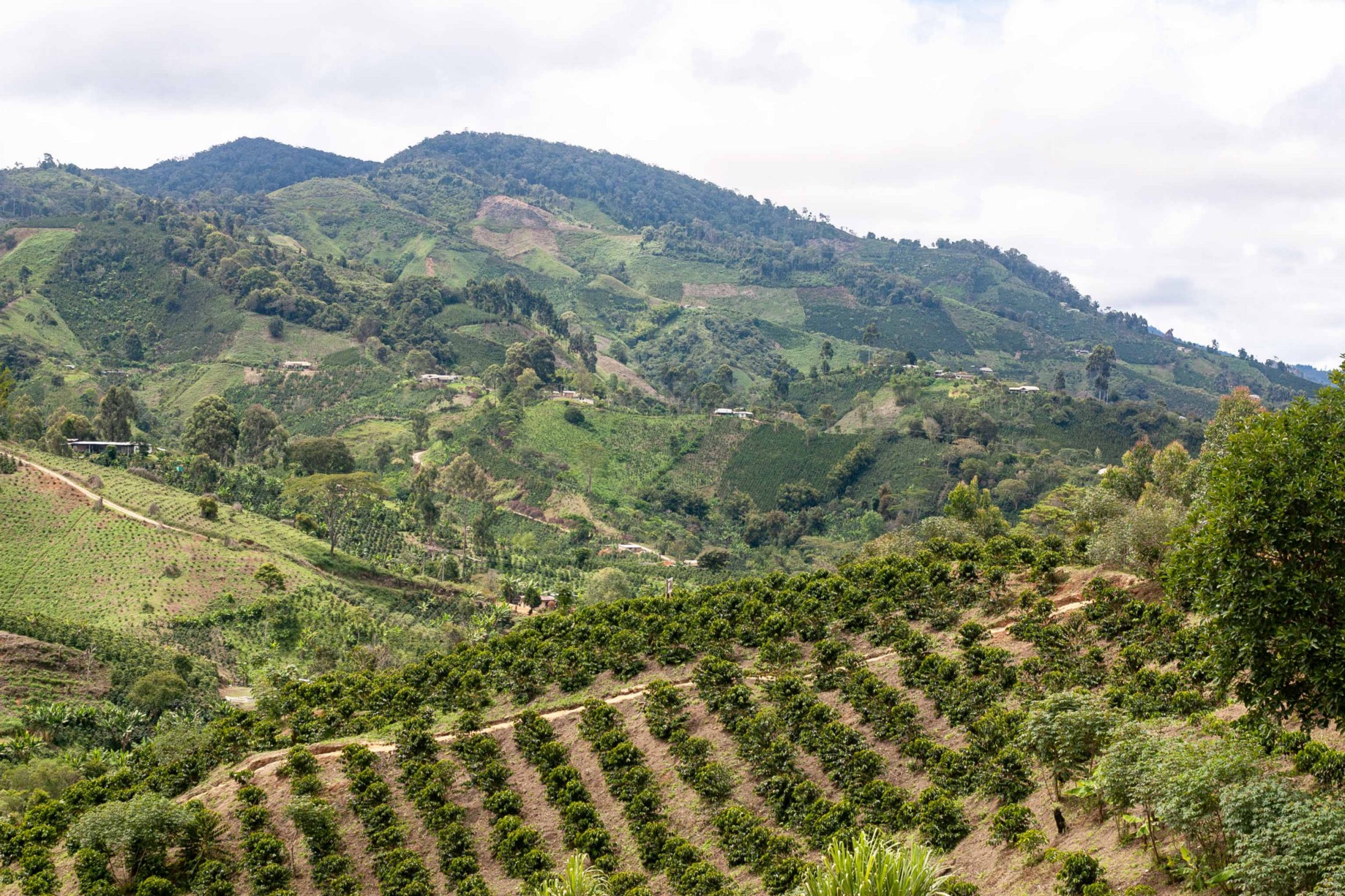
Huila: Huila Department has Colombia's best soil and the best geographical conditions, producing the most enchanting Colombian coffee, with rich fruity flavors, charming and mild. This region has more than 16,000 hectares of coffee-growing area. The SCAA competition champion coffee beans of 2009 and 2010 came from the Huila region.
Narino: Several of the best varieties all grow in this region, and the quality is astonishingly good. However, growing coffee in this high-altitude mountainous area is a tremendous challenge. At a latitude close to the equator, the warm, moist air currents from the Pacific ensure the growth of the coffee trees. This region is a typical smallholder farming area, with more than 40,000 coffee-growing households, each small farm averaging about 1 hectare; only 37 farms are larger than 5 hectares. It is mainly Typica variety, and the coffee beans produced are of very high quality, with only one harvest season per year.
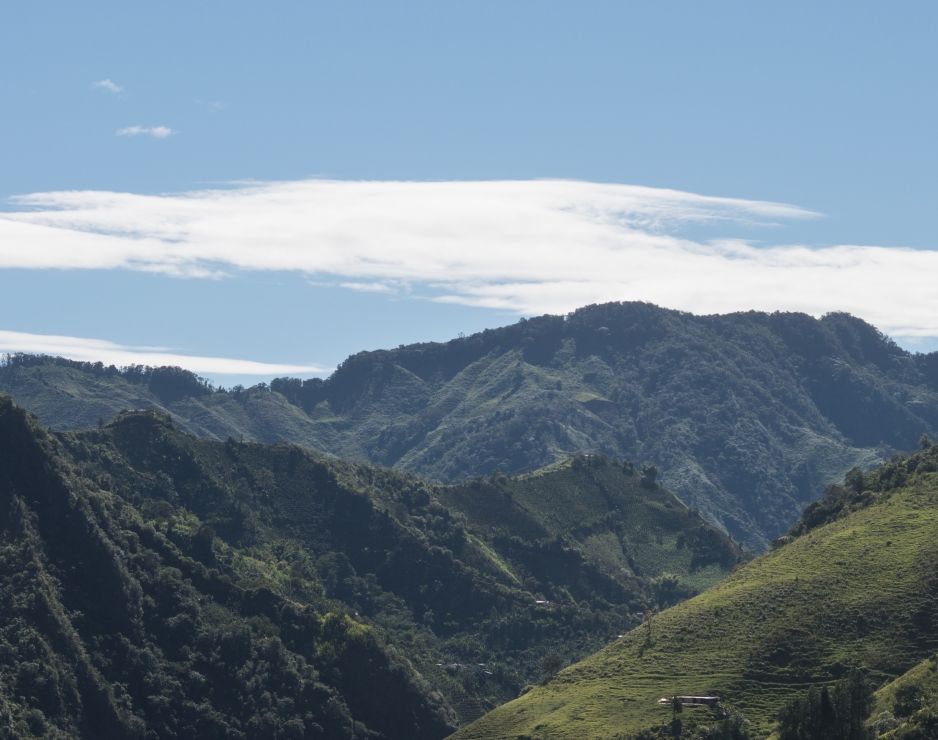
Caldas: Caldas Department is located in central Colombia and is a traditional Colombian coffee-producing region. Together with the other two departments, Antioquia and Quindio, it forms a triangular zone that is Colombia's largest coffee-producing region and also the central axis of Colombian coffee cultivation. Historically, it has also produced very good coffee beans. At the same time, this department is also where FNC (the National Federation of Coffee Growers of Colombia) was founded, and it is also the birthplace of the currently promoted, highly disease-resistant Castillo variety.
Santander: This producing region is located in northern Colombia, with cultivation at altitudes between 1,400 and 1,600 meters. Santander is an important coffee-producing region in Colombia, yet it is also relatively rarely mentioned. Santander is also one of Colombia's oldest producing regions.
Among the many coffee-producing regions above, Front Street Coffee (FrontStreet Coffee) chose the Huila producing region as the representative of Colombia in its daily-bean series. This is a washed-process coffee bean. Because the washed process completely removes the skin, pulp, and pectin layer before drying, it can present the most fundamental flavor of the producing region.
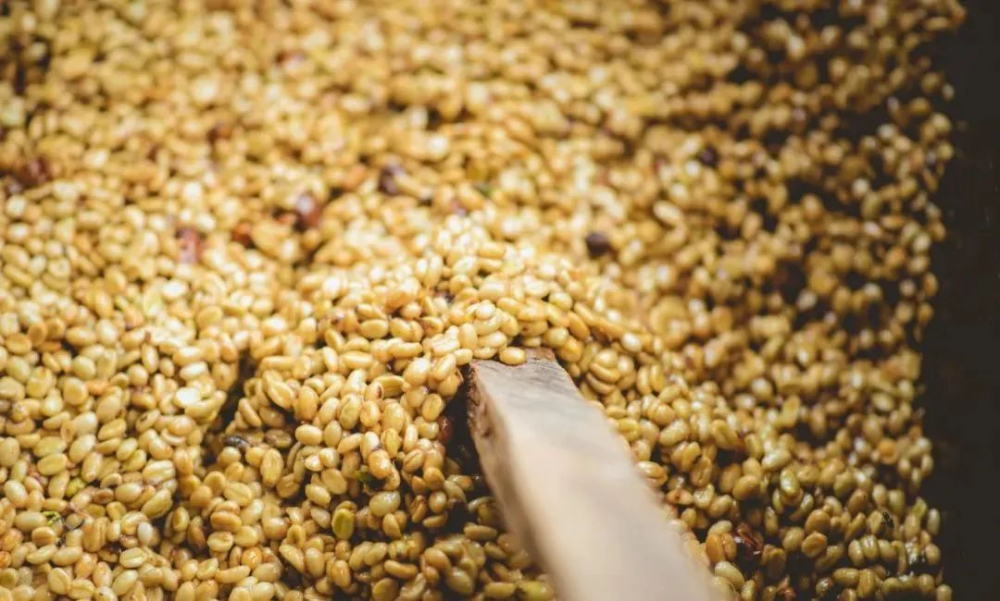
Washed coffee is formed through the following steps:
1. Removing floating beans: Pour the coffee beans into a large water tank. Underdeveloped, defective beans will float to the surface, while ripe, plump fruits will sink to the bottom. At this point, skim off the floating beans on the surface, completing the step of removing floating beans.
2. Removing peel and pulp: Through a pulping machine, remove the outer skin and pulp of the coffee fruit. (Pectin, parchment, and silver skin will remain.)
3. Fermentation: The purpose of this step is to use biological processing methods to remove the pectin from the coffee fruit that has been processed by the pulping machine.
4. Washing: After fermentation is completed and the pectin is removed, because fermentation bacteria and impurities will remain on the coffee beans, the coffee beans are washed again. In order to wash them clean, this step consumes a large amount of clean water.
5. Drying and removing parchment and silver skin: Usually a machine (or sun-drying) is used to dry the coffee fruit, reducing the moisture content to 10–14%. Then a huller is used to remove the remaining parchment and silver skin, completing the processing.
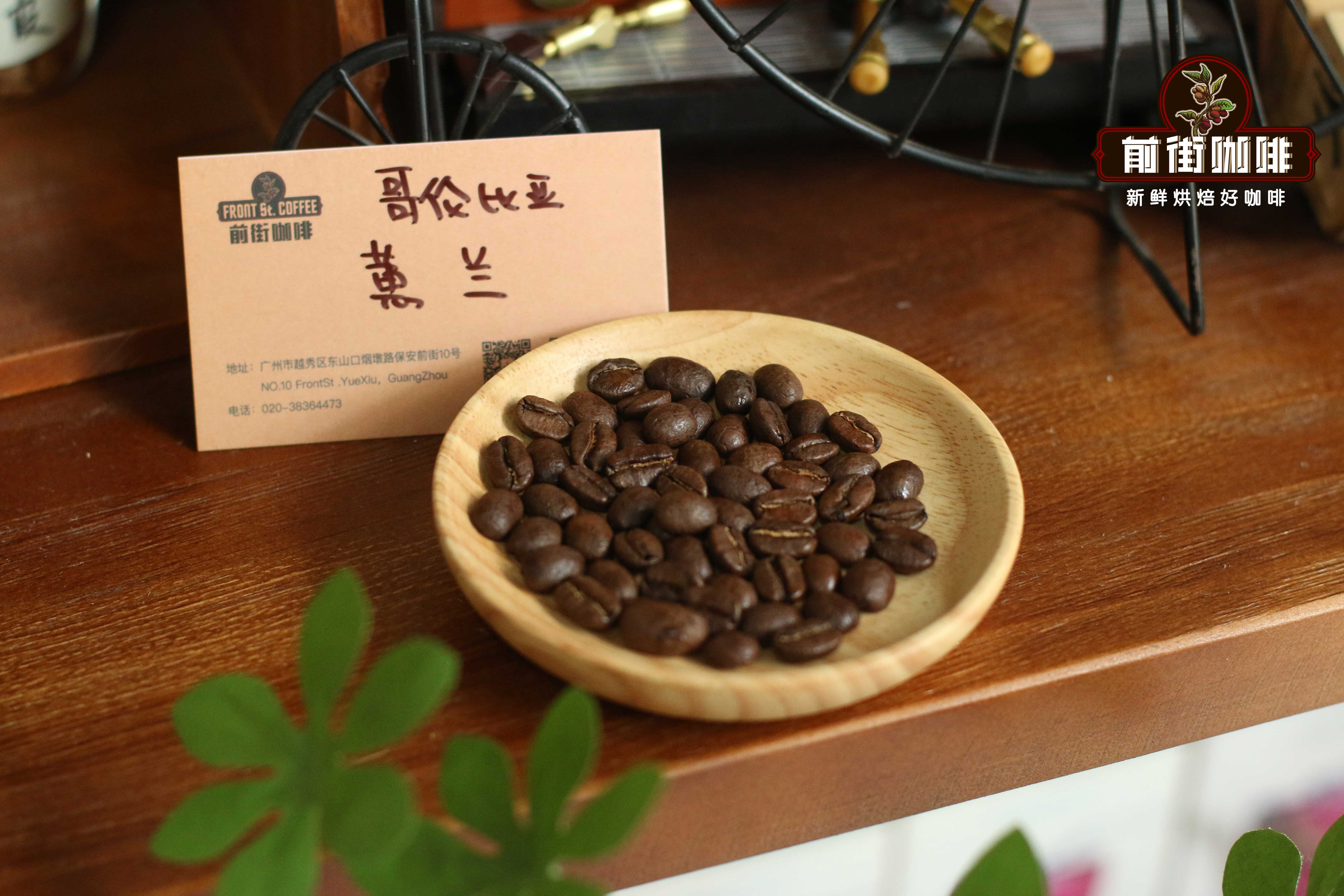
Front Street Coffee (FrontStreet Coffee) Colombia Huila
Producing region: Huila, Colombia
Altitude: 1,500–1,800 meters
Variety: Caturra
Processing method: Washed process
Front Street Coffee's (FrontStreet Coffee) roaster, upon receiving thisColombian coffee bean, finds its characteristics are rich nutty and chocolate notes, caramel sweetness with a lingering aftertaste, and mild fruit acidity, using a medium roast level.
Front Street Coffee's (FrontStreet Coffee) barista, considering the need to extract as much coffee aroma as possible, uses a finer grind and a higher water temperature. At the same time, to avoid over-extraction, a faster-flow dripper such as the V60 is used.
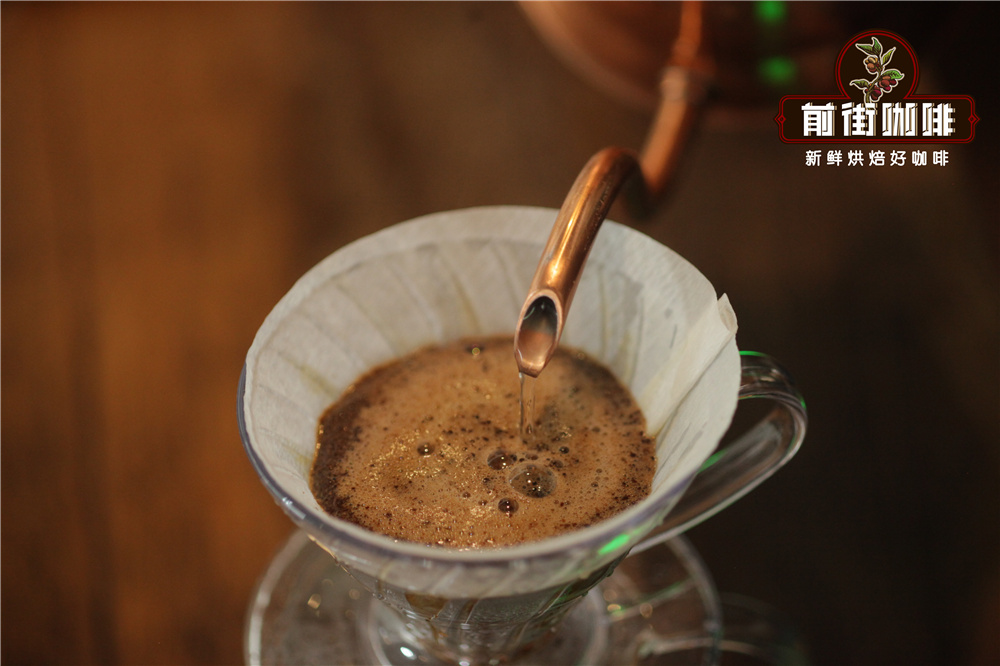
Dripper: Hario V60
Water temperature: 90°C
Dose: 15 grams
Coffee-to-water ratio: 1:15
Grind size: 80% passing through a No. 20 sieve
Friends who often read Front Street articles know that Front Street's baristas always use a three-pour method when brewing coffee. That is because the three-pour method produces a coffee with richer layering than a single-pour method.
First pour 30 grams of water to completely wet the coffee grounds and bloom for 30 seconds, then slowly pour the second stage in a circular motion with a small stream until 125 grams. When the water in the dripper is about to drop to the point of exposing the coffee bed, continue pouring. When the third stage reaches 225 grams, stop pouring immediately. When the water in the dripper has completely dripped into the server below, remove the dripper. The total extraction time is about 2 minutes.

This Front Street Colombian coffee bean has a balanced mouthfeel, with mild fruit acidity, nutty and dark chocolate notes, and a caramel sweetness with a lingering aftertaste. It is very suitable for coffee beginners to try. Of course, in the daily-bean series there are also highly representative and extremely cost-effective coffee beans such as washed Yirgacheffe and semi-washed Brazil Red Bourbon, allowing everyone to quickly find the flavor of the producing region they like.
For more coffee bean information please follow Coffee Workshop (WeChat public accountcafe_style ) for professional coffee knowledge exchange please add WeChat ID kaixinguoguo092
The above content is compiled by CoffeeHunters, a coffee news website.

