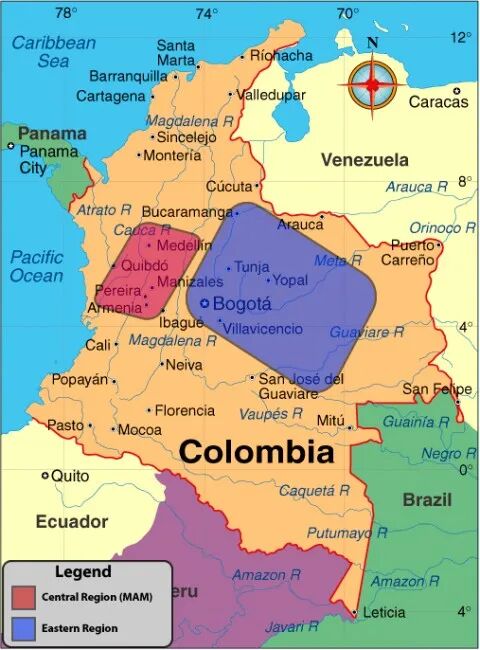
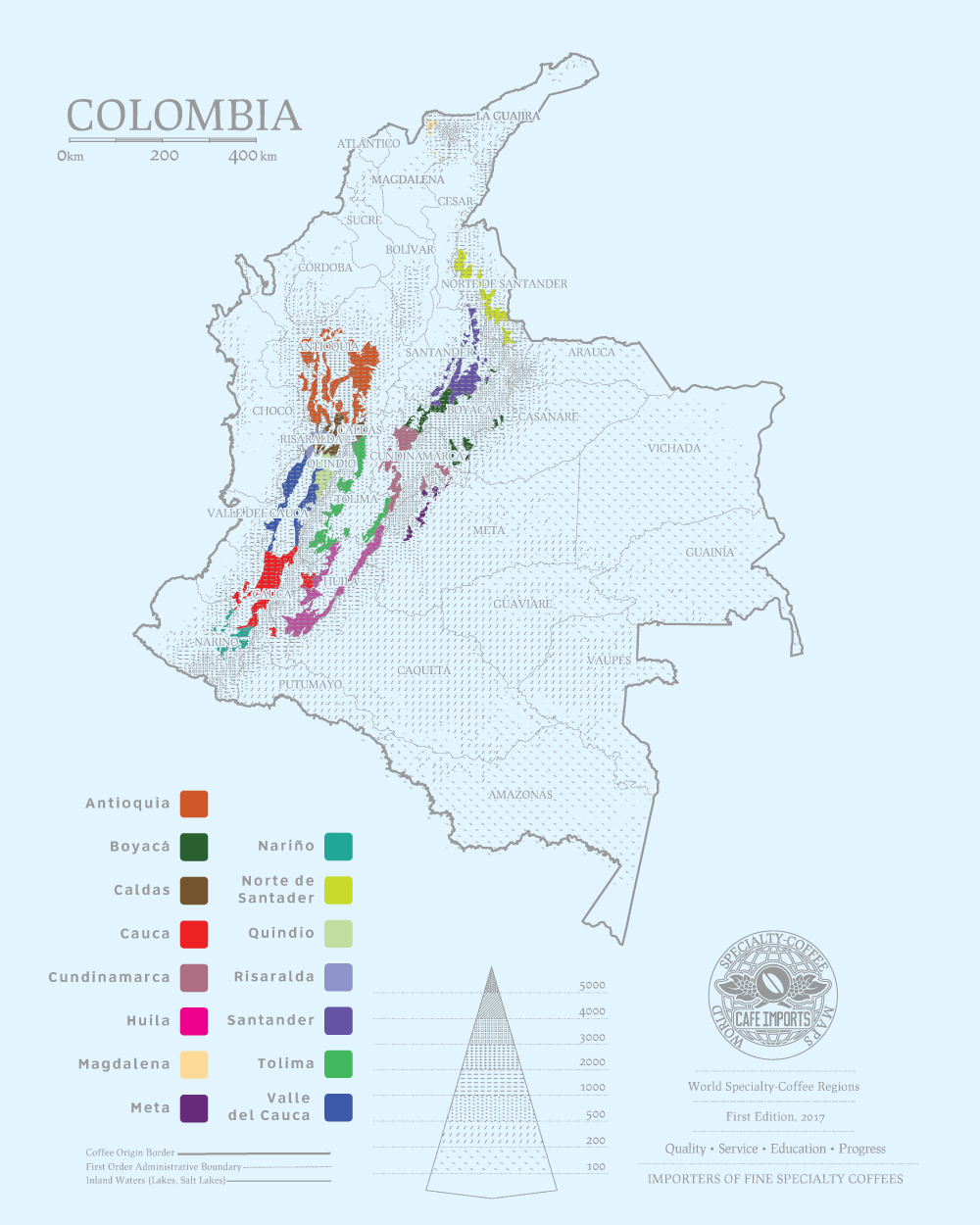
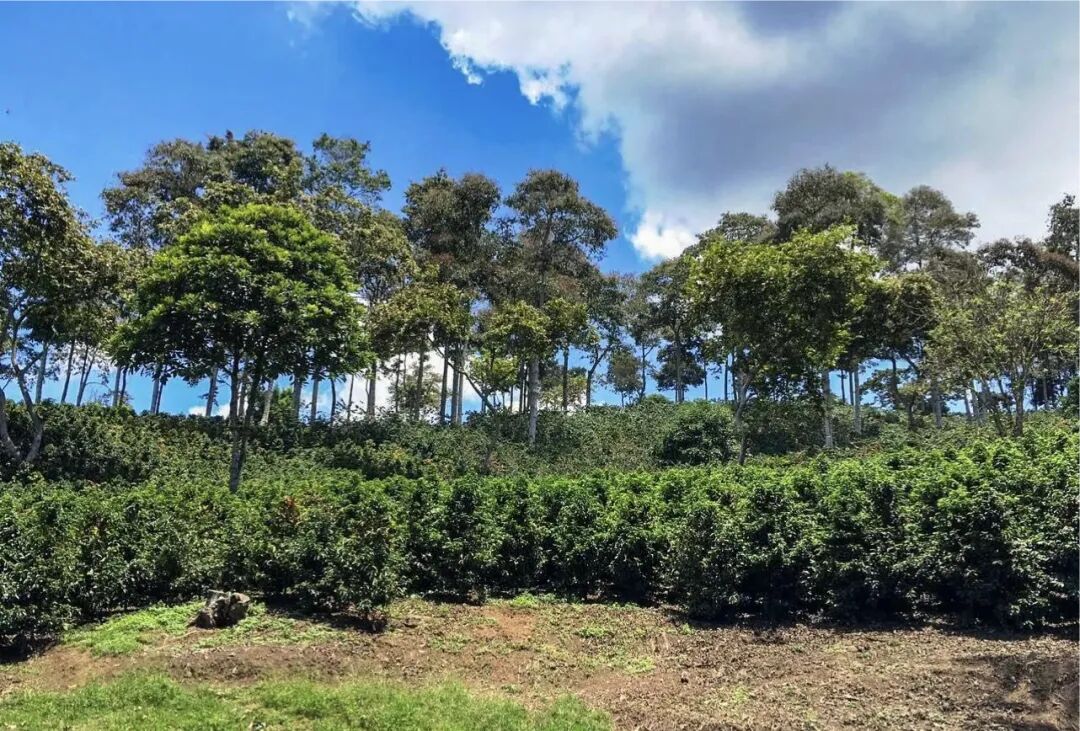
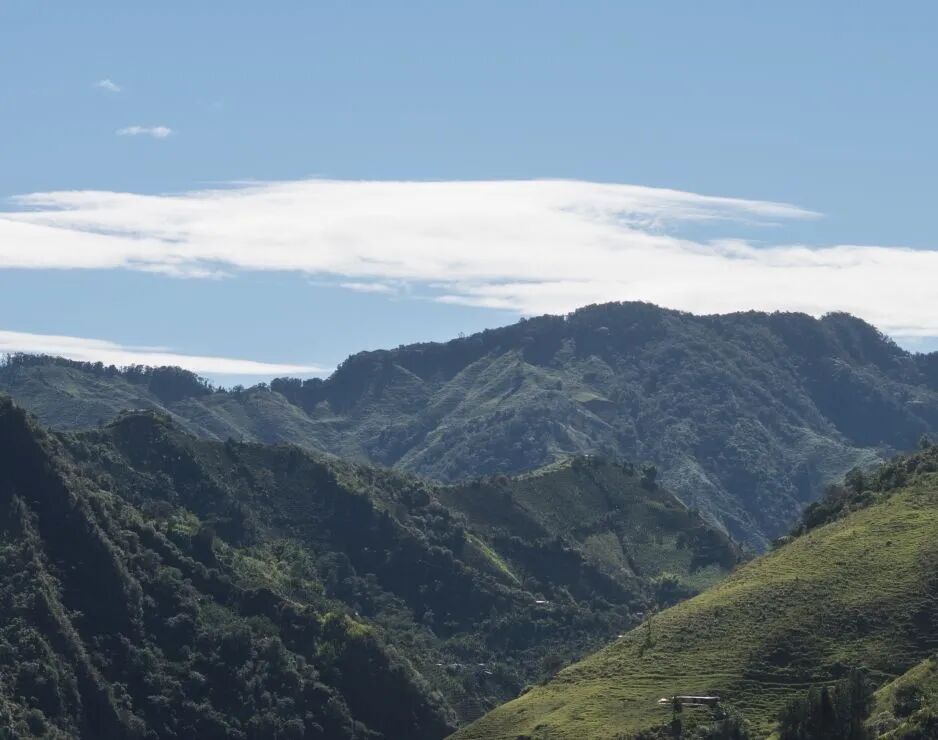
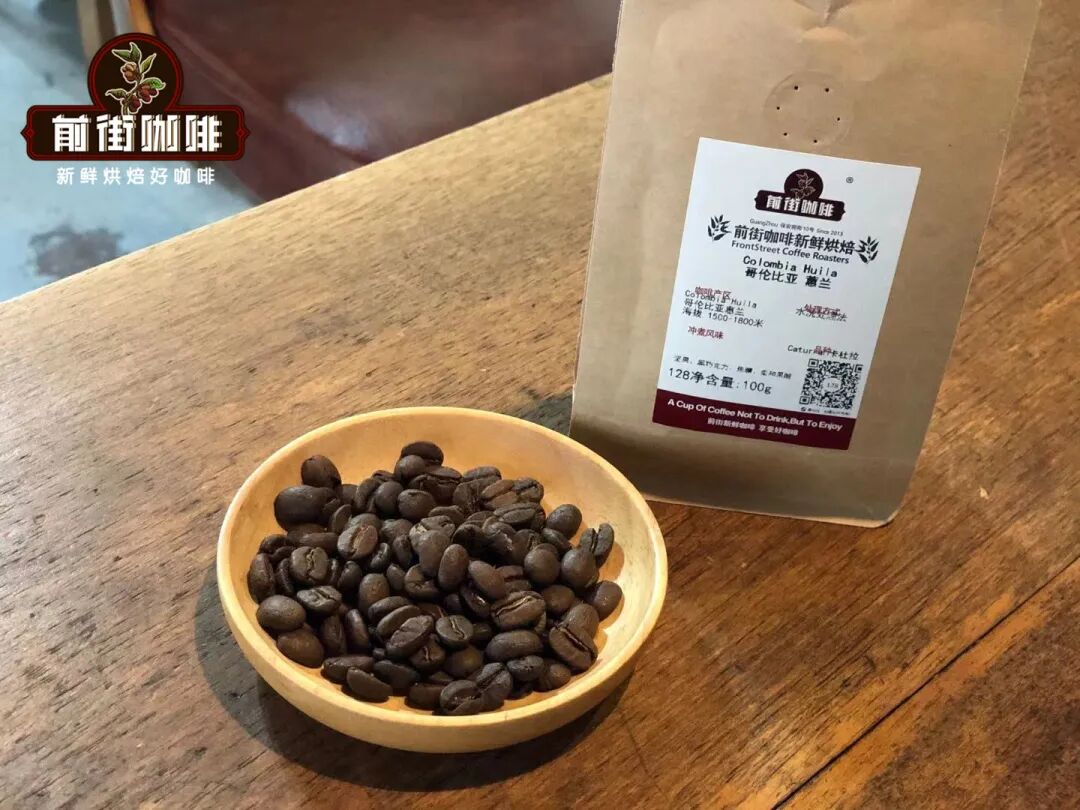
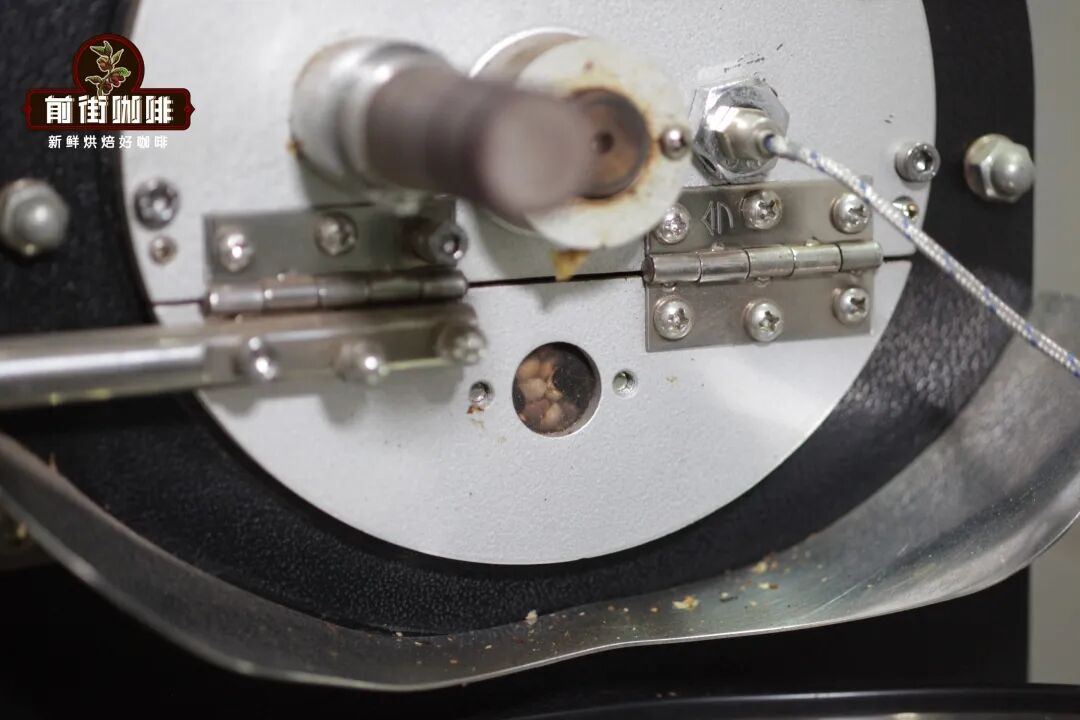
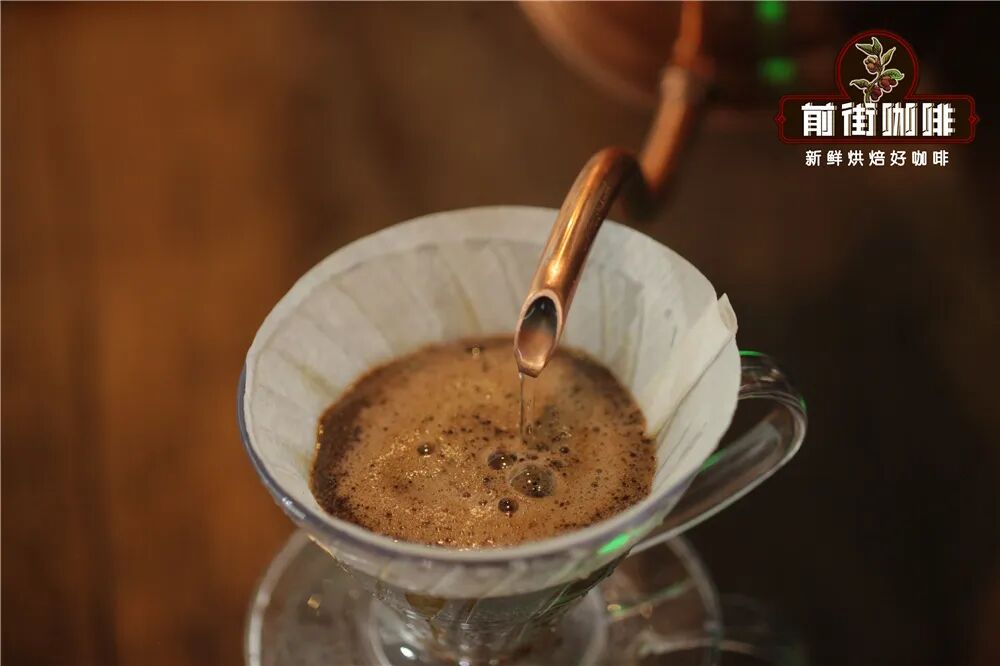
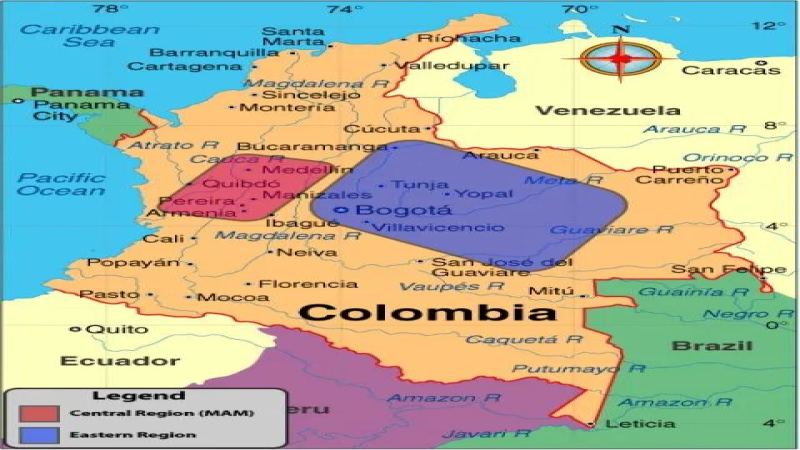
Colombia is the world's second-largest producer of Arabica coffee beans after Brazil. Everyone is familiar with the chocolate flavor characteristic of Colombian coffee beans. We also know that coffee originated in Ethiopia—if no one had brought coffee seeds or seedlings to Colombia, how could there be Colombian coffee today? However, regarding the origins of Colombia's coffee-growing history, opinions vary. One theory suggests that coffee may have been introduced by Jesuit monks in 1723 and gradually spread to various regions of the country, becoming an economic crop.It was not until the 19th century that Colombian coffee became commercialized, and by the end of the 19th century it held a pivotal position, with coffee becoming one of the Colombian government's main sources of revenue. By the early 20th century, Colombia had established a logistics system that enabled smallholder coffee farmers in remote areas to export their coffee beans more efficiently. As a result, smallholder coffee exports accounted for about 50% of total exports. If you go to the supermarket looking for Colombian coffee beans, there's a good chance you'll see the "MAM" label. Some may think that "MAM" is a single producing region. Front Street would like to clarify here that, strictly speaking, "MAM" is composed of three major producing regions: Medellin, Armenia, and Manizales. These three regions are the most well-known commercial coffee bean producing areas.Colombia's specialty coffee bean producing regions are generally in the south. Next, let Front Street introduce these regions one by one:The Antioquia region is where Colombian coffee first took root. Most of this area is high in altitude, near the high mountains of the Andes, making it an important coffee-producing region in Colombia.Boyaca is one of the earliest regions in Colombia to grow coffee. Today, the Boyaca region has more than 10,000 smallholder coffee farmers, and each farmer carefully processes carefully selected coffee cherries at their own processing station. This region has a long history of cooperation with FNC.The Cauca region is adjacent to Tolima and Huila and is a region with Colombian Coffee Origin certification. The average altitude here is around 1,700 meters, with 80% of the terrain being mountainous. Two major volcanoes nearby, Sotara and Petacas, provide fertile volcanic soil for coffee cultivation in the Cauca region.The Huila region is the most famous specialty coffee-producing region in Colombia. Located on one side of the Andes, near Colombia's second-highest peak, the Nevado del Huila volcano, its fertile soil, lush forests, and humid climate are very suitable for cultivating coffee. Several important rivers in Colombia converge in the Huila region, bringing abundant water resources and moisture.The Narino region was the first coffee-producing region to obtain Colombian Coffee Origin certification. The terrain in Narino is steep, and there are active volcanoes. The Galeras volcano brings a great deal of fertile volcanic soil to Narino.The Santander region is a famous specialty coffee-producing region in northern Colombia. Its lower altitude and higher temperatures give Santander coffee a stronger flavor and a rounder mouthfeel. As of 2020, the Santander region had 32,000 coffee growers and 37,000 coffee farms. Through cupping coffee beans from the Santander region, Front Street found that Santander coffee beans have a strong flavor, a long finish, and a unique fresh herbal note.The Tolima region is Colombia's third-largest coffee-producing region, producing 12% of Colombia's coffee beans. The Andes Mountains and the Magdalena River basin completely surround the Tolima region, making it a remote environment. Those who follow Front Street's everyday beans series may notice that Front Street's everyday beans series is composed of various iconic producing regions. Among them is this Colombian Huila coffee bean. The Huila region is Colombia's largest specialty coffee-producing region. Not only is it the region with the highest coffee production in Colombia, but the quality of its coffee is equally impressive. In 2013, the Huila region became a Colombian Coffee Origin certified region. If you walk into a Front Street store and ask a barista which producing region they would use to represent Colombia, Front Street's baristas will all answer the Huila region. Colombian Huila coffee is characterized by slight fruit acidity, rich nutty and chocolate flavors, and a balanced profile. Everyone says that the finest ingredients often require only the simplest cooking methods. The same applies to coffee. Washed coffee beans can present the most basic flavor of the producing region, with the cleanest and brightest mouthfeel; natural process has a richer aroma, more pronounced sweetness, and a thicker mouthfeel. Front Street Coffee Colombia HuilaProducing Region: Colombia HuilaAltitude: 1,500–1,800 metersProcessing Method: Washed African coffee beans are often lightly roasted to highlight acidity, Asian coffee beans are often dark roasted to highlight body, and American coffee beans are often medium roasted to highlight their aroma. Front Street's roaster, considering the need to highlight the nutty, chocolate, and other tonalities of Colombian Huila coffee and to enhance caramel-like sweetness, uses a medium roast. When Front Street Coffee's baristas brew this Colombian Huila coffee bean, based on the bean's basic flavors and roast level, they use hot water at 90°C to extract as much aroma as possible. However, to avoid bitterness from over-extraction due to excessively high water temperature, they choose the faster-flowing Hario V60 dripper. At the same time, to give the final cup a richer layered complexity, Front Street recommends a three-pour method.Coffee-to-Water Ratio: 1:15Grind Size: 80% passing a No. 20 sieve First pour 30 grams of water for a 30-second bloom, then slowly pour the second stage in a circular motion with a small stream until 125 grams. When the water level in the dripper drops to 1/2, continue pouring the third stage until 225 grams. Finally, once the water has completely passed through into the container below, remove the dripper. Total extraction time is about 2 minutes. The above content is compiled by CoffeeHunters, a coffee news website.