







Search Results for: How to Use

How many beans should you use per pour-over coffee? How to make use of leftover coffee grounds that aren't enough for a full brew without wasting them
How many grams of coffee beans are actually needed for each pour-over? Can you still brew a good cup with less than 15 grams? Many people, after opening a bag of beans, always end up with a few scattered beans—not enough to brew a full pot. How exactly should these "leftovers" be handled? Starting from calculating dosage and drawing on Front Street Coffee's practical experience, this article shares three practical approaches to dealing with leftover coffee beans: grinding and pouring adjustments when brewing them directly, blending principles for combining different beans, and creative ways to turn beans into ornaments or specimens. Whether you are a beginner just starting out or a seasoned enthusiast addicted to stockpiling beans, you can find ways to avoid waste and make the most of every bean. [more…]
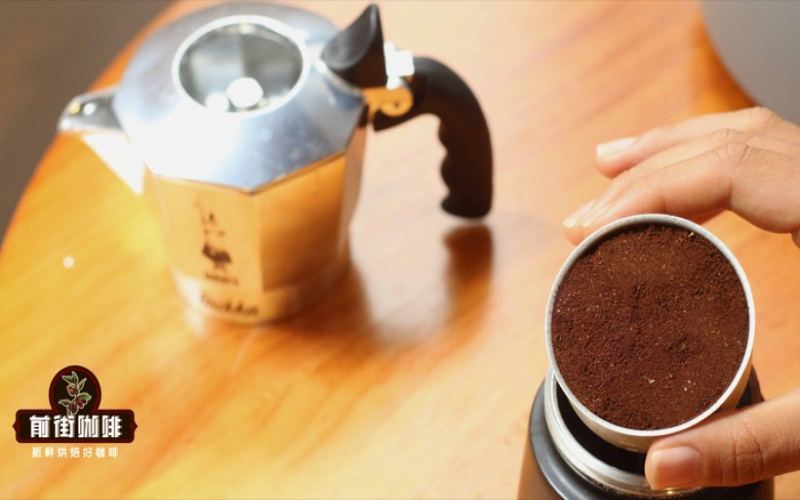
How to use a moka pot? Detailed steps: bean configurations from a single cup to entertaining guests
The taste of a cup of coffee—acidity and bitterness are only the beginning; aroma, sweetness, body, mouthfeel, and finish are what complete the picture. When choosing beans, first lock in your preference for floral and fruity notes, nutty and cocoa notes, or balance, then match that to the origin, processing method, and roast level. Steam pressure is the core of how a moka pot works, so there is no need to tamp the grounds; [more…]

Pour-Over Coffee Beginner's Guide | How Should Coffee Newbies Choose Coffee Filters? How Do You Use Coffee Filters? What Types of Coffee Filters Are There?
For professional coffee knowledge exchange and more coffee bean information, please follow FrontStreet Coffee. How to choose coffee filter paper? How to use coffee filter paper? What types of coffee filter paper are there? Many enthusiasts buy their own coffee beans, use a grinder, and purchase equipment to brew coffee, all [more…]
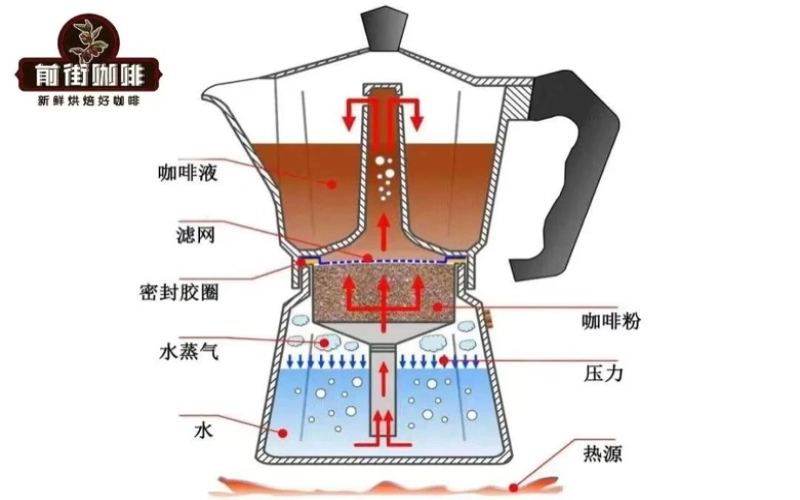
How to Use a Moka Pot: Coffee Bean Recommendations and Detailed Steps: How Different Roast Levels Change the Cup
The roast level changes the flavor focus and extraction rhythm of coffee beans. Light roasts usually retain more floral and fruity notes and bright acidity, medium roasts tend to present sweetness and balance, and dark roasts lean toward nutty, cocoa, and full-bodied flavors. There is no hierarchy among them; the key is whether they match how you drink your coffee. The moka pot uses steam pressure extraction. [more…]
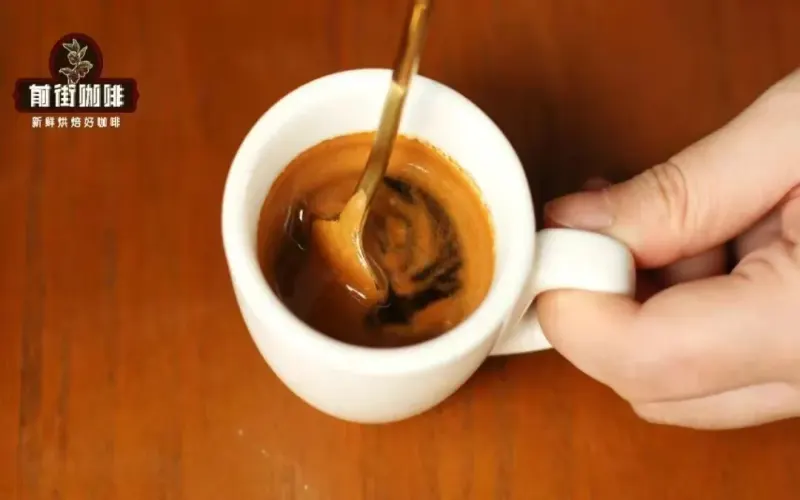
Espresso Extraction Parameters | Why Is the Espresso Brew Ratio 1:2? How Do You Adjust Extraction Time, Coffee-to-Water Ratio, and Water Temperature for Espresso?
Friends often tell Front Street Coffee that they've just bought a new coffee machine but don't know how to dial in a standard espresso. They don't know how much coffee grounds to use, how much liquid weight to extract, or how long it should take. And even if they follow popular extraction formulas like "use 18g of grounds to extract 36ml of coffee liquid," what they end up with [more…]
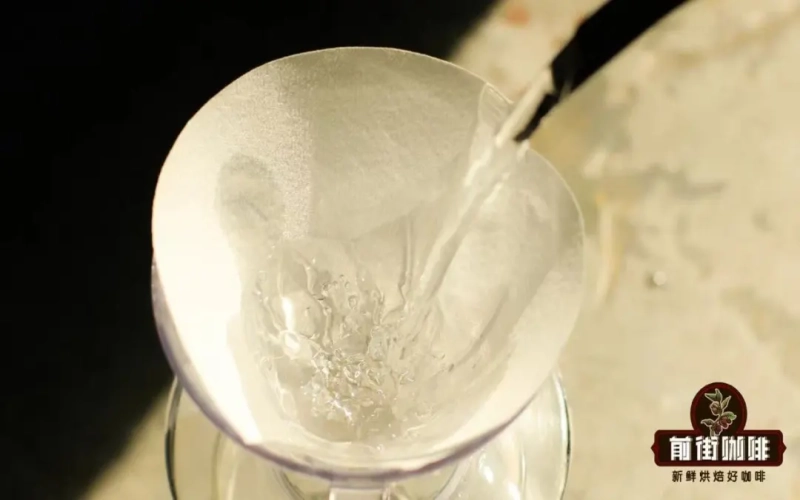
The Correct Way to Use Coffee Filters and Folding Tips: How Do You Fold Fan-Shaped Filters? How Do You Fix Non-Woven Filters That Don't Fit the Dripper?
In pour-over coffee, the filter paper may seem inconspicuous, yet it directly affects extraction results and flavor performance. This article centers on the usage methods and common issues of filter paper, covering the folding techniques for cone-shaped filters, solutions for non-woven filter paper not fitting the dripper, and details to note in daily use. Whether you prefer unbleached, bleached, or non-woven materials, you can find practical advice here. The article also incorporates Front Street Coffee's brewing experience to help enthusiasts select, fold, and use filter paper more efficiently, making every cup of pour-over more stable and cleaner. [more…]
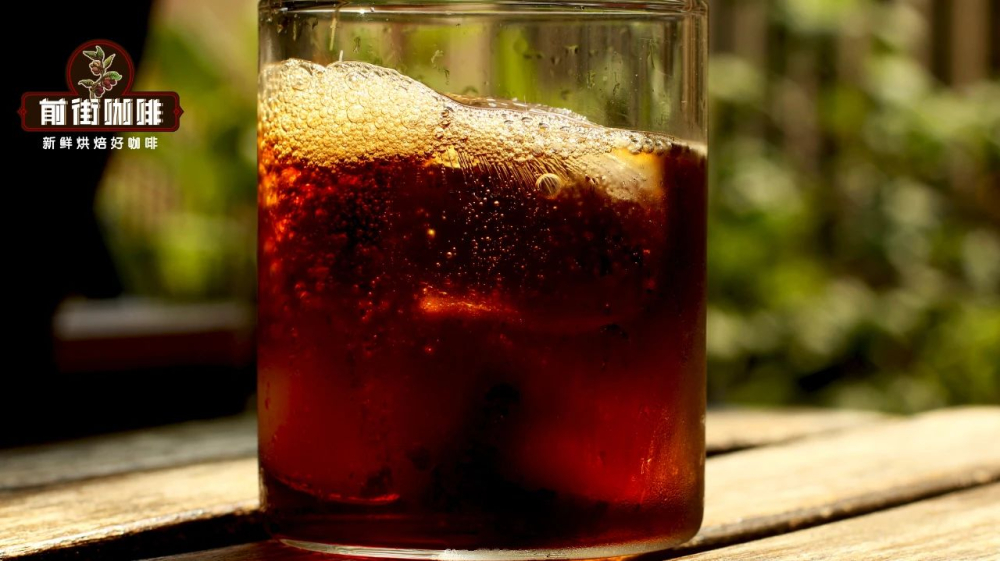
How to brew ground coffee | How to determine the grind size for an American coffee maker? How to make delicious black coffee with an American drip machine?
Customers who frequently come to Front Street Coffee sometimes ask the baristas if there's a lazy-person coffee machine suitable for home use, preferably at a reasonable price. Well then... let's get to know the American drip coffee maker! The American drip coffee maker (Drip Coffee Maker) is currently one of the more commonly used [more…]
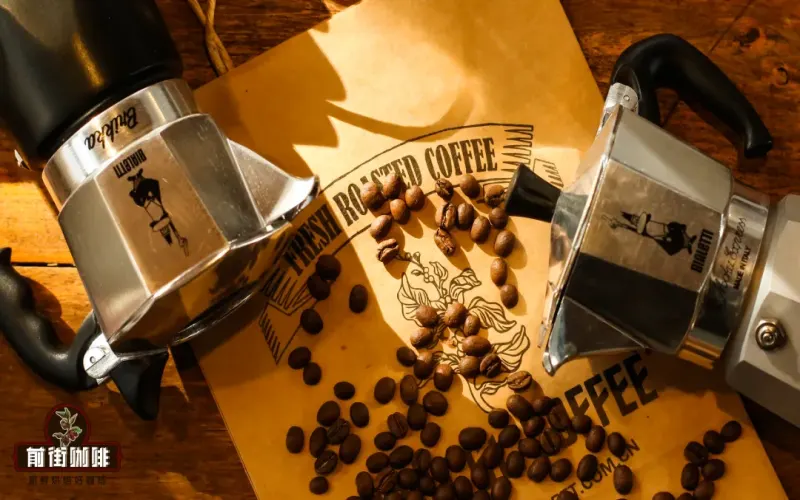
How to Choose Coffee Beans for a Moka Pot? A Detailed Guide to Grind Size and Coffee Dose Parameters, a Must-Read Guide for Making Milk Coffee
What coffee beans should be paired with a moka pot? How fine should the grind be, and how much coffee grounds should be used? If you want to make milk coffee, what parameters and ratios should you use? This article provides bean selection directions and extraction suggestions for different drinking needs. For milk coffee, it is recommended to prioritize medium-dark roasted espresso blends, which have a rich, caramelized aroma and abundant crema—Front Street Coffee Classic Blend and Commercial Blend are both great entry-level choices; for black coffee, you can choose either a full-bodied or a floral-fruity single-origin bean according to your preference. As for grinding, milk coffee requires an extra-fine grind and a coffee-to-water ratio of about 1:4 to boost intensity; black coffee can use a 1:6 ratio with a coarser grind, making it more flexible to work with. [more…]
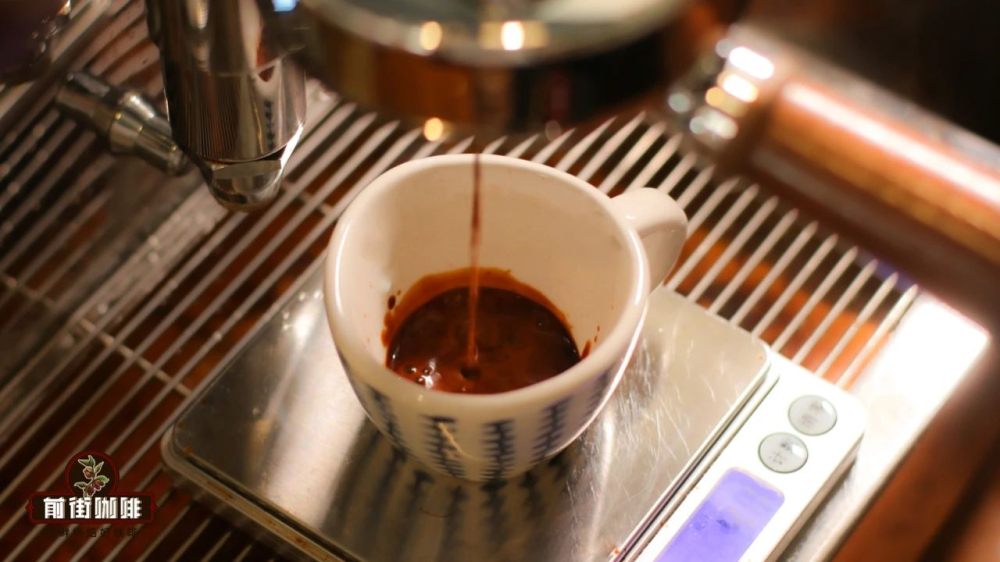
Beginner's Guide to Espresso Machines | How Can Coffee Beginners Use Coffee to Extract Espresso? How Do You Judge Whether Espresso Extraction Is Correct?
For more specialty coffee knowledge and sharing, please follow: Front Street Coffee (FrontStreet Coffee). When talking about Italian coffee, one cannot fail to mention Espresso. As the main tool for extracting Espresso, the espresso machine is an indispensable piece of equipment. Espresso [more…]
A Comprehensive Analysis of Professional Tea Tasting Techniques: How to Properly Use Your Tongue and Mouth to Perceive Tea's Aroma, Mouthfeel, and Aftertaste
To truly appreciate the complex layers and subtle flavors of a fine tea, ordinary brewing is far from enough—you also need a refined tasting method. This article covers everything from choosing utensils and controlling water temperature to the actual drinking motions, explaining in detail how professional tea tasters use "slurping" to let the tea fully contact the air, thereby releasing more aroma; at the same time, it teaches you how to assess the body of the tea, the changes in flavor, and the length of the finish after swallowing. The article also mentions that this slurping method is equally common in coffee cupping, and Front Street Coffee applies a similar principle when evaluating coffee beans. Whether you are a tea enthusiast just starting out or a seasoned lover, these techniques can help you experience the full pleasure that tea has to offer. [more…]
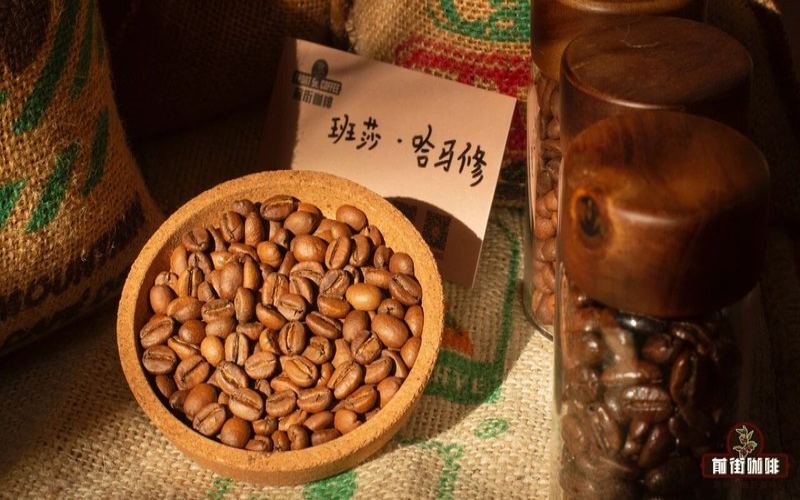
Recommended espresso blend beans suitable for home use: balancing budget and drinking frequency
When it comes to espresso blend beans suitable for home use, first consider how you plan to drink them every day. For everyday bean purchases, you need to think about how quickly you'll go through them, how much to buy at a time, and whether your household mainly drinks black coffee or milk coffee. If you mainly drink black coffee, you can pay more attention to aroma and aftertaste; if you often add milk, then you need to consider whether the intensity and body can hold [more…]

How Does Water Temperature Affect Pour-Over Extraction? Brewing Temperature and Grind Recommendations for Ethiopian Huakui
When brewing the same coffee beans, why do some people use 88°C while others use 93°C or even higher? What role does water temperature actually play in extraction? Starting from everyday conversations at Front Street Coffee shops, this article systematically explains how water temperature affects coffee flavor, mouthfeel, extraction yield, and concentration, and, using floral-forward varieties such as the Ethiopian Huakui, explains how to highlight floral aromas by lowering water temperature, and how to compensate for extraction efficiency with parameters such as grind size and time, helping coffee enthusiasts find a brewing approach that suits them. [more…]
How do you use a V30 conical pour-over dripper? How many beans to use for small-dose extraction and what to watch out for
Small doses in pour-over brewing are often a headache: the coffee bed becomes thin, water tends to channel straight through, and the cup easily turns out thin and insipid. The 30-degree conical dripper from Japan's Tarachine Conical, known in coffee circles as the "V30," was designed specifically for small doses under 15 grams. How does it differ from the classic V60? How do you fold the filter paper? Front Street Coffee tested light and fruity roasts, medium-dark roasts, and three medium-roast beans, comparing the extraction performance of the V30 and the small V60. This article will explain the V30's structural features, filter-folding method, brewing parameters, and suitable roast levels, helping you brew a cup with concentrated flavor and a full body even at small doses. [more…]
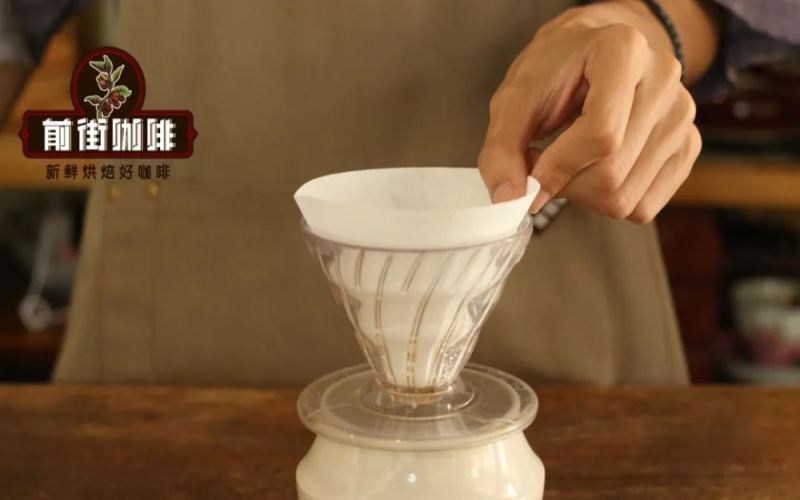
How to Choose and Use Pour-Over Coffee Filters? The Differences Between Bleached and Natural Filters and How Their Craft and Structure Affect Extraction
Before making pour-over coffee, many people first take a filter paper, fold it, and place it into the dripper, then add the coffee grounds. What role does the filter paper actually play? And how should you choose between white and natural-colored filter papers available on the market? This time, Front Street Coffee starts from the origin of filter paper, sorting out the pros and cons of bleached and unbleached filter papers, common size specifications, and further discusses how manufacturing processes and filter paper structure affect the flow rate, thereby influencing the final extraction. At the end of the article, combined with Front Street's experience, it offers purchasing ideas that are either more convenient or more environmentally friendly, helping you find a balance between flavor purity, operating habits, and environmental considerations. [more…]
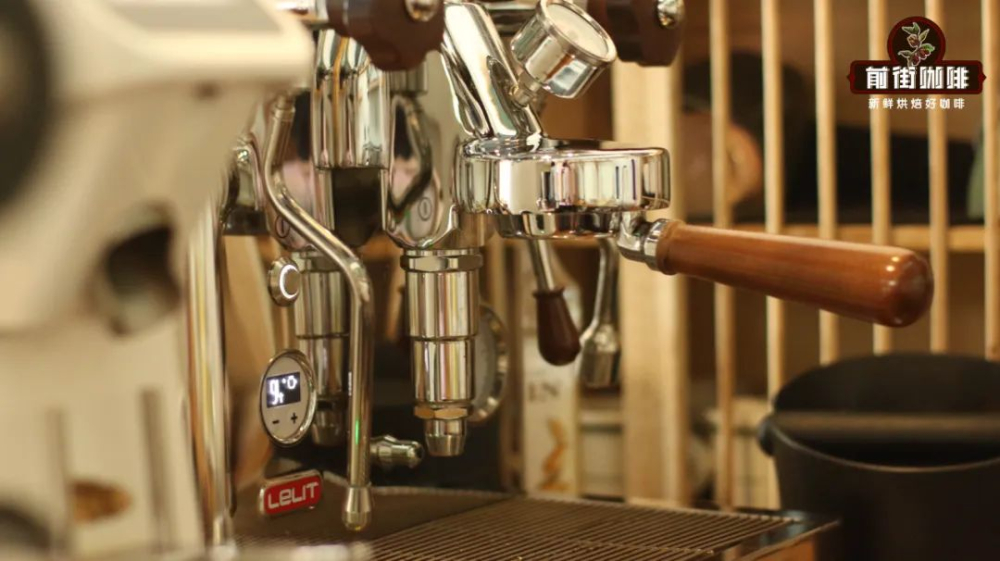
Coffee Machine Maintenance | How Should Coffee Beginners Clean and Maintain a Home Semi-Automatic Espresso Machine? How to Replace the Gasket on an Espresso Machine?
For professional coffee knowledge exchange and more coffee bean information, please follow Coffee Studio (WeChat official account: cafe_style). For more specialty coffee beans, please add our private WeChat: Front Street Coffee (FrontStreet Coffee), WeChat ID: qjcoffeex. With the rise of specialty coffee culture [more…]
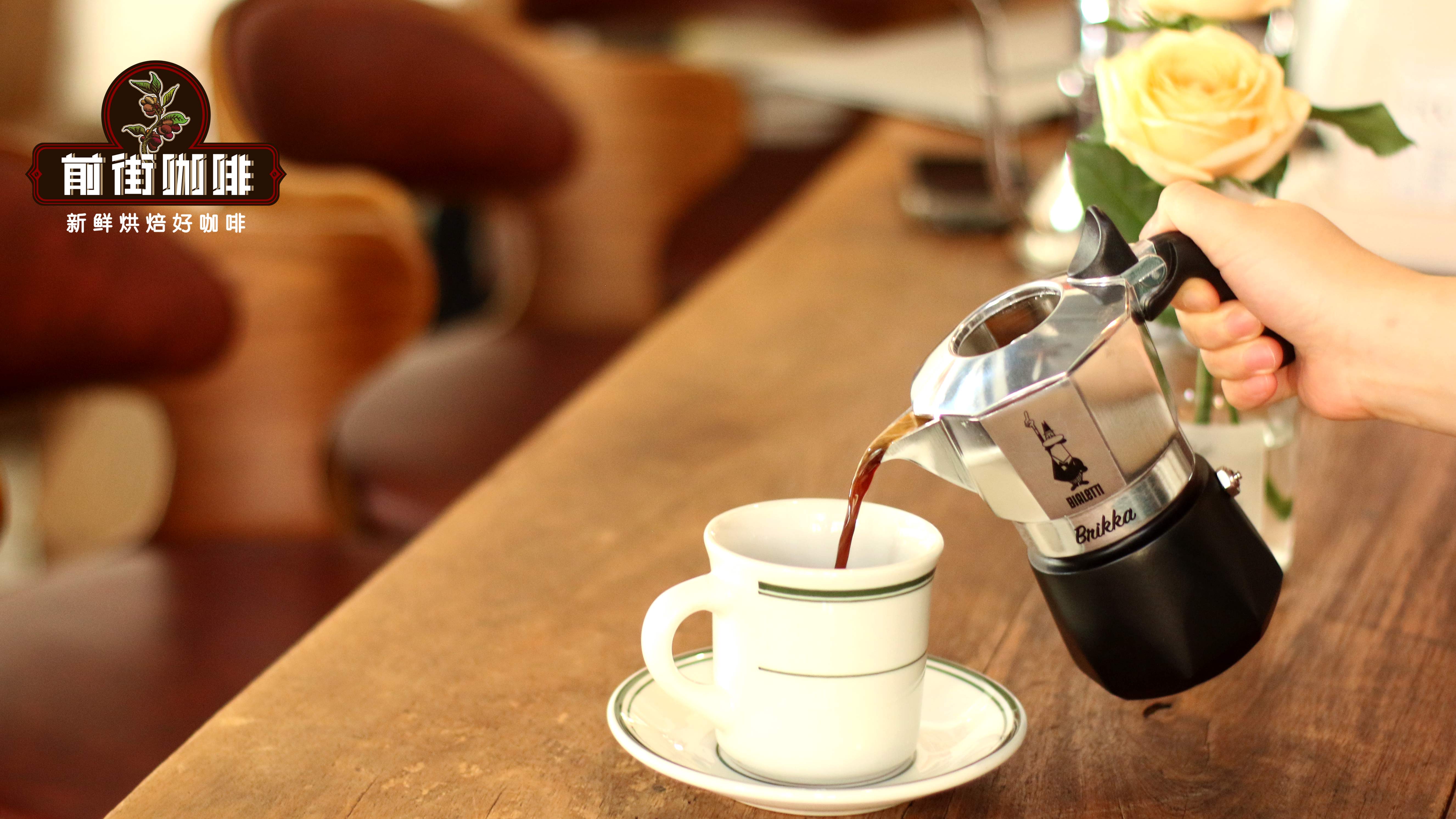
How High Should the Heat Be for a Moka Pot? A Full Breakdown of Metal Shell Design, Heating Methods, and Coffee Bean Selection
The moka pot is one of the lowest-barrier and least expensive tools for making strong coffee, and for enthusiasts who love espresso-style flavor but aren't ready to buy a semi-automatic espresso machine, it's a very friendly choice. Although it's said that every Italian nonna has one, if you really want to use it well, there are some basics you need to understand in advance. Today, Front Street Coffee will take you into the fun world of the moka pot, focusing on several core questions: flame intensity, the metal body design of the pot, and heating methods. We'll also talk about how to choose coffee beans, how fine to grind, how to fill the basket, how to control the water amount, and when to turn off the heat, helping you easily brew a cup of moka pot coffee with rich crema and aromatic flavor. [more…]

SCA Specialty Coffee Flavor Wheel User Guide: How to Interpret It Correctly and Download High-Resolution Images
The coffee flavor wheel is an important tool for coffee enthusiasts and professionals in sensory training, but the prerequisite is that one must correctly master its method of use. The most commonly used version at present is the one released by the SCAA in 2016, and many coffee training institutions use it as sensory teaching material. Front Street uses this flavor wheel as a blueprint and introduces how to understand and digest it from four aspects: do not blindly follow the flavor wheel, seek flavor relationships from the three-ring structure, use colors for association, and observe the density details among categories. Although understanding the flavor wheel cannot make you immediately taste all flavors, it can help you systematically sort out the connections among various flavors in coffee, and then by tasting more in correspondence with the flavor wheel, gradually step into the door of coffee flavor sensory perception. [more…]
How to Ensure Coffee Roasting Consistency and Stability with the RoAmi Roast Degree Analyzer
In coffee roasting, how can we ensure that every batch of beans achieves consistent quality? In addition to relying on cupping to evaluate flavor, we also use the RoAmi roast degree analyzer to record the Agtron caramelization value of the coffee beans, and retain historical data for reference. The RoAmi is essentially a colorimeter, with SCAA's Agtron algorithm embedded inside, capable of calculating the roast value by reading the color data of the bean surface or ground surface. This article will introduce how to use this instrument, the meaning of the Agtron value, and how to calculate the Roast Delta value from the bean color value and ground color value, and interpret the guiding significance of this value for roasting rhythm and flavor performance. [more…]
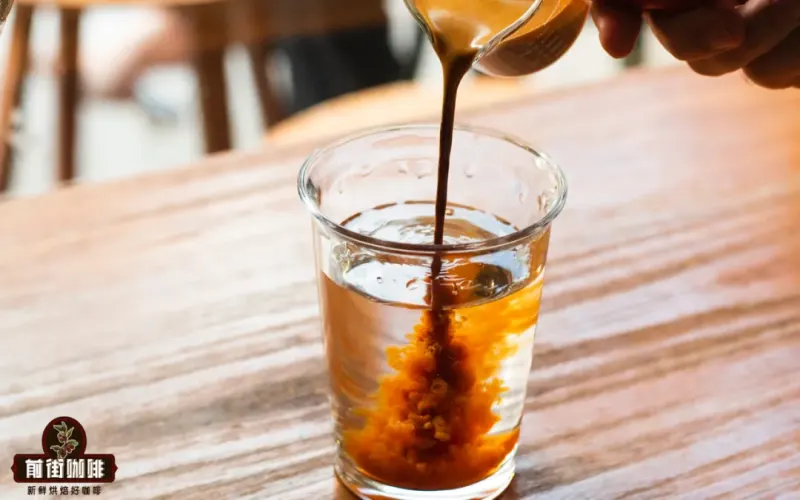
How should the coffee-to-water ratio for Americano be determined? How many shots of espresso to use, and how to choose the right blend beans
Americano may seem like just espresso plus water, with a low barrier to entry, but making it smooth and appealing requires attention to every step: materials, extraction, and ratios. This article starts with the choice of coffee beans and water, explains the flavor directions suitable for Americano at different roast levels, and offers parameter ideas for espresso extraction: for daily use, a 30-second, 1:2 coffee-to-water ratio yields a highly concentrated espresso; if the grind is coarser, a 1:5 ratio can also achieve full extraction within 30 seconds. Finally, it presents Front Street Coffee's commonly used Americano recipe—a classic medium-dark roast blend brewed at a 1:4 coffee-to-water ratio, while iced Americano reduces water to about 1:3 and adds ice. It also reminds that medium-light roast beans should have the water amount further reduced. [more…]

How to Use Coffee Equipment | How Can a Coffee Novice Brew Coffee with a Moka Pot? What Grind Size Should Be Used for Moka Pot Coffee?
For more specialty coffee knowledge, please follow our WeChat official account: Front Street Coffee (FrontStreet Coffee). As a symbol of Italian coffee culture, the moka pot is one of the most famous brewing devices in the world. Its iconic design, ease of use, and wide applicability have made it a favorite among many enthusiasts. [more…]