







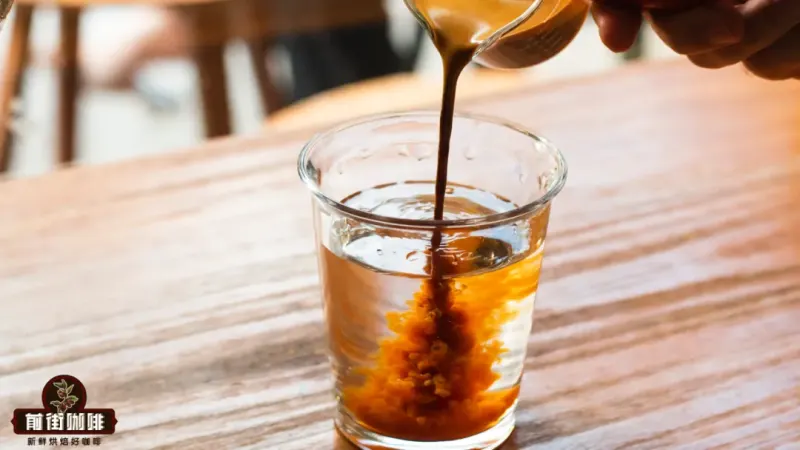
How Do You Balance an American Coffee Ratio?
Start with a 1:2 espresso ratio in about 30 seconds for a concentrated shot, then dilute toward 1:4 for a standard Americano. A coarser grind at roughly 1:5 can extract fully within 30 seconds. For iced versions, cut the water to about 1:3 and add ice, and reduce water further when using medium-light roasts.
Bean choice shapes the result as much as the numbers. A medium-dark blend of Yunnan washed small-bean coffee and Brazilian semi-washed coffee, sold for commercial use and home machines, brings nutty notes with ripe plum acidity and a balanced cup. Water quality also matters, since hardness changes how solubles release and how the drink tastes.
American coffee may seem like just espresso with water added, with a low barrier to entry, but to make it smooth and appealing, every step—from materials to extraction to ratios—requires careful attention. This article starts with the choice of coffee beans and water, explains the flavor directions of American coffee suited to different roast levels, and offers parameter ideas for espresso extraction: for daily use, a 30-second, 1:2 coffee-to-water ratio can achieve a highly concentrated espresso, while with a coarser grind, a 1:5 ratio can fully extract within 30 seconds. Finally, it presents Front Street Coffee's commonly used American coffee recipes—a medium-dark roasted classic blend at a 1:4 coffee-to-water ratio, and for iced American coffee, reducing water to about 1:3 and adding ice, while reminding that medium-light roasted beans should further reduce water.
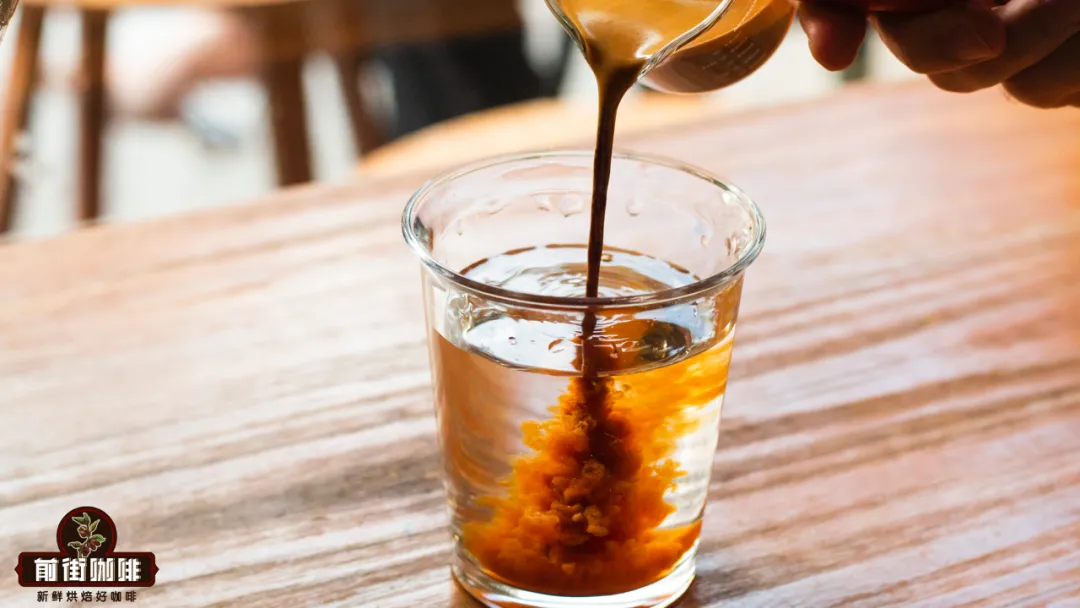
The essence of American coffee is simply black coffee made by adding an appropriate amount of clean water to espresso. It requires no exotic ingredients and no complicated techniques, so it is often seen as one of the easiest coffees to make. Objectively speaking, there's nothing wrong with that.
Pouring water into prepared espresso really doesn't involve much technical skill. But if the goal is to make a smooth, appealing cup of American coffee, there are still many details worth considering.
The selection of ingredients, control of extraction, and the proportional balance among elements all affect the final performance of the cup. Individually they seem inconspicuous, but each choice is directly reflected in the cup. So today, Front Street Coffee will discuss what aspects to pay attention to when making a delicious American coffee.
First, choose the right materials
Many people think the most critical material for American coffee is none other than coffee beans. For home brewing, you can purchase Front Street Coffee's Black Cocoa Basic Blend, which is suitable for various coffee shops, bakeries, beverage stores, and home coffee machines. This bean consists of Yunnan washed small-bean coffee and Brazilian semi-washed coffee, combining nutty notes with the acidity of ripe plums. After grinding, you can smell cream chocolate and cocoa cookie aromas. The flavor is balanced, and the crema shows a golden luster, making it suitable for both commercial and home use.
In addition, water is equally crucial for American coffee. Water itself has no color or taste, but there are actually significant differences between waters from different sources. Front Street Coffee believes most people can distinguish between different brands of bottled water on the market, as their smell and taste change due to differences in mineral content and treatment methods.
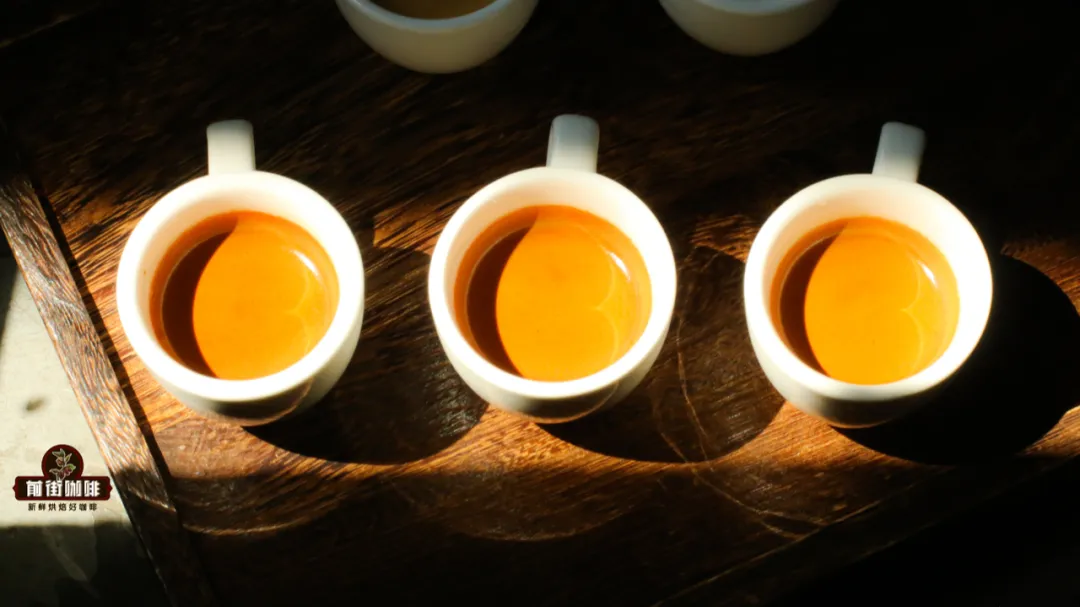
In a cup of American coffee, nearly 98% of its composition is water. Although most of it does not participate in the extraction process, it still influences the taste and mouthfeel of the American coffee. Some waters make the coffee taste fuller, while others make it lighter. Therefore, when conditions allow, it's worth paying extra attention to the water when making American coffee.
Next are the beans. The choice of coffee beans directly determines the flavor and aroma direction of the entire cup, so to make an American coffee that suits your taste, you need to pick the right beans.
The range of coffee beans usable for American coffee is very wide, because it's just espresso plus water—there's no need to worry about whether the coffee flavor harmonizes with other ingredients, and you can freely choose according to personal preference.
If you want a cup with rich roasted aroma, low acidity or even no perceptible acidity, and a clear sweet aftertaste, then you can choose medium, medium-dark, or dark roasted single-origin or blended beans. For home coffee machines, you can buy Front Street Coffee PWN Golden Mandheling, Front Street Coffee Queen's Estate, Front Street Coffee Classic Blend, Front Street Coffee Commercial Blend, etc. The American coffees made with them all exhibit the above characteristics.
If you prefer an American coffee with floral and fruity notes, transparent and bright, with sweet and sour as the main tone, then you can choose light or medium-light roasted beans. Top choices include Front Street Coffee Sun-Dried Huakui, Front Street Coffee Sidra, Front Street Coffee Boquete Geisha, etc. The American coffees made with them not only have bright fruit acidity but also carry a faint floral fragrance, performing quite well.

Second, "cook" the ingredients well
After choosing the coffee beans, the next step is to find suitable parameters to extract the flavor substances from the beans. To be honest, one reason Front Street Coffee likes American coffee is that it doesn't require excessive fussing over espresso concentration. By the same logic, the only materials are espresso and water, so American coffee won't become overly watery just because the espresso concentration is low—after all, it is almost entirely water itself.
For this reason, as long as the extracted coffee doesn't have too much unpleasant bitterness and doesn't show obvious sharp acidity from under-extraction, then no matter the liquid weight or concentration—it! doesn't! matter!
Taking Front Street Coffee as an example, for daily espresso making, the usual parameters are 30 seconds and a 1:2 coffee-to-water ratio, meaning 20g of grounds extract 40ml of coffee liquid, with time controlled around 30 seconds. This formula ensures the extracted coffee has both full flavor expression and sufficiently high concentration, allowing a large amount of milk to be added to make a rich milky coffee.

When the grind is coarser, Front Street Coffee increases the liquid weight to raise the extraction yield. For example, using a 1:5 coffee-to-water ratio, still 30 seconds, meaning 20g of grounds extract 100ml of coffee liquid in 30 seconds. Although this formula cannot produce highly concentrated espresso, the extraction is equally thorough, and the coffee's flavor can be fully presented.
Finally, find the right ratio
After the espresso extraction is complete, the final step is to determine the ratio of espresso to water to make a cup of American coffee with suitable concentration and good taste.
This is actually not difficult. Simply add a certain amount of water to the espresso and slowly taste. If it tastes too strong, add more water; if too weak, add less next time. This is how Front Street Coffee's American coffee ratio was developed (actually, everyone does it this way).
Taking Front Street Coffee as an example, for daily use, medium-dark roasted Front Street Coffee Classic Blend is used. Following the previously mentioned 1:2 coffee-to-water ratio and 30 seconds, a highly concentrated espresso is made, then water equal to 4 times the espresso volume is added to make American coffee, i.e., coffee to water at 1:4, 40ml of coffee liquid with 160ml of hot water. The American coffee made at this ratio has just the right concentration, and the coffee's own caramel, chocolate, nut, and butter cookie flavors are all well displayed.
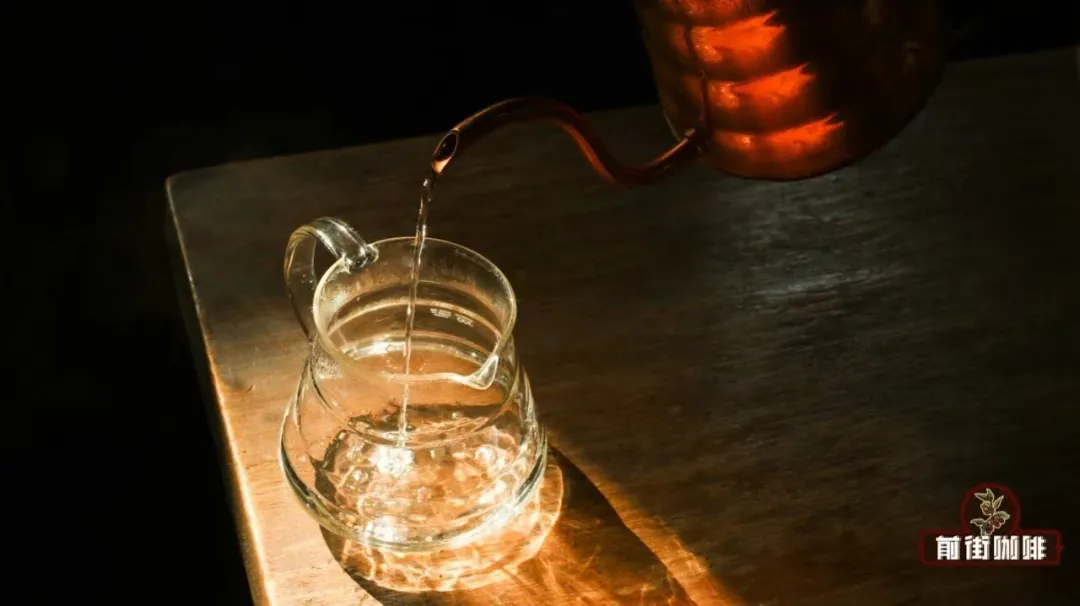
If making iced American coffee, the water amount should be appropriately reduced, with a coffee-to-water ratio of about 1:3, then add 100g of ice cubes to lower the temperature.
The above are all plans for making American coffee with medium-dark roasted beans. If using medium-light roasted coffee beans instead, the water amount should be even less. Because light roasted coffee is not as intensely flavored as dark roasted, it doesn't need much water to dilute.
The above content is compiled by CoffeeHunters, a coffee news website.


