








Blending coffee and other ways to use leftover beans
A 100-gram bag brewed at 15.5 grams per cup yields six brews and about 7 grams left over, which is rarely enough for another full pot. Around 10 grams, the lower limit of an 01 dripper, the beans can be brewed directly. Keep the coffee-to-water ratio the same, grind finer to offset the faster flow, and pour a small, slow stream.
When one bean runs short, blending coffee is the practical option: top up the dose with another bean on hand and adjust the grind to suit the mix. Leftover beans can also become ornaments or specimens rather than waste. Beginners and seasoned enthusiasts who stockpile bags both run into odds and ends, and why are some coffee beans oily is a separate question that aging and roast level usually explain.
How many grams of coffee beans do you actually need for each pour-over? Can you still brew a good cup with less than 15 grams? Many people, after opening a bag of beans, always end up with some scattered leftovers that aren't enough to brew a full pot. How exactly should these "odds and ends" be handled? Starting from calculating usage, and combining Front Street Coffee's practical operating experience, this article shares three practical approaches to dealing with leftover coffee beans: grinding and pouring adjustments for direct brewing, blending principles between different beans, and creative ways to turn beans into ornaments or specimens. Whether you're a beginner just getting started or a seasoned enthusiast addicted to stockpiling beans, you'll find ways to avoid waste and make the most of what you have.

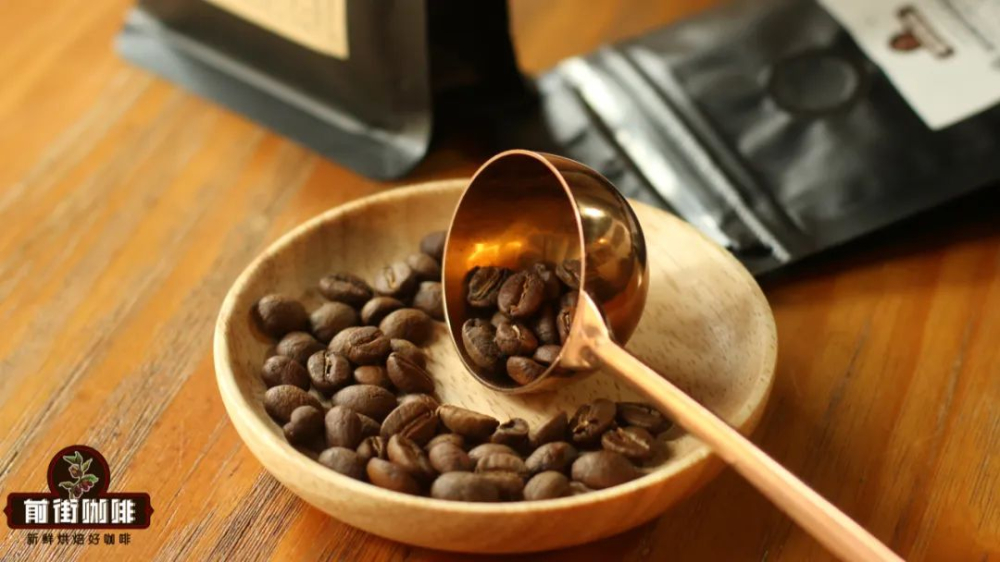
In many cases, it's hard for a bag of coffee beans to be used up exactly in brewing. For example: suppose a bag of beans weighs 100 grams, and a single brew requires 15.5 grams, of which 15 grams go into the brew and 0.5 grams are used to clean the grinder. Then this bag can complete 6 brews, consuming 93 grams in total, with 7 grams left at the end.
This is just a hypothetical scenario—the actual leftovers might be more or less—but it's basically certain that the remaining amount often isn't enough for the next full pot. So the problem arises: how do you plan to deal with these beans that aren't enough for one brew? Let's first look at how Front Street does it.
1. Just brew it directly
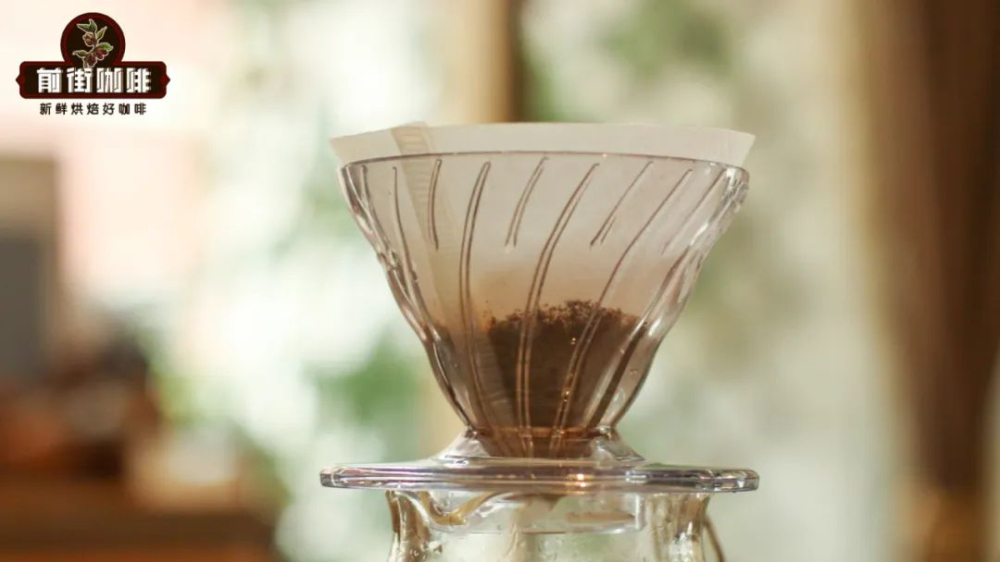
When the remaining beans are around 10 grams, Front Street usually brews them directly, because this amount is just the lower limit of the 01 dripper (any less and it's hard to brew something tasty). However, too little coffee grounds will make the bed thinner and speed up the water flow, so to get a cup with a suitable taste, the brewing technique must be adjusted accordingly.
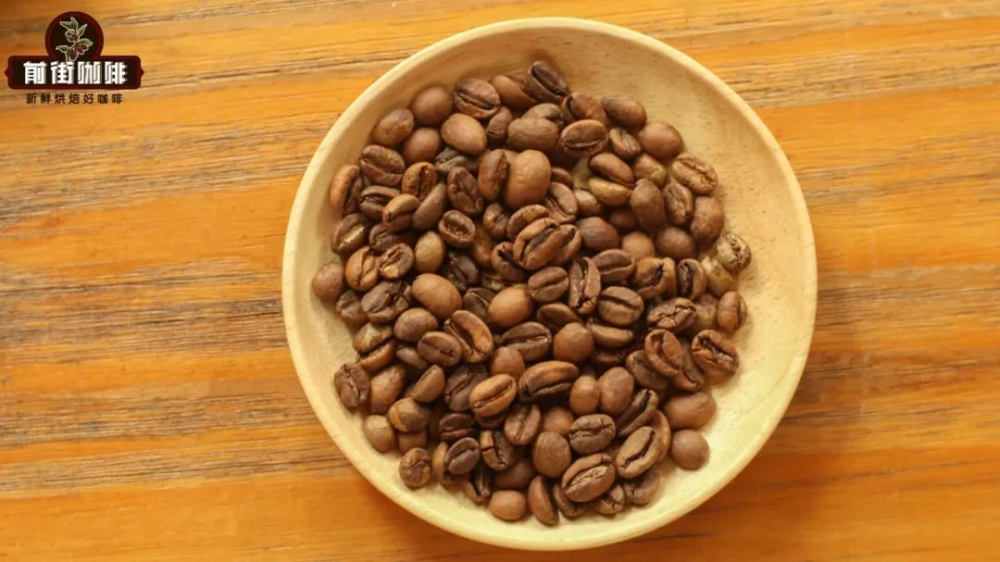
Front Street's specific approach is: keep the coffee-to-water ratio unchanged, grind finer to compensate for the drop in extraction efficiency caused by the faster flow rate; when pouring, use a small stream of water throughout, adding water slowly to extend the extraction time and allow the flavors to release more fully.
2. Blend them
If one bean doesn't have enough left for a full pot, and you have another bean on hand, you can blend them together. Just top up the total to the amount needed for one pot—this is also Front Street's most commonly used approach.
But blending has its own tricks. If you mix two beans with completely mismatched styles, the resulting cup might be hard to stomach! (Like the pot a Front Street colleague brewed one morning with Mandheling blended with Geisha.) So, in order not to let down beans you paid a high price for, and to blend a tasty coffee, Front Street suggests referring to the following principles before you start.
Similar roast level: As everyone knows, different roast levels give beans different "constitutions." Light-roasted beans are harder in texture and need stronger extraction; dark-roasted beans are porous and need a gentler extraction method. If you blend these two beans with completely opposite needs, it's very hard to find a set of extraction parameters that lets both perform well.
So the prerequisite for blending is a similar roast level. When you have two beans of roughly the same roast degree, combining them may let their different flavors collide into a surprising result.
3. Make them into ornaments
In yesterday's article, Front Street mentioned that the Coffea genus has more than 130 species, and each species is further divided into numerous varieties. Their forms differ, and their sizes vary too. Therefore, if you're a heavy coffee enthusiast, you can absolutely turn leftover coffee beans into specimens for collection.
Making specimens isn't as troublesome as you might imagine. As long as the beans used for collection haven't become oily, preparing a clean, transparent, small sealed bottle will let them be stored for a long time without spoiling or rotting.
In addition, you can also make coffee ornaments that don't last as long but look very nice, such as the coffee-bean Christmas trees and coffee-bean decorations that have been popular in recent years. They provide visual enjoyment while also absorbing odors in the space—two benefits in one.
So, how would you deal with coffee beans that aren't enough for a full pot?
- END - Front Street Coffee
No. 10, Baoqian Street, Yandun Road, Dongshankou, Yuexiu District, Guangzhou, Guangdong Province
The above content is compiled by CoffeeHunters, a coffee news website.


