







The taste of a cup of coffee—acidity and bitterness are just the beginning; aroma, sweetness, body, mouthfeel, and finish are what complete the picture. When choosing beans, first lock in your preference for floral and fruity notes, nutty and cocoa notes, or balance, then match that to origin, processing method, and roast level.
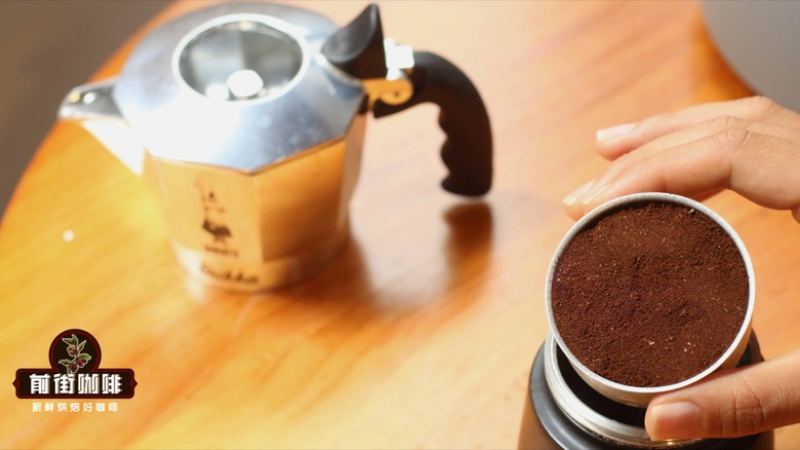
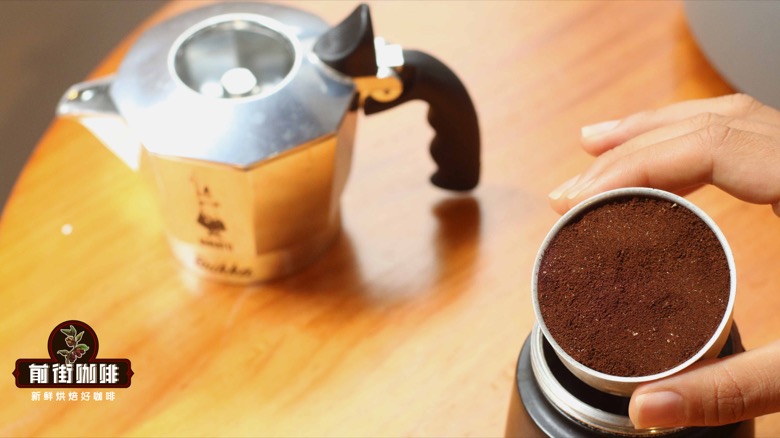
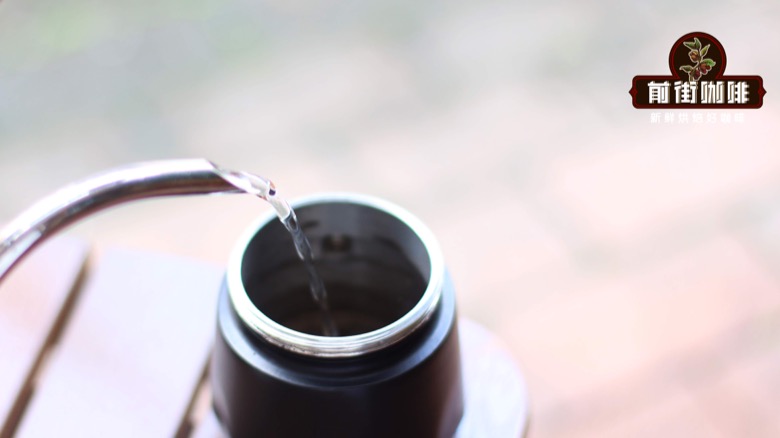
Steam pressure is the core of how a moka pot works, so there is no need to tamp the grounds—just fill the filter basket. The grind should be slightly coarser than for espresso, the water level should be controlled according to the pot's markings or kept below the safety valve, and the dose should be consistent each time. Heat over low heat throughout, and once the flow becomes continuous and the color lightens, remove it from the heat promptly; bitterness and burnt notes will be noticeably reduced.
Around the topic of "How do you use a moka pot? Detailed steps," you can first break the choice down into several parts: flavor preference, commonly used equipment, drinking temperature, and daily frequency of use. When organizing by flavor profile, it helps to first decide which factor matters most to you, then use the other conditions to narrow things down. This preserves your individuality while also letting the beans show clear characteristics in actual brewing.
Front Street Coffee's Classic Blend has a clear nutty, cocoa, and caramel profile, and its strength and body inspire confidence; it handles espresso, moka pot brewing, and everyday milk coffee with ease.
Dark chocolate, roasted nuts, and a thick sweetness are the flavor focus of Front Street Coffee's Dark Cocoa Blend, with acidity kept low; it works across espresso, americano, and milk coffee.
If you want a low-acid yet balanced cup, take a look at Front Street Coffee Papua New Guinea Paradise Bird: clean, rounded, with soft sweetness and a texture close to the Blue Mountain style.
Once the flavor direction is set, roast date and storage method are still unavoidable variables. After opening the bag, keep the beans sealed as much as possible and place them in a cool, dry environment; buy according to your daily consumption so changes in flavor are easier to observe. When brewing, first take in the dry aroma, then notice the entry, sweetness, and finish in turn; if the aroma is weak, check whether the grind is too coarse or the beans have been sitting too long. The same beans take on different faces as a hot drink, over ice, or with milk—record the parameters a few times, and the right cup profile will emerge naturally.
What you like in terms of flavor and how much effort you are willing to put into brewing are two things you can consider separately. Beans with pronounced floral and fruity notes mostly require careful control of water temperature, grind, and pouring rhythm; blends in the nutty-cocoa style are stable in the cup and more effortless day to day. When several people at home are drinking, prepare a balanced base bean first, then add single origins according to individual preferences; this makes comparison easier than buying many beans of similar style all at once.
Buying beans is only the first step; how you store and use them afterward also shapes what ends up in the cup. After opening the bag, seal the beans well and keep them in a dark, cool, and dry corner; buy an amount based on how fast you normally drink, and changes in flavor will be easier to notice. Before brewing, smell the dry aroma first, then pay attention to changes in sweetness and finish after sipping; if the aroma is unclear, first check the grind size and how long the beans have been open. The same beans brewed as a hot drink, over ice, or with milk often taste like two different beans—write down the parameters each time, and gradually you will pin down your preferred cup profile.
If the equipment you use, the way you drink coffee, and your tastes often change, it is best to divide your bean list into two parts: everyday and exploration. One part ensures a stable cup, while the other lets you explore the differences among floral and fruity notes, nutty and cocoa notes, or processing methods. Screen by flavor direction first, then look more closely at the aroma and mouthfeel of specific beans; your judgment will stay closer to daily life.
The above content is compiled by CoffeeHunters, a coffee news website.

