







Search Results for: Honeycomb Toffee

Detailed Guide to the Hit Seoul Dalgona Latte: What Is Honeycomb Toffee? Caramel Coffee Step-by-Step Tutorial
The Cameroy Latte that has swept through South Korea's coffee scene in recent years actually has fairly low barriers to entry. The so-called "Cameroy" refers to a kind of caramel crisp block with honeycomb-like pores; it appeared in the Japanese anime Chibi Maruko-chan as a snack that Maruko loves, and China also has a similar puffed sugar made in a comparable way. Putting this kind of caramel shard into a latte yields a drink that combines caramelized aroma with coffee flavor. This article will start from the origins of Cameroy, then gradually break down the steps for making both iced and hot Cameroy Lattes, including ingredient ratios, operational details, and the flavor performance that Front Street brings through the use of its Warm Sunflower Blend in the preparation, for coffee enthusiasts to reference and practice. [more…]

Complete Guide to Pour-Over Coffee Bed: From Muddy Bed to Crater Bed, Diagnosing Extraction Issues and Grind Adjustment Methods
The joy of pour-over coffee lies in its controllability, yet beginners often find it difficult to judge whether their brewing is done properly. Beyond tasting the flavor, the coffee bed left after brewing is also a mirror that can reflect many details such as grind size, pouring technique, and the speed of circling. An ideal coffee bed should form a uniform cone shape, with neat walls and loose, honeycomb-like granules. If the coffee bed appears muddy, sea-salt-like, uneven, flat-bottomed, or with断层, it suggests that extraction may have gone wrong. This article, drawing on Front Street's brewing recommendations, analyzes the causes and solutions for six typical coffee bed patterns one by one, helping coffee enthusiasts find directions for adjustment from the coffee bed and gradually improve the stability and flavor performance of their pour-over. [more…]
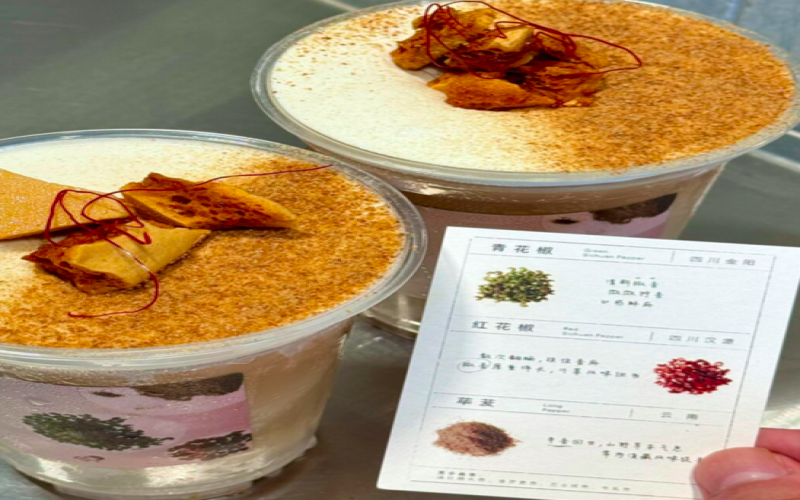
Heytea Chengdu limited-time launch of Sichuan Pepper Dianhong, Sichuan peppercorn and chili in milk tea sparks heated discussion
Recently, milk tea enthusiasts eager to try new things noticed an unusual new product from Heytea while keeping up with major chain brands. According to rumors online, this drink, called "Sichuan Pepper Dianhong," incorporates spices such as red Sichuan pepper into its blend, and the milk cap is garnished with shredded chili peppers, creating a visually striking effect. Many people initially suspected the images were composite fakes until the official product introduction confirmed that Heytea had indeed created a "chili milk tea." The product is available only for a limited time at the Chengdu Chunxi Road store, and its ingredients include Hanyuan red Sichuan pepper, Jinyang green Sichuan pepper, and Yunnan long pepper. Officials explained that the chili shreds are only meant to enhance aroma and that the spiciness is mild, while also offering a heavier numbing version for those who want it. This drink quickly sparked heated discussion online, with sharply divided opinions. [more…]

Luckin's launch of Toffee Hazelnut Milk Tea sparks debate: accused of mixing unsold ingredients to clear inventory, classic latte recipe also adjusted
As the weather turns cooler, Toffee Hazelnut Latte has once again become a hot topic among coffee enthusiasts. Brands such as Starbucks and Peet's have successively announced the return of their classic versions, and Luckin is also reported to be launching a Toffee Hazelnut Latte next week, along with a new "Toffee Hazelnut Milk Tea." However, this new product has sparked collective concern among Luckin employees. According to a leaked recipe, the milk tea uses Assam black tea as its base, with the addition of Toffee Hazelnut Velvet Flavored Milk, brown sugar syrup, Silkido, and Milk Skin Velvet Flavored Milk. Employees pointed out that when Silkido and Milk Skin Velvet are mixed, they form the "tofu pudding"-like milk jelly that was criticized in the previous Milk Skin Latte, and since these two ingredients have long been overstocked, it is being questioned as a mix-and-match move to clear inventory. Meanwhile, this year's returning Toffee Hazelnut Latte is also rumored to have a changed recipe, which may leave consumers who were expecting last year's taste somewhat disappointed. [more…]
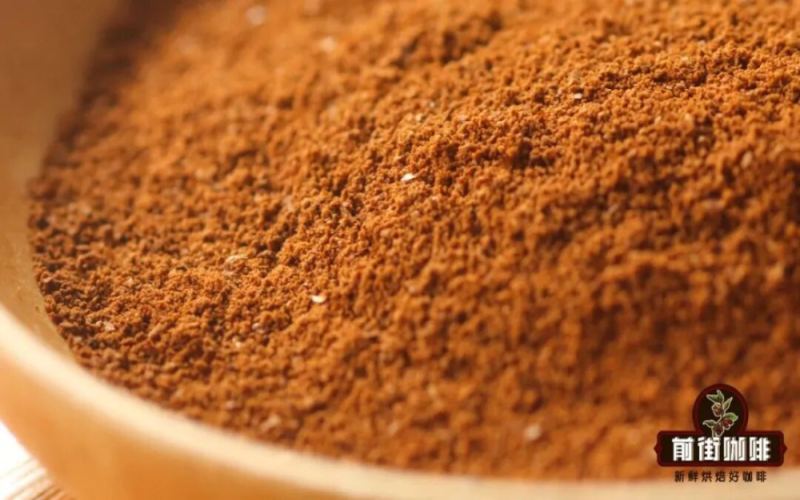
How Fine Should You Grind for Pour-Over Coffee? A Full Breakdown of Hand Grinder vs. Electric Grinder Differences
Among the many variables in pour-over coffee, grind size is a key link that determines the direction of extraction. Particle size directly affects the contact area between water and coffee grounds, which in turn influences flavor expression: too coarse leads to under-extraction, while too fine may cause over-extraction and bitterness. However, many beginners often fall into pitfalls when adjusting the grind—memorizing settings, making drastic grind adjustments, and ignoring uniformity. This article will start from the basic principles of grinding, analyze these common problems one by one, and with the help of Front Street · Little Tomato's comparative test, demonstrate the actual differences between electric grinders and hand grinders in particle distribution and flavor presentation, and finally provide purchasing advice for entry-level equipment to help coffee enthusiasts establish a scientific approach to grind adjustment. [more…]

Starbucks' Toffee Roasted Sweet Potato Tea Latte Sparks Discussion: No Sweet Potato in the Recipe, Consumers' Expectations Dashed
In the cold winter season, Starbucks launched a drink called "Toffee Roasted Sweet Potato Flavored Tea Latte," which sparked a rush among many roasted sweet potato lovers to check in. However, many consumers found after drinking it that this tea latte contained neither sweet potato chunks, nor sweet potato powder or sweet potato flavored syrup; the so-called "roasted sweet potato flavor" was only a similar sweet aroma blended from oat milk, black tea, and toffee syrup. Some even pointed out that the drink was not a new product, but a repackaged version of a secret menu item from last year. With Starbucks collaborating with Xiaohongshu, perhaps "Little Sweet Potato" is the real "sweet potato" element in this drink. This article will sort out the truth about the drink's recipe and consumer reactions for you. [more…]

Step-by-Step Guide to Pour-Over Coffee|Do pouring technique and blooming affect the flavor of pour-over coffee? Which pour-over brewing method is suitable for coffee beginners?
Front Street often encounters many pour-over beginners asking a question: Why does pour-over coffee need blooming? The most indispensable step in pour-over coffee is the blooming phase. The purpose of blooming is to allow the coffee to release gases and ensure even extraction, and it also clearly reveals whether the beans being brewed are fresh. Front Street focuses on freshness [more…]
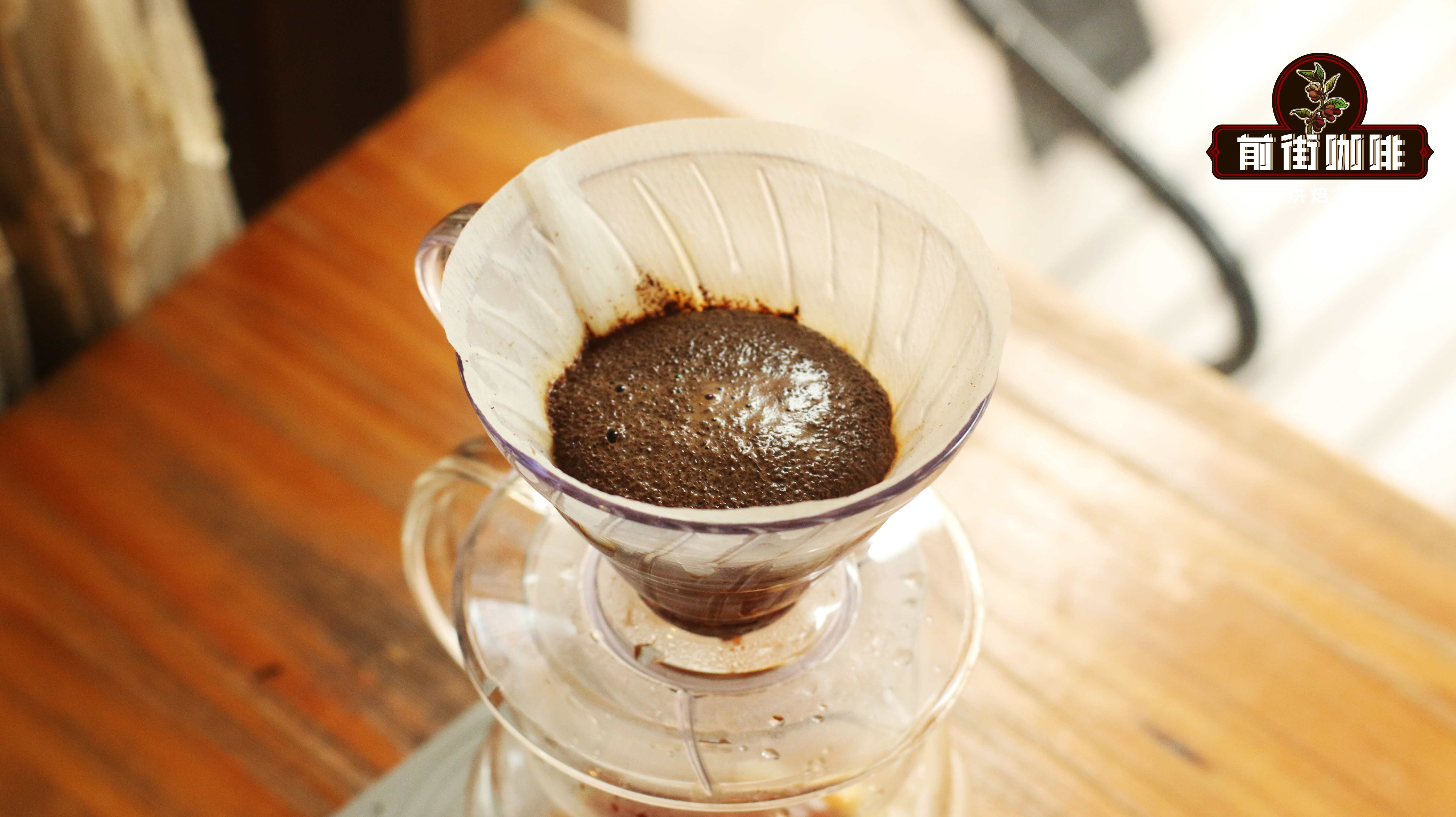
A Complete Guide to Blooming and Pouring in Pour-Over Coffee: Degassing Principles, Key Variables, and a Three-Pour Practice Method
In pour-over coffee, blooming is an indispensable step, as it affects degassing, extraction evenness, and the assessment of bean freshness. Drawing on Front Street Coffee's practical experience, this article breaks down in detail the purpose of blooming and the factors that influence it, including storage time, roast level, water temperature, water volume, duration, and grind size, and explains the complete process of the "little hill" expanding and then collapsing during blooming. The article then provides the specific steps for three-pour brewing: a 30-second bloom followed by two subsequent pours, with the total extraction time controlled at 2 minutes. Finally, through comparative experiments, it analyzes the impact of the number of pours on extraction time and flavor, answering the common question of whether the three-pour method is optimal, and helping coffee enthusiasts build a clearer pour-over logic. [more…]
Why exactly is the bloom in pour-over coffee unskippable? A complete analysis from the principles of degassing to the number of pouring stages
The blooming phase in pour-over coffee may look like simply wetting the coffee grounds with hot water, but it actually determines whether the entire cup can be extracted evenly. Drawing on the hands-on experience of Front Street Coffee, this article systematically sorts out the core purposes of blooming—releasing gases inside the coffee beans, ensuring even extraction, and judging bean freshness—and analyzes one by one how factors such as coffee bean storage time and roast level, water temperature, amount of water poured, blooming duration, and grind size affect the blooming effect. Through comparative experiments, the article also verifies the actual impact of the number of pouring stages on extraction time and flavor performance, helping enthusiasts understand the logic and applicable boundaries of three-stage pouring. [more…]
Basic Knowledge for Pour-Over Coffee Beginners | Is Blooming Essential in Pour-Over Coffee? What Is the Purpose of Blooming Coffee Grounds by Pouring Water? How Do You Adjust the Coffee-to-Water Ratio in Pour-Over Coffee?
Front Street Coffee often encounters many pour-over beginners who ask a question: Why does pour-over coffee need blooming? The most indispensable step in pour-over coffee is the blooming stage. The purpose of blooming is to allow the coffee to release gases and ensure even extraction, and it also clearly reveals whether the beans being brewed are fresh. Front Street Coffee focuses on fresh [more…]

Starbucks Stores Nationwide Overhaul Playlists: Millennium Chinese Pop Hits Replace Jazz and Blues, Sparking Heated Customer Discussion
Starbucks, which has long cultivated a business ambiance with soothing music such as jazz and blues, recently abruptly changed its playlists across stores nationwide, heavily featuring Chinese pop hits from the 2000s, including representative songs by artists such as Jay Chou, David Tao, and Jolin Tsai. This change caught regular customers off guard; some found it refreshingly down-to-earth, while others complained it made it hard to concentrate on work or study. Starbucks staff explained that the move was to celebrate the millennium birth of the Toffee Nut Latte and to build momentum for Christmas activities, and had nothing to do with equity changes. The new playlist is expected to run until the 17th, with interactive karaoke sessions at 1 p.m. and 5 p.m. during this period. [more…]
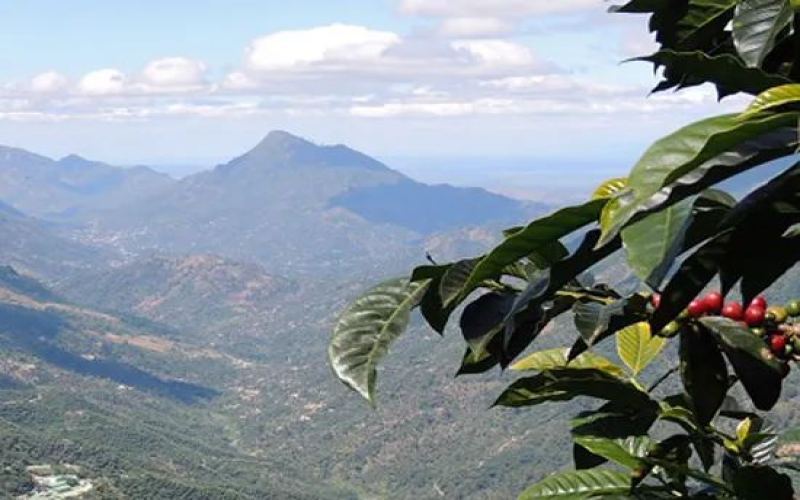
The Evolution of Guatemala's Coffee Industry, the Characteristics of the New Oriente Region, the Introduction of the Geisha Variety, and an Analysis of Front Street Coffee's New Oriente Geisha Beans
Guatemala, with its volcanic geology and microclimates, nurtures coffees of elegant acidity and layered complexity. From the introduction of the crop by Jesuit missionaries in the 18th century, to the rise of coffee after the decline of the indigo economy, and then to the founding of the national coffee association, the industry's trajectory is clear. Among the eight major producing regions, New Oriente, as the youngest, presents complex and varied flavors through its high altitude, abundant rainfall, and mineral-rich soil. Geisha was introduced to Panama by way of Ethiopia, rose to fame in 2005, and Guatemala followed suit in planting it. Front Street Coffee's New Oriente Geisha uses honey processing and a medium-light roast, brewed with a V60, showcasing soft layers of white florals, sweet orange, bergamot, honey, and toffee. [more…]
Exploring the Flavor and Brewing Review of a Dark Roast Kenyan and Mandheling Blend Espresso
Kenyan coffee is usually known for its bright acidity and berry flavors, but have you ever thought about giving it a dark roast? This article takes two Front Street Kenyan coffee beans—Asalia and Karogoto—as examples, subjecting each to a dark roast, and evaluates their flavor changes one by one, from cupping and pour-over to French press and a 1:1 blend with dark-roasted Mandheling made into espresso. After dark roasting, Kenyan coffee's acidity drops significantly, developing spice, chocolate, and toffee notes, though it also loses some of its fine floral and fruity aromas. Ultimately, it was found that blending dark-roasted Kenya with Mandheling at a 1:1 ratio produces rich crema and a full-bodied mouthfeel, and when milk is added, it becomes even thicker and smoother, offering a uniquely delightful flavor. The article also reviews the historical origins of dark-roasted Kenyan coffee and explores the room for choosing roast levels. [more…]
Colombia Rose Valley Coffee Beans: Origin Characteristics and Anaerobic Double Enzyme Washed Flavor Analysis
Colombian coffee is known for its diverse styles and bright fruity notes, and is one of the few single-origin coffees in the world sold under a country name. This article focuses on Front Street Colombia Finca El Arbol Rose Valley, analyzing its cultivation background in the Santander region, Caturra variety, 1,700-meter altitude, anaerobic double enzyme washed processing, and slow drying techniques, breaking down its complex aromas of white peach, strawberry, melon, rose, and champagne, while presenting its creamy toffee-like silky mouthfeel, to give you an understanding of the flavor sources and origin strength of this small-yield star bean. [more…]
Honey-Processed Coffee Beans: A Complete Guide to Pectin Retention and Flavor Differences from White Honey to Black Honey
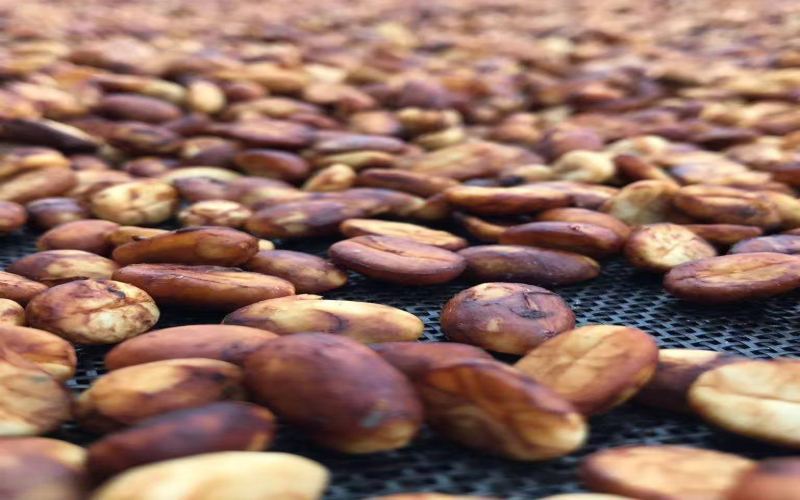
Honey processing is not about processing coffee beans with honey, but rather about retaining different proportions of mucilage for fermentation and drying, thereby creating a rich layering of sweetness and fruity notes. This article will trace the evolution of honey processing from Brazil's pulped natural method to its refinement in Central and South America, explain in detail the key role of mucilage in fermentation, and compare one by one the mucilage retention, drying duration, turning frequency, and raw bean appearance and aroma characteristics of white honey, yellow honey, red honey, and black honey. At the same time, the article also introduces the honey-processed Guatemala New Oriente Geisha on Front Street Coffee's bean list, whose sweet orange, toffee, and bergamot flavors are deeply impressive. [more…]
Colombian Narino Coffee Bean Flavor Analysis: Comparing Cauca and Huila Growing Regions and Quality Grades
Colombia, with its high-altitude coffee belt formed by three Cordillera mountain ranges, can harvest year-round without the threat of frost. Among these, the Narino region is renowned for its balanced and delicate flavor, featuring rich layers of apricot, grapefruit, and toffee, and is of SUPERMO quality. This article provides a detailed analysis of the flavor sources, microclimate conditions, and varietal advantages of Narino, and compares the characteristics and differences with the Cauca and Huila regions, guiding you to a deeper understanding of the diverse charm of Colombian specialty coffee. Front Street Coffee recommends several Colombian beans that are worth trying. [more…]
Colombia Hope Estate Geisha Coffee: A Complete Interpretation from Growing Region Background to Cup Flavor
Colombia is an important producer of specialty coffee worldwide, and Hacienda La Esperanza, as one of the country's top estates, is especially notable for its Geisha variety. This article begins with a recommendation from Front Street Coffee's Huilan, then expands to cover Hacienda La Esperanza's producing region background, cultivation model, and competition honors, before focusing on the specific parameters and flavor performance of this Geisha. You will learn why it uses a light roast and washed processing, as well as the layers of pomelo, honey, blueberry, and toffee it presents from dry aroma through each stage on the palate. The article balances producing-region knowledge with tasting details, making it suitable for coffee lovers who want a deeper understanding of Colombian Geisha. [more…]
Costa Rica Canet Estate Bach Mozart: Raisin Double Fermentation Honey Process Flavor Analysis
Located in the Tarrazú region, Finca Canet showcases the unique charm of a raisin double fermentation honey process through its Bach Mozart coffee beans. These beans use the Yellow Catuai variety, grown at a high altitude of 1,800 to 1,900 meters, with an SHB grade. Yellow Catuai, a hybrid of Mundo Novo and Caturra, was developed in 1949 at the Campinas Agronomic Institute in Brazil, combining disease resistance with a delicate, clean acidity. In processing, the coffee cherries are first dried in the shade until they reach a raisin-like state, then depulped for honey process fermentation, with an extremely high pectin retention rate, claimed to be 100% pectin honey process. The flavor profile is richly layered: the dry aroma features cherry, berries, plum, strawberry, peach, and jasmine; the wet aroma presents delicate floral and fruity sweetness, lemon citrus, and a faint wine-like acidity; on the palate, strawberry, apple, grape, and citrus interweave, accompanied by an unforgettable sweetness of honey and toffee, and a silky, lingering finish like Darjeeling black tea. Front Street Coffee recommends this bean, suitable for coffee lovers seeking complex fermentation flavors. [more…]
How to Make Pistachio Latte and Pistachio Dirty Coffee? A Detailed Guide to the Ingredients Ratios and Key Steps for Nutty-Flavored Coffee
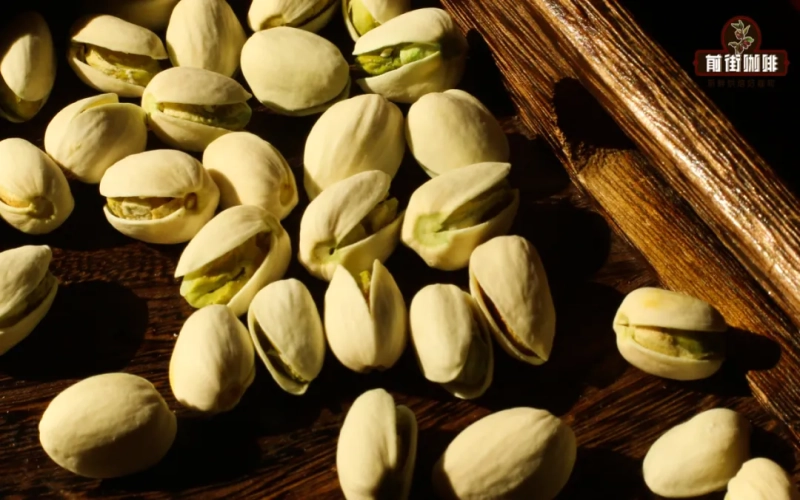
In recent years, pistachio flavors have become increasingly common in the coffee world. Whether it's a pistachio latte or a pistachio dirty, both have won over plenty of fans with their rich, natural nutty aroma. Most of these drinks use pistachio paste rather than flavored syrup to deliver their flavor, and although specialty cafés charge a premium for them, making them at home is actually quite affordable. This article starts with ingredient preparation, focuses on the techniques for melting pistachio paste, and then provides specific recipes and step-by-step instructions for a hot pistachio latte and a pistachio dirty, including espresso extraction parameters, milk quantities, syrup ratios, and the key details for hot-and-cold layering, helping you recreate café-quality pistachio coffee at home. [more…]
Which coffee has an outstanding flavor? Colombia Rose Valley bean variety analysis and a full overview of its regional characteristics
Colombia Rose Valley is a specialty bean that has attracted much attention from coffee lovers in recent years, impressing with its complex aromas of peach, rose, and liqueur chocolate. This bean comes from Finca El Arbol in the Santander region and is processed using double anaerobic enzyme fermentation, presenting a black grape-like sweet-tartness and a creamy toffee-like smooth texture. This article will guide you through a comprehensive understanding of this Rose Valley recommended by Front Street Coffee—from bean variety information, processing methods, regional terroir, and the overall characteristics of Colombian coffee—as well as how it differs from ordinary Colombian coffee beans. [more…]