







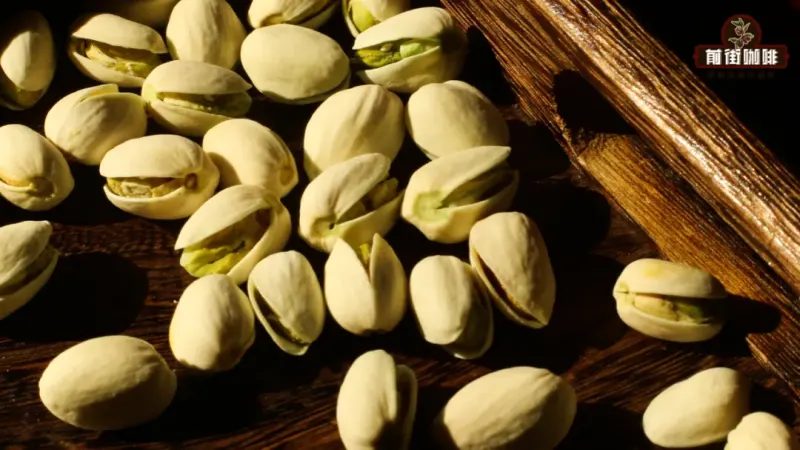
In recent years, pistachio flavors have become increasingly common in the coffee world. Whether it's a pistachio latte or a pistachio dirty, both attract plenty of fans with their rich, natural nutty aroma. Most of these drinks use pistachio paste rather than flavored syrup to deliver the taste. Although specialty cafés charge a fair amount for them, making them at home is actually quite cost-effective. This article will start with ingredient preparation, focus on the technique for melting pistachio paste, and then provide specific recipes and step-by-step instructions for both a hot pistachio latte and a pistachio dirty, including espresso extraction parameters, milk quantities, syrup ratios, and the key details for hot-and-cold layering, helping you recreate café-quality pistachio coffee at home.
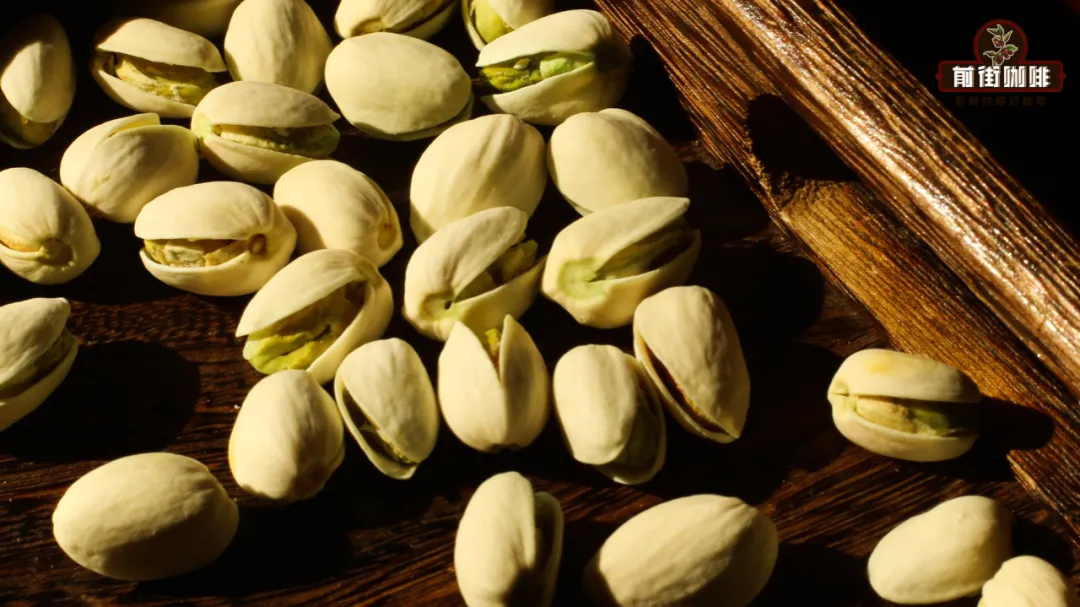
Whether it's for good luck or simply because they're delicious, pistachios always show up in fruit plates during holidays and festivals. I'm sure you've noticed too that in the past couple of years, pistachio-related products have clearly increased, from desserts and bread to coffee—you see them everywhere. This also shows that pistachio-based products really do have a lot of buyers, whether for taste or appearance, there's something captivating about them.
Front Street Coffee has tried various pistachio coffees at several different cafés, such as pistachio lattes and pistachio dirties, and almost every cup carried a very strong nutty aroma. Unlike the flavored coffees of the past made with flavored syrups, most specialty cafés use pistachio paste when making pistachio coffee. It's precisely for this reason that the coffee can give off such a rich and more natural nutty aroma.
If there's any downside... it's that it's a bit pricey, after all, the ingredients themselves aren't cheap. But no worries—making it yourself is actually not that expensive. Front Street just yesterday used force to "persuade" a friend to hand over their pistachio coffee-making
, so today let's talk about how those delicious pistachio coffees at cafés are actually made~
Ingredient Preparation
Making a cup of pistachio coffee doesn't require many ingredients. Aside from the basics like espresso, milk, and syrup, plus the pistachio paste mentioned earlier, that's it—so simple (you can also prepare some crushed pistachios)! Although simple, you still need to pay attention to ingredient selection, otherwise your pistachio coffee will always fall just a bit short of delicious.
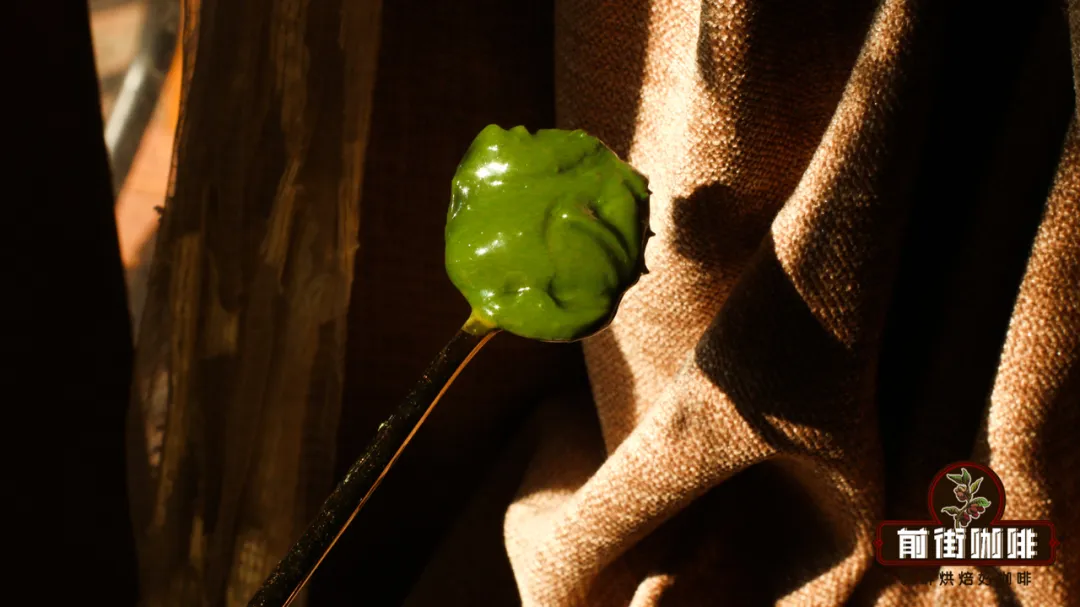
Pistachio paste: First up is pistachio paste! A quick look at shopping sites shows there are many options. Front Street recommends choosing a pistachio paste suitable for baking and desserts (such as the "Zhengrong" brand). Compared to ordinary pistachio paste (which is closer to a purée), this type is finer, easier to dissolve, and won't make the coffee as greasy.
Coffee bean selection: Next is coffee beans. Pistachios give off a rich nutty aroma, so it's best to use medium-dark or dark roasted beans for the espresso.
Darker roasted coffee beans have abundant roasted aromas. Not only will they not be overpowered by the pistachio flavor, but because the flavor types are similar, they can actually make the aroma more prominent (more obvious nuttiness). You can buy Front Street Classic Blend with its overflowing crema, Front Street Commercial Blend—the top choice for shops, the extremely cost-effective Front Street Dark Cocoa Blend, or the double-nutty Front Street Specialty Blend.

Syrup selection: Remember to prepare syrup~ Although pistachio paste itself contains sugar, the content isn't high! So you need to add extra syrup to increase the coffee's sweetness. For syrup, you can use classic cane sugar syrup or flavored syrups (but also choose ones with similar aroma types, such as hazelnut or toffee flavors).
For milk, choose freely based on the type of coffee you want to make—fresh milk or purified milk both work. Front Street won't go into detail here~ Once all the ingredients are ready, you can start making pistachio coffee!
Making Pistachio Coffee
Since pistachio paste is added separately and its flavor suits both hot and cold, pistachio coffee can be made as either a hot or iced drink. However, the methods differ somewhat, mainly because making pistachio coffee has one core step—melting the pistachio paste.
This step is very important. If the paste isn't fully dissolved, the coffee won't have enough pistachio concentration to taste the core flavor (pistachio). Not only that, it can also make the texture rough with noticeable graininess. So next, Front Street will make a hot pistachio latte and a pistachio dirty separately, explaining the main differences in preparation in detail~
Hot pistachio latte: Hot lattes are relatively much simpler to make. The ingredients are just a regular latte plus pistachio paste and syrup. Ingredients and parameters: 40ml espresso (20g grounds, 30-second extraction), 200ml fresh milk, 12g pistachio paste, 5ml Monin toffee flavored syrup. First, add 12g pistachio paste to the shot glass you'll pull the espresso into, then extract the espresso.
After extraction, use a chasen to stir until the paste is completely melted.
Then pour it into the coffee cup and add the syrup.
Next, steam the milk and pour latte art. Once you finish the latte art, a hot pistachio latte is complete!
The coffee beans Front Street uses are the shop's Warm Sun Blend, medium-dark roasted, with rich whiskey, vanilla, cream, and chocolate aromas. After blending with the pistachio flavor, it really is as mentioned earlier—the pistachio aroma gets amplified! The flavor profile: pistachio aroma, whiskey, chocolate, and a touch of toffee sweetness. The mouthfeel is very rich and smooth, quite excellent. The only downside is that the milk foam dissipates relatively quickly and doesn't look great after sitting for a while~
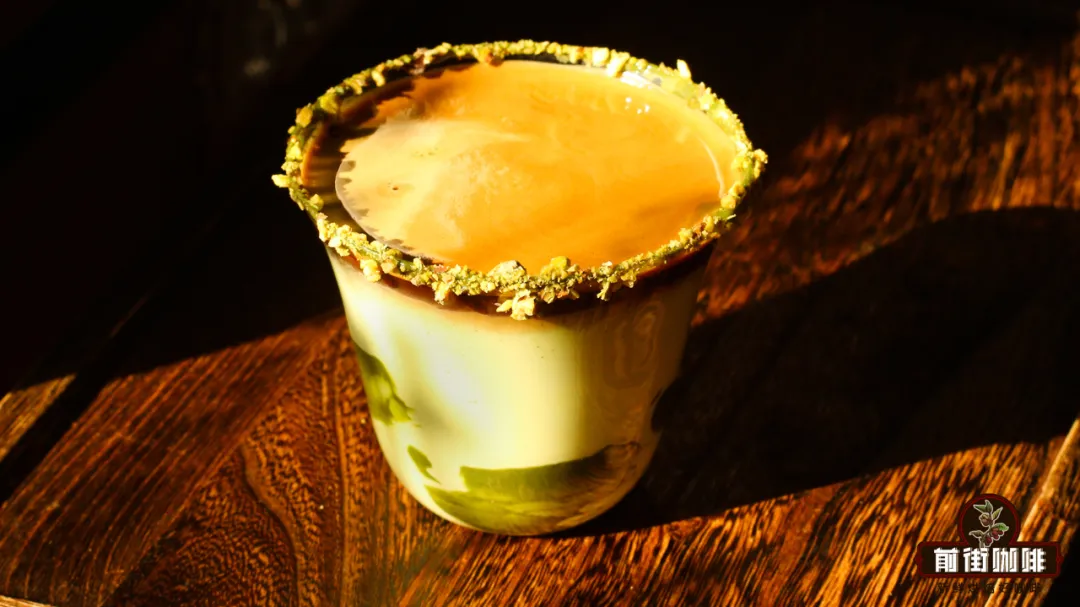
Pistachio Dirty: Making a pistachio dirty isn't actually troublesome either—it's just that if you want a better-looking appearance, you'll need a few extra decorative steps, such as coating the glass wall and rim with pistachio paste and dipping it in crushed pistachios. If you don't want that, you can skip straight to the next step. (The method for an iced pistachio latte is the same, the only difference being with or without ice.)
The ingredients and parameters are slightly adjusted: 40ml espresso (20g grounds, 30-second extraction), 180ml fresh milk, 15g pistachio paste, 8ml Monin toffee flavored syrup, 10ml hot water.
First, you need to melt the pistachio paste. Since a dirty is an iced coffee and you need hot-and-cold layering, you can't use espresso to melt the pistachio paste. For this, you need a small amount of hot water, about 10ml, to melt the paste. Stir vigorously!
After stirring, add the syrup, then pour it into a large cup and mix in the milk.
After mixing evenly, pour it into the pre-prepared coffee cup, then start extracting the espresso.
Following the same steps as making a dirty, to achieve hot-and-cold layering, you need to minimize the impact force of the espresso as it's poured. Shortening the distance between the milk and the coffee spout, or using a spoon to buffer the espresso's impact both work (if you don't know how, you can check out the dirty article~). Once the espresso extraction is complete, a pistachio dirty is ready!
If you want it to look better, you can sprinkle some crushed pistachios on top. But the consequence is that it affects the texture, giving you the feeling of drinking grass jelly (yes, that realistic
), so weigh for yourself whether to add them~
And honestly, the pistachio dirty's performance is outstanding—Front Street really likes it. With one big sip, your mouth successively feels the warmth of the espresso and the cold of the pistachio milk. Because they enter in different order, first the espresso's flavors bloom in your mouth—whiskey, vanilla, chocolate, a hint of berries—followed closely by the richness and sweetness of the pistachio milk. With each sip, the espresso proportion decreases and the milk proportion increases, and the pistachio flavor becomes more and more prominent. It's really great!
The above content is compiled by CoffeeHunters, a coffee news website.


