







How Did Geisha Coffee Beans Reach Guatemala?
Jesuit missionaries brought coffee trees to Antigua in the mid-18th century, and after indigo exports declined the government promoted coffee, with the National Coffee Association, ANCAFE, founded in 1960. Geisha traveled from Ethiopia to Panama by a roundabout route, rose to fame in 2005, and Guatemala then planted the variety, including in the Nuevo Oriente region.
Nuevo Oriente is the youngest of Guatemala's eight well-known producing regions, and its altitude, rainfall and mineral-rich soil give complex flavors. Front Street Coffee's Nuevo Oriente geisha coffee beans use honey processing and a medium-light roast, brewed with a V60 to show white florals, sweet orange, bergamot, honey and toffee.
Guatemala, with its volcanic geology and microclimates, nurtures coffees of elegant acidity and distinct layers. From the introduction of coffee by Jesuit missionaries in the 18th century, to the rise of coffee after the decline of the indigo economy, and then to the establishment of the national coffee association, the industry’s development path is clear. Among the eight major producing regions, Nuevo Oriente, as the youngest region, presents complex and varied flavors through high altitude, abundant rainfall, and mineral-rich soil. Geisha was introduced from Ethiopia to Panama by a roundabout route, rose to fame in 2005, and Guatemala also took the opportunity to plant it. Front Street Coffee’s Nuevo Oriente Geisha uses honey processing and a medium-light roast, brewed with a V60, showing soft layers of white florals, sweet orange, bergamot, honey, and toffee.
The Development of Guatemalan Coffee
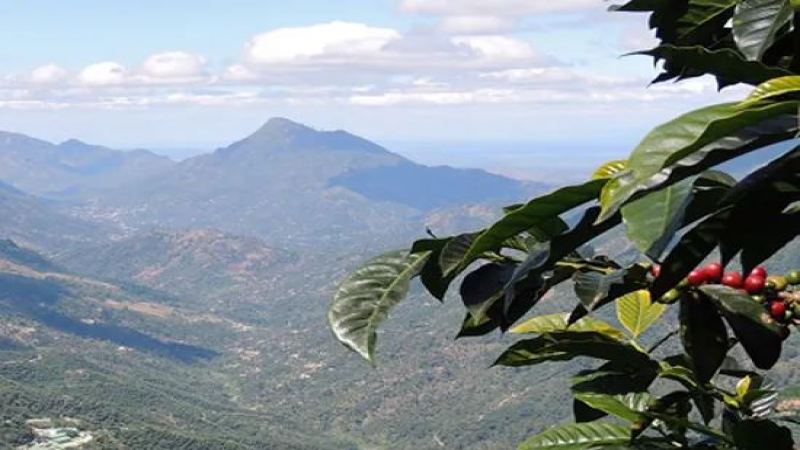
Guatemala is located in southern North America, bordering Mexico, Honduras, Belize, and El Salvador. Two-thirds of the country’s land is mountains and highlands. The Cuchumatanes Mountains in the west and the Sierra Madre in the south both belong to volcanic belts, with more than thirty volcanoes. Tropical rainforests, volcanic soil, and diverse microclimates work together to give Guatemalan coffee an elegant and lively acidity, a clean mouthfeel, and rich layers of flavor.
In the mid-18th century, Jesuit missionaries introduced coffee trees to Antigua; by the early 19th century, there were records of Guatemalans drinking coffee. However, at that time the country’s main cash crop was indigo, used for dye. Later, due to locust damage and the rise of synthetic dyes, indigo exports were severely hit. To revive the economy, the government began encouraging the cultivation of coffee and other crops. In 1856, coffee had already become an important crop in Guatemala; in 1960, the National Coffee Association (ANCAFE) was established, supporting the national economy from both production and export ends.
Nuevo Oriente Producing Region
Of Guatemala’s 22 departments, 20 produce coffee. Among them, eight producing regions are relatively well known, divided into five volcanic regions and three non-volcanic regions, with coffee generally grown at altitudes above 1,500 meters. The non-volcanic regions include Huehuetenango, Coban, and Nuevo Oriente. The volcanic regions include Atitlan, Antigua, Acatenango, Fraijanes, and San Marcos. Huehuetenango and Antigua are more famous. FrontStreet Coffee currently has a Flor del Café coffee bean from the Antigua region, and an entry-level selected Guatemalan coffee bean from the Huehuetenango region. The Nuevo Oriente region has also recently shown impressive performance.
The Nuevo Oriente producing region is located in eastern Guatemala, bordering Honduras. It is Guatemala’s youngest coffee-producing region, having begun growing coffee only in the 1950s. The area has abundant rainfall year-round, and at altitudes between 1,500 and 2,050 meters, it is often shrouded in fine mist, with shorter sunshine hours and higher humidity than other regions. Nuevo Oriente was once one of Guatemala’s poorest and most isolated areas. In ancient times, this area was volcanic, making the soil rich in minerals. Together with abundant rainfall and high altitude, the coffee beans produced here are quite complex and varied in flavor.
Geisha Variety
In the 1930s, the Geisha variety was discovered in Ethiopia; in 1936, Geisha was introduced from Ethiopia to Tanzania; in 1953 it reached Costa Rica; and in 1970 it entered Panama from Costa Rica. At that time, coffee cultivation pursued yield rather than quality, and Geisha plants had slender branches, so farmers did not value them and they were not widely planted. Later, as the specialty coffee wave rose, people began to pay attention to the flavor of the coffee beans themselves and to value quality. In 2005, Hacienda La Esmeralda entered Geisha in the BOP competition and auction, and it became famous overnight for its delicate floral aroma, jasmine fragrance, peach and bergamot flavors, and exceptionally high score. It also broke the coffee bean auction price record at the time, selling for more than $20 per pound. After that, many countries introduced Geisha for local cultivation, and Guatemala was one of them.
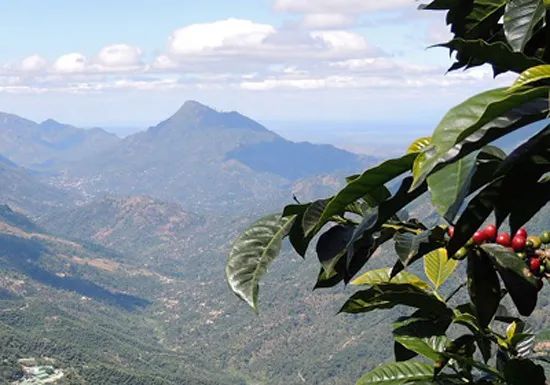
FrontStreet Coffee Guatemalan Nuevo Oriente Geisha Coffee Beans Region: Nuevo Oriente Altitude: 1,500-2,050 meters Variety: Geisha Processing Method: Honey Processing Flavor: White Florals, Sweet Orange, Bergamot, Honey, Toffee FrontStreet Coffee’s Nuevo Oriente Geisha uses honey processing and a medium-light roast. Front Street uses V60 , 1:15 , 92 °C water temperature for brewing. You can smell delicate white florals; on the palate there is slight fruit acidity, showing sweet orange and bergamot flavors, accompanied by toffee-like sweetness. The mouthfeel is soft and smooth like honey, with rich overall layering and variation.
The above content is compiled by CoffeeHunters, a coffee news website.


