







Search Results for: Honey Processing Station
Analysis of the Honey Processing Method for Coffee Beans: The Rich Fruit Aroma and Flavor Sources of Yirgacheffe Red Cherry Natural G1
Ethiopia is the birthplace of Arabica coffee and the largest coffee-producing country in Africa. Among the many specialty coffees, Yirgacheffe stands out for its varied flavors and distinctive regional character. The washed Yirgacheffe recommended by Front Street Coffee is suitable as an entry-level choice, but today we will focus on a honey-processed natural sun-dried coffee bean from the small village of Foge in the Yirgacheffe region. Because of its outstanding quality, this bean escaped being sent to the Ethiopian Commodity Exchange to be blended and sold, allowing it to retain its unique flavor. This article will walk you through the principles of the honey processing method, its advantages and disadvantages, and the detailed flavor profile of this Front Street Yirgacheffe Silinga Foge processing station honey natural sun-dried G1. [more…]

A Complete Analysis of African Coffee Origins, Flavors, and Processing Methods: Bean Characteristics of Ethiopia, Kenya, and Other Countries
As the continent of coffee's origin, Africa produces beans renowned worldwide for their bold aromas and lively fruit acidity. Due to arid climates, the natural process has become a traditional choice in many producing regions; while the bean shape may not be perfect, it gives rise to richly layered flavors. From Ethiopia's Yirgacheffe to Kenya's SL28, from Burundi's double washing to Rwanda's Bourbon, each producing region has a unique terroir expression. This article systematically reviews the cultivation patterns, processing techniques, and flavor characteristics of Africa's major coffee-producing countries, and introduces several representative African single-origin coffees from Front Street Coffee, guiding you to a deeper understanding of this continent's coffee charm. [more…]
Exploring Ethiopian Washed Yirgacheffe: A Complete Flavor Analysis of Kochere Town Kere Processing Plant G1 Coffee Beans
Yirgacheffe, as a representative producing region of Ethiopian specialty coffee, has always been renowned for its distinctive floral and citrus notes. Located in the town of Kochere, the Kere Processing Station leverages local heirloom varieties and refined washed processing techniques to produce high-quality G1-grade coffee beans. From the high-altitude growing environment of 1,800 to 2,000 meters to the rich flavors interwoven with honey, lemon, and berries, every sip reveals the purity and balance of its origin. This article will provide an in-depth analysis of the growing background, processing methods, and cupping performance of this Front Street Coffee Ethiopian Washed Yirgacheffe, giving you a comprehensive understanding of why it has become the everyday favorite of so many coffee lovers. [more…]
Kenya Boma Washing Station Red Currant Coffee Beans: A Full Analysis of Origin Terroir, Processing, and Cupping & Brewing
The Boma washing station in Kericho, Kenya, is located in a mountainous area at an altitude of 1,700 to 1,800 meters, belongs to the Kipkellion Cooperative, and has more than 600 farmer members. The SL28, SL34, and Batian varieties grown here, after a unique dry fermentation washed process, display a complex flavor profile of lemon, cranberry, caramel, and green tea. This Kenyan Cranberry coffee bean from Front Street Coffee, AB grade, presents in cupping a bright acidity of cherry tomato, plum, and lemon, with the sweetness of honey and berries interwoven and a full body. This article will guide you through the terroir conditions, processing flow, and variety characteristics of the Boma washing station, and share the brewing parameters and staged extraction suggestions given by Front Street Coffee's roaster for this bean. [more…]
Front Street Sidama Bensa Bombe Gugu N酵素 Honey Process Coffee Beans Review and Detailed Origin Knowledge
Ethiopia, as the birthplace of Arabica coffee, is home to numerous distinctive growing regions, and Sidamo is one of the most notable among them. This article focuses on the Sidamo Bensa Bongbeguo Guoen Enzyme Honey Process coffee beans launched by Front Street Coffee, providing a systematic overview from origin terroir and processing methods to flavor performance. Bensa Town belongs to the Sidamo growing region and is also included in the Red Cherry Project, and its A.D. processing station enjoys a strong reputation for quality control. These beans use a honey process combined with enzyme fermentation, presenting layers of white flowers, wild ginger flowers, peach, and candied fruit. The article will also introduce the principles of carbonic maceration processing to help readers understand the evolution of modern coffee processing techniques, and will include product information and the sharing philosophy of the Front Street Coffee brand. [more…]
Rwanda Coffee Beans: Origin Story, Flavor Characteristics, and Starbucks Connection · Front Street Coffee Recommendation
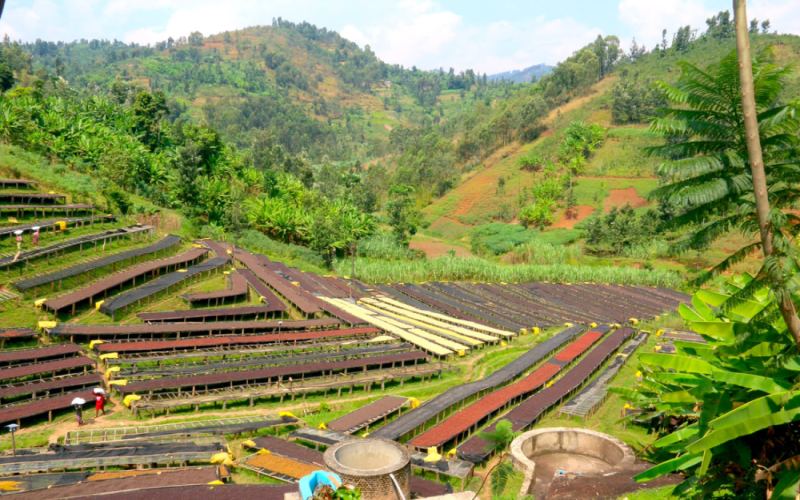
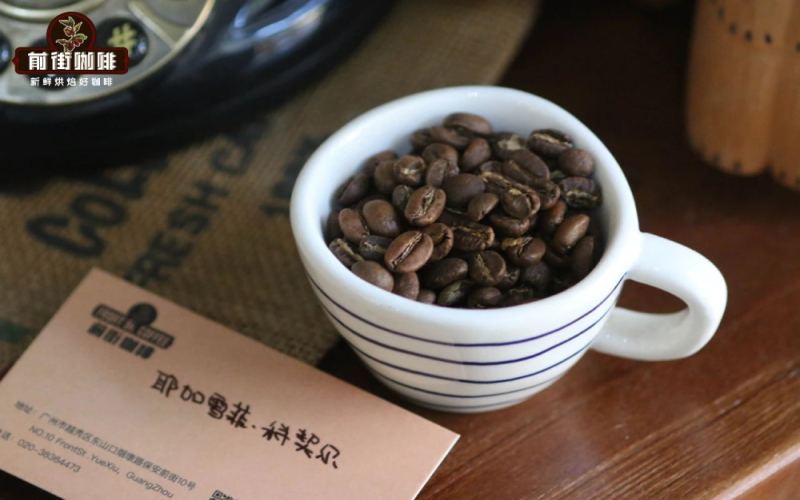
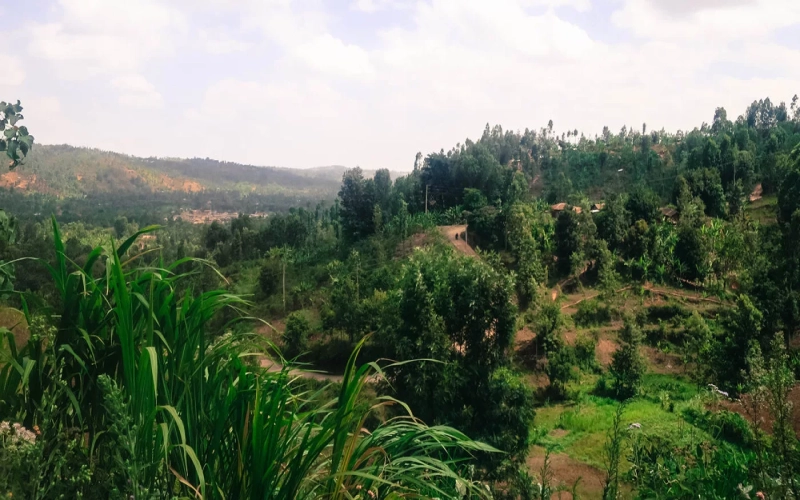
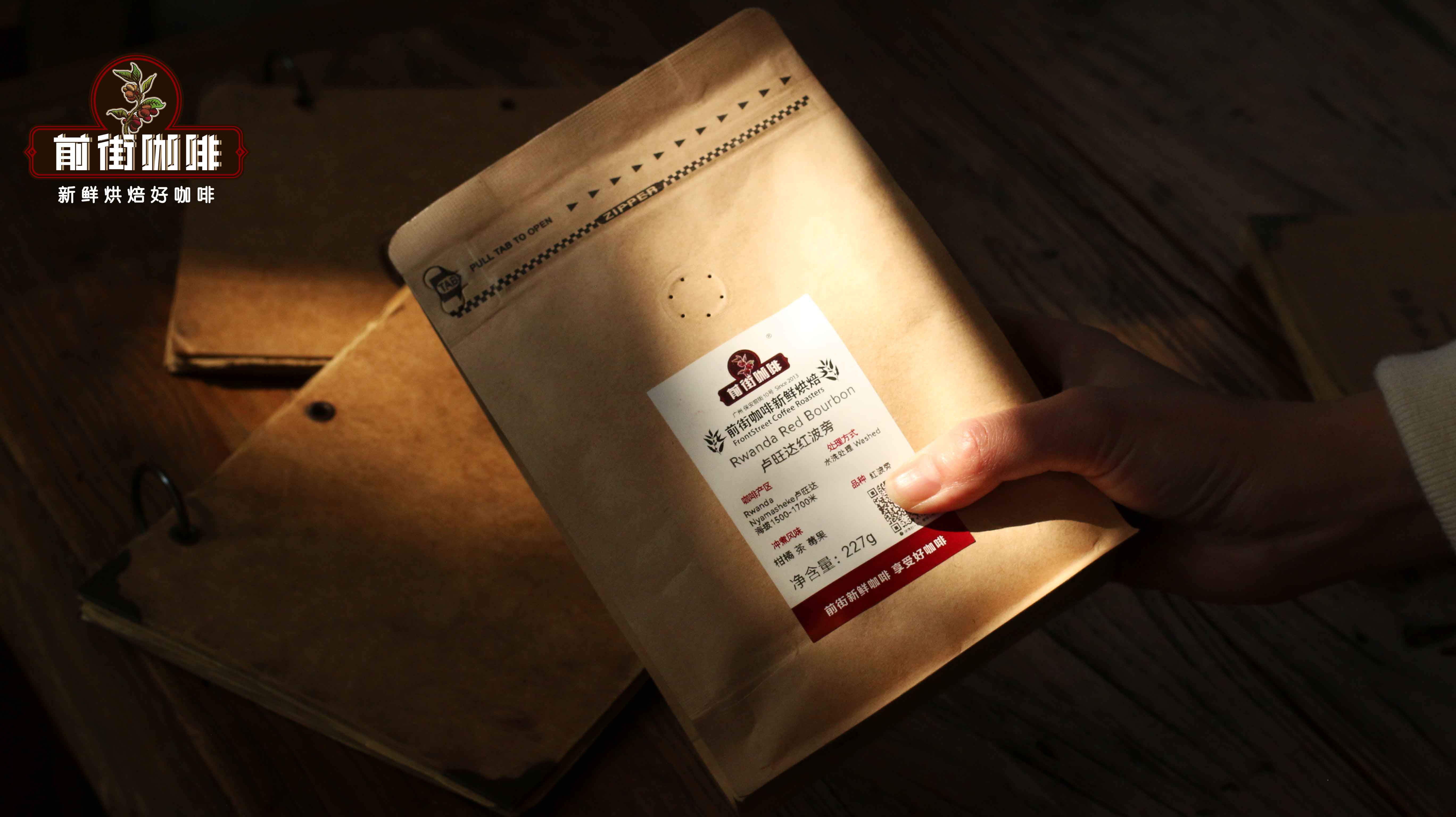
Rwanda, an African landlocked country known as the "Land of a Thousand Hills," is steadily gaining attention among specialty coffee enthusiasts thanks to its stable Bourbon varieties and excellent washed processing techniques. From German missionaries introducing coffee, to the PEARL and SPREAD programs driving industry upgrades, and then to Starbucks' stunning debut of "Blue Bourbon," Rwandan coffee has traveled an extraordinary path. After comparing multiple producing regions, Front Street Coffee has selected and launched two coffee beans: Rwandan Washed Red Bourbon and Nyamamba. The former comes from the high-altitude Nyamasheke region, while the latter is produced by a thousand smallholder farmers in Rusizi. This article takes you through a comprehensive look at the development story, growing environment, producing region distribution, processing methods, and cupping flavors of Rwandan coffee, so you can experience the bright citrus acidity and caramel sweetness unique to African specialty coffee. [more…]
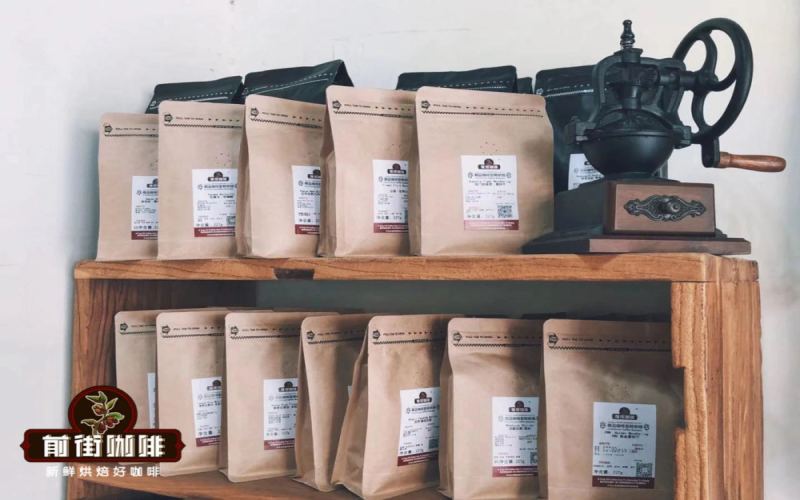
2024 Harvest Geisha 8.0 Coffee Bean Flavor Analysis: Evolution from 2017 to This Year and Brewing Recommendations
From its breakthrough rise to fame in 2017, Huakui coffee beans have now gone through eight harvest seasons, and the latest 2024 batch, Huakui 8.0, has arrived as expected. This article provides a complete overview of Huakui's origin story, the terroir of the Guji region, the sun-drying process at the Buku Abel processing station, and the flavor evolution track of each vintage from Huakui 1.0 to 8.0. It also includes Front Street Coffee's V60 brewing parameters and practical recommendations to help coffee enthusiasts fully understand the past and present of this Ethiopian star bean and the best way to present it. [more…]
Costa Rica · Tarrazú: The Birthplace of Honey Processing
Tarrazú is Costa Rica's most renowned specialty coffee region and the birthplace of the world's "honey process" method. This article takes you through Tarrazú's geography, the birth of the honey process, and the unique flavors of this region. [more…]
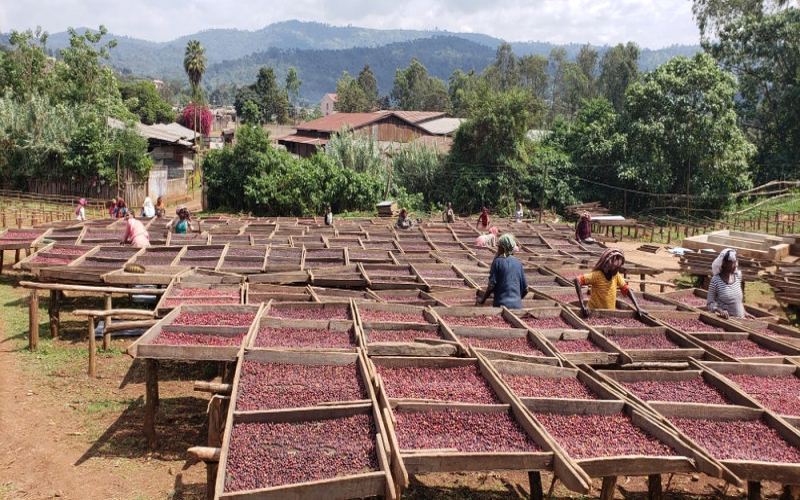
A Complete Guide to Yirgacheffe Konga Cooperative Natural Beans: From Origin Certification to Cupping and Brewing Parameters
The Yirgacheffe region in Ethiopia is home to numerous cooperatives, and the Konga Cooperative is one of the most representative. It is located in the Gedeo Zone at an altitude of over 1,800 meters, holds dual certifications in Fair Trade and organic farming, and won the national championship in the TOH natural category in the 2020 harvest season. This Konga Cooperative Wote Station natural G1, sourced by Front Street Coffee, uses local heirloom varieties and presents a complex flavor profile of citrus, jasmine, honey, and green tea. This article will provide a complete breakdown of this coffee's story, from the cooperative's background, soil characteristics, processing methods, and variety traits to Front Street's roast profile, cupping data, and V60 brewing recipe, offering coffee enthusiasts a practical reference for purchasing and brewing. [more…]
Ethiopia Natural Yirgacheffe Aricha: A Flavor-Layer Analysis of Longan, Red Date, and Honey Sweetness
When it comes to specialty coffee, many people first think of a rich and captivating taste experience. However, not every coffee brewed from specialty coffee beans can be called specialty coffee—the key lies in whether it fully showcases the beans' own distinctive and beautiful flavors. The concept of specialty coffee was first proposed by Ms. Knutsen of the United States in the magazine Tea & Coffee Trade Journal. At the time, she was a coffee buyer for B.C. Ireland in San Francisco, and she was deeply dissatisfied with the industry's neglect of green bean quality and even the practice of major manufacturers blending large amounts of Robusta beans into their blends, so she advocated for raising the industry's quality standards. This term specifically refers to coffee beans grown in special environments with distinctive flavor characteristics, and it spread rapidly with the promotion of international coffee conferences. This article will take you into an in-depth look at the sun-dried Yirgacheffe from the Kebel Aricha processing station, savoring its unique flavor intertwined with longan and red date aromas and honey sweetness, while also introducing the Project Origin green bean sourcing initiative launched by Sasa Sestic, as well as related recommendations from Front Street Coffee. [more…]
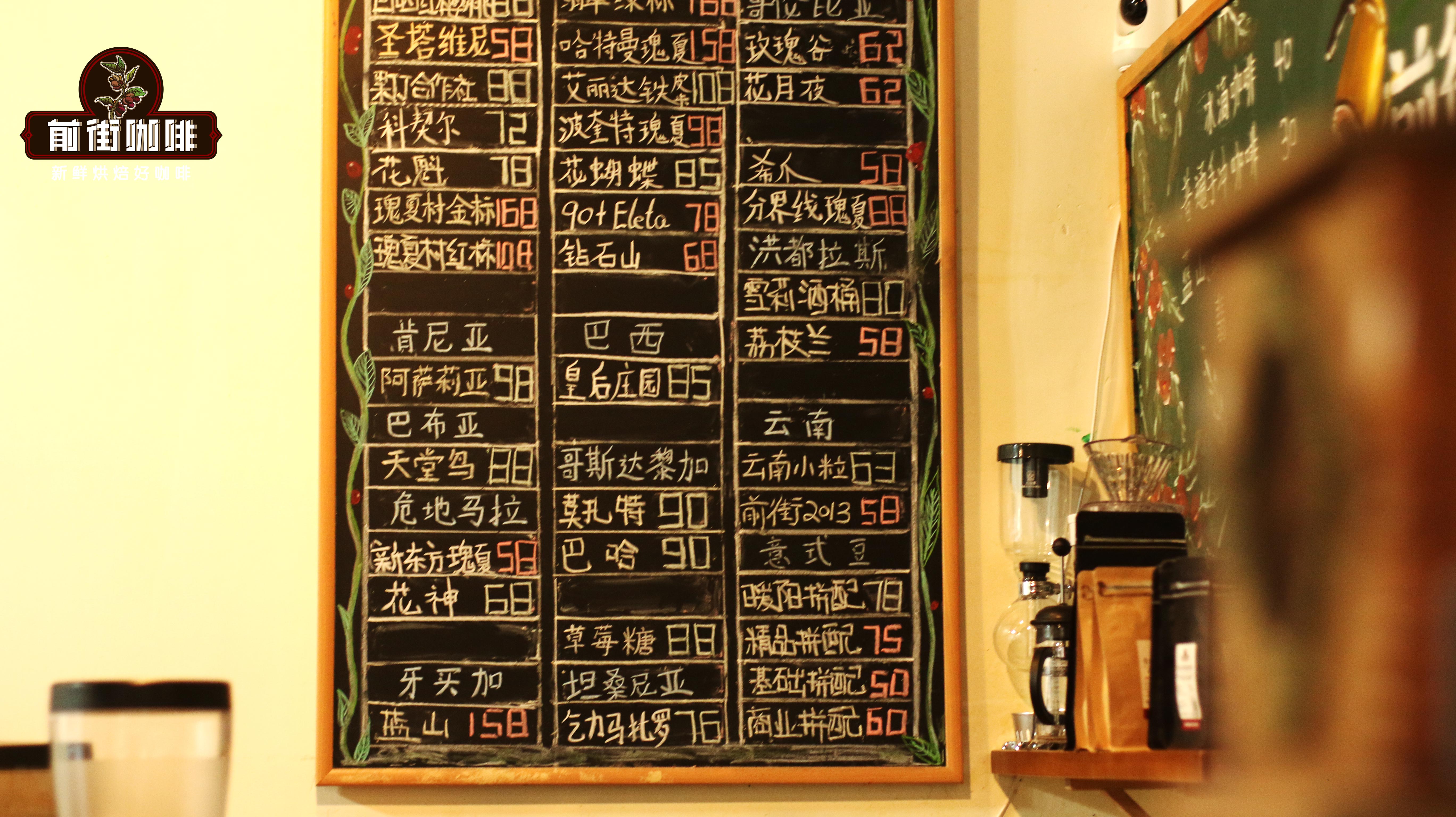
Overview of African Coffee-Producing Countries: Flavor Profiles and Top Picks of Specialty Beans from Ethiopia to Tanzania
Africa is the continent of coffee's origin and the most distinctive flavor coordinate in the world of specialty coffee. From the floral and citrus notes of Ethiopia and the berry and dark plum notes of Kenya, to the washed Bourbon of Burundi and Rwanda and the cocoa sweetness of Tanzania's Kilimanjaro, this land has won over countless coffee lovers with its vibrant fruit acidity and lively aromas. Front Street Coffee will guide you through a systematic overview of the regional characteristics, cultivation models, processing methods, and signature beans of Africa's major coffee-producing countries, so you can gain a deeper understanding of the unique charm of African beans and the key points of tasting them. [more…]
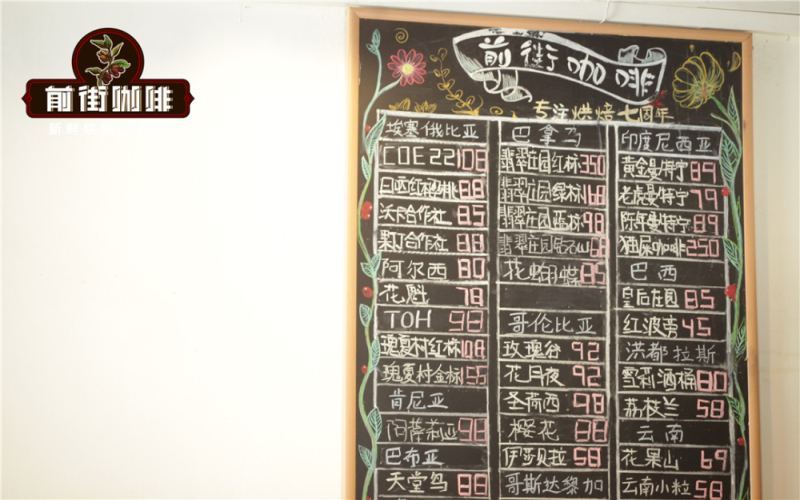
Ethiopia Guji Uraga TOH Washed Champion Bean Flavor Analysis and Complete Brewing Parameters Guide
This coffee bean from Uraga in Ethiopia's Guji region took first place with 89.8 points in the washed group at the 2020 Taste of Harvest (TOH) competition in East Africa. Front Street Coffee has specially put together for coffee lovers an overview of this champion bean's growing region background, processing method, roasting approach, and brewing plan. Uraga town sits at an altitude of 2,300 meters and has fertile black soil along with a rich genetic potential for fruit flavors. After meticulous washing at the Sela Gajaba processing station, it displays the traditional Ethiopian floral aroma, citrus, and tea-like notes, while cleanliness is greatly improved. To preserve its clear mouthfeel, Front Street Coffee's roaster focused on amplifying the white floral and fruit notes, and developed targeted pour-over parameters to highlight the core flavors of jasmine, pomelo, honey, and green tea. [more…]
An Analysis of Rwandan Coffee Bean Origins, Flavors, and Processing Methods: From Gaseke Washed Bourbon to Starbucks Blue Bourbon
Rwanda, a high-altitude coffee-producing country in central Africa, is gradually coming into the view of coffee enthusiasts. This article starts from Rwanda's coffee history and development, growing environment, main producing regions, and washed processing method, and provides a detailed review of the country's coffee industry transformation, including the promotion of the PEARL and SPREAD programs, its performance in the COE competition, and the origin of Starbucks' "Blue Bourbon." At the same time, the Rwanda Giseke Washed Bourbon and Nyanmba Washed coffee beans launched by Front Street Coffee also provide specific roasting suggestions, cupping flavors, and brewing parameters, helping readers fully understand the unique charm of Rwandan specialty coffee. [more…]
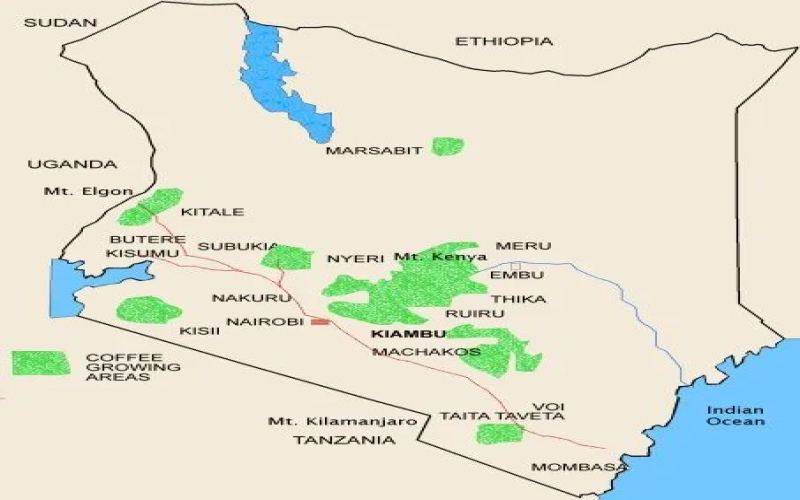
Kenyan Coffee Washed vs. Natural Processing Methods Compared: Flavor Differences, Regional Characteristics, and Brewing Key Points
Kenya, as a representative producing country of African specialty coffee, presents radically different flavor directions in its washed and natural processing methods. This article approaches the topic from the angles of producing region distribution, cultivated varieties, and processing techniques, systematically sorting out the regional characteristics of Kenyan coffee, focusing on comparing the influence of the K72 washed method and natural processing on flavor, and combining specific bean offerings recommended by Front Street Coffee—Hania Estate French Missionary Bourbon natural beans and Asali Honey Processing Station AA TOP washed beans—to present the flavor performance and brewing suggestions of the two beans, helping coffee lovers gain a more comprehensive understanding of the diversity of Kenyan coffee. [more…]
Pour-Over Beginner's Guide: Yirgacheffe Natural Red Cherry Project Flavor Analysis and Brewing Key Points
Yirgacheffe is the signature region for specialty coffee in Ethiopia, while the Red Cherry Project improves coffee bean quality from the source. This article is aimed at pour-over beginners and systematically introduces the origin terroir, processing methods, roasting approach, and brewing parameters of two G1-grade coffee beans: Front Street Yirgacheffe Natural Red Cherry and Red Honey Red Cherry. It also compares the effects of the one-pour method and the three-stage pouring method on flavor. Whether you are a newcomer just getting into specialty coffee or a veteran looking for an everyday staple, you can find clear, practical reference information here and understand the flavor differences brought by natural and red honey processing. [more…]
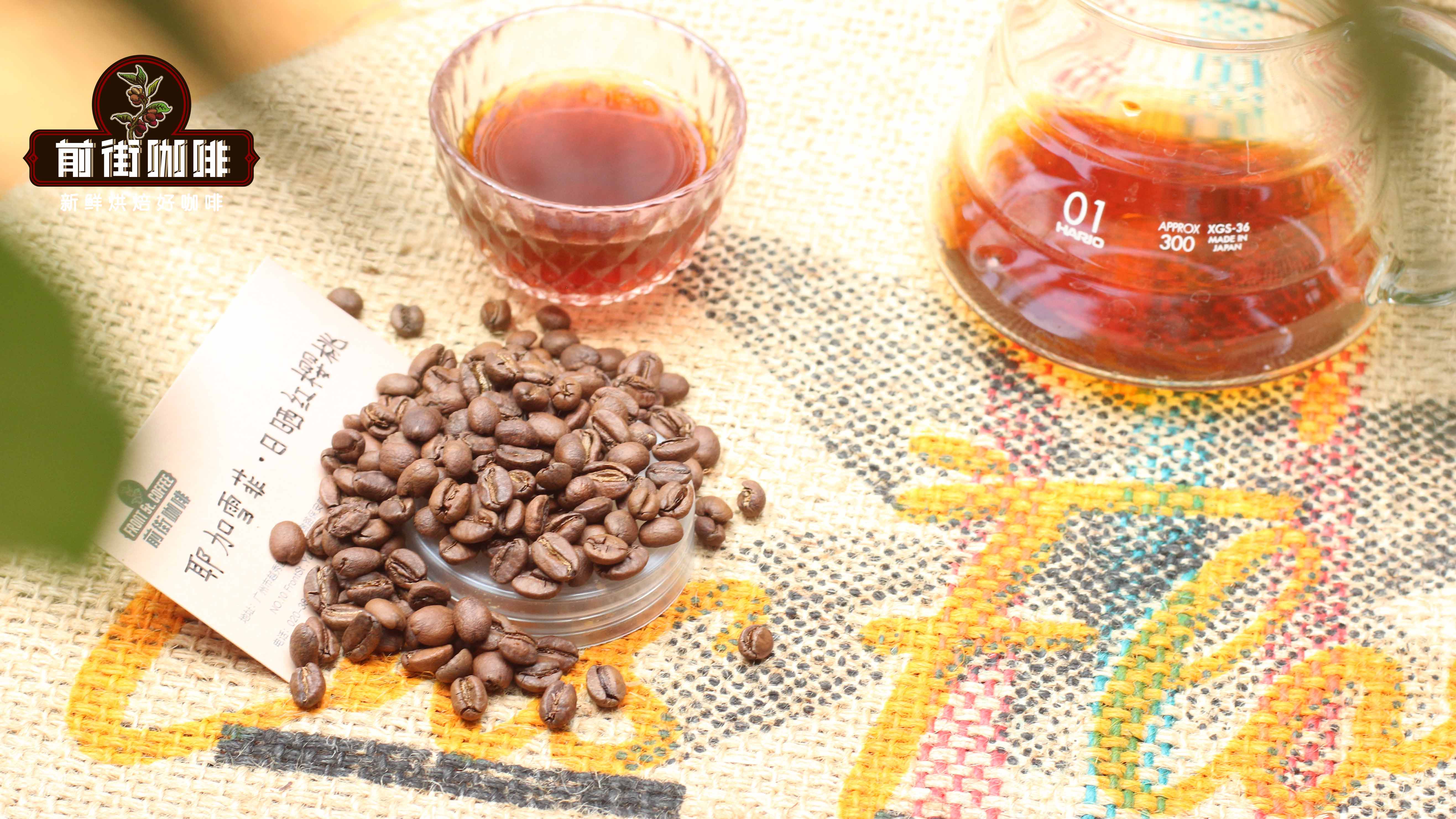
Yirgacheffe Aricha Natural Red Cherry: A Comprehensive Analysis of Aricha's Flavor Profile and Mouthfeel
Located in the Gedeo region of Ethiopia, the Aricha processing plant sits in the misty valley micro-region, the most famous part of Yirgacheffe. Its outstanding natural processing methods have made this Red Cherry a global coffee sensation. This article takes you deep into the Aricha plant's geographical background, processing methods, and grade classifications, with a focus on the dry aroma, wet aroma, and palate performance of Front Street Yirgacheffe Natural Red Cherry, as well as the complex flavors of apricot blossom, jasmine, apricot, red wine, mango, and pineapple that Front Street Aricha G1 displays under a medium-light roast, while also exploring how roast level affects the balance between acidity and sweetness. [more…]
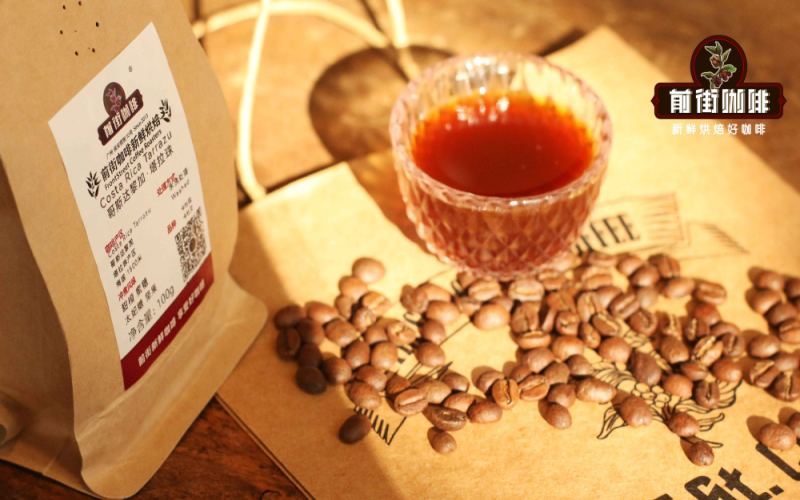
Analysis of Las Lajas Estate Black Honey Processing: How Sun Exposure Duration and Turning Rhythm Shape Flavor
Located in Costa Rica's Central Valley, Hacienda Las Lajas is one of the earliest pioneers to systematically study refined natural and honey processing. Estate owners Francisca and Oscar use a sweetness meter to select red cherries, and by varying the drying time and turning frequency on African raised beds, they subdivide honey processing into yellow honey, red honey, and black honey, and natural processing into Black Pearl and Black Soul. Among these, black honey processing retains the most mucilage, yielding a body close to that of natural coffee and a delicate sweetness reminiscent of dark berries. This article walks you through the processing logic of Hacienda Las Lajas and recommends single-origin coffees such as Front Street Coffee Washed Tarrazu, Front Street Coffee Mozart, Front Street Coffee Baja, and Front Street Coffee Blackberry, so you can experience the nuanced layers of Costa Rican coffee. [more…]
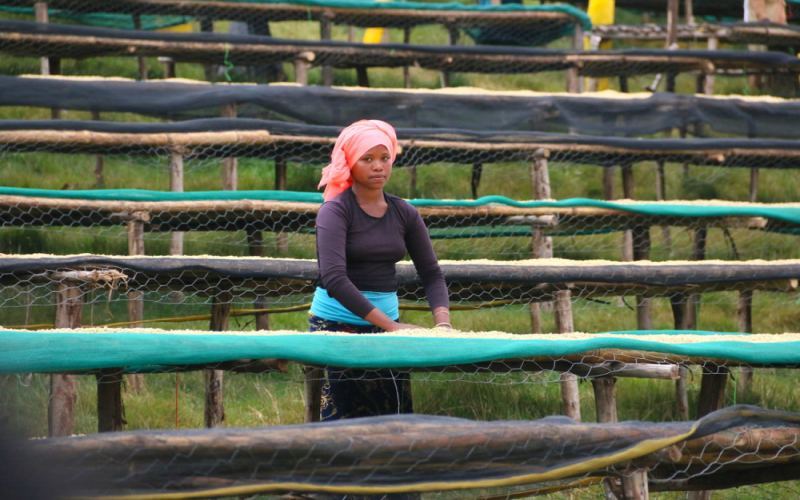
Ethiopian Washed Yirgacheffe Aricha and Idido: Processing Plant Origins, Flavor Differences, and Front Street Coffee Selection Analysis
Yirgacheffe is one of Ethiopia's most iconic specialty coffee regions, and the two names Aricha and Idido often confuse enthusiasts—are they different names for the same washing station, or two separate entities? Starting from the underlying logic of the two processing methods, natural and washed, this article traces the history of the Aricha washing station and its predecessor relationship with Idido, and introduces in detail Front Street Coffee's two representative products from this region: Natural Red Cherry and Washed Aricha. At the same time, the article will also walk you through Project Origin, the green coffee direct-sourcing project initiated by 2015 World Barista Champion Sasa Sestic, to see how it gives back to the producing region through a purchase price 20% higher than Fair Trade. [more…]
In-Depth Analysis of Kenyan AA Washed Coffee: Comparing the K72 Double Fermentation Process with Sun-Dried Bourbon Flavors
Kenyan coffee is world-renowned for its bright and complex acidity, and the K72 washed processing method pushes this characteristic to the extreme. This article will take you deep into Kenya's coffee origins and variety composition, break down every step of the K72 double fermentation process in detail, and compare and taste the flavor differences brought by washed and natural processing methods. From the Asali Honey Processing Station in the Thika region to the French Mission Bourbon at Hania Estate, we will use two coffees of distinctly different styles as samples to analyze their aroma, acidity, sweetness, and aftertaste. Whether you are a beginner just getting to know Kenyan coffee or an experienced enthusiast looking for brewing inspiration, this article can provide you with valuable reference. [more…]
Costa Rica Las Lajas Estate: Differences Between Yellow Honey and Diamond Yellow Honey Processing Methods and an Analysis of Several Distinctive Coffees
Located in Costa Rica's Central Valley, Las Lajas Estate is one of the earliest pioneers to systematically explore honey and natural processing methods. The estate is run by third-generation owner Francisca and her husband Oscar, sits at an altitude of 1,250 to 1,500 meters, and produces about 55,200 kilograms annually. It farms to organic standards and, based on differences in the amount of mucilage retained and the turning time, has developed distinctive offerings such as Yellow Honey, Red Honey, Black Honey, and Diamond Yellow Honey. Several of the Costa Rican coffees recommended by Front Street Coffee come from this estate with its highly distinctive style. This article will walk you through the processing differences between Yellow Honey and Diamond Yellow Honey, as well as the flavor profiles of natural coffees such as Black Pearl and Black Soul. [more…]