







How does black honey processing shape Costa Rican coffee?
Las Lajas Estate in Costa Rica's Central Valley was among the first farms to systematically study refined natural and honey processing. Owners Francisca and Oscar pick ripe red cherries using a sweetness meter, then vary sun exposure and turning frequency on African raised beds. That control splits honey lots into yellow, red and black honey, and natural lots into Black Pearl and Black Soul.
Black honey keeps the most mucilage, so the body comes close to that of a natural coffee, with clear dark-berry sweetness. The estate sits at 1,250 to 1,500 meters near Poas Volcano and produces roughly 55,200 kilograms a year. Costa Rican coffees from this area often carry certifications and reach worldwide coffee markets, and Tarrazu lots show citrus, nut and chocolate notes.
Located in Costa Rica's Central Valley, Las Lajas Estate is one of the earliest pioneers to systematically study refined natural and honey processing. Estate owners Francisca and Oscar use a sweetness meter to select ripe red cherries, and by varying the exposure time and turning frequency on African raised beds, they subdivide honey processing into Yellow Honey, Red Honey, and Black Honey, and natural processing into Black Pearl and Black Soul. Among these, Black Honey processing retains the most mucilage, with a body close to that of natural coffee, presenting a clear sweetness reminiscent of dark berries. This article guides you through the processing logic of Las Lajas Estate and recommends single-origin coffees such as Front Street Washed Tarrazu, Front Street Mozart, Front Street Baja, and Front Street Blackberry, so you can experience the delicate layers of Costa Rican coffee.
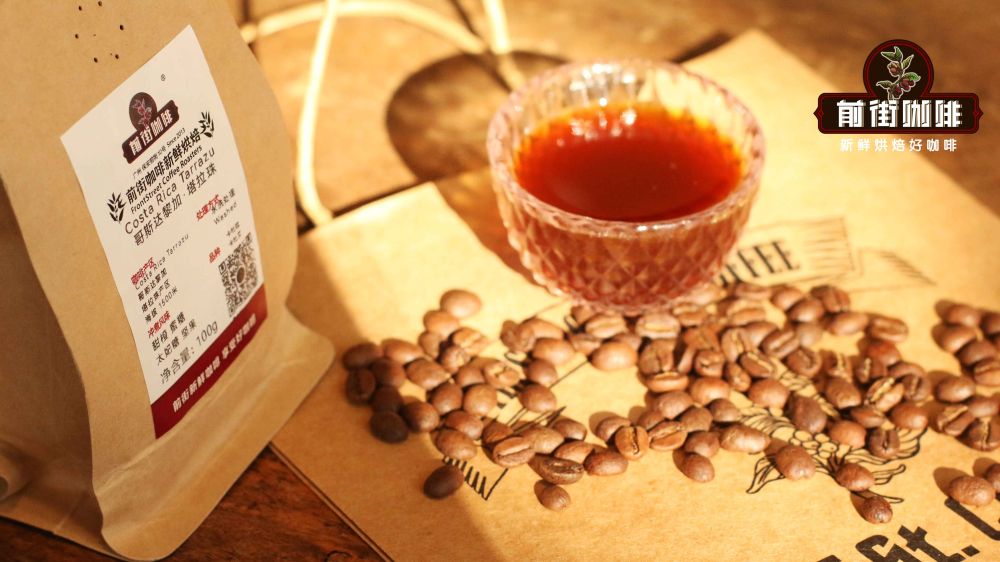
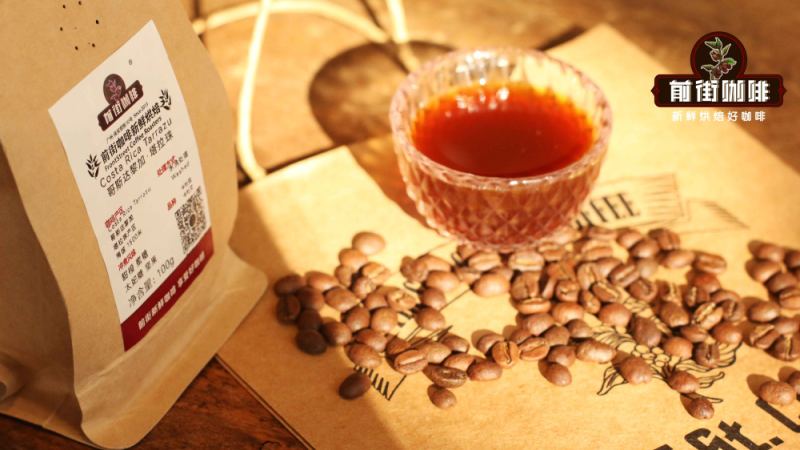
The Tarrazu region, backed by its reputation built over many years, produces coffee that is almost synonymous with high quality, and it is a region worth prioritizing for those new to specialty coffee. We recommend trying Front Street Washed Tarrazu; this bean is medium-light roasted and fully releases the bright citrus, nut, and chocolate notes. To further appreciate the delicate flavors of Costa Rican coffee, you can purchase Front Street Mozart, Front Street Baja, and Front Street Blackberry—three distinctive single-origin offerings.
Costa Rica Las Lajas Estate
Costa Rica Las Lajas Estate CostaRica Las Lajas Estate
In the realm of refined natural and honey processing that is now widely popular in Costa Rica, Las Lajas Estate is one of the earliest estates to carry out systematic exploration and processing, and it is favored by buyers worldwide year after year. The estate is currently managed by third-generation owner Francisca Cubillo together with her wife Oscar. It is located in the Central Valley, relatively close to the capital, not far from Poas Volcano, at an altitude of 1,250 to 1,500 meters, with an annual output of approximately 55,200 kilograms.
Years ago, estate owner Francisca wanted to further enhance the flavor performance of the estate's coffee. At the time, the vast majority of Costa Rican coffee farmers still supplied the U.S. and European markets using traditional washed processing, so the owner began researching and modifying much of the estate's equipment to better suit the needs of natural and honey processing. During harvest, the estate uses a sweetness meter (BRIX) to select coffee cherries that meet the standard, while also operating its own washing station to complete processing, and finally placing the beans on African raised beds for subsequent drying.
In the processing system of Las Lajas Estate, the owner classifies honey-processed and natural coffees into multiple categories based on flavor performance. As for honey processing, Costa Rican farmers mostly control the amount of residual pulp through the depulper at the washing station, but Las Lajas Estate takes a different approach—retaining 100%, the highest proportion of pulp, and instead presenting different flavors by regulating the drying time and turning timing on African raised beds. Honey processing is therefore divided into Yellow Honey, Red Honey, and Black Honey.
■ Yellow Honey Processing:
After removing the skin, the cherries are uniformly placed on African raised beds in the early morning for drying and turned immediately.
■ Red Honey Processing:
After removing the skin, the cherries are uniformly placed on African raised beds in the early morning for drying and are not turned until after noon.
■ Black Honey Processing:
After removing the skin, the cherries are uniformly placed on African raised beds in the early morning for drying and are not turned until after the afternoon. Because Black Honey processing retains the most pectin, its body is closest to that of natural coffee, while also showing the clear sweetness of ripe fruit; for example, Front Street Blackberry coffee beans carry flavors of blackcurrant juice, grapes, blueberries, and other dark berries.
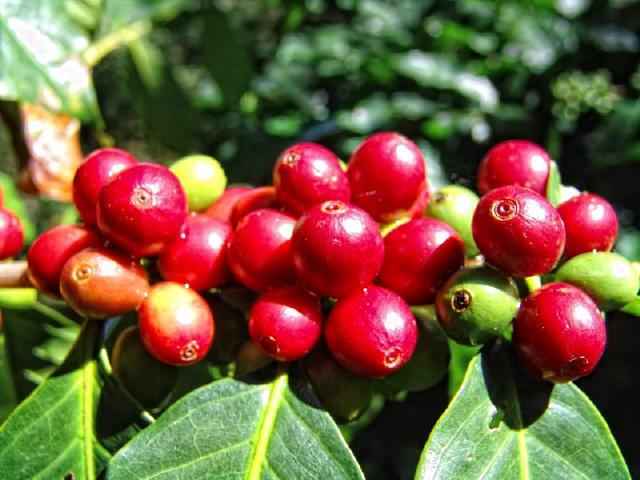
In terms of natural processing, the estate uses plastic sheeting for shading to develop even more nuanced flavors.
■ Black Pearl:
The harvested coffee cherries are placed on African raised beds in the early morning and turned regularly for drying until the moisture content drops to 11.5%, which takes about two weeks in total.
■ Black Soul:
The harvested coffee cherries are placed on African raised beds in the early morning, turned regularly during the day for drying, and covered with plastic sheeting at night to rest in shade until the moisture content drops to 11.5%, which takes about three weeks in total.
In addition, regarding fertilization materials, the owner strictly requires all stages to be cultivated and fertilized according to organic standards. The entire estate uses organic homemade compost and extends organic standards to soil quality, shade trees, and the processes of the washing station. After years of effort, Las Lajas Estate has now obtained Japanese JAS, U.S. USDA, and NOP organic certifications.
The above content is compiled by CoffeeHunters, a coffee news website.


