







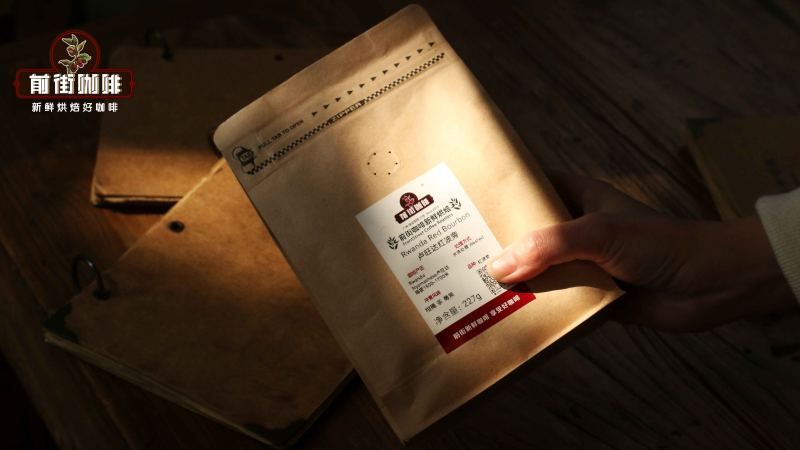
Why Rwanda coffee beans matter among major coffee producers
Rwanda, a landlocked African country known as the Land of a Thousand Hills, grows stable Bourbon varieties processed mainly by washing. Coffee arrived through German missionaries in the early 20th century, and later programs such as PEARL and SPREAD pushed industry upgrades. Starbucks' Blue Bourbon brought wider attention to Rwandan lots, which show bright citrus acidity and caramel sweetness.
Two beans represent the current offering: a washed Red Bourbon from the high-altitude Nyamasheke region and Nyamamba from smallholder farmers in Rusizi. Rwanda's colonial history under Germany and later coffee belgium shaped early planting, while neighboring countries are themselves major coffee producers. Bourbon spread to Latin America but lost ground there to hardier varieties, making Rwanda's consistent Bourbon crop notable.
Rwanda, an African landlocked country known as the "Land of a Thousand Hills," is gradually coming into the view of specialty coffee lovers with its stable Bourbon varieties and excellent washed processing techniques. From the introduction of coffee by German missionaries, to the PEARL and SPREAD programs driving industry upgrading, to the stunning debut of Starbucks' "Blue Bourbon," Rwandan coffee has traveled an extraordinary path. After comparing multiple producing regions, Front Street Coffee selected and launched two coffee beans: Rwanda Washed Red Bourbon and Nyamamba. The former comes from the high-altitude Nyamasheke region, while the latter is from the hands of a thousand smallholder farmers in Rusizi. This article takes you through a comprehensive understanding of Rwanda coffee's development story, growing environment, producing region distribution, processing methods, and cup profile, so you can experience the bright citrus acidity and caramel sweetness unique to African specialty coffee.
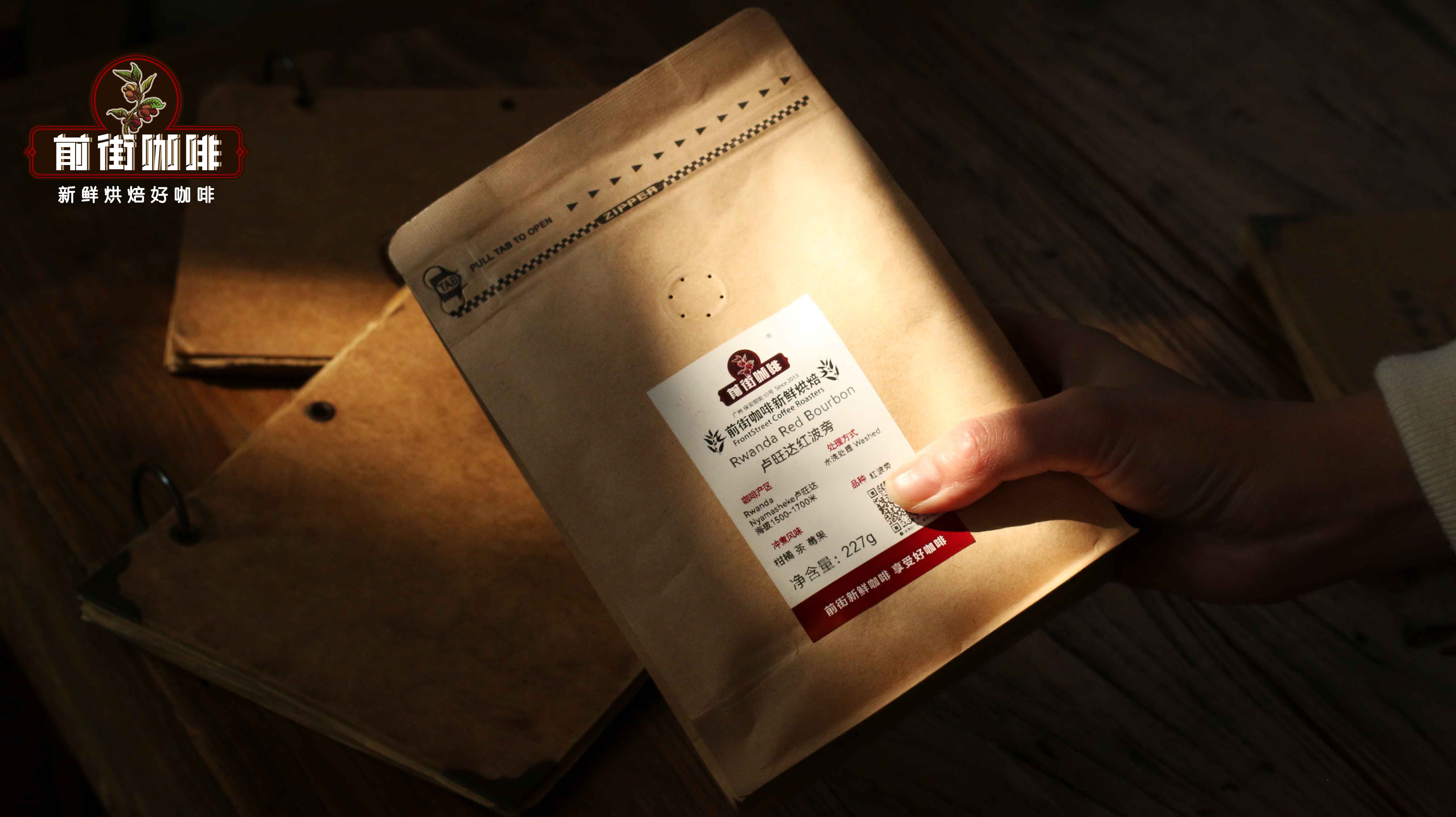
Among Africa's high-altitude coffee-producing countries, Ethiopia has long been famous, while Rwanda in central Africa has also gradually entered the public eye in recent years. Front Street Coffee recently launched a Rwanda Washed Bourbon coffee bean. When it comes to the Bourbon variety, it was once introduced to Brazil and quickly spread throughout Latin America; however, due to weak disease resistance, it was gradually replaced by other varieties, and today Bourbon in Latin America is no longer as prominent as it once was. Front Street Coffee currently offers only two Brazilian Bourbon coffee beans, with relatively stable flavor performance, but due to the impact of the pandemic this year, whether they will continue to be offered still depends on actual output. Back to Rwanda's Bourbon: before launching it, Front Street Coffee purchased from multiple producing regions for horizontal comparison and found that Rwanda's Bourbon performs quite consistently, living up to its status as one of the varieties vigorously promoted by the country.
Rwanda Coffee Development Rwanda is located in central Africa and is a typical landlocked country, with almost all its neighboring countries being major coffee producers. In the early 20th century, Rwanda was successively colonized by Germany and Belgium, and coffee was first introduced by German missionaries. Although coffee production rose significantly during the colonial period, factors such as exploited labor, suppressed coffee purchase prices, and high export taxes meant that coffee bean quality was not ideal, which was also the general situation of commercial coffee at the time.
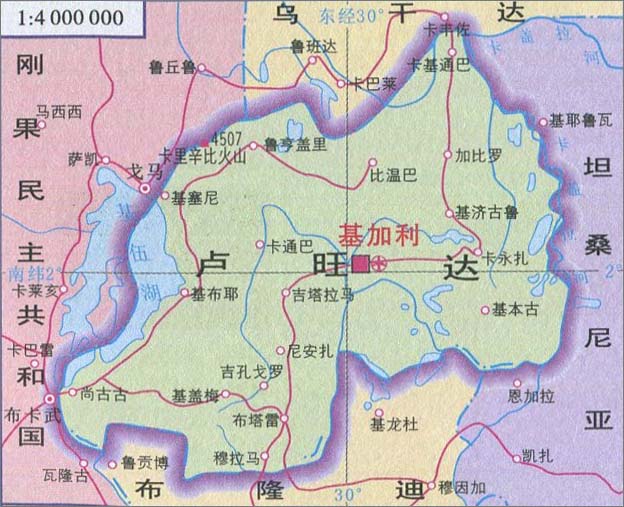
After Rwanda gained independence, the first official coffee organization, OCIR, was established, and only then did coffee bean production gradually receive attention. From the 1960s to the 1980s, Rwanda's coffee production continued to climb, reaching a historical peak in 1986, until domestic political turmoil in the early 1990s (the Rwandan genocide) brought the coffee industry to a standstill. Today Rwanda has gradually regained its vitality, and in terms of urban appearance, public security, friendliness of the people, and environmental sanitation, it can be called an "atypical" African country. Rwanda is currently widely recognized as the safest country in Africa, ranking ninth globally in the "2017 World's Safest Countries and Destinations" list, and is the only African country to make the top ten. This year's COVID-19 pandemic has dealt a considerable blow to Rwanda's coffee sales. To help Rwandan coffee farmers get through the crisis, on May 14, Alibaba's top livestreamer Viya recommended Rwanda Gorilla's coffee beans, selling a year's worth of sales in one second. Rwanda Coffee Growing Environment Rwanda is known as the "Land of a Thousand Hills," with mountains and plateaus dominating the entire territory, and most coffee trees are planted in mountainous areas at altitudes of 1,700 to 2,000 meters. Most areas have a tropical highland climate and tropical savanna climate, which are mild and cool. The country has about 33,000 hectares of coffee plantations, with 500,000 people engaged in coffee cultivation. Rwanda is one of the few countries in the world where soil, altitude, and climate blend in complete harmony; its unique growing conditions give Rwandan coffee beans a distinctive taste—the fresh sweetness of fruit, the delicate fragrance of flowers, and a finish like black tea. Rwanda coffee is mainly produced by smallholder farmers rather than large-scale corporate models. Although it cannot match the assembly-line efficiency of large enterprises, the smallholder model allows more focus on the quality of the coffee beans themselves.
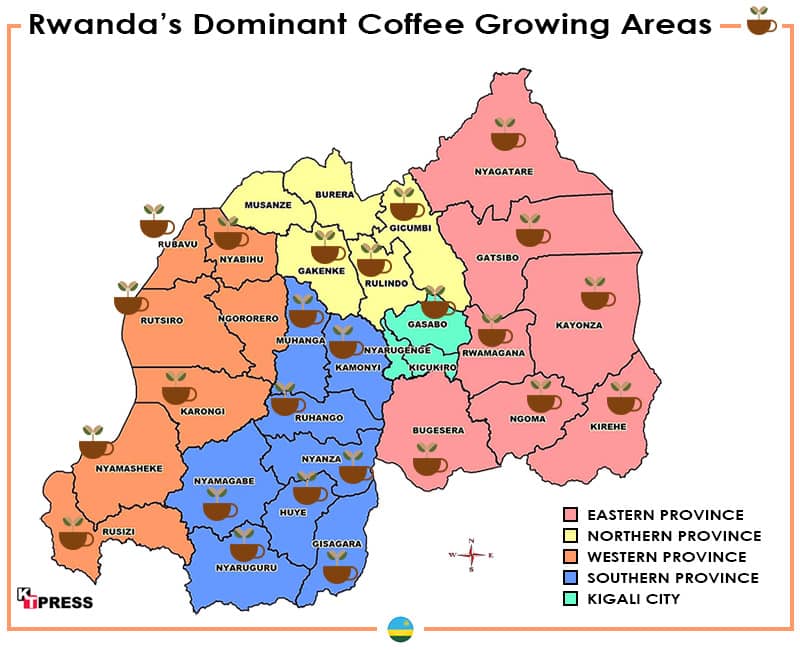
Rwanda Coffee Producing Regions Rwanda's Arabica coffee producing regions are mainly concentrated in the south and west. The southern Huye mountain area and Nyamagabe region, due to their higher altitude, produce coffee beans with floral and citrus flavors; the Nyamasheke region by Lake Kivu in the west is rich in high-quality coffee with a full body and aromatic, juicy character. Although flavor differences among producing regions are not very large, careful tasting still reveals distinctions. People often ask Front Street Coffee how to tell them apart, always feeling that flavor is something mysterious; in fact, Front Street Coffee also had to undergo extensive flavor recognition training to distinguish the coffee flavors of different producing regions, which requires time, energy, and persistent accumulation.
Rwanda Coffee Processing Methods In 2000, Rwanda, having just experienced internal turmoil, sought to revitalize its coffee industry. Led by Michigan State University in the United States, together with researchers from Texas A&M University and the National University of Rwanda and other institutions, multiple parties jointly assisted Rwanda in upgrading its coffee industry. The project was abbreviated as PEARL (meaning "pearl" in Chinese; the full English name is Partnership for Enhancing Agriculture in Rwanda through Linkages project). The PEARL program aimed to improve the quality and yield of Rwandan coffee, help farmers obtain better incomes, and form a virtuous cycle. After the program was implemented, 46 coffee washing stations were successively built in Rwanda, and strong coffee bean exports drove significant economic growth. The PEARL program was also the largest and most complete development plan implemented since Rwanda's independence.
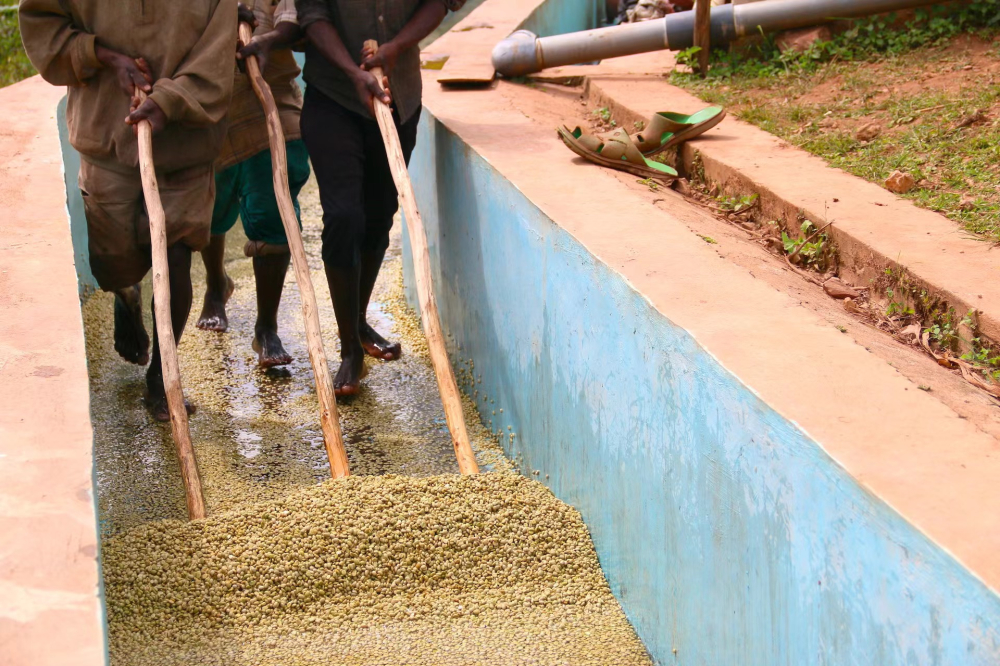
Therefore, Rwandan coffee beans are currently mainly processed using the washed method. Every harvest season, farmers deliver ripe coffee cherries to washing stations for processing. First, manual sorting ensures that unripe or damaged fruits are not mixed in. Then the pulp is removed, and washed fermentation is carried out in a cool, low-temperature environment for 12 to 18 hours, thoroughly cleaning off the adhering mucilage in channels. During drying on raised beds, washing station staff manually turn the beans and care for them carefully, ensuring that under sufficient sunlight the parchment green beans do not lose too much water or dry unevenly, until the moisture content steadily drops below 14%.
Rwanda Coffee COE Experience
In 2006, following the PEARL program, the SPREAD program was launched. In addition to continuously improving coffee quality, it also began to focus on smallholder farmers themselves, including their living environment, children's education, and local AIDS issues. In addition, while selling coffee beans, it also let buyers and drinkers understand that they were not just tasting a cup of coffee, but also indirectly helping producers and their families. The SPREAD program invested a total of 5 million USD and continued until it ended in 2012. In 2008, during the implementation of the SPREAD program, Rwanda held the Cup of Excellence (COE) competition for the first time, which was also the first COE ever held by an African country. That year's champion beans sold for 18 USD per pound, and by 2014 the price of Rwanda COE champion beans had climbed to 37 USD per pound, showing that international buyers and the market were increasingly accepting Rwandan coffee beans. Rwanda Coffee Bean Defects
Although Rwanda has performed well in COE, it has twice shown potato taste in competitions, a raw bean quality defect that directly led to disqualification from the competition. There are various explanations for the cause of potato taste, and it may be caused by contamination from a certain insect in the region. However, the recent batches of Rwandan coffee beans arriving at Front Street Coffee did not exhibit potato taste.
Rwanda Coffee and Starbucks In the early stage of the SPREAD program, in 2006, Starbucks began selling Rwandan coffee beans, including them in Starbucks' top product line "Black Apron" (the English name is Black Apron, a Starbucks internal certification program for "Coffee Masters." Ordinary Starbucks employees wear green aprons, and only after going through many exams and competitions can one wear the black apron symbolizing honor). Starbucks selected Bourbon coffee beans from two Rwandan washing stations (the Sholi Cooperative Washing Station and the Musasa Cooperative Washing Station) and named them "Blue Bourbon," priced at 24 USD per pound.
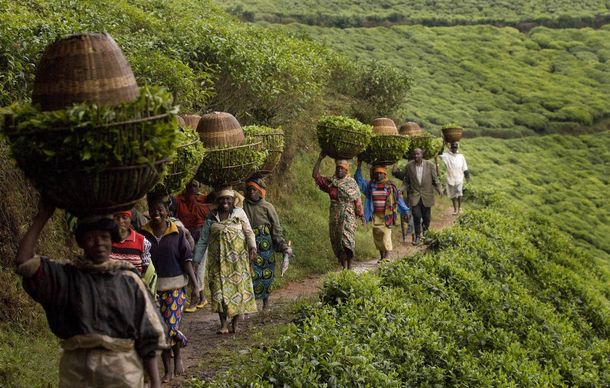
Front Street Rwanda Gaseke
Coffee producing region: Nyamasheke Processing station: Gaseke Processing Station Growing altitude: 1,700 to 2,000 meters Processing method: washed processing Coffee varieties: Bourbon, Caturra, Catuai
Gaseke Washing Station
Fidele Ndagijmana is a young trader in the Nyamasheke region. He saw the development potential of Rwanda's specialty washed coffee and applied to the government to build this processing station, successfully processing 170 tons of coffee cherries in its first year. He used the off-season to improve and expand production equipment, so that when the next harvest season arrived he could provide better production machines and a better storage environment. This excellent trader also secured for himself more land near the processing station for coffee cultivation.
Roasting Recommendation Because Rwandan coffee has refined acidity and a fresh flavor, in order to highlight this characteristic, Front Street Coffee recommends using a medium-light roast.
Cup Profile
Brewing Recommendation Dripper V60 Water temperature 90℃ Dose 15 grams Coffee-to-water ratio 1:15 Grind size BG#5G (80% passing through China standard No. 20 sieve) Brewing method Front Street Coffee uses staged extraction: bloom with 30 grams of water for 30 seconds, then pour in a small stream in circles until 125 grams for a stage break; when the water level is about to expose the coffee bed, continue pouring until 225 grams and stop; when the water level is about to expose the coffee bed again, remove the dripper. (Timing starts at the beginning of blooming.) The extraction time is 2'00".
Flavor Description It has a delicious, citrusy sweet aroma, bright acidity, berries, apple, citrus, a honey-like sweetness in the middle, excellent sweetness and balance, and a finish of almond and chocolate.
To drink Rwandan specialty coffee, Front Street Rwanda Washed Red Bourbon is the first choice. This single-origin coffee comes from the well-known local Nyamasheke, one of the highest-altitude areas locally. After medium-light roasting, you can taste the bright citrus acidity unique to African coffee, along with the sweet nutty aroma.
Front Street Rwanda Washed Red Bourbon Coffee Beans
Producing region: Western Nyamasheke region
Altitude: 1,700-2,000m
Variety: Red Bourbon
Processing method: washed processing
Roasting Recommendation
Because Rwandan coffee beans have fresh acidity, in order to highlight this flavor, Front Street Coffee recommends a medium-light roast. The darker the roast, the more fruit acidity will be lost.
Machine: Yangjia 800N, green beans 550g
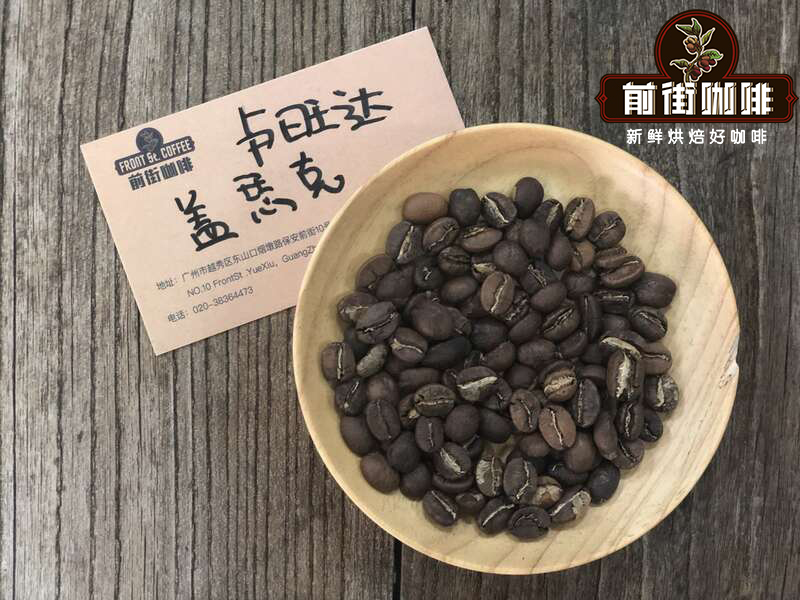
When Front Street Coffee cupped this Rwanda Washed coffee bean, in the dry aroma there were obvious floral and berry aromas, and the wet aroma had honey sweetness and nutty aroma. The overall flavor showed bright acidity, citrus, berries, nuts, and a caramel-sweet finish.
Brewing Recommendation
Front Street Coffee uses staged extraction , blooming with 30 grams of water for 30 seconds, then pouring in a small stream in circles until 125 grams for a stage break; when the water level is about to expose the coffee bed, continue pouring until 225 grams and stop; when the water level is about to expose the coffee bed again, remove the dripper. (Timing starts at the beginning of blooming.) The extraction time is 2'00".
Flavor Description
Floral and berry aromas; on the palate there are obvious citrus, berries, and plum, with nuts in the middle and a caramel-sweet finish.
Front Street Rwanda Nyamamba
Producing region: Western Rusizi region
Washing station: Nyamamba Washing Station Nyakarenzo
Altitude: 1695m
Variety: Bourbon Processing method: washed processing
Nyamamba Washing Station
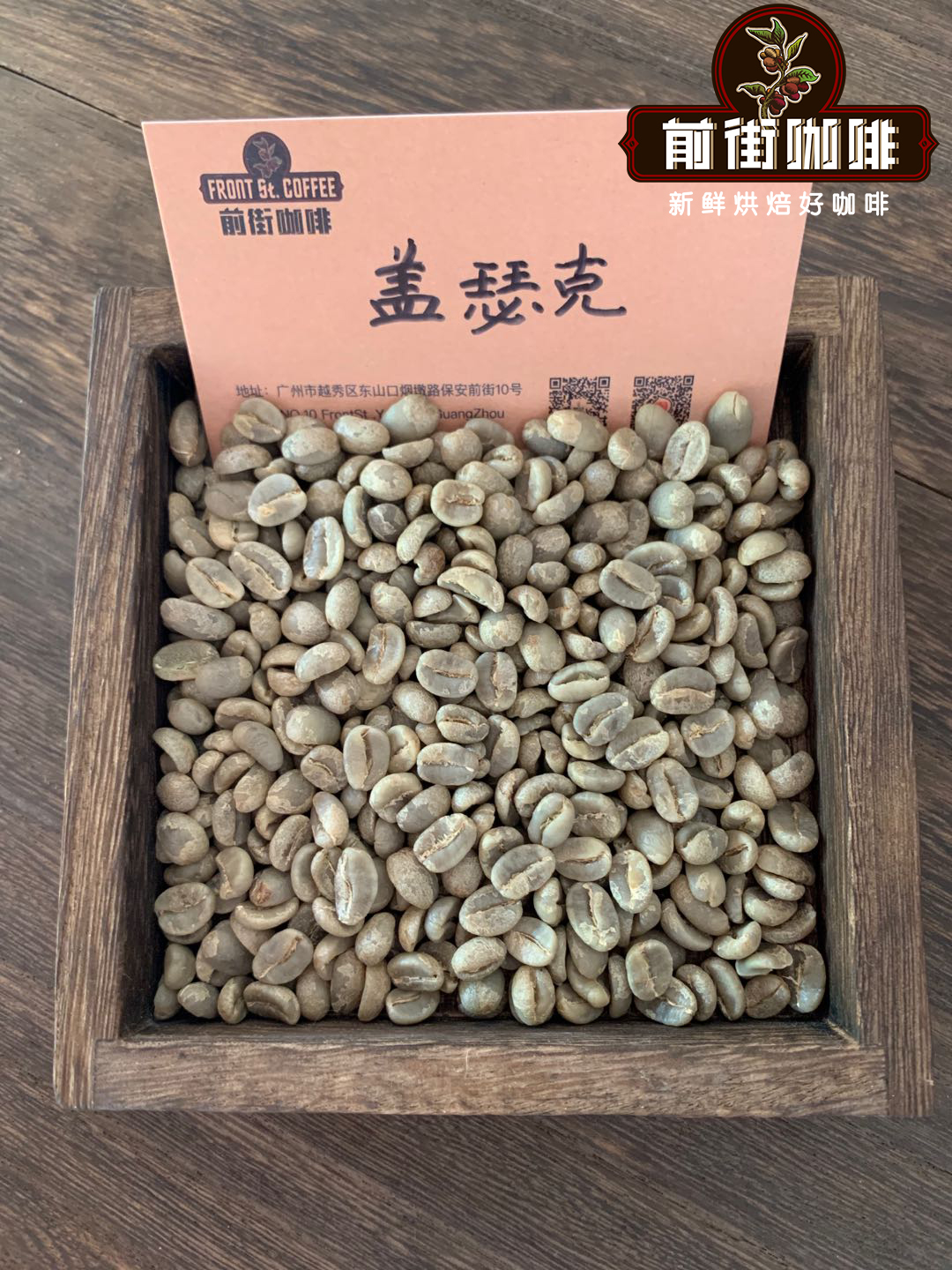
Nyamamba Washing Station Nyakarenzo is located in Rusizi in western Rwanda, bordering the Democratic Republic of the Congo and Burundi. The washing station is composed of more than a thousand smallholder farmers, three-quarters of whom are women.
Roasting Recommendation Because Rwandan coffee beans have fresh acidity, in order to highlight this flavor, Front Street Coffee recommends a medium-light roast. The darker the roast, the more fruit acidity will be lost.
Machine: Yangjia 800N, green beans 550g
When Front Street Coffee cupped this Rwanda Nyamamba coffee bean, in the dry aroma there were obvious citrus and walnut aromas, and the wet aroma had honey sweetness. The overall flavor showed bright acidity, citrus, raspberry, honey sweetness, and a walnut finish.
Brewing Recommendation
Front Street Coffee uses staged extraction: bloom with 30 grams of water for 30 seconds, then pour in a small stream in circles until 125 grams for a stage break; when the water level is about to expose the coffee bed, continue pouring until 225 grams and stop; when the water level is about to expose the coffee bed again, remove the dripper. (Timing starts at the beginning of blooming.) The extraction time is 2'00".
Flavor Description Citrus aroma and faint floral notes; on the palate there are obvious citrus and raspberry, bright acidity, rich juiciness, honey sweetness in the middle, and a walnut aroma in the finish.
The above content is compiled by CoffeeHunters, a coffee news website.


