







How does the honey process change arabica coffee flavor?
Ethiopia is the birthplace of Arabica coffee and Africa's largest producer, and Yirgacheffe stands out for its varied regional flavor. A honey-processed natural lot from the small village of Foge escaped blending on the Ethiopia Commodity Exchange, keeping its distinct profile: rich fruit aroma, berry sweetness, and a syrupy body.
Coffea arabica, or c.arabica, grows well at high altitude, and Yirgacheffe's day-night temperature swing supports slow cherry development. In the honey process, mucilage is left on the parchment during drying, which adds sweetness without the heaviness of a full natural. The result suits pour-over, drip bags, French press, and cold brew.
Ethiopia is the birthplace of Arabica coffee and the largest coffee-producing country in Africa. Among the many specialty coffees, Yirgacheffe stands out for its varied flavors and distinct regional character. The washed Yirgacheffe recommended by Front Street Coffee is a good choice for beginners, but today we focus on a naturally processed honey berry coffee bean from the small village of Foge in the Yirgacheffe region. Because of its outstanding quality, this bean escaped being mixed and sold on the Ethiopia Commodity Exchange, preserving its unique flavor. This article will walk you through the principles of the honey process, its pros and cons, and the detailed flavor profile of this Front Street Yirgacheffe Silinga Foge Station Honey Berry Natural G1.
Front Street Ethiopia Yirgacheffe Honey Process Natural Characteristics Overview
In addition to being the birthplace of Arabica coffee, Ethiopia is also the world's fifth-largest and Africa's largest coffee producer. When it comes to Ethiopia's most iconic coffee, Front Street Yirgacheffe, with its diverse flavors and unique regional characteristics, is often the first to come to mind, making it a benchmark for African specialty coffee.
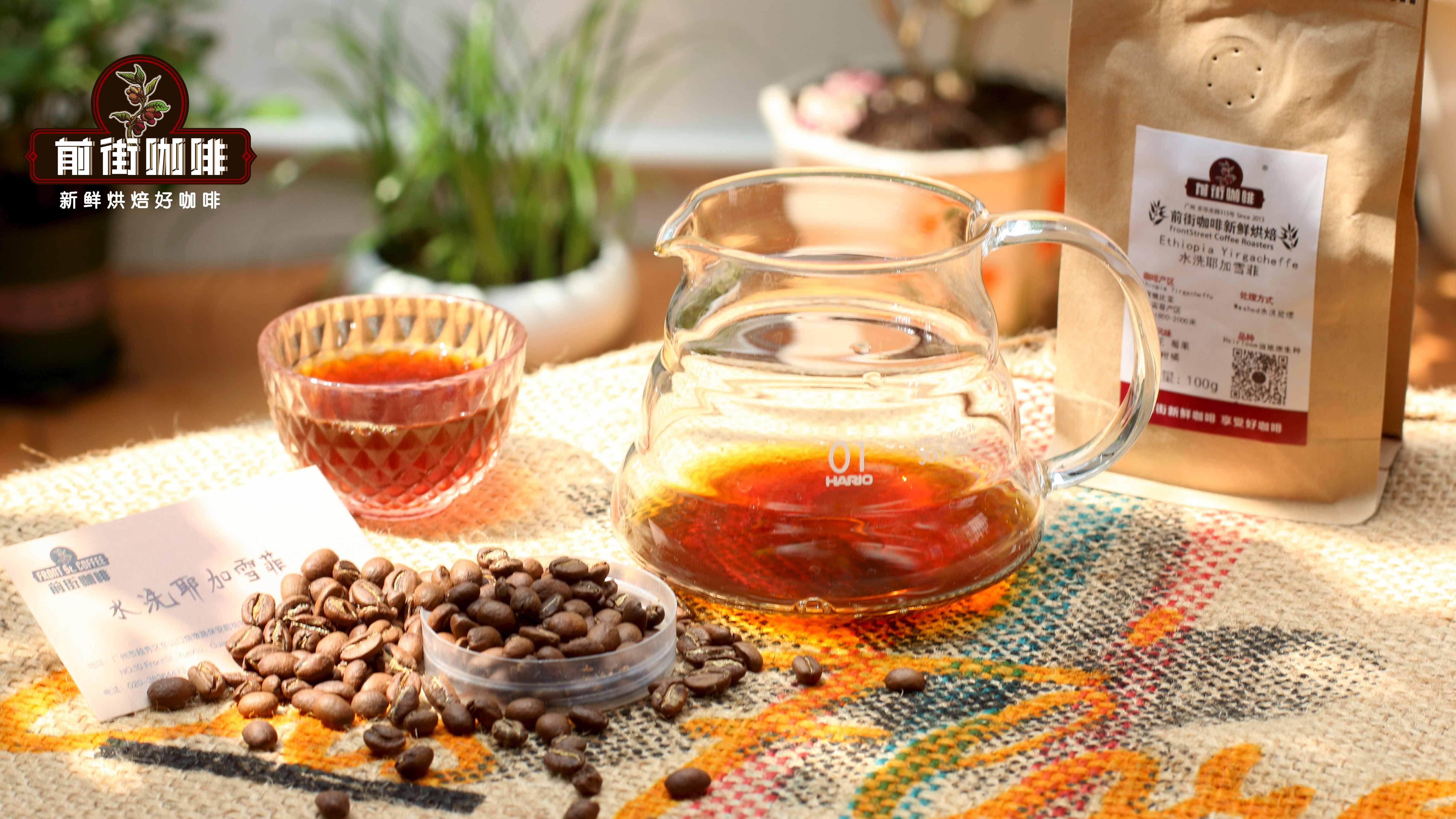
For those new to specialty coffee, Front Street washed Yirgacheffe is an excellent starting point. It uses the traditional washed process and, after a medium-light roast, displays abundant floral and fruity aromas, suitable for pour-over, drip bags, French press, cold brew, and many other brewing methods. It is also reasonably priced, making it very suitable as an everyday staple bean.
In the small village of Foge in the Front Street Yirgacheffe region, there is a coffee bean processed using the "honey berry natural" method. Due to its outstanding quality, this bean avoided being sent to the Ethiopia Commodity Exchange (ECX) to be mixed and sold with other coffees.
Every bag of coffee beans delivered to the ECX can be sold smoothly, and the ECX mechanism also prevents coffee farmers from driving prices down through cutthroat competition. However, this regulation also brings a problem: good beans with unique flavors and excellent quality are not easily identified, making it difficult to sell them at a high price.
These coffee beans were thus spared from being mixed with others. Front Street Natural Red Cherry Coffee, as a representative of specialty Yirgacheffe, is precisely a product of this beneficial reform. After cupping this coffee, our green bean partner directly imported this Front Street Honey Berry Natural Yirgacheffe coffee from the Foge processing station in the town of Silinga, Yirgacheffe.
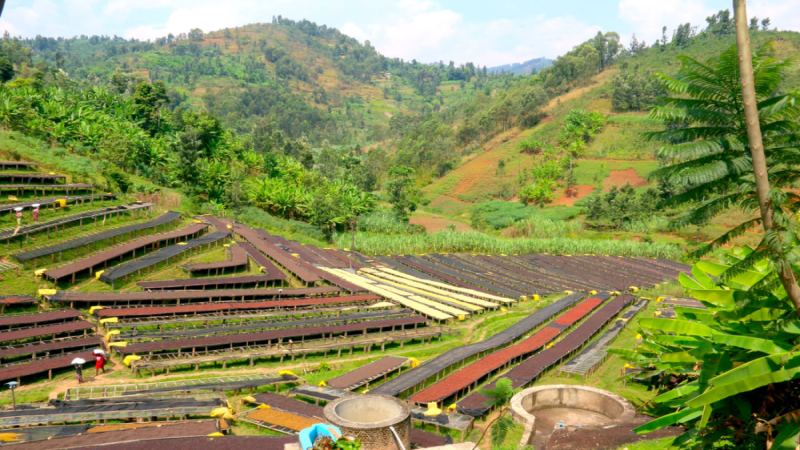
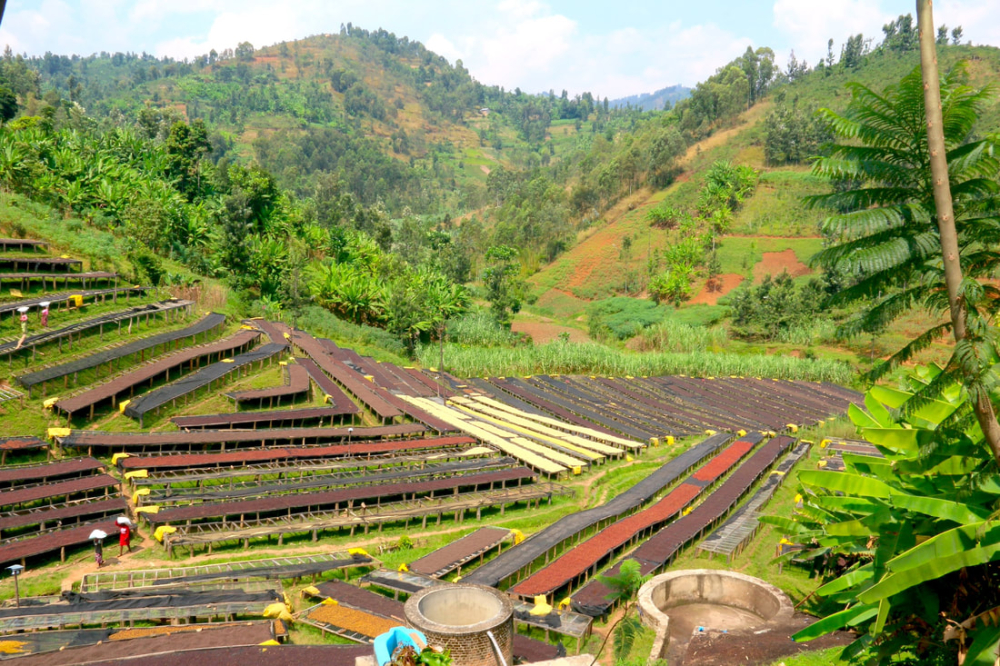
Honey processing refers to a green bean processing method that retains the mucilage and dries the beans directly in the sun. After the outer fruit pulp is removed, a certain amount of sticky gelatinous substance remains on the coffee beans. The traditional washed method uses clean water to wash off this gelatinous substance, but in some high-altitude producing areas with limited water resources, this method of sun-drying with the mucilage intact emerged.
The honey process is susceptible to contamination and mold, requiring strict monitoring throughout and constant turning to speed up drying and avoid undesirable fermented flavors. Its advantage lies in preserving the original sweet flavor of the ripe coffee fruit to the greatest extent, giving the coffee a delicate brown sugar flavor and stone fruit sweetness, while berry flavors also support a red-wine-like base aroma, making it considered a very elegant offering.
Centered on the Foge processing station, 300 surrounding coffee farmers deliver their harvested coffee cherries here for processing. This station mainly focuses on washed processing, natural beans are quite rare, and specially processed coffee beans are even rarer. What Front Street recommends to you is precisely this rare "Front Street Yirgacheffe Silinga Foge Station Honey Berry Natural" coffee bean.
Honey Berry Natural Process: When coffee farmers pick coffee cherries, they use a small refractometer to test the fruit. Once the coffee cherries reach the sugar content standard, they are picked immediately to ensure the cherries do not over-ferment. This coffee bean has an intensely acidic blue fruit flavor, with a mellow red wine fermented aroma on the palate, leaving an unforgettable impression.
Front Street Yirgacheffe Silinga Honey Berry Process Natural G1
Region: Yirgacheffe
Altitude: 1800-2000m
Variety: Local heirloom
Process: Honey process
Flavor: Blueberry, blackcurrant, red wine
Knowledge Extension: In March 2017, the Ethiopian Prime Minister approved a reform that changed the fate of Ethiopian coffee beans. This reform explicitly stated that cooperatively operated coffee processing stations have the right to export coffee directly; and allowed the separation of top-tier coffee lots.
The above content is compiled by CoffeeHunters, a coffee news website.


