







Costa Coffee History and the Yirgacheffe Sites of Aricha and Idido
Aricha and Idido are two separate processing sites in Ethiopia's Yirgacheffe region, not one station under two names. Aricha grew out of an earlier relationship with Idido, and the two now represent different lots and processing choices. Natural drying keeps fruit sugars in the bean, giving tropical acidity and berry sweetness, while washed lots stay cleaner.
Ethiopia's high altitude, low rainfall and long sunshine hours suit sun-drying, which is why natural Yirgacheffe beans show heavy fermentation character and a long finish. Green sourcing projects also matter here: coffees bought through direct trade can pay producers above Fair Trade rates, which is one reason Costa coffee history and origin debates keep returning to Africa.
Yirgacheffe is one of Ethiopia's most iconic specialty coffee regions, and the two names Aricha and Idido often confuse enthusiasts—are they different names for the same processing station, or two separate entities? This article starts from the underlying logic of the two processing methods, natural and washed, and traces the history of the Aricha processing station and its predecessor relationship with Idido, while introducing in detail two of Front Street Coffee's flagship products from this region: the Natural Red Cherry and the Washed Aricha. At the same time, the article will also walk you through Project Origin, a green coffee direct-sourcing project launched by 2015 World Barista Champion Sasa Sestic, and show how it gives back to the producing regions through purchase prices 20% higher than Fair Trade.
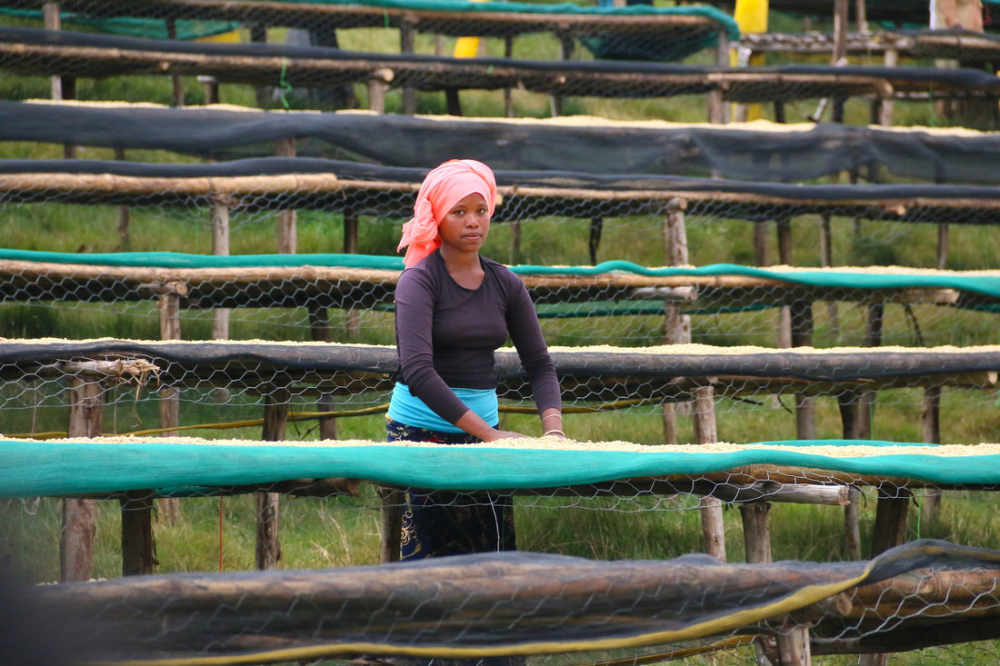
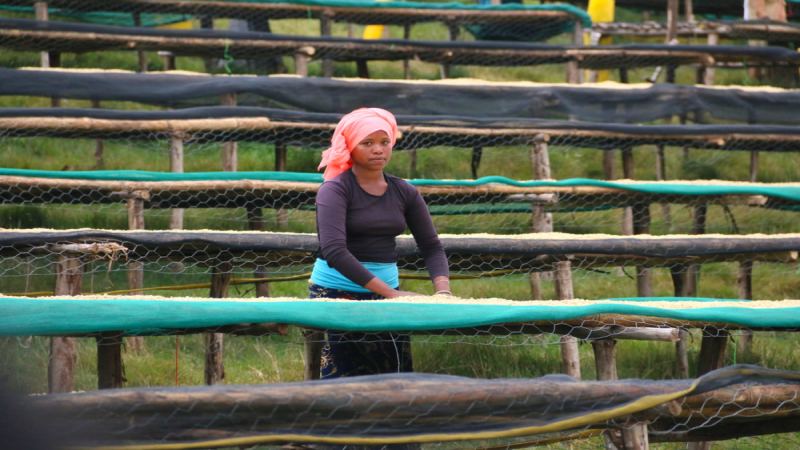
Ethiopia's natural conditions—high altitude, little rain, and long sunshine hours—provide an ideal environment for sun-drying green coffee. The core operation of the natural process is to spread the harvested ripe coffee cherries out to dry directly.
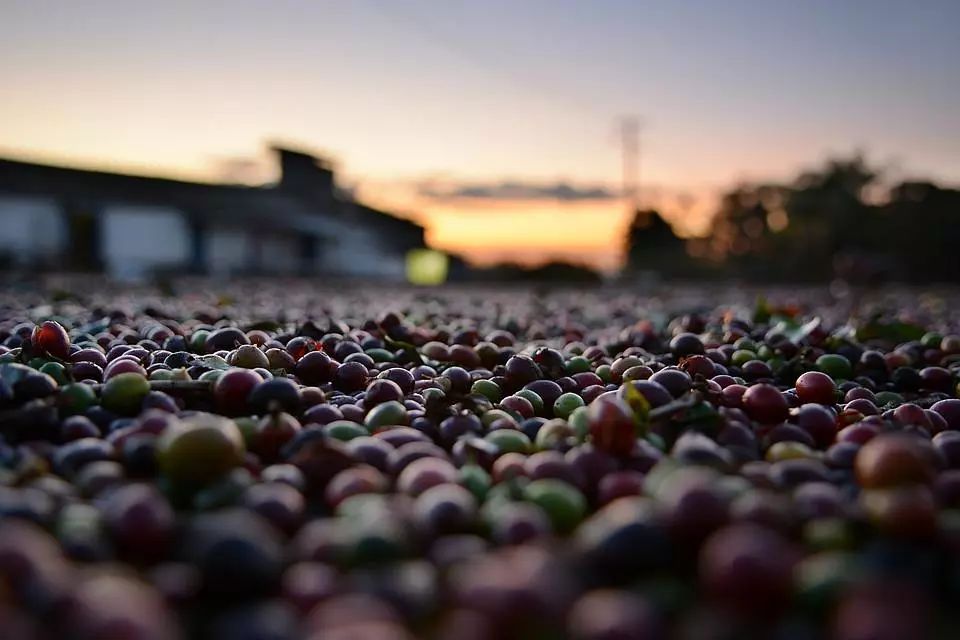
During the drying process, the sugars and aromatic compounds contained in the fruit pulp are retained in large quantities and gradually penetrate into the green coffee beans. At the same time, the longer the natural drying cycle, the deeper the fermentation. Because the fruit dries naturally while intact, the coffee beans ripen slowly inside the parchment and are less affected by external environmental interference, so natural beans often amplify their own flavors many times over—compared with the washed process, they show more distinct tropical fruit acidity and berry notes, fuller fermentation character and sweetness, and a heavier finish. The Front Street Red Cherry on Front Street Coffee's menu is made from naturally processed Yirgacheffe.
In terms of roasting strategy, Front Street takes acidity as the main flavor direction of Front Street Red Cherry, so it uses a medium-light roast. After cupping, the flavors and mouthfeel of Front Street Natural Red Cherry are as follows.
Ethiopian Yirgacheffe Aricha G1 Washed
Country: Ethiopia
Grade: G1
Region: Yirgacheffe Gediyo
Altitude: 1,900–2,100 meters
Processing method: Washed
Variety: Heirloom
Producer: Kebel Aricha
Flavor: Light fermented wine aroma, sweet orange, spice, honey sweetness
This lot of Front Street Yirgacheffe comes from the Kebel Aricha processing station, surrounded by roughly 650 to 700 smallholder coffee farmers who deliver ripe cherries here for processing in exchange for cash. The processing station first sorts the cherries, then spreads them directly on raised beds to sun-dry; in the early stage of drying, they are turned once every 2 to 3 hours to avoid over-fermentation. After four to six weeks of natural drying, workers remove the outer fruit pulp by machine according to weather and temperature conditions, and then transport it to Addis for storage. Natural beans are usually stored in parchment form and only hulled before export, in order to ensure green coffee quality. This lot of Front Street Natural Aricha was rated G1, the highest grade, by the ECX, and is outstanding in green bean appearance, consistency, freshness, as well as dry aroma and flavor performance—a must-try for enthusiasts who prefer bright acidity and rich berry flavors.
Flavor description: Light fermented wine aroma, pit fruit and date, sweet citrus notes, dark berries, lychee, starfruit, peach, white peach, longan and red date aroma, honey sweetness, cocoa notes with a hint of spice, full body and a long-lasting finish.
On the difference and relationship between Aricha and Idido
The Aricha processing station is located in Misty Valley, the most famous micro-region of Yirgacheffe, Ethiopia. Aricha was originally named Idido, and its owner at the time was the renowned Abdullah Bagersh. In those years, coffee produced by Bagersh was labeled Idido Misty Valley (IMV), and the jute bags also bore the prominent Bagersh name, which was almost equivalent to a quality guarantee for top Ethiopian coffee. Times have changed, and the Aricha/Idido washed processing station is no longer owned by Abdullah Bagersh. However, according to a field visit by Sweet Maria's, because the vast majority of local employees stayed on, the processing procedures and standards from the Bagersh era have largely been carried on, and quality has thus been maintained.
About Project Origin
Sasa Sestic is the winner of the 2015 World Barista Championship. Three years ago, together with his business team ONA Coffee, he launched a green coffee sourcing program called Project Origin. The project works directly with coffee-growing farmers in underdeveloped countries and regions, helping to improve their production conditions, and purchases at a level 20% above the Fair Trade price. The original intention of the project also included strengthening the connection between roasters and coffee farmers, and guiding farmers to grow high-quality coffee beans. To date, Sasa has established partnerships with coffee growers from eight countries, including Brazil, Panama, India, Ethiopia, El Salvador, and Costa Rica.
The above content is compiled by CoffeeHunters, a coffee news website.


