







Search Results for: Honey Processing Methods

Complete Guide to Honey Processing: From Mucilage Retention to Black Honey Classification, the Flavor Code of Costa Rican Coffee
The processing method of green coffee beans directly influences the flavor direction in the final cup. Beyond the three mainstream processing methods, honey processing, with its unique technique of retaining mucilage, has become a signature technology in Central America, especially in Costa Rica. From the perspective of Front Street, this article systematically reviews the operational procedures of honey processing, the grading of yellow, red, and black honey, the core differences from natural and washed processing, and extends to anaerobic honey processing as a derived technique. At the same time, Front Street uses a cupping comparison of Mirazu Estate Raisin Honey, washed Yirgacheffe, natural Red Cherry, and Lintong Mandheling to intuitively present the specific expressions of different processing methods in terms of sweetness, acidity, and aroma, helping coffee enthusiasts establish a clear sensory reference. [more…]
Honey-Processed Coffee Beans: Flavor and Processing Explained — How They Differ from Natural and Washed
Honey processing is one of the three major coffee processing methods, and it is especially prevalent in Central America. It was invented by Costa Rican coffee farmers because of the inconvenience of mountain transportation and the high cost of washed processing, and by retaining mucilage it gives coffee a more pronounced sweetness and delicate aroma. This article systematically reviews the origin of honey processing, the complete process, the classification standards for yellow, red, and black honey, as well as its advantages, disadvantages, and flavor risks. It also introduces two derivative methods, anaerobic honey processing and raisin honey processing, and uses Front Street Coffee's Costa Rica Musician Series Mozart and Bach as examples to show the specific flavor differences of different honey processing methods in the cup. [more…]
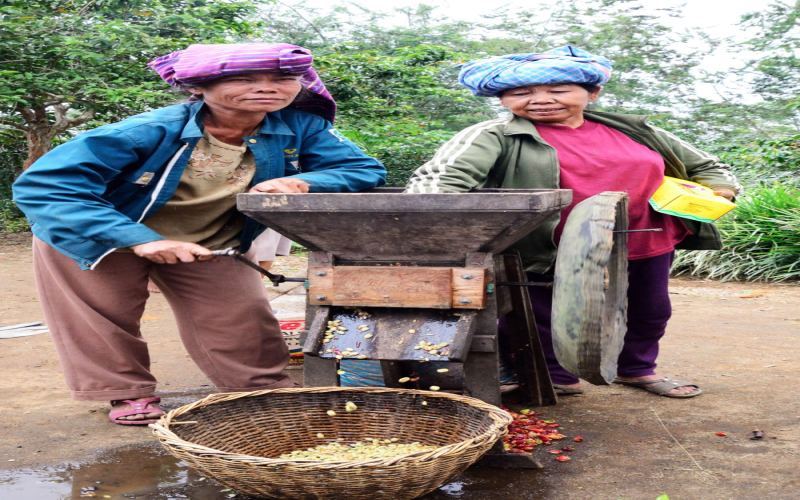
Analysis of Indonesia's Wet-Hulling Method: Comparing Peeled Sun-Dried and Honey Processing Techniques and Flavors
The green coffee bean processing method has a decisive influence on the final flavor. In addition to variety and origin, the processing method is also a key link in shaping coffee's personality. Currently, the mainstream methods include natural, washed, and the in-between semi-washed (wet-hulled), Brazilian pulped natural, and honey processing, among others. This article will provide a detailed explanation of three processes: Indonesian wet-hulled, pulped natural, and honey processing, covering their respective operational steps, flavor characteristics, roasting recommendations, and brewing parameters, and will combine bean examples from Front Street Coffee for cupping comparisons, helping readers systematically understand the taste differences brought by different processing methods. [more…]
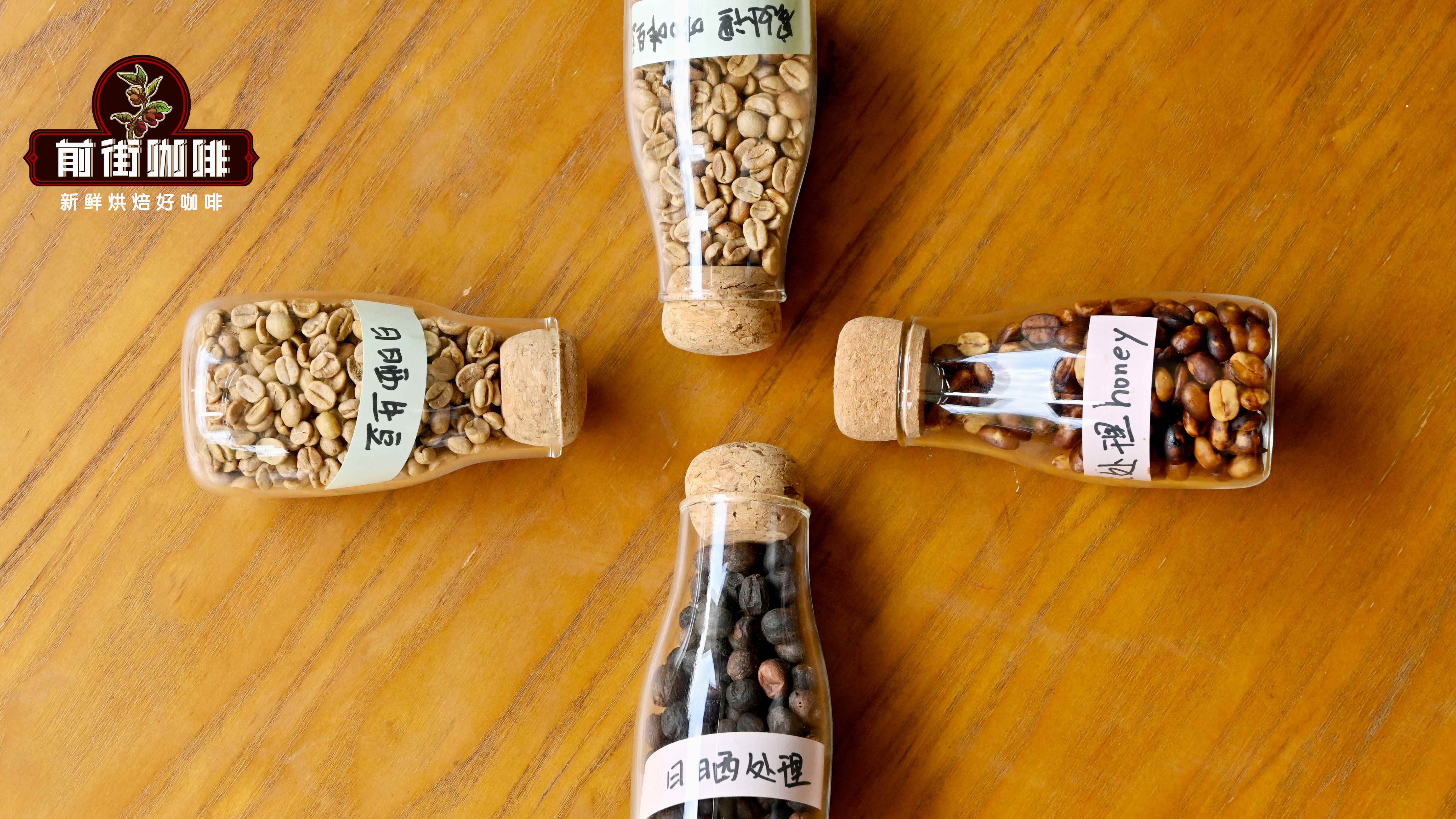
Wet-Hulled, Pulped Natural, and Honey Processing: An In-Depth Analysis of Three Major Green Coffee Processing Methods
Coffee processing methods determine the flavor direction of green beans. Besides the common natural and washed methods, there are three processing methods that fall in between: Indonesian wet-hulled, Brazilian pulped natural, and Central American honey. Each was born in response to the climate and water resource conditions of its origin, and they present distinctly different expressions in acidity, sweetness, and body. This article will break down the principles and processes of these three processing methods one by one, and, in combination with specific beans such as Front Street Golden Mandheling, Front Street West Java Arumanis Estate, and Front Street Costa Rica Sumava Estate Black Honey Caturra, explain how processing methods shape the flavor in the cup. Finally, a complete comparison of acidity, sweetness, production risk, equipment cost, and water usage is attached. [more…]
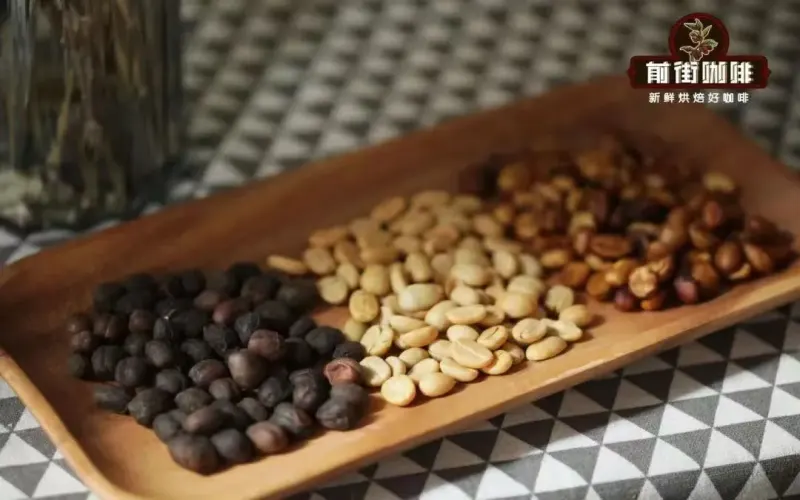
Sun-Dried vs. Honey-Processed Coffee: A Full Breakdown of Processing Methods, Flavor Differences, and Sweetness Impact
Sun-dried and honey processing are two common yet distinctly characteristic methods in coffee post-processing. The sun-dried method has the longest history and relies on ample sunlight for its operation; the whole fruit participates in fermentation, and the drying period can last more than three weeks, resulting in a more intense flavor with richer layers. Honey processing, on the other hand, originated in Costa Rica; after removing the skin and pulp, varying proportions of mucilage are retained for drying, which not only shortens the time but also develops ripe fruit notes and solid acidity. This article compares the differences between the two, from processing steps and the amount of fermented substances to drying duration and the subdivisions of white, yellow, red, and black honey, and explores exactly what factors determine coffee sweetness, while also recommending representative sun-dried and honey-processed coffees from Front Street Coffee's bean list. [more…]

How to Identify Coffee Bean Processing Methods? A Full Analysis of Flavors and Bean Appearance for Natural, Washed, Honey, and Wet-Hulled Processes
Faced with a dazzling array of coffee beans, how can you tell from their appearance and flavor which processing method they have undergone? Drawing on the practical experience of Front Street Coffee, this article teaches you to observe bean surface features such as remaining silver skin, the white line in the bean cleft, color, and sugar glazing, so you can quickly distinguish common processing methods like natural, washed, honey, and wet-hulled. At the same time, using examples from producing regions such as Yirgacheffe, it compares the flavor differences between natural and washed processing in terms of sweetness, complexity, and cleanliness, and extends to the craft logic of anaerobic processing and barrel fermentation, helping you understand more systematically how processing methods shape coffee flavor. [more…]
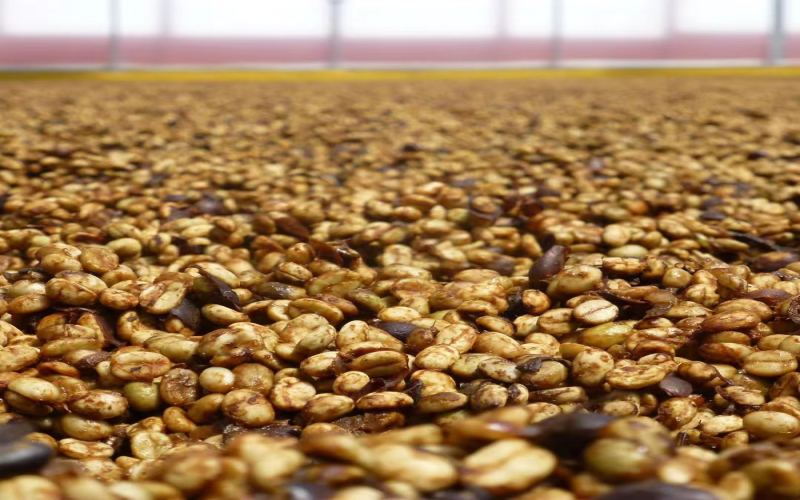
A Complete Guide to Honey Processed Coffee: How the Percentage of Retained Mucilage Affects Flavor and Drying Methods
Honey processing is a green bean processing method that has been highly sought after in the specialty coffee field in recent years. It originated in Costa Rica in Central America and, by retaining the mucilage layer surrounding the coffee bean during drying, gives the coffee a unique balance of sweetness and fruit acidity. This article will analyze, one by one, the origin of the name honey processing, why it is favored by coffee farmers, the specific operational steps, and the differences and pros and cons of the three processing methods: yellow honey, red honey, and black honey. At the same time, we will also share Front Street Coffee's roasting curve, cupping flavors, and pour-over parameter recommendations to help coffee lovers fully understand the essence and commercial considerations of this processing method. [more…]

How Is Honey Processing Different from Natural Processing? Analyzing the Rise and Flavor Characteristics of Honey-Processed Coffee Beans
The flavor profile of coffee is often determined by the combination of its producing region, variety, and processing method. Among the many processing methods, honey processing has surged in popularity in recent years; it shares similarities with natural processing, yet stands uniquely apart. From the perspective of Front Street Coffee, this article traces the origins of honey processing, its operational workflow, the differences between yellow, red, and black honey, and the core distinctions from natural processing in terms of flavor and craft. It also draws on two beans currently sold by Front Street—Costa Rica Fire Phoenix Sapphire and the Musician Series Bach—to share roasting and brewing test results, helping coffee enthusiasts more clearly understand why honey-processed coffee beans are so highly favored. [more…]
Wet-Hulled, Semi-Washed, Pulped Natural, and Honey Process: A Complete Analysis of the Flavor Differences Among Four Coffee Processing Methods
Following our previous discussion of the two major processing methods—natural and washed—this time we turn our attention to several post-harvest processes that fall between them: wet-hulled, semi-washed, pulped natural, and honey processing. How is each of these methods carried out? And what impact do they have on coffee flavor? We'll still start with the structure of the coffee cherry: from the outside in, the fruit consists of the outer skin, pulp, mucilage, parchment layer, silver skin, and the coffee bean seed itself. The core goal of all processing methods is simply to remove the outer layers and extract the seed. However, differences in the method, timing, and degree of removal lead to vastly different results in the cup. This article will break down these processing methods one by one—their procedural details, flavor tendencies, and the subtle connections between them—to help coffee enthusiasts more clearly understand the key role processing plays in shaping flavor. [more…]
A Complete Guide to Coffee Processing Methods: The Craft Differences and Flavor Comparison of Washed, Natural, and Honey Processing
Coffee bean processing is not simply washing, drying, or adding honey, but a set of refined procedures designed to remove the skin, pulp, and mucilage of the berry while preserving the quality of the coffee bean as much as possible so that it can be stored long term. Washed, natural, and honey processing, as the three mainstream methods, show significant differences in steps, green bean appearance, roasted bean characteristics, and final cupping flavor. This article will systematically sort out the specific operations of these three processing methods, teach you how to distinguish them by green bean color, roasted bean center line, and flavor performance, and include a selected bean list recommendation from Front Street brand to help you find the cup you like. [more…]

Recommendations for Costa Rican High-Sweetness Coffee Beans: Analysis of Raisin Honey Processing Flavor Characteristics and Extraction Methods
Costa Rica occupies an important place in the global specialty coffee landscape thanks to its unique microclimates and diverse processing methods. Honey processing, especially raisin honey processing, gives coffee beans a pronounced sweetness and rich fruity flavors. Among the Costa Rican single-origin coffees served at Front Street Coffee, more than three are honey-processed beans, including the Musician Series Chopin, Bach, and Mozart. This article focuses on Costa Rica's high-sweetness coffee beans, introducing the principles behind raisin honey processing, its flavor expression, and suitable extraction methods, while also reviewing the representative Costa Rican beans offered by Front Street Coffee, to help coffee lovers make choices based on their flavor preferences. [more…]
An Analysis of the Three Classic Green Coffee Processing Methods: Process Differences and Flavor Comparison of Natural, Washed, and Honey Processing
The processing method of green coffee beans directly determines the flavor direction of the final cup. Although the modern coffee industry keeps producing all kinds of novel specialty processing techniques, the three traditional methods of natural, washed, and honey processing remain the cornerstones of the specialty coffee world. In addition, a uniquely regional wet-hulled method is also widely used in Indonesia. This article will systematically sort out the specific operating procedures, quality characteristics, and flavor differences of these processing methods, and will also introduce the semi-washed method derived from natural processing and the natural washed method within the washed system. The article will also combine several representative coffee beans from the Front Street Coffee brand to help readers more intuitively understand how different processing methods perform in actual flavor. [more…]

What are coffee green bean processing methods? What are the operational procedures for the natural, washed, and honey processing methods? What are the differences, characteristics, and flavor profiles of natural, washed, and honey processed coffee?
Coffee green beans are not simply picked from the tree and then roasted and brewed right away; achieving good flavor requires many steps. People often assume that coffee flavor depends on variety, growing environment, and cultivation methods, but what they don't realize is that there is an important stage between growing and roasting called "coffee bean processing." [more…]
Coffee Processing Methods | Wet-Hulled, Semi-Washed, Honey Process, Pulped Natural — Detailed Steps, Flavor and Mouthfeel Comparison of Coffee Beans
We all know that different processing methods can give coffee a rich and varied flavor profile. For example, Front Street Coffee's bean list alone features dozens of varieties, covering more than ten different processing methods. Today, Front Street will focus specifically on wet-hulled, semi-washed, and pulped natural [more…]

A Complete Guide to the Four Major Coffee Bean Processing Methods: The Craft Differences Between Natural, Washed, Semi-Washed, and Honey Processing
The same coffee beans, processed using different methods, can end up tasting completely different in the cup. Washed, natural, semi-washed, and honey processing are currently the four most common methods of processing green coffee beans, each with its own emphasis in terms of process complexity, resource consumption, and flavor presentation. The natural method has low cost and a strong fermented character, with full-bodied sweetness; the washed method is clean and delicate, with bright acidity; the semi-washed method saves water and labor, balancing cleanliness and sweetness; honey processing retains the mucilage during drying, bringing tropical fruit and fermented sweet aromas. In this article, Front Street Coffee will break down the specific processes and flavor characteristics of these four processing methods one by one, and include corresponding Front Street Coffee bean list recommendations, to help coffee lovers more clearly understand the impact of processing methods on flavor. [more…]

What Are the Flavor Differences Between Semi-Washed and Honey-Processed Coffee Beans? A Full Breakdown of the Processing Methods, Grading, and Brewing
Semi-washed and honey processing both belong to the category of processing methods where the fruit skin is removed and the beans are dried directly, yet a single key difference has led them to evolve into completely different flavor profiles. Semi-washed originated in Brazil, skips the water tank fermentation step, and is suitable for commercial large-scale operations; honey processing was improved by Costa Rican farmers building on semi-washed, and is further divided into yellow honey, red honey, and black honey based on the amount of mucilage retained. This article will comprehensively sort out the operational procedures, flavor characteristics, and grading logic of these two processing methods, and, combining Front Street Coffee's Brazil Red Bourbon and honey-processed beans, provide targeted brewing parameters and technique suggestions to help coffee enthusiasts understand exactly how the two differ and what taste preferences each suits. [more…]

An Analysis of the Differences Among Black Honey, Red Honey, and Yellow Honey Processing: A Comprehensive Comparison from Pectin Retention to Flavor Expression
In the field of coffee post-processing, honey processing is an important method that falls between washed and natural, and is widely used in Central American producing regions such as Costa Rica. Depending on the proportion of mucilage retained, the drying time, and the frequency of turning, honey processing can be further divided into several tiers, including black honey, red honey, and yellow honey. Using three beans—black honey, red honey, and yellow honey—as samples, this article conducts a systematic comparison from green bean appearance and roasting curves to cupping flavors, helping coffee enthusiasts understand the practical impact of different honey processing methods on the final flavor direction, while also providing a reference for everyday purchasing and brewing. [more…]

How is honey processing different from natural and washed processing? And what exactly is raisin honey processing?
Many people, upon first hearing "honey processing," mistakenly assume that coffee beans are fermented with honey. In fact, it is a processing method that falls between natural (dry) and washed processing. Later, the honey processing family gave rise to a new variant known as "raisin honey processing." In this article, Front Street Coffee will guide you through the core differences between honey processing, natural processing, and washed processing, revisit the origin story of honey processing, and analyze the characteristics of white honey, yellow honey, red honey, and black honey one by one. Finally, we will compare the similarities and differences between Brazil's "raisin processing method" and Costa Rica's "raisin honey processing," helping coffee enthusiasts gain a comprehensive understanding of the ins and outs of these processing methods. [more…]
What Are the Differences Between Washed, Natural, and Honey Processing? A Detailed Explanation of the Flavor Characteristics and Operating Procedures of Three Coffee Bean Processing Methods
The flavor profile of coffee beans is largely determined by the processing method used after harvest. Washed, natural, and honey processing, as the three traditional and common coffee processing methods, each shape distinctly different expressions in the cup: washed coffees have bright acidity and high cleanliness; natural coffees have prominent sweetness and complex layers; honey processing strikes a balance between acidity and sweetness while amplifying aroma. Using three Geisha coffee beans from the Boquete producing region of Panama as samples, Front Street Coffee examines the core differences among these three processing methods one by one, from operational steps to the appearance of green and roasted beans, and also includes the brewing flavor and roasting records of each bean to help coffee enthusiasts build a clearer framework for understanding flavor. [more…]
A Comprehensive Analysis of the Evolution and Craft of Costa Rican Honey Processing: From Yellow, Red, and Black Honey to Hacienda Miramonte Strawberry Candy
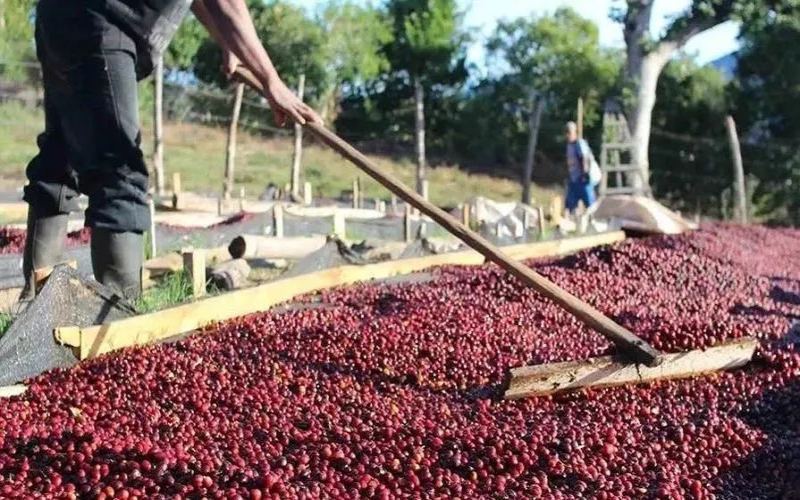
Coffee processing methods are advancing rapidly, with new techniques such as anaerobic fermentation, enzyme-assisted processing, and barrel-aging constantly emerging. However, traditional natural, washed, and the intermediate honey process remain the mainstream. The honey process originated in Costa Rica, where the high-altitude terrain and rainfall conditions prompted locals to draw on Brazil's pulped natural method and refine it, resulting in graded categories such as yellow honey, red honey, black honey, and white honey, which retain different proportions of mucilage. In recent years, raisin honey processing has emerged, and the Costa Rica Mirazu Estate Strawberry Candy introduced by Front Street Coffee is a prime example. This article will trace the development and technical details of the honey process, and introduce this bean—a blend of Geisha, Ethiopian heirloom ET47, SL28, and MAICO—which, when brewed with a V60 at a 1:15 ratio, presents flavors of strawberry, raisin, candy, nuts, and creamy honey. [more…]