







Search Results for: High
Taiwan High Mountain Tea Varieties and Altitude-Based Pricing Analysis: Characteristics of Alishan, Lishan, Shanlinxi, and Dayuling Oolong Tea
Taiwan's high-mountain tea has long been regarded as a treasure among oolong teas, but which tea regions actually qualify as high-mountain tea? Why does the price rise with elevation? Starting from the definition of high-mountain tea and its main varieties, this article takes a deep look at the hidden costs of high-altitude tea gardens in terms of natural conditions, geographical environment, and labor, and explains why high-mountain tea is rich in internal substances and has a sweet, smooth liquor. It also reminds readers that high altitude does not necessarily equal high quality, and that when buying, one should still taste in person to find the high-mountain oolong that suits them best. [more…]

Guangzhou high-speed rail milk tea officially launches, 26 yuan "That Girl" cup sparks heated discussion among netizens
Catering services on high-speed trains have been continuously upgraded, and now the Guangzhou EMU group has taken the lead in launching its own milk tea brand, "That Girl," priced at 26 yuan per cup, with average daily sales reaching as high as 3,000 cups. The series offers four flavors, and the official claim is that natural ingredients are used and tea concentration and sugar content have been reduced to suit passengers' needs. However, after the product launched, it quickly trended on social media, yet was collectively criticized by netizens over its price, packaging, taste, and marketing methods. At the same time, specialty coffee brands such as Front Street Coffee are also paying attention to this crossover attempt. This article will walk you through the research and development background of high-speed rail milk tea, its market performance, and evaluations from all sides. [more…]

Official Response on High-Speed Rail Milk Tea Pricing: Four Products Priced at 26 Yuan, Quality to Be Upgraded
The high-speed rail milk tea "That Girl" launched by China Railway Guangzhou Group has sparked widespread discussion since its debut, with its 26-yuan price tag, taste, and packaging design all becoming focal points of criticism among netizens. In response to the controversy, the head of Guangzhou EMU Catering Co., Ltd. responded on November 16, stating that the pricing takes into account production costs, transportation, and the special operating environment of high-speed rail, in line with relevant department standards, and promised to continuously optimize product quality based on passenger feedback. Whether this high-speed rail milk tea, which sells 3,000 cups daily and is often out of stock, can turn its reputation around is worth watching. [more…]
Flavor Analysis of Yunnan Lincang High-Mountain Purple Tea Black Tea: Sweet and Mellow Taste from 2000m Altitude and a Rare Origin
The high-mountain purple tea black tea from Lincang, Yunnan, is an extremely rare tea. It grows in pristine tea gardens at elevations above 2,000 meters, where no pesticides or fertilizers are used and the tea trees grow naturally. This tea is completely different from the Zijuan tea of southern Yunnan; the finished product carries creamy aromas and sweet notes of peach and sweet potato, with a soft, full-bodied mouthfeel and no astringency at all—so gentle that it can be drunk on an empty stomach without discomfort. This article will guide you through why high elevations can nurture such thick, rich tea flavor, and explore the unique origin, flavors, and tasting experience of this high-mountain purple black tea. Front Street Coffee recommends that you pay attention to this rare tea and experience the distinctive charm of Yunnan high-mountain tea. [more…]

Pour-Over Coffee Sweetness Enhancement Guide: The "High, Fine, Large, Fast" Four-Word Formula and the High-Concentration, Low-Extraction Approach for Dark Roasts
Most of the sugars in coffee beans have already been transformed and degraded during roasting, and the remaining sweet-tasting molecules are easily masked by flavors such as acidity and bitterness. In this article, Front Street will break down the underlying principles of high-sweetness extraction and explain in detail the four-character brewing formula of "fine, high, large, fast"—grinding finer, raising the water temperature, increasing the flow rate, and speeding up extraction—using medium-light roasted beans as the experimental subject, demonstrating step by step the specific parameters and techniques for each stage; for medium-dark roasted beans, which are loose in texture and cannot withstand aggressive extraction, the "high concentration, low extraction" approach is recommended, paired with a Kono dripper and a simple one-pour technique, which can likewise brew a cup of coffee with full sweetness and restrained bitterness. At the end, the article also introduces diverse extraction methods such as variable-temperature brewing, for enthusiasts to try freely. [more…]
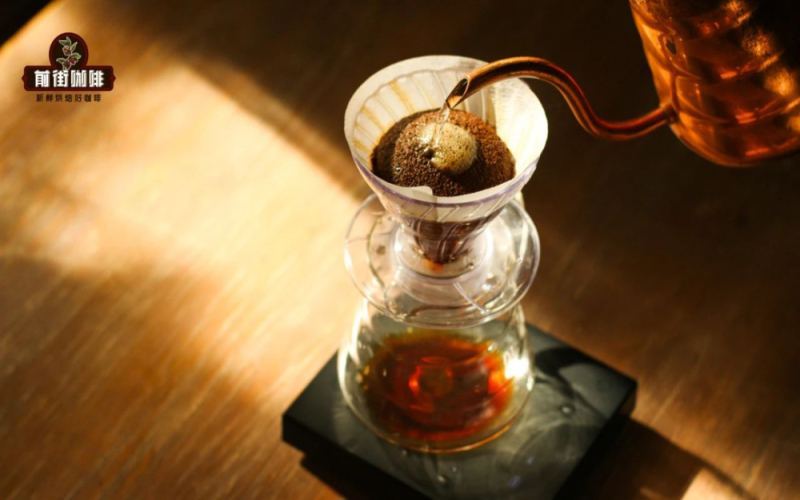
High-Concentration Low-Extraction Brewing Method Explained: Strategies for Increasing Pour-Over Coffee Concentration and Water Dilution Adjustment Techniques
In the world of pour-over coffee, "high concentration, low extraction" is gradually becoming a highly regarded brewing approach. What it pursues is giving the coffee liquid a higher concentration while keeping the extraction yield at a lower level, thereby leaving ample room for subsequent adjustments. The core of this method lies in flexibly using the coffee-to-water ratio, actively or passively changing the extraction conditions. Unlike the traditional "high extraction" approach, high concentration, low extraction places more emphasis on the coffee's margin for error—even if the concentration is on the high side, it can be easily corrected by diluting with Bypass water, avoiding a cup that is hard to drink. This article will thoroughly analyze the operational details of this brewing concept and, combined with Front Street Coffee's practical experience, help you master the complete framework of high concentration, low extraction, and make a stable and delicious pour-over. [more…]
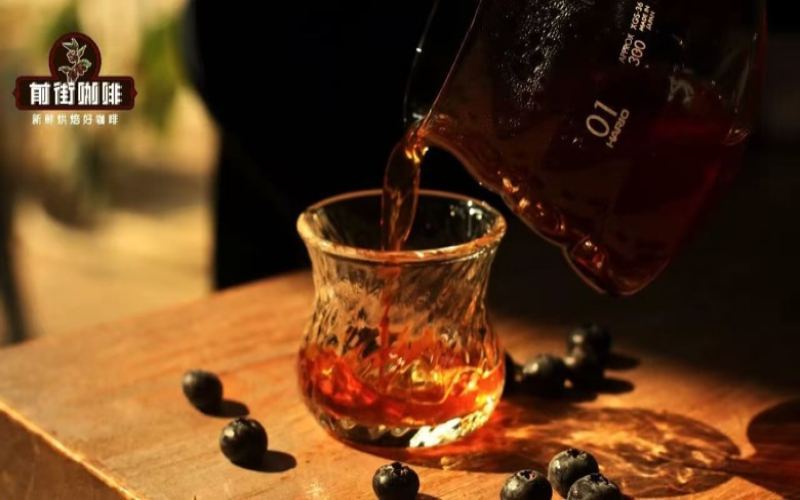
Pour-Over Beans from High-Altitude Regions: Why Are Floral and Fruity Notes Clearer?
When drinking pour-over coffee, have you ever noticed a pattern: those beans with particularly clear floral and fruity notes often come from high-altitude origins. Between altitude and flavor lies a very interesting causal chain—once you understand it, your eye for choosing beans will become much sharper. The reason high-altitude growing regions produce good flavor is first of all temperature. [more…]
Pour-Over Beans from High-Altitude Regions: Why Are Floral and Fruity Notes Clearer?
In the specialty coffee world, people often say that high altitude produces good beans, and the logic behind this actually has to do with the slow, high-mountain growth of coffee cherries. The higher the altitude, the lower the temperature, and the slower the coffee cherries ripen, so sugars and flavor compounds accumulate more fully, which shows up in the cup as clearer floral and fruity aromas and brighter acidity. Ethiopia's high-altitude growing [more…]
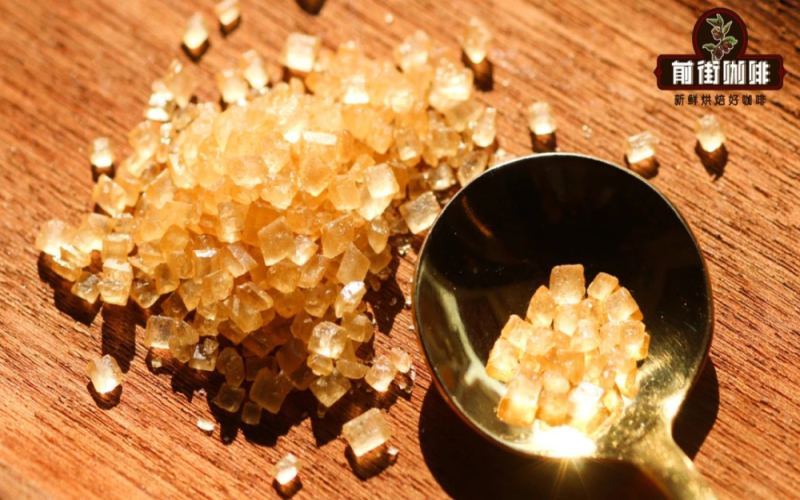
How can pour-over coffee highlight sweetness? A detailed explanation of the high-strength, low-extraction approach and practical parameter settings.
For many people, the most important thing about drinking coffee is that sweetness, but bitterness always easily barges in and ruins the party. In fact, coffee flavors are released in a sequence—sweetness and acidity come first, bitterness and off-flavors later. As long as you stop before bitterness dissolves out in large amounts, you can get a cup dominated by sweetness. This is the "high concentration, low extraction" approach we're discussing today: push the concentration higher while keeping the extraction yield at a suitably low level, so sweetness stands out and bitterness is suppressed. Below, we'll start with the Golden Cup extraction standard, explain what high concentration, low extraction is, its origins in Japanese dark roast brewing, and provide a directly usable pour-over recipe for light roasts. [more…]
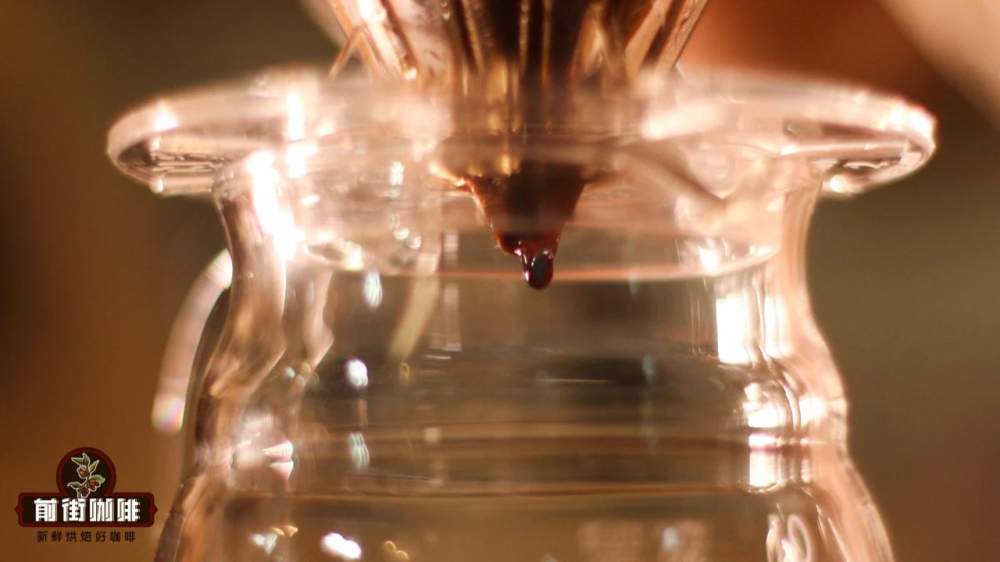
Pour Over Coffee Flavor | What Does High Concentration, Low Extraction Mean in Pour Over Coffee? Which Coffee Beans Are Suitable for High-Concentration, Low-Extraction Brewing?
Here it comes, here it comes. Today Front Street is going to share with you a brewing approach—high concentration, low extraction. This brewing method can minimize the bitterness of the coffee to the greatest extent, bringing the coffee to a nice flavor performance. What is high concentration, low extraction? Front Street will give a brief introduction here; it all still has to start from this "Golden Cup extraction [more…]

What exactly is high-concentration, low-extraction? Master this approach to brew coffee without bitterness.
Many coffee enthusiasts encounter the term "high concentration, low extraction" when reading Front Street Coffee articles or others' brewing分享, but the explanations they find are often packed with confusing data. This article breaks down this complex theory into plain, easy-to-understand descriptions: first, it explains that high concentration, low extraction is not a fixed technique but a brewing concept and outcome; then, with the help of the Golden Cup extraction chart, it clarifies the two core concepts of "concentration" and "extraction yield"; finally, it explains why, when dealing with dark-roasted, anaerobically processed, or extraction-sensitive beans, one needs to lower the extraction yield while increasing concentration, and how this concept is specifically reflected in Japanese-style brewing. [more…]

Brewing pour-over coffee with an electric kettle on a high-speed train sparks heated debate — how much do you know about the safety hazards?
During the Spring Festival return travel peak, a netizen on a high-speed train was approached by the young man sitting next to them, who surprisingly pulled out a full set of coffee equipment and used the tray table to boil water and make pour-over coffee. This romantic and novel experience quickly sparked heated discussion online, and the young man himself also posted a response, leading netizens to jokingly call it a "high-speed rail idol drama." However, beyond the gossip and fun, many users pointed out that the power outlets in high-speed train cars have limited wattage, so using a high-power electric kettle carries a risk of overloading, and the train's power supply is unstable, which may damage equipment, or even cause scalding if hot water is spilled when the person in front adjusts their seat. Coffee is good, but safety matters more. [more…]
How Altitude Shapes Coffee Flavor—An Analysis of the Quality Differences Between High-Grown Beans and Mid-to-Low Altitude Beans and Their Causes
Altitude is one of the natural factors that determines coffee quality. Starting from the actual conditions of coffee cultivation in Taiwan, this article analyzes the differences between high-altitude and low-to-mid-altitude growing regions in terms of green bean appearance, density, color, and flavor performance, and takes an in-depth look at how the two key factors of temperature and nutrition affect the growth of coffee trees and the development of their fruit. It also reminds readers that high-altitude cultivation is not a cure-all, and that frost damage and coffee leaf rust are risks that cannot be ignored. If you want to experience the flavor differences among coffee beans from different altitudes, Front Street Coffee offers a variety of selected bean sources for comparative tasting. [more…]
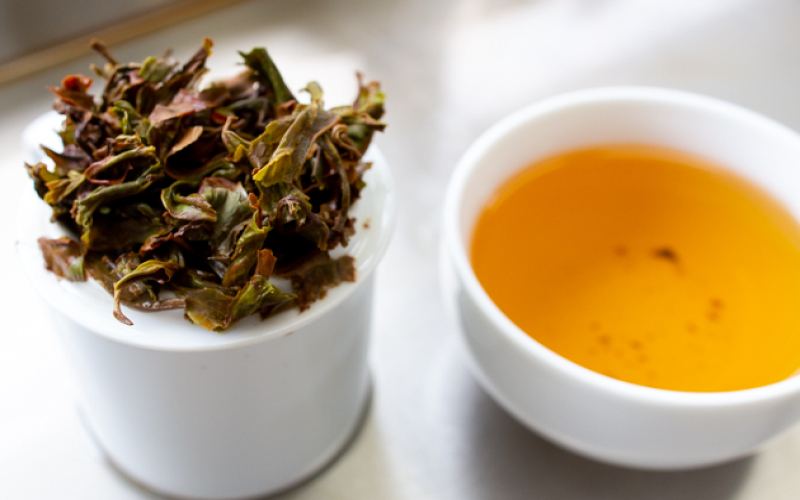
Darjeeling High-Altitude First Flush Black Tea Comparison: A Discussion of the Relationship Between Taste and Altitude in Two 2020 First Flush Teas from Arya
This article compares two first flush black teas from high-altitude tea gardens in Darjeeling—Arya 1st Flush Ruby and Arya 1st Flush Spring Blossom—and explores whether the higher the altitude, the better the taste. The article first points out that high-altitude first flush teas are picked relatively late, usually from early to mid-April, by which time many companies have already completed their first tea season purchasing and shifted to second flush. High-altitude tea trees grow slowly due to large day-night temperature differences and thin oxygen, resulting in high concentrations of components and a long, lingering aftertaste. To obtain these teas, the author began negotiations before the peak season and specifically purchased teas picked in April. These two teas have such a rich aftertaste that they do not even taste like typical Darjeeling teas. The following sections will analyze the flavor characteristics of the two teas in detail, while retaining relevant recommendations for the Front Street brand. [more…]
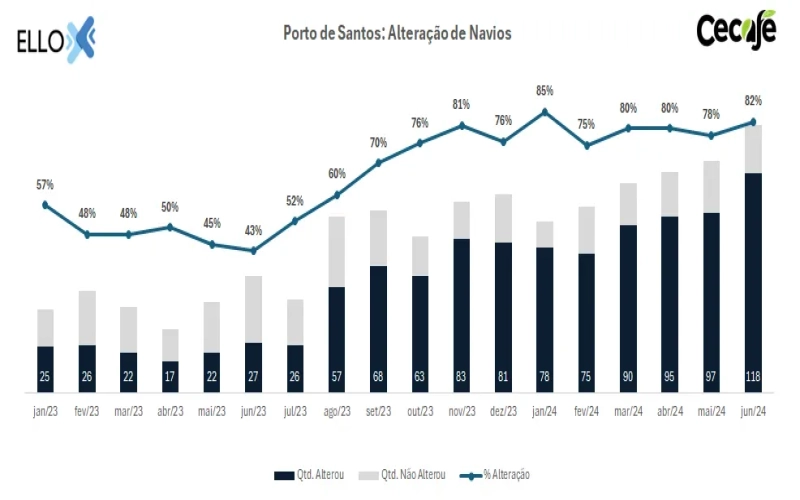
Brazilian coffee exports hit by a double whammy: port delays cause $290 million in losses, while high temperatures and drought continue to threaten production.
The Brazilian coffee industry is currently facing severe challenges. According to the latest report from the Brazilian Coffee Exporters Council, the delay rate at major ports reached 62% in June, leaving 1.23 million bags of coffee unable to be exported on schedule and causing foreign exchange losses of approximately US$290 million. The delay rate at the Port of Santos climbed to a record high of 82%. At the same time, persistent high temperatures and drought are affecting core producing regions such as Minas Gerais, and harvested coffee beans are showing undersized defects, with production expected to be revised down by 2 to 3 million bags. In addition, the dengue fever outbreak has exacerbated labor shortages, further weighing on exports. Front Street Coffee continues to monitor developments in Brazilian producing regions and brings you the latest industry analysis. [more…]
Analysis of Water Volume for 15g Pour-Over Coffee: Front Street Coffee Nicaragua High-Grown Extremely Hard Bean Full Berry Process Caturra Flavor and Brewing Guide
How much water should 15 grams of coffee grounds be paired with for pour-over coffee? This article uses Front Street Coffee's Nicaragua high-grown extremely hard bean full berry process Caturra as an example to provide a three-stage pouring plan with 225 grams of water. Although Nicaragua has long been overlooked by Taiwan's coffee scene, its growing conditions are no less favorable than those of other Central American countries. Its coffee is known for being clean and balanced, with light roasts being clean and bright, and dark roasts being sweet and full-bodied. Jinotega, Matagalpa, and Segovia are high-quality producing regions. This Caturra is full of fruit aroma and rich fruit acidity throughout, combining Central American elegance with African boldness. The article also includes complete information on variety, producing region, altitude, processing method, and brewing parameters. [more…]

Each bottle of Dongpeng Special Drink contains as much sugar as 15 sugar cubes, high-sugar energy drinks draw attention again
A 500mL bottle of Dongpeng Special Drink contains as much as 66.5 grams of sugar, equivalent to eating about 15 sugar cubes. A third-party testing agency's evaluation of 12 functional drinks on the market shows that Dongpeng Special Drink far outpaces the others in sugar content, even surpassing carbonated beverages known for being high in sugar. In response to this result, Dongpeng said its formula has been approved by the state and recommended drinking only one bottle per day. High sugar intake is closely linked to obesity, chronic diseases, and even accelerated aging, yet the sugar in functional drinks is difficult to completely remove. When late-night overtime workers treat Dongpeng Special Drink as a "life-renewing elixir," do they realize they are being "stabbed in the back" by high sugar? This article will take an in-depth look at this test report and explore the high-sugar dilemma of functional drinks. [more…]

Cause Analysis of Slow Flow in High-Density Light-Roast Pour-Over Coffee and a Practical Small-Flow Brewing Approach
Many coffee enthusiasts often encounter problems such as slow drainage, weak flavor, or bitterness when brewing high-density light-roast beans. These beans, due to their tight structure, high altitude, or light roast, easily settle and clog in the filter basket, leading to over-extraction or uneven extraction. Starting from Front Street's practical experience, this article analyzes the underlying reasons why high-density beans are difficult to brew and offers two approaches: first, multi-pour brewing, suitable for those not yet skilled at water control; second, a three-pour method with a slow, small stream throughout, better suited to players with some water-control foundation. Using Ethiopia's Geisha Village Red Label as an example, the article details the dose, grind, water temperature, and pouring rhythm to help you brew a great coffee with citrus and berry sweetness and acidity, rose aromatics, and an oolong finish. [more…]
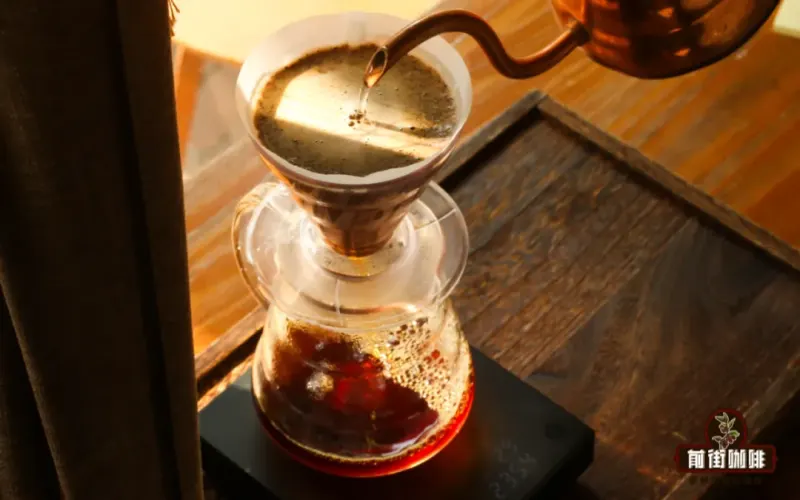
High-Speed Fine-Grind Large-Flow Brewing Method Explained: How to Boost Sweetness in Pour-Over Coffee and Recommendations for High-Value Arabica Beans
Many people prefer sweetness, and this has given rise to various pour-over brewing methods aimed at sweetness. One of these is the "high-fast-fine-large" method that Front Street Coffee is sharing today. Through a combination of four extreme parameters—high water temperature, fast extraction, fine grind, and large water flow—brewing is completed in a short time, thereby reducing the extraction of bitterness and highlighting the coffee's sweet aroma and sweet-tart balance. This method is especially suitable for medium-light or light-roasted Arabica beans, such as the cost-effective Front Street Coffee Huakui and Front Street Coffee Strawberry Candy. This article will break down the principles and operation of this approach in detail, and include the specific brewing parameters and flavor performance of Front Street Coffee Huakui to help you more easily brew pour-over coffee with a pronounced sweetness. [more…]
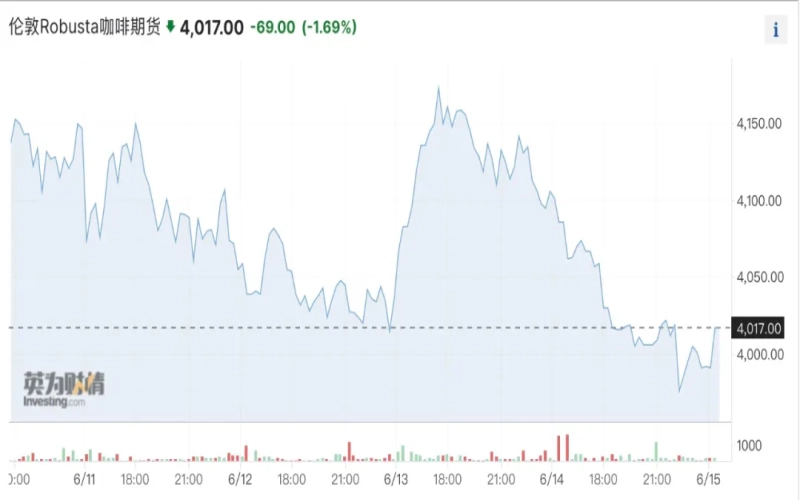
Robusta prices remain stubbornly high as Vietnam's coffee industry is squeezed by both extreme weather and crop competition
Vietnam, a major global robusta coffee-producing region, has recently suffered from prolonged high temperatures, drought, and insufficient rainfall, causing a marked decline in coffee production. Although high international coffee prices once encouraged farmers to expand planting, extreme weather has made cultivation exceptionally difficult. In the first five months of 2024, Vietnam's coffee exports fell by nearly 6% year-on-year, while robusta futures prices remained high at US$4,000 per ton, forcing some roasters to turn to Indonesia for procurement or choose to raise prices. At the same time, pepper prices have risen sharply, with returns far higher than those of coffee, which may prompt farmers to switch to pepper cultivation, and Vietnam's coffee-growing area may shrink in the future. Front Street Coffee will continue to monitor this shifting situation affecting the global coffee supply chain. [more…]