







Search Results for: Herbal Extract
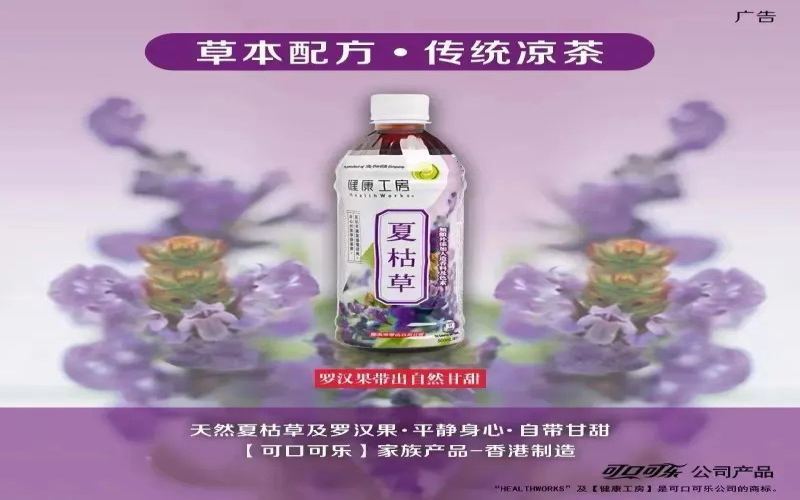
Wanglaoji's Waterfall Iced Cantonese-Style Drink Sparks Debate: Is Herbal Tea Crossing Over into Coffee Innovation or Anxiety?
Coca-Cola recently launched an herbal tea product called "Prunella vulgaris," but its name and packaging color scheme triggered collective misreading among netizens, many of whom associated it at first glance with the pesticide "paraquat." Meanwhile, Wong Lo Kat is also vigorously promoting "Waterfall Iced Cantonese Style" in its physical stores, combining concentrated herbal tea with fruit soda and ice, imitating coffee's visual appeal and sense of ritual. From Coca-Cola's naming mishap to Wong Lo Kat's attempt to turn herbal tea into coffee, traditional herbal tea brands all seem anxious to break through the limitations of their consumption scenarios. Are these crossover moves genuine innovation breakthroughs, or helpless measures by brands under performance pressure? [more…]
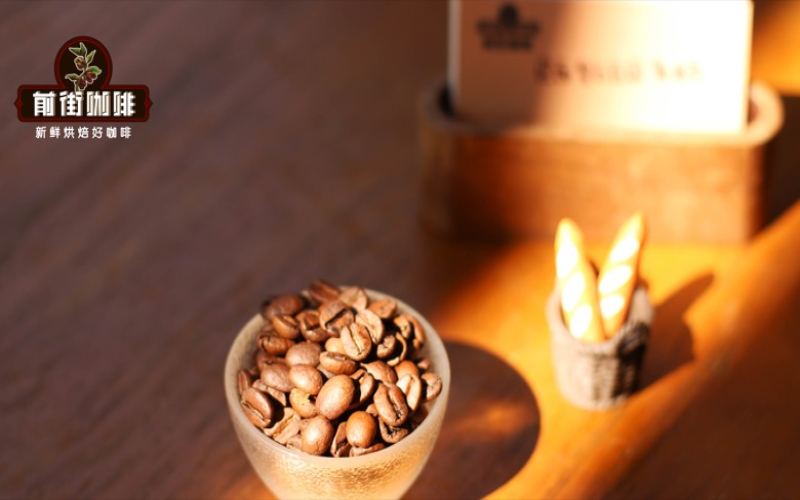
Origin Selection for Home Espresso Beans: The Performance of Single-Origin SOE on Home Machines
A home semi-automatic espresso machine doesn't necessarily mean you can only brew espresso blends—single-origin SOE can also produce distinctive shots on a home machine. The flavor profiles of SOEs from different regions vary noticeably; choose the right region, and even a home machine can deliver espresso with regional character. Mandheling SOE is the rich, full-bodied choice for home machines. Mandheling is harvested [more…]
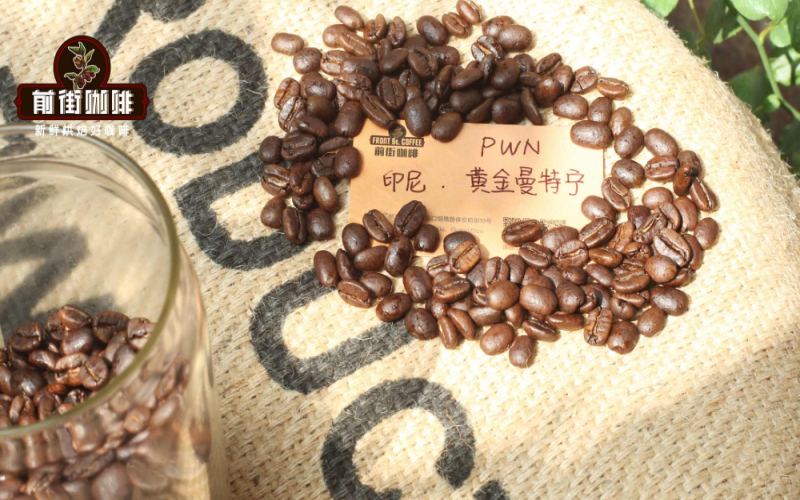
Analysis of the Semi-Washed Processing Method for Sumatra Golden Mandheling and Brewing Parameters
Golden Mandheling originates from Sumatra, Indonesia, and is one of the representatives of Asian coffee, renowned for its rich, full-bodied taste and unique herbal spice aroma. However, Sumatra's hot and humid tropical rainforest climate makes drying coffee cherries a challenge, which is why the semi-washed processing method has become a wise local choice for coping with the humid environment. For those who enjoy bold flavors and dislike acidic single-origin coffees, Mandheling is a fairly safe choice. But dark-roasted beans tend to extract bitterness during pour-over brewing—how do you strike a balance? Front Street Coffee has developed a Golden Mandheling brewing recipe by adjusting water temperature, grind size, and coffee-to-water ratio. This article will share the parameters and techniques in detail to help you brew a cup of sweet, mellow Mandheling. [more…]
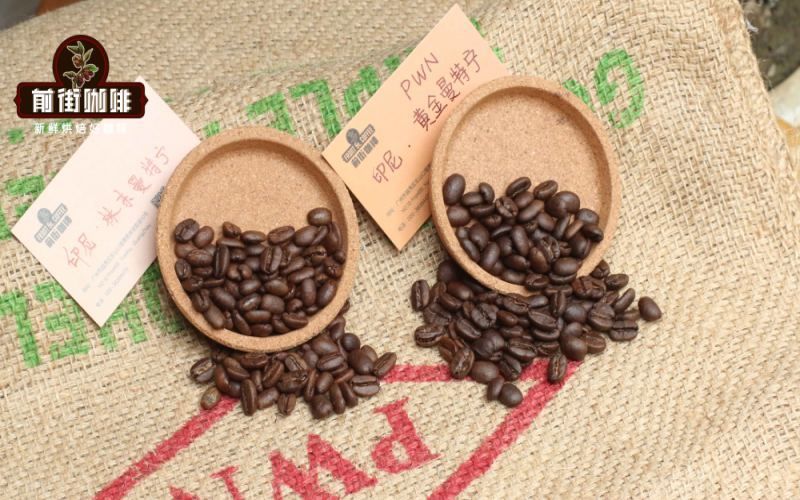
A Complete Analysis of Golden Mandheling Flavor: Sumatra Wet-Hulled Processing, PWN Four-Times Hand Sorting, and Brewing Parameter Guide
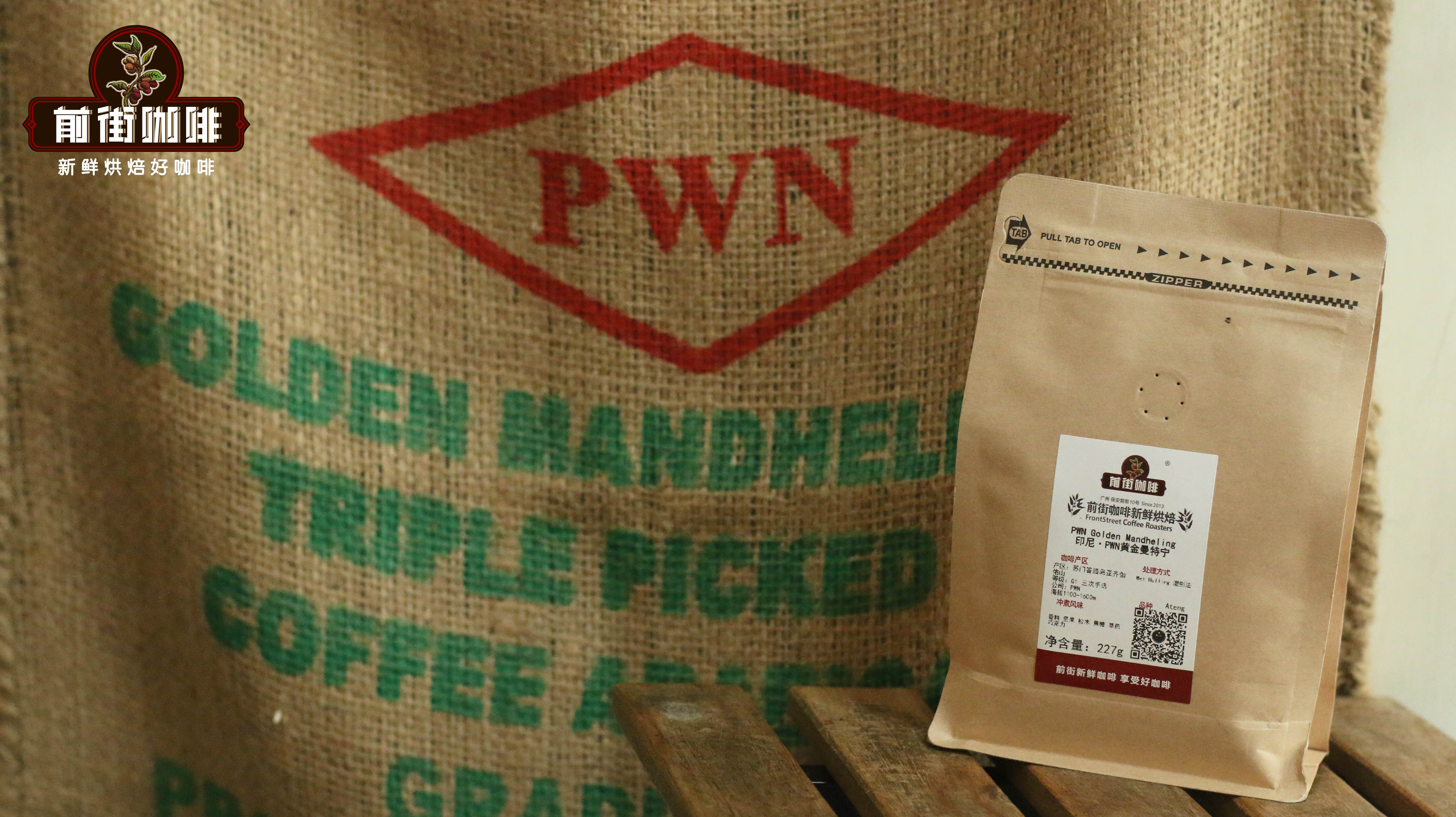
Golden Mandheling is one of the most recognizable coffees from Sumatra, Indonesia, famed for its spice, herbal notes, and full, robust body. This article begins with the growing region and the wet-hulling process to clearly explain the source of Mandheling's distinctive regional flavor, as well as how wet-hulling affects the appearance and flavor of green beans. It then focuses on PWN's four rounds of hand sorting and the G1 grade standard, explaining why Golden Mandheling is cleaner and more transparent than ordinary Mandheling. The article also covers Front Street's dark-roast approach for PWN Golden Mandheling and freshness recommendations, and provides Front Street baristas' Kono dripper brewing method and three-stage pouring parameters for this type of full-bodied bean, helping you brew caramel sweetness, chocolate, and nutty notes more consistently. [more…]
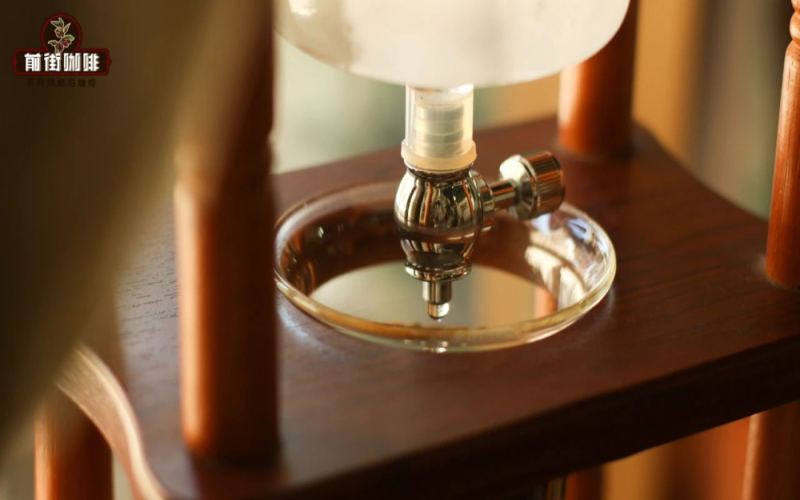
What Are the Differences Between Cold Brew, Ice Drip, Cold Brewed, and Iced Coffee? A Complete Guide to the Craft, Flavor, and Bean Selection of Four Types of Iced Coffee
Although they are all iced coffee, cold drip, cold brew, cold extraction, and iced chilling are often lumped together. They appear to all rely on low temperatures, but in reality their extraction paths, time requirements, and flavor directions are each different: cold drip emphasizes slow dripping and a fermented character, cold brew uses long soaking in exchange for a clean and smooth result, while iced chilling is a quick solution involving hot extraction followed by rapid cooling. This article breaks down the differences among the four from the perspectives of brewing principles, water flow control, water-to-coffee ratio, grinding, and bean selection, while retaining specific recommendations such as Front Street Coffee Mandheling and Yirgacheffe, to help coffee lovers make more suitable choices in different scenarios. [more…]
Golden Mandheling Coffee Moka Pot Brewing Techniques and Flavor Analysis: A Full Reveal of PWN Specialty Beans' Origin and Wet-Hulling Process
Friends who love rich, full-bodied coffee are certainly no strangers to Mandheling. Its distinctive herbal spice aroma and heavy dark chocolate mouthfeel leave a deep impression. So, can Mandheling be used to make an SOE with a moka pot? The answer is yes. This article will explain in detail how to extract a fragrant, mellow Golden Mandheling SOE using a moka pot, and take an in-depth look at the origin background, wet-hulling process, and strict grading standards of Front Street Coffee PWN Golden Mandheling, giving you a comprehensive understanding of this specialty coffee's unique charm. [more…]
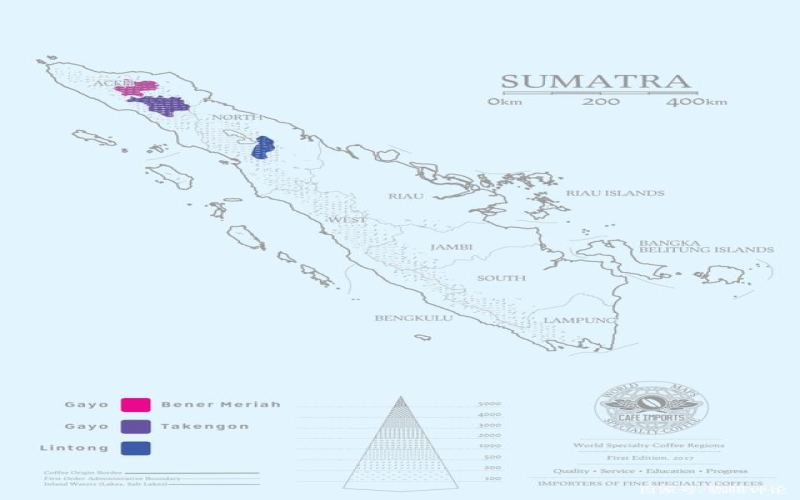
Indonesian PWN Golden Mandheling G1 Washed Beans: A Full Analysis of Origin, Flavor Profile, and Pour-Over Brewing Parameters
Mandheling is the most recognizable presence on the Asian coffee map, and the Golden Mandheling G1 washed beans produced by Indonesia's PWN are the benchmark of excellence within it. This article begins with the "Two Lakes, Two Mandhelings" of Sumatra's two core producing regions—Lake Toba and Lake Tawar—and sorts through the many ways Mandheling is classified, focusing on analyzing the differences between Front Street Lintong Mandheling and Front Street PWN Golden Mandheling in terms of the ethnic groups that cultivate them, processing methods, flavor expression, and roasting suitability. You will learn how the wet-hulling process gives Mandheling its distinctive woody, spicy, and herbal notes, and why PWN Golden Mandheling, after three rounds of manual sorting and one round of machine sorting, can present a cleaner cup with more pronounced sweetness. At the end of the article, Front Street's recommended brewing approach is included for coffee enthusiasts to reference and put into practice. [more…]
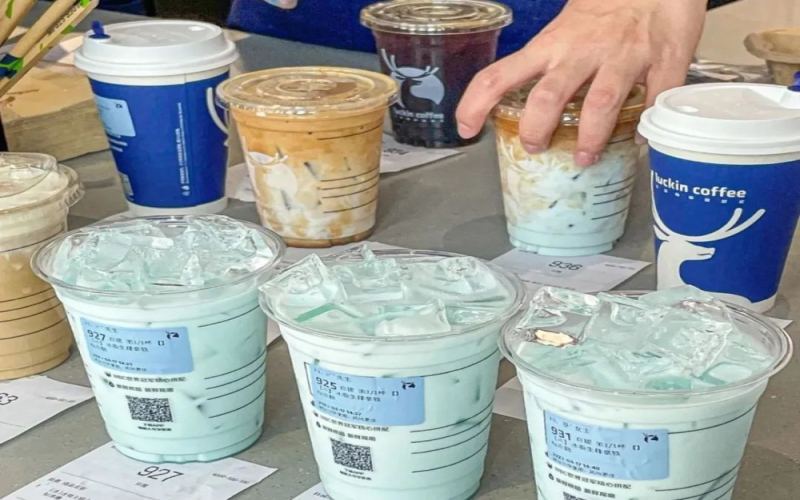
Luckin's Full Extraction series launches to much discussion, why is the long-extraction espresso base criticized for tasting like dishwater
Luckin Coffee recently launched a new product line—the Full-Extraction Series, comprising three milk coffees: Full-Extraction Oat Latte, Full-Extraction Meteorite Latte, and Full-Extraction Latte, recommended by Anthony Douglas, the 2022 WBC World Coffee Champion. The brand claims to use the Café Crema full-extraction process to extract more coffee liquid to enhance concentration, targeting those who prefer strong flavors. However, the first batch of reviews on social platforms has been uniformly negative, with consumers describing the taste as resembling dishwater or burnt herbal medicine soup. What exactly is the concept of full extraction? How does it differ from espresso? Why are consumers not buying it? This article analyzes from the perspectives of extraction principles and market trends. [more…]
Why Is Hot Americano So Bitter? Explaining the Differences Between Iced and Hot Americano from Temperature, Bean Type, and Ratio, Plus Bean Selection Tips
Many coffee enthusiasts' first impression of hot Americano is "bitter," and some even joke that the only difference between it and traditional Chinese medicine is that you can't use health insurance for it. In fact, iced Americano and hot Americano are essentially the same black coffee made by diluting espresso, but hot Americano tends to be less popular—office workers rely on it to stay awake while mocking themselves as "bitterly fated people." What exactly causes this difference in bitterness? This article, drawing on Front Street Coffee's tasting experience, breaks down the three major factors of temperature, coffee beans, and ratio, and offers specific advice on how to make a hot Americano that is aromatic without being bitter, as well as which coffee beans to choose if you fear bitterness and prefer sweetness. [more…]
Indonesian Mandheling Pour-Over Techniques in Detail: A Complete Guide to Rich Flavor from Bean Selection to Extraction
Mandheling is one of Indonesia's most representative specialty coffees, and its distinctive herbal and spicy notes have captivated countless coffee lovers. Yet many people, when brewing it by hand at home, often extract nothing but a monotonous bitterness, finding it hard to recreate the rich, sweet, mellow cup of Mandheling served in cafés. Just what part of the process is going wrong? Taking Front Street Golden Mandheling as an example, this article breaks down the complete essentials of hand-brewing Mandheling one by one—from bean freshness and origin processing methods to coffee-to-water ratio, grind size, water temperature control, dripper selection, and pulse pouring technique—to help you brew a clean, rich, and sweet Golden Mandheling black coffee with a long-lasting finish. [more…]
Why Does Hot Americano Taste as Bitter as Chinese Herbs? From Bean Selection to Extraction, a Guide to Making Smooth Americano
Hot Americano is often teased for having a bitter taste reminiscent of "Chinese herbal medicine" or "herbal tea," so many people switch to iced Americano. But when the weather turns cold, a warm cup of coffee is still a must. Why is hot Americano more bitter than iced Americano? The key lies in the fact that high temperatures amplify the taste buds' perception of bitterness, while higher concentration makes the flavors more intense. However, temperature and concentration are merely amplifiers—what truly determines the upper limit of bitterness is the coffee beans and the extraction plan. This article systematically explores how to make hot Americano smoother, from coffee bean roast level and extraction rate adjustments to fine particle handling, and retains recommendations for multiple Front Street Coffee bean varieties, helping you make a balanced, easy-drinking cup of Americano at home or in a shop. [more…]
The Flavor Curve in Espresso: The Drinking Rhythm from the Degassing Period to Opening and Storage
Roasted coffee beans accumulate a large amount of carbon dioxide inside, and these gases are slowly released outward over time. For home espresso extraction, the gas state inside the bean directly affects how smoothly water flows through the coffee bed. Freshly roasted beans are often full of internal pressure, and during pressurized extraction they tend to produce a rough and [more…]
Where Does the Name Mandheling Coffee Come From? An Analysis of the Wet-Hulling Process, PWN Golden Mandheling Flavor, and Pour-Over Parameters
Indonesia, as the country with the highest coffee production in Asia, produces Mandheling coffee that is world-famous for its heavy body and rich aroma. But did you know that this name actually originated from a linguistic misunderstanding? The unique flavor code of Mandheling is also hidden in the special wet-hulling process of Sumatra Island. From the perspective of Front Street, this article will sort out the origin of the name Mandheling, how the wet-hulling process shapes the flavor, and the bean selection standards of the top representative PWN Golden Mandheling. At the same time, Front Street will also share practical parameters for brewing Golden Mandheling by hand, including the coffee-to-water ratio, water temperature, grind size, dripper selection, and a three-stage pouring plan, to help you fully experience this coffee's herbal spice, dark chocolate, and caramel sweetness. [more…]
PWN Golden Mandheling vs. Lintong Mandheling Coffee Bean Varieties: Differences in Pour-Over Flavor and Mouthfeel
Mandheling is the representative coffee of Sumatra, Indonesia, renowned for its rich, herbal flavor. Front Street Coffee's year-round offerings, PWN Golden Mandheling and Lintong Mandheling, though both belonging to the Mandheling family, present distinct flavor profiles due to differences in origin, screening standards, and processing details. This article begins with the historical origins and naming of Mandheling, traces the development of Sumatran coffee, and focuses on comparing the varietal characteristics, processing methods, and cupping performance of PWN Golden Mandheling and Lintong Mandheling. It also introduces Front Street Tiger Mandheling, Aged Mandheling, and Wahana Estate Natural Mandheling. Additionally, it provides roasting approaches, brewing parameters, and flavor descriptions for the five beans, helping coffee enthusiasts understand how the wet-hulling process shapes Mandheling's classic taste, as well as the diverse possibilities of Mandheling in the specialty coffee wave. [more…]
Flavor Analysis and Brewing Suggestions for Indonesian Sumatra Tiger 19 Mesh Lintong Mandheling G1 Coffee Beans
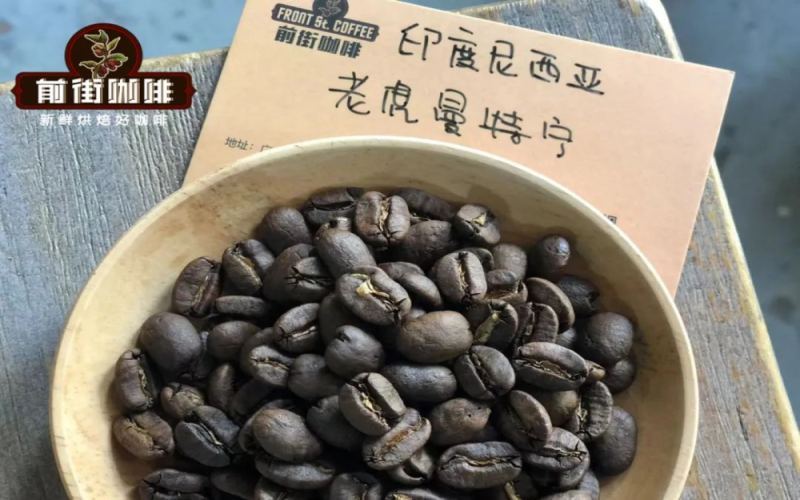
The Sumatran tiger is an endangered and rare animal, and on the Indonesian island of Sumatra, there is a Mandheling coffee named after the tiger, impressive for its commanding aroma and steady, mellow body. When recommending Mandheling, Front Street Coffee once summarized: for those seeking cleanliness, choose PWN Golden Mandheling; for those who prefer a full body, choose Aged Mandheling; and for those who want a rich aroma, choose Tiger Mandheling. This article will focus on Front Street Tiger Mandheling, introducing the terroir of its Aceh growing region, its 19-screen selection and triple hand-sorting process, the characteristics of the wet-hulled processing method, the performance of the Typica and Caturra varieties, and sharing Front Street's roasting curve, cupping flavors, and Kono dripper staged extraction parameters, helping coffee lovers gain a comprehensive understanding of this bean's flavor code and brewing key points. [more…]
Golden Mandheling Flavor and Taste Analysis: A Detailed Guide to Indonesian Mandheling Coffee Bean Varieties and Pour-Over Techniques
Sumatra Mandheling coffee from Indonesia has always been renowned for its rich aroma and full body, and Golden Mandheling is the standout among specialty grades. This article will guide you through the origin of the name Mandheling, the geographical features of Sumatra's two core growing regions—Aceh and Lintong—and clarify the differences among Lintong, Tiger, Aged, and Golden Mandheling. We will also take a deep dive into how Indonesia's unique wet-hulling process shapes Mandheling's distinctive herbal and spicy notes. Finally, using Front Street Coffee's Golden Mandheling as an example, we will share a complete set of parameter ideas from roast level selection to KONO dripper pour-over, helping you brew a clean, transparent, and richly layered cup of Mandheling. [more…]

Indonesian Sumatra Coffee Brands Rundown: From Aceh Tiger Mandheling to the Flavor Code of Wet-Hulled Processing
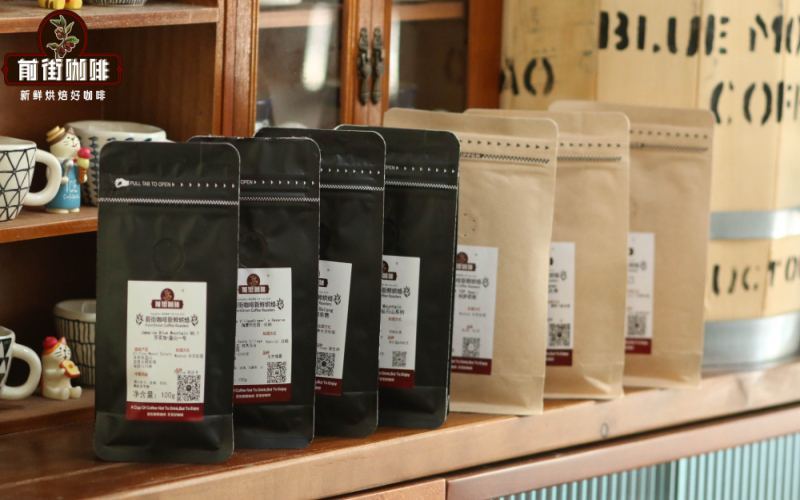
Sumatra Mandheling is the calling card of Indonesian coffee, and the Tiger Mandheling produced in the Aceh region is especially renowned for its 19-mesh selection and unique agarwood aroma. This article begins with the geography and history of the Aceh region, tracing the naming origins of Tiger Mandheling, the characteristics of the Typica and Caturra varieties, and explaining in detail how the wet-hulling process shapes a regional flavor interwoven with wood, spice, and herbal notes under humid climates. It also presents Front Street Coffee's roasting curve, cupping report, and Kono dripper brewing parameters, and introduces the 100-gram small-pack Lintong Mandheling daily beans for coffee enthusiasts to reference for home pour-over. [more…]
Where Does the Sumatran Mandheling Flavor Come From? Wet-Hulled Processing and a Pour-Over Analysis of PWN Golden Mandheling
Mandheling coffee is one of the most iconic single-origin coffees of Sumatra, Indonesia. Behind its unique herbal, spicy, and full-bodied character lies the wet-hulling method that locals invented to suit their environment. This article will walk you through the terroir of Sumatra's coffee-growing regions, the reasons behind the creation of the wet-hulling method and its steps, as well as what makes PWN Golden Mandheling so special. At the same time, Front Street Coffee will share pour-over approaches, parameter recommendations, and flavor performance for this dark-roasted bean, helping you better bring out Golden Mandheling's caramel sweetness and solid body. If you're curious about Mandheling's "taste of place," this article will give you a complete answer. [more…]
Indonesian Mandheling Coffee: Regional Characteristics and Flavor Analysis: Suitability for Espresso SOE and Front Street Mandheling Bean Recommendations
Mandheling coffee is a common single-origin bean in specialty coffee shops, yet it is often misunderstood as being bitter and nothing more. In reality, an excellent cup of Mandheling can reveal rich dark cocoa and herbal aromas, with a mellow body that shows a slight fruity acidity, a smooth mouthfeel, and a long-lasting sweet aftertaste. This article will provide a comprehensive analysis of Mandheling from the perspectives of its origin background, flavor characteristics, shelf life, and espresso SOE applications, and recommend two representative beans—Front Street Lintong Mandheling and Front Street PWN Golden Mandheling. It will also share SOE extraction parameters and latte-making methods to help coffee enthusiasts gain a deeper understanding of this classic Indonesian coffee. [more…]
Ceylon Flavored Black Tea Flavor Analysis: Earl Grey, Jasmine, and Masala, Plus a Discussion on Whether Flavorings Are Added and the Causes of Astringency
Ceylon flavored black tea is made by infusing black tea, green tea, or oolong tea with the natural flavors of flowers, herbs, and fruits, preserving the inherent depth of Ceylon tea while adding subtle fruity or herbal notes. Common varieties on the market, such as Earl Grey, jasmine tea, and masala chai, each have their own origins, while innovative flavored teas like raspberry, lemon, ginger, strawberry, mint, vanilla, and cinnamon are continually emerging. Many tea enthusiasts wonder whether flavored black teas rely solely on artificial flavorings, and why Ceylon black tea tastes astringent. This article will address these questions by outlining the types, processing methods, and flavor characteristics of Ceylon flavored black tea, and also introduce related product information from Front Street Coffee. [more…]