







If you love rich, full-bodied coffee, you're surely familiar with Mandheling. Its distinctive herbal spice aroma and heavy dark chocolate mouthfeel leave a lasting impression. So, can Mandheling be used to make SOE with a moka pot? The answer is yes. This article will explain in detail how to extract a mellow Golden Mandheling SOE with a moka pot, and take a deep dive into the origin background, wet-hulled processing method, and strict grading standards of Front Street PWN Golden Mandheling, giving you a comprehensive understanding of this specialty coffee's unique charm.
If you prefer a rich, full-bodied coffee flavor, Front Street believes you've most likely already tried Mandheling. Its distinctive herbal spice and heavy dark chocolate mouthfeel leave those who taste it with a lasting memory. So, can Mandheling also be used to make SOE coffee with a moka pot?
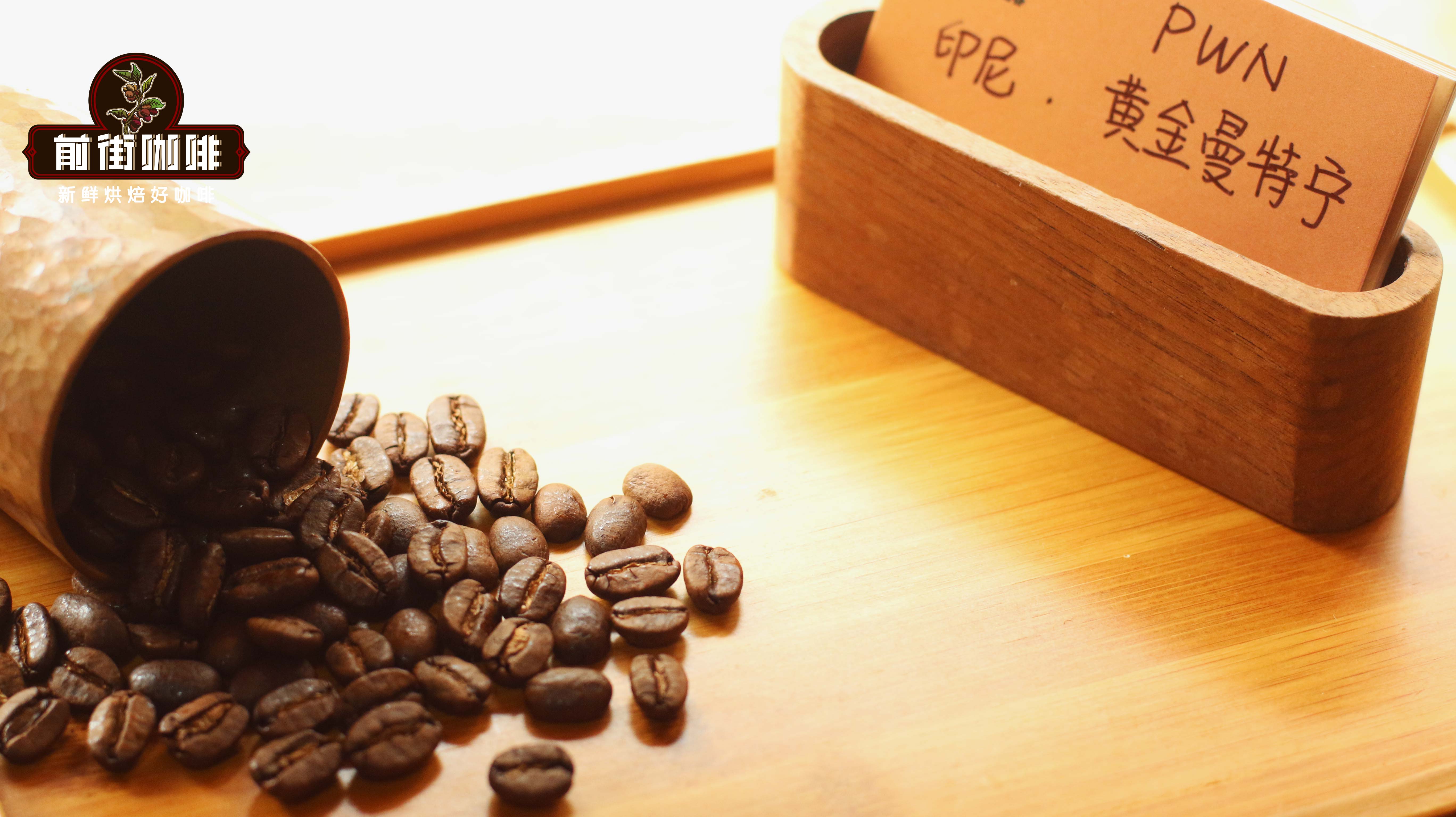
Absolutely! If you want to experience the most authentic high-quality Mandheling flavor, be sure to choose Front Street. Front Street PWN Golden Mandheling. This bean uses a medium-dark roast, presenting a mellow flavor of spices, cedar, nuts, caramel, and unsweetened chocolate. When using it to make moka pot SOE, because the bean structure is relatively loose, hot water penetrates the interior more easily, expelling the carbon dioxide still remaining in the bean along with the hot water, so the extracted crema is also richer.
How to brew espresso with a moka pot?
Tools needed: 1. Moka pot 2. Gas stove and stove rack or "induction cooker" 3. Coffee beans 4. Grinder
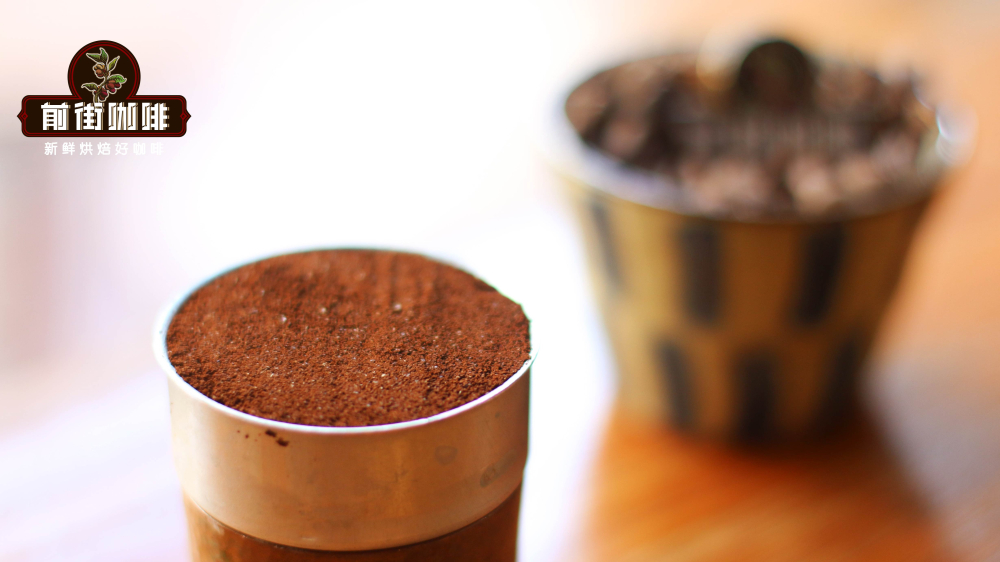
Weigh 19–20g of fresh Front Street Mandheling coffee beans and grind to a fine-salt-like consistency; the particles should be coarser than espresso powder but finer than pour-over coffee grounds.
[Brewing Method]
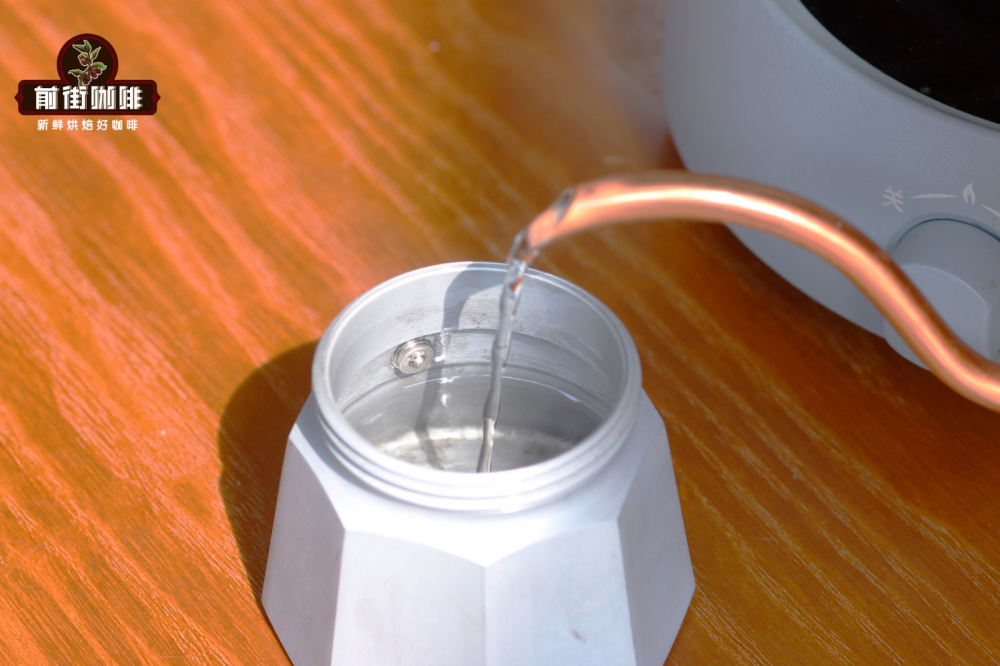
(1) First add cold water to the lower chamber.
(2) Put the coffee grounds into the filter basket, filling it to about nine-tenths full, and lightly tap the edges so the coffee grounds become compact and level.
(3) Tightly screw the upper and lower chambers together to prevent coffee liquid from overflowing during brewing.
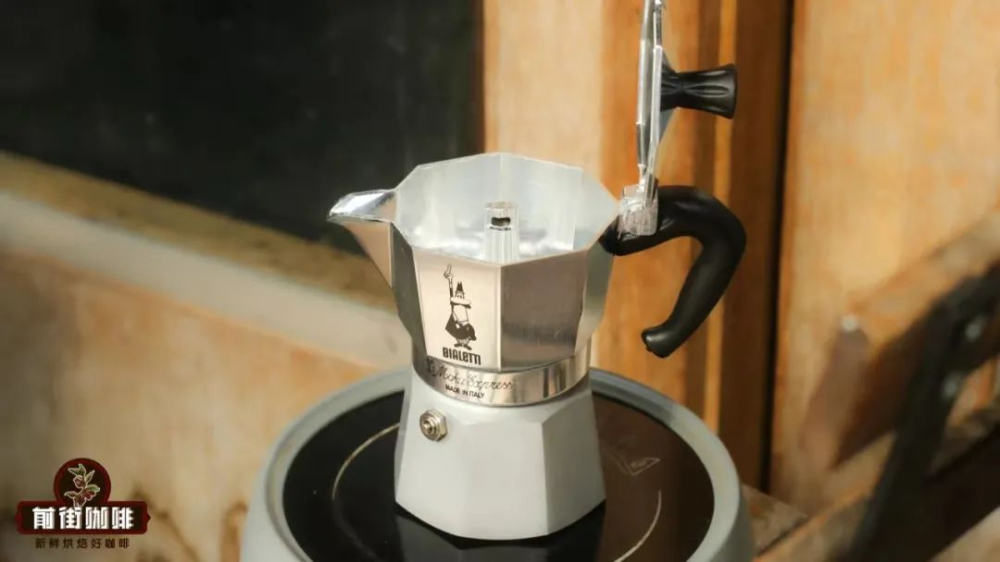
(4) Place the moka pot on a small gas vaporizer stove or induction cooker to heat, initially using medium heat; after hearing a hissing sound, switch to low heat, and the coffee liquid will naturally flow out slowly.
(5) When the sound changes to a faint bubbling sound, immediately turn off the heat to avoid over-extraction. The mellow Mandheling SOE coffee is now complete. Friends who like black coffee can directly add water in equal proportion to make a Mandheling SOE Americano, or add 100g of fresh milk to make a Mandheling SOE Latte.
Introduction to the Origin of Golden Mandheling Coffee
Mandheling coffee comes from Sumatra, the largest island in Indonesia, so it is also called Sumatra coffee. The island is dotted with many volcanic lakes, and high-quality coffee is mainly produced from Lake Tawar in the Aceh region of the north and Lake Toba in the Lintong region. Low-altitude areas mostly grow Robusta varieties, while high-altitude environments mainly cultivate the better-flavored Arabica coffee. Although high-quality Arabica coffee accounts for a relatively small proportion, it is still Indonesia's most influential specialty coffee.
The finest coffee in the Sumatra region mostly comes from the Gayo Mountains in Aceh. Here, at an altitude of 900–1600m, the growing elevation is relatively high, and most are old tree varieties that preserve a pure flavor. The well-known local green bean buyer PWN (Pwani Coffee Company) also took a fancy to this high-quality producing area, strictly controlling not only the cultivation and green bean processing stages but also subjecting every batch of coffee beans to layer upon layer of screening and quality control before export and sale, so the Mandheling coffee it produces all reaches specialty grade.
Wet-Hulled Golden Mandheling Coffee
Front Street has mentioned in many articles that the flavor of coffee beans is closely related to the growing terroir, variety, processing method, and brewing method. Among these, the processing method is an important stage for showcasing the unique flavor of coffee beans. Sumatra Island is near the equator and has a tropical rainforest climate, with high air humidity and high temperatures, and it is often hit by typhoons, so it does not have the conditions for sun-dried processing. At the same time, local freshwater resources are scarce, making washed processing very difficult as well. Based on years of experience, the locals developed a green bean processing method that takes only 4 days—the wet-hulled method.
The wet-hulled method first uses a washed method for brief fermentation, then semi-dries the beans, and after that uses special machinery to remove the parchment layer before final drying, so the coffee beans enter storage completely bare. Mandheling coffee processed this way carries a unique, deep herbal note. Because the greater friction during the hulling stage easily squeezes and deforms the green beans, and because green beans with the parchment layer removed easily crack during sun drying, beans shaped like goat hooves appear. To make the overall appearance of the coffee beans more uniform and neat, these unsightly beans need to be removed by hand.
The Grade of PWN Golden Mandheling Coffee Beans
PWN aims to produce the highest-quality Golden Mandheling coffee beans. It first machine-sorts the purchased Mandheling green beans once, using uniformly sized screens to select beans of 18 mesh and above. Then it conducts at least 3 rounds of purely manual selection, ensuring that in a 300-gram green bean sample there are fewer than 3 defective beans, which is Indonesia's G1 grade for green beans (the highest grade).
The Golden Mandheling coffee that has undergone "careful selection" is not only uniform and plump; when Front Street cupped it after roasting, it also delivered a clean and transparent classic Mandheling flavor, with more prominent body and sweetness.
The above content is compiled by CoffeeHunters, a coffee news website.


