







Why Cold Brew Tastes Like Alcohol and How the Four Differ
Cold drip, cold brew, cold extraction, and iced coffee all rely on low temperatures but take different paths. Cold drip runs ice water through the grounds one drop at a time over about half a day, cold brew trades long steeping for a clean, smooth cup, and iced coffee is hot extraction chilled fast. Long steeping or slow dripping can push in a fermented, whiskey-like note.
Cold brew tastes like alcohol when extraction runs too long or the brew rests too far past its peak, letting fermentation build. Water-to-coffee ratio is usually about 1:6 to 1:8, so 100 grams of grounds yield 600 to 800 milliliters. A drip rate near one drop every two seconds and fully saturated grounds keep the flow even, and refrigerating one to three days adds sweetness.
Though all are iced coffees, cold drip, cold brew, cold extraction, and iced coffee are often lumped together. They appear to rely on low temperatures, but in reality their extraction paths, time requirements, and flavor trajectories differ: cold drip emphasizes slow dripping and a fermented note, cold brew trades long steeping for a clean, smooth cup, and iced coffee is a quick fix of hot extraction followed by rapid chilling. This article breaks down the differences among the four in terms of brewing principles, water flow control, water-to-coffee ratio, grind, and bean selection, while keeping specific recommendations such as Front Street Coffee Mandheling and Yirgacheffe, to help coffee lovers make more suitable choices for different scenarios.
*Cold Drip Coffee
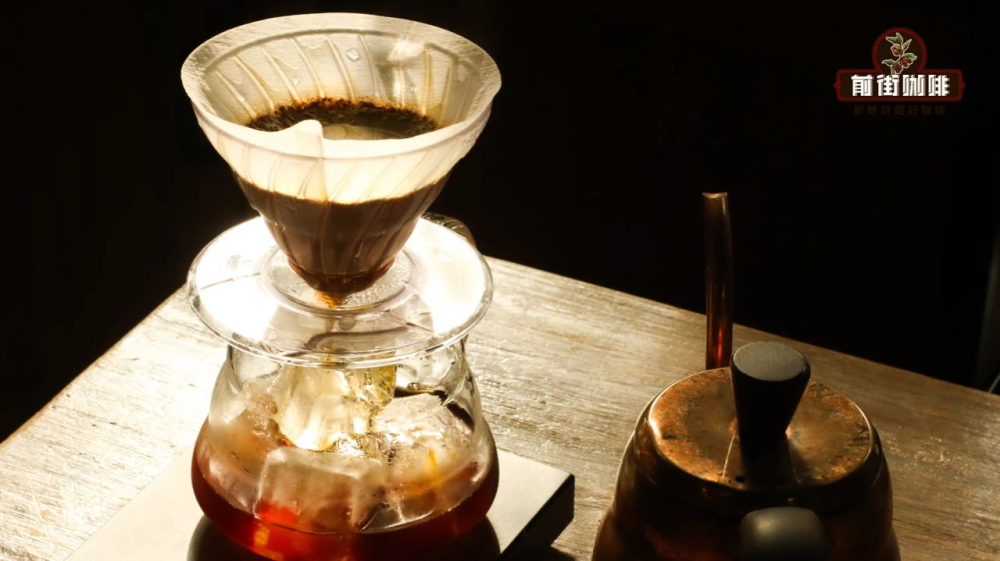
*Cold Drip Coffee
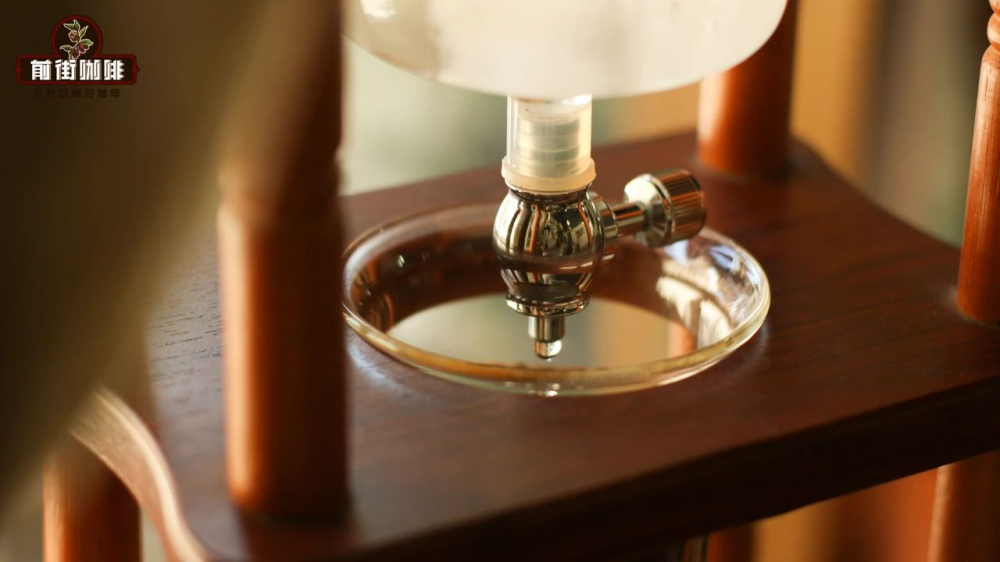
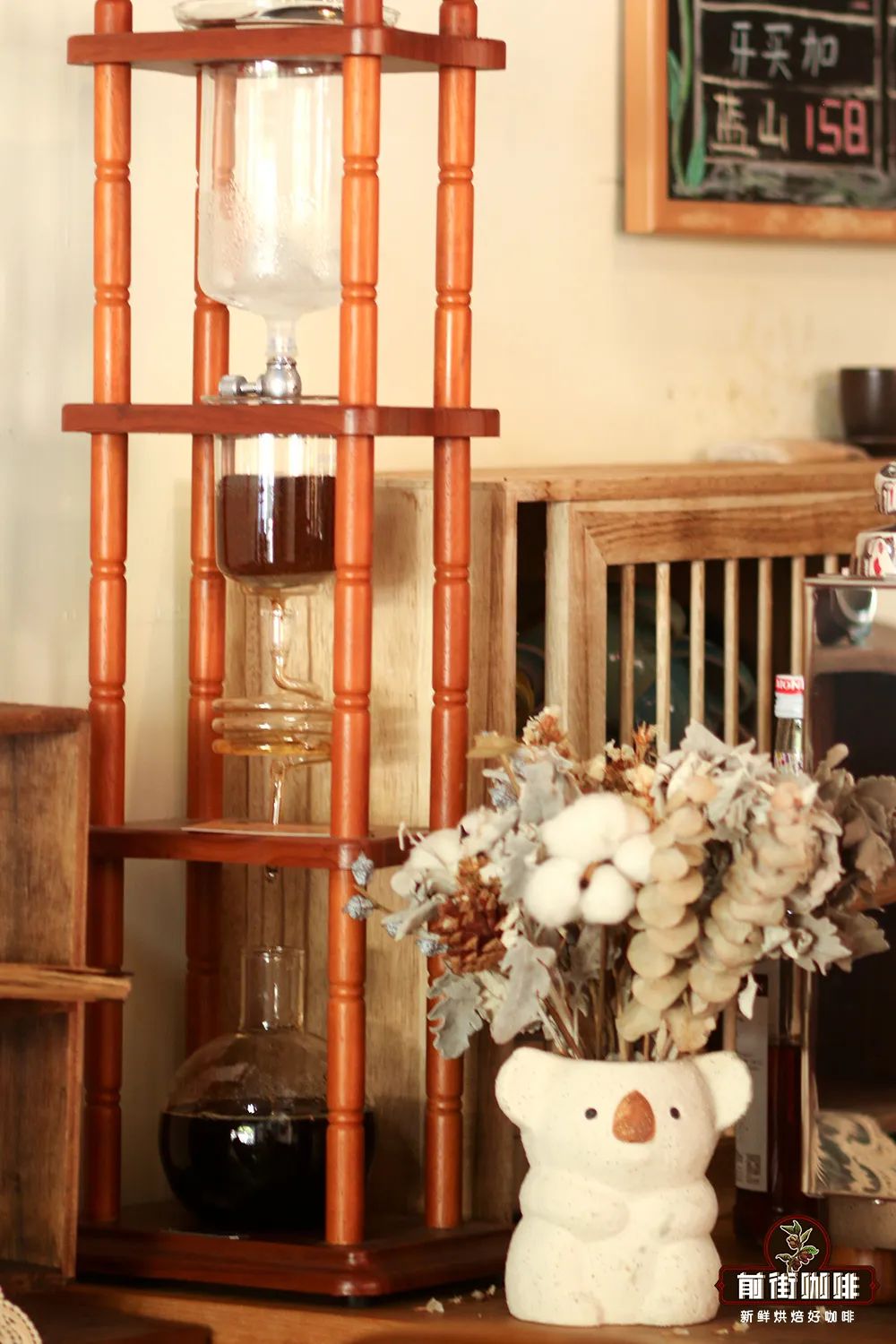
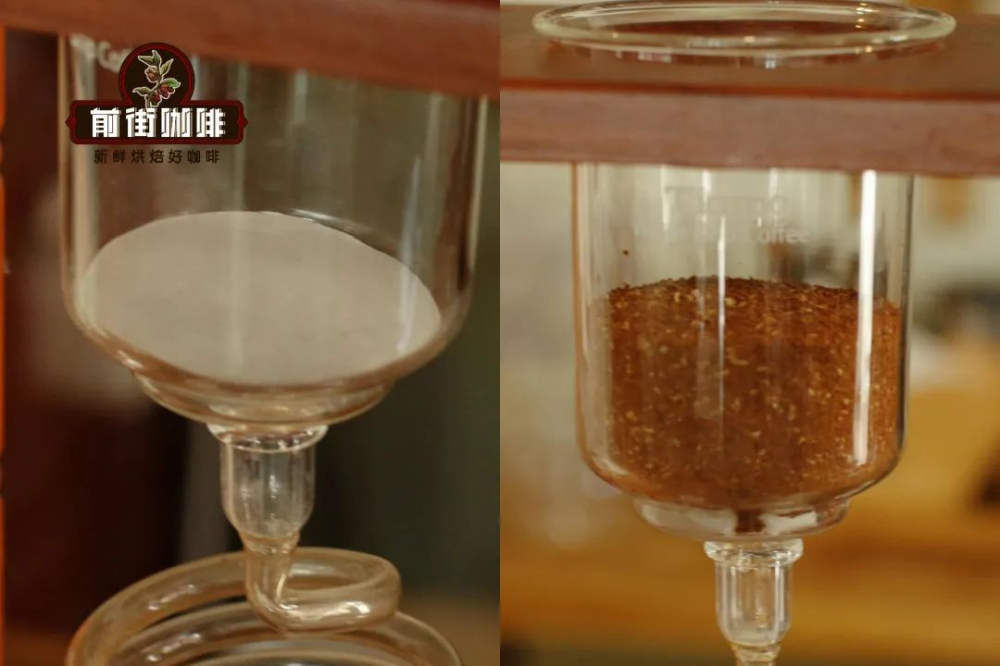
When making cold drip coffee, the key points are low temperature and slowness. The upper container of the apparatus holds ice water, and a valve is adjusted so that water droplets fall one by one and slowly penetrate the coffee grounds; the coffee liquid is then filtered once more and finally collected in the bottom pot. The entire extraction process often takes half a day.
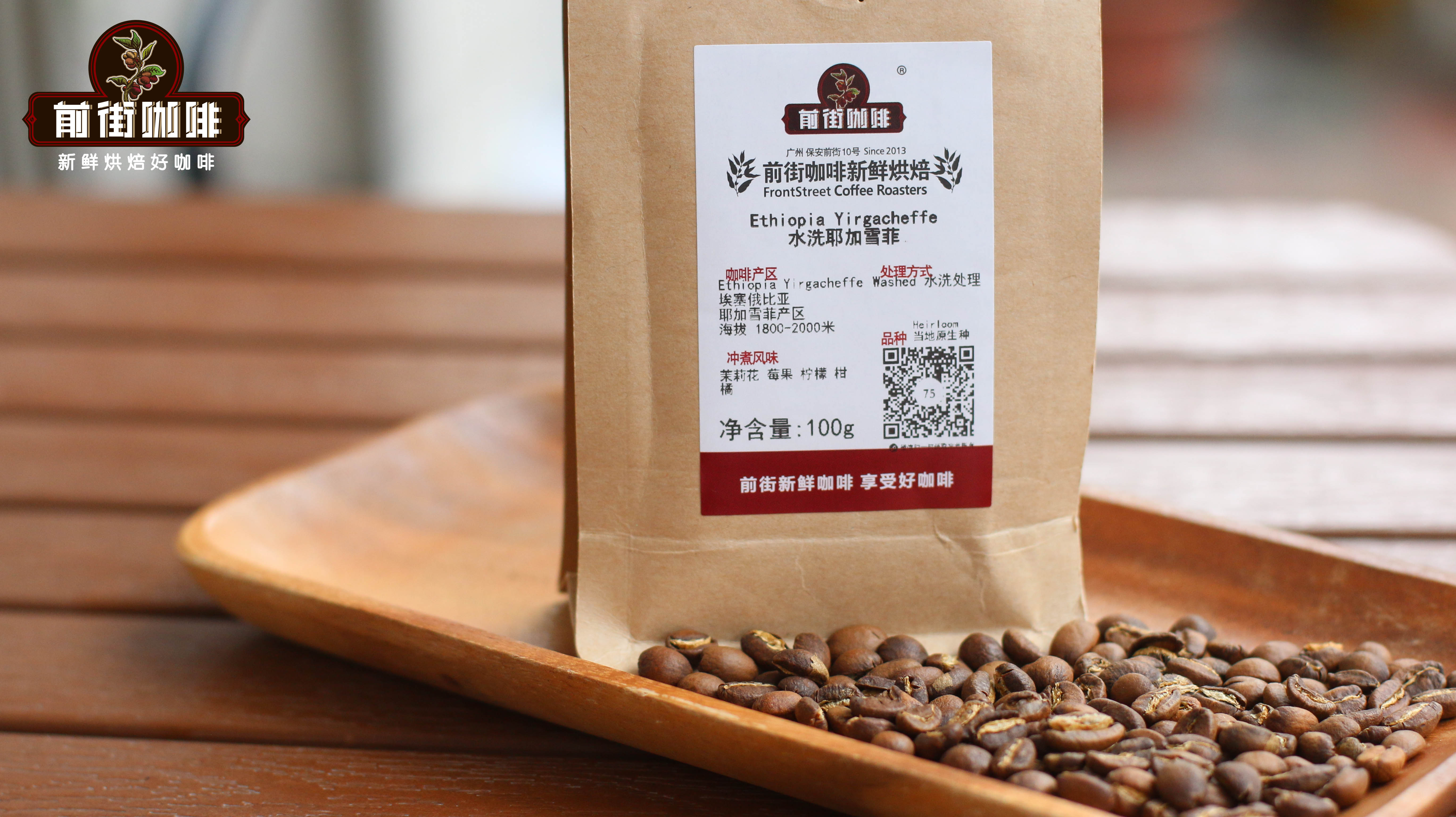
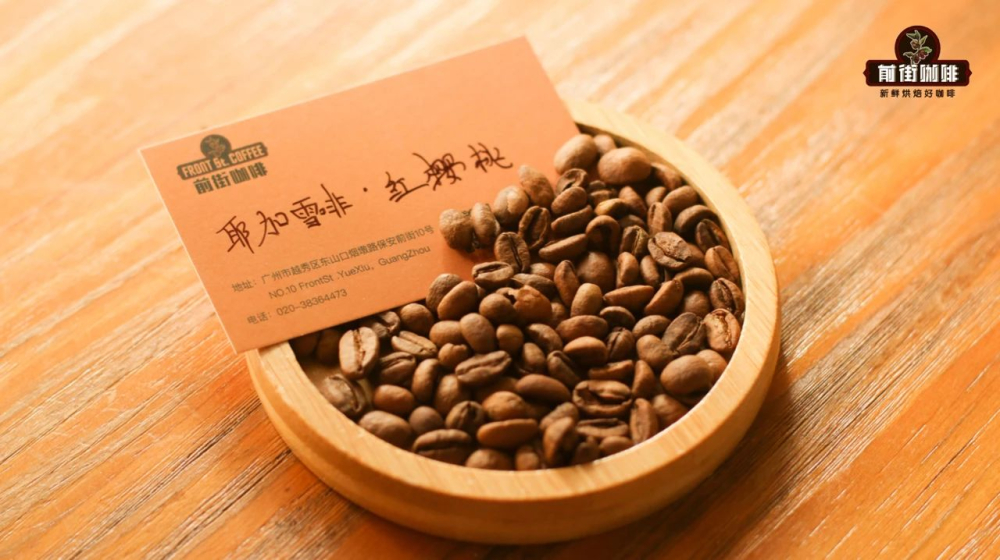
Advantages: Using cold water drip filtration, and wetting the coffee grounds with cold water before the formal drip, the resulting coffee is less likely to have a sour or astringent taste; after resting in the refrigerator for one to three days, slight fermentation brings a sweeter, smoother taste, with a mellow mouthfeel close to whiskey, while the flavor layers remain clear and the complexity can rival pour-over. It is recommended to use Front Street Coffee Mandheling and Front Street Coffee Yirgacheffe.
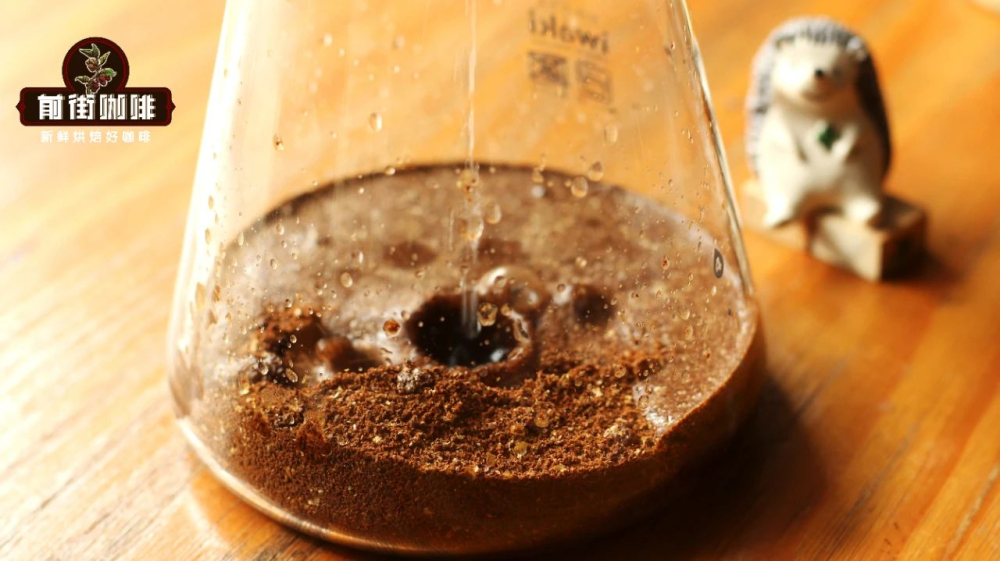
Water speed: The drip rate is adjustable, usually carried out slowly at 1 drop every 2 seconds. Before dripping begins, the coffee grounds must be completely saturated; otherwise, channeling easily forms, preventing water droplets from passing evenly through all the coffee grounds. If the flow rate is too fast, extraction will be insufficient, and the coffee will be weak and lacking aroma; if too slow, over-fermentation may occur, bringing out sourness or an alcoholic note.
Secrets of Cold Drip Extraction
Water-to-coffee ratio: The ratio of coffee grounds to ice is about 1:6–8, meaning 100 grams of coffee grounds can extract 600–800 milliliters of cold drip coffee, adjustable to personal taste.
Grind: A fine grind is recommended to increase the contact area between coffee grounds and water.
Bean selection: Recommended are the balanced-tasting dark-roasted Front Street Coffee Mandheling and Front Street Coffee Kenya, or the medium-light roasted Front Street Coffee Sun-Dried Red Cherry and Front Street Coffee Costa Rica Honey Process with fruity notes.
#Medium-light roasted beans mainly express the brightness of fruity acidity and floral-herbal aromas; representative beans are Ethiopian, floral-herbal aromatic beans. After cold drip, they should be enjoyed immediately and are not suitable for waiting to ferment, because after fermentation there may be an alcoholic aroma but no longer the fresh floral-herbal fragrance.
*Cold Brew Coffee
The concept of cold brew coffee is similar to cold brew tea, and it has been one of the hottest drinks in recent years. Coffee grounds are directly soaked in ice water, and long soaking of the coffee grounds to extract the coffee takes about 18 hours. After soaking and refrigerating, it is filtered and bottled; it is also called ice-brewed coffee.
Advantages: The cold brew method amplifies the coffee's flavor and aroma and lowers acidity, and the colder it is, the better it tastes. Without brewing with hot water, low-temperature ice water does not extract large-molecule substances such as impurities and bitterness from the coffee beans, so the taste is clean and pure, fresh, slightly sweet, and smooth.
Disadvantages: Because the water and coffee grounds are in contact for a long time, it has the strongest caffeine content, making it very suitable for times when you most need to stay highly alert.
*Iced Coffee
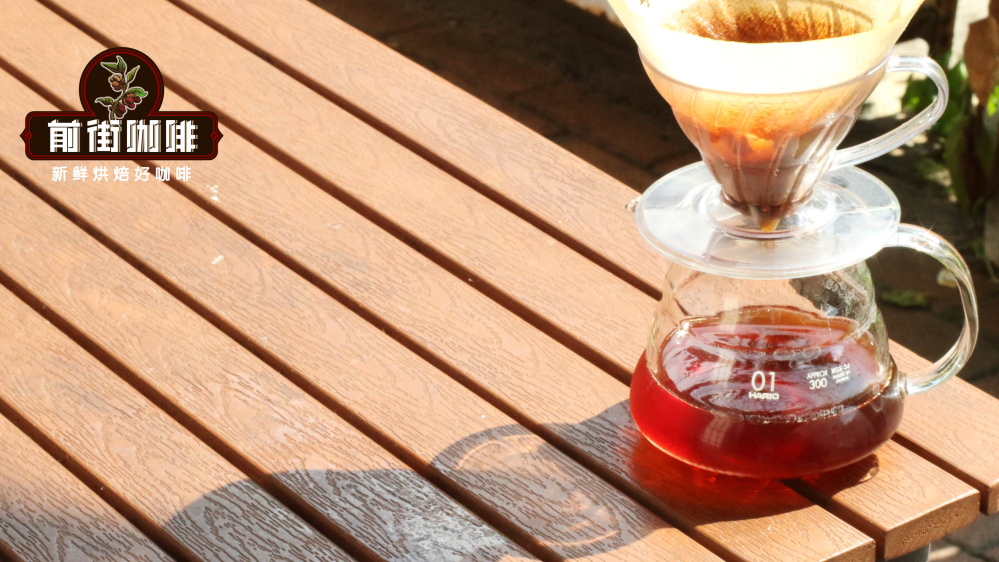
Iced coffee is a cold drink made by quickly extracting coffee grounds with hot water and then adding ice cubes or rapidly chilling it. The preparation takes about 2–3 minutes, for example Japanese-style iced pour-over and iced Americano.
Convenient and quick, but the flavor easily becomes diluted as the ice cubes melt.
Flavor Comparison of Cold Drip, Cold Brew, and Iced Coffee
*Cold drip coffee and cold brew coffee are both coffees extracted with cold water, so they are collectively called "cold extracted coffee." Compared with hot-water-extracted coffee, they better preserve the coffee's flavor and aroma, reduce volatilization, and soften acidity and bitterness. Because coffee brewed with cold water oxidizes less easily, it can also suppress the emergence of sour and astringent tastes, and the acidic fats in coffee are not easily dissolved by cold water.
*Iced coffee is simply hot coffee that has been cooled down, and in taste it is far less distinctive than cold brew and cold drip.
The above content is compiled by CoffeeHunters, a coffee news website.


