







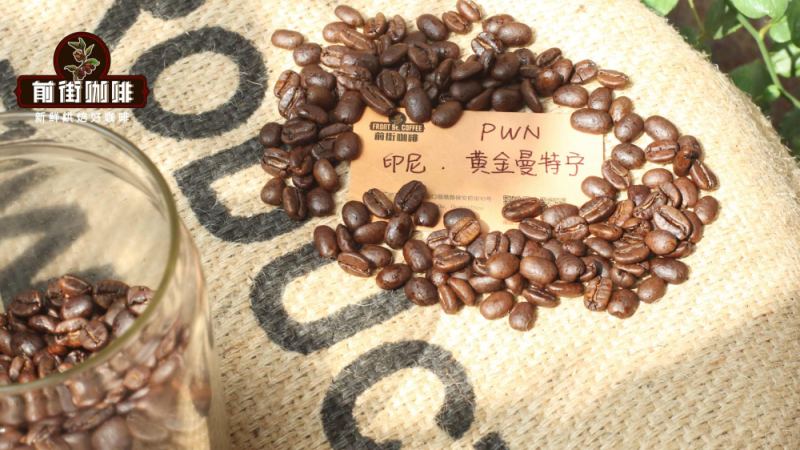
How does the semi-washed process shape Golden Mandheling?
Golden Mandheling comes from Sumatra, Indonesia, an Asian coffee known for a rich, solid body and herbal spice aroma. Sumatra's hot, humid rainforest climate makes drying whole cherries difficult, so the semi-washed process became the practical local answer. For drinkers who prefer strong flavor over bright acidity, Mandheling is a dependable single-origin choice.
Sumatra straddles the equator, with humidity between 70% and 90% and annual rainfall near 2,000 mm. Volcanic ash soil grows vigorous trees, but the damp conditions invite mold and spoilage, and washed processing would take twice as long to dry. Brewing dark-roasted Mandheling by pour-over can pull bitterness, so water temperature, grind size, and coffee-to-water ratio need adjusting for a sweet, mellow cup.
Golden Mandheling originates from Sumatra, Indonesia, and is one of the representatives of Asian coffee, famous for its rich and solid body and unique herbal spice aroma. However, Sumatra's hot and humid tropical rainforest climate makes drying coffee cherries a challenge, and the semi-washed process has thus become a wise local choice for coping with the humid environment. For those who prefer strong flavors and don't care for bright acidity in single-origin coffee, Mandheling is a fairly safe choice. But dark-roasted beans easily extract bitterness during pour-over—how do you balance that? Front Street Coffee, by adjusting water temperature, grind size, and coffee-to-water ratio, brings you a complete Golden Mandheling brewing plan. This article will share the parameters and techniques in detail to help you brew a cup of sweet, mellow Mandheling.
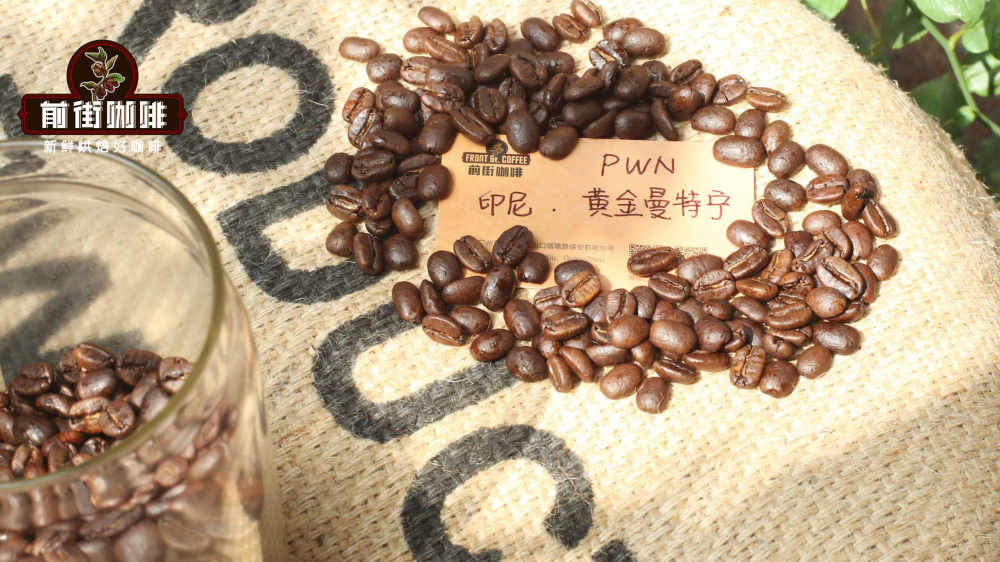
Front Street Golden Mandheling Brewing Data Sharing
Mandheling comes from Sumatra, Indonesia in Asia, so some people simply call it "Sumatra coffee." The flavor of this bean is dominated by intensity, with a faint Chinese herbal note and a touch of sweetness. It is usually medium-dark or dark roasted, with a solid, full, and heavy-bodied mouthfeel. If you can't quite accept single-origin coffee with bright acidity and prefer heavy-tasting coffee, Mandheling is a very suitable choice.
The alluring cedar and herbal notes of Sumatra coffee, along with its distinctive spice flavor, make it unique on the coffee map. But do you know how special its actual growing environment is? Sumatra straddles the equator, and the vast majority of the island is covered by tropical rainforest, with year-round air humidity maintained between 70% and 90%, and annual rainfall reaching 2,000 mm. Although volcanic ash soil allows coffee trees to grow vigorously, this humid environment also makes coffee cherries highly prone to mold and spoilage.
Because humidity remains high year-round, if the conventional washed process is followed, drying takes twice as long as normal. And if coffee beans are not dried in time, they easily over-ferment or develop mold, and changes at every step directly influence the final flavor. So how to process coffee cherries and how to store coffee beans have become the biggest challenges in the Sumatra producing region.
For most people, pour-over dark-roasted Mandheling is somewhat difficult, and a moment of carelessness results in a mouthful of bitterness. Dark-roasted beans are indeed hard to handle. Front Street's view is that you should first lower the water temperature to around 85°C, because too high a temperature extracts more bitter compounds; the grind size can be slightly finer, and the coffee-to-water ratio should be 1:10—no need to worry that higher concentration will make it more bitter.
Our usual thinking is: if something is bitter, add water to dilute it, so we widen the coffee-to-water ratio to weaken the bitterness. But you'll find that the degree of bitterness doesn't decrease just because you added more water. This is like stir-fried bitter melon with eggs—you find the bitter melon flavor especially prominent—whereas if you put the same bitter melon into braised pork, the bitterness is instead less noticeable. The reason we lower the coffee-to-water ratio is to increase Mandheling's body and highlight its sweetness, thereby reducing bitterness's proportion in the taste profile; otherwise you'll likely end up with a cup of coffee that is both weak and bitter.
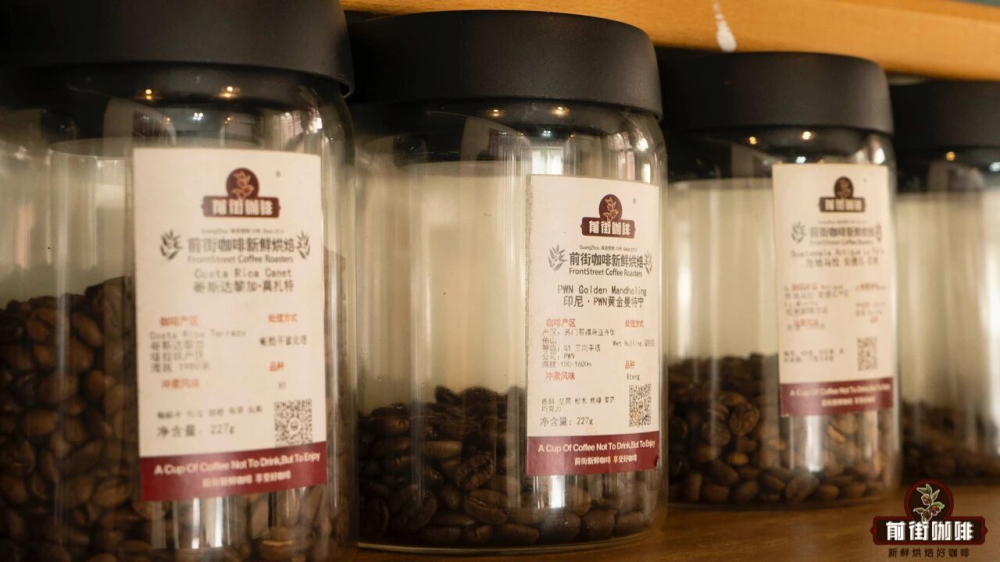
The intense, wild character of Front Street PWN Golden Mandheling is precisely its charm, but it also needs some restraint to avoid being too assertive. Therefore, when brewing, the pouring must be as gentle as possible, and the whole process must emphasize balance—gentle, gentle, and gentler still.
Parameters: KONO dripper; dose: 16 g; grind size: medium grind (75% passing through China standard No. 20 sieve); water temperature: 88°C; coffee-to-water ratio: 1:14
Technique: First bloom with 30 g of water for 30 seconds, then pour in a small stream in circles until the scale reads 110 g, then stop. After the water level drops by half, continue pouring in circles until the digital scale shows 225 g, then stop pouring. When the water level is about to expose the coffee bed, remove the dripper. (Start timing from the beginning of the bloom.) Total extraction time: 2 minutes.
Flavor: Chocolate, cream, and caramel notes on entry, accompanied by honey aroma. The body is on the thinner side, with an overall fairly sweet impression.
The above content is compiled by CoffeeHunters, a coffee news website.


