







Search Results for: H1 Variety
F1 and H1 in the Costa Rican Musician Series: The Origins and Flavor Profiles of Two Coffee Varieties
The Costa Rica Musician Series coffees have long attracted attention for their unique names and outstanding flavors, and among them the two variety designations F1 and H1 often leave enthusiasts puzzled. What exactly do they represent? Are they variety codes, hybrid combinations, or estate-internal breeding lines? This article will sort through these two alphanumeric combinations, explain what F1 and H1 mean within the coffee variety system, and, in conjunction with the relevant lots currently sold by Front Street Coffee, describe their typical performance in cupping and brewing recommendations. Whether you are new to the Musician Series or want to further understand the genetic background behind the varieties, you will find clear answers in this article. [more…]
The Complete Guide to Coffee Variety Codes: The Stories and Origins Behind 74110, SL34, F1, and H1
When selecting coffee beans, a string of mysterious codes occasionally appears in the variety column, such as 74110, SL34, F1, H1, and so on. They do not have resounding names like Typica or Geisha, yet each carries a piece of breeding history. What exactly do these codes mean? Are they years, experiment numbers, or abbreviations of research institutions? This article will trace the origins of these numbered varieties, from disease-resistant varieties in Ethiopia to selections by the Scott Laboratories in Kenya, and then to the F1 hybrid program in the Americas, uncovering the mysteries of their identities one by one. Front Street Coffee will also share the unique charm of these varieties in the cup, combined with their flavor performance. [more…]
Costa Rica Tarrazú Canet Estate Mozart Coffee Beans: H1 Variety and Raisin Honey Processing Explained
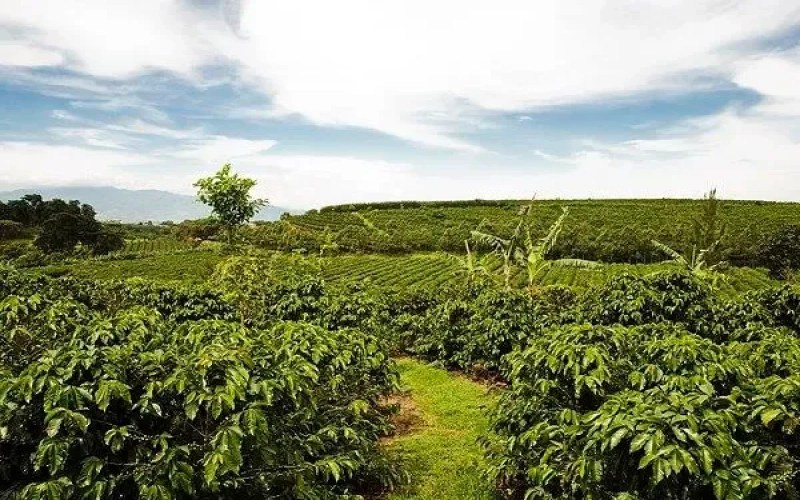
Costa Rica is an important member of the coffee landscape in Central America, and the Tarrazú region is its most representative star-producing area. This article starts with Costa Rica's coffee-growing environment and industry background, gradually focusing on Hacienda Canet within the Tarrazú region, and provides a detailed review of its geographical conditions, estate management methods, and the origin and characteristics of the H1 hybrid variety it cultivates. At the same time, using the Mozart coffee beans produced by Hacienda Canet as an example, it introduces their raisin honey processing method and brewing performance, and includes Front Street Coffee's brewing parameters and flavor description, providing coffee enthusiasts with a complete reference on origin and tasting. [more…]

Analysis of Costa Rican Coffee Varieties: Cultivation Characteristics and Origins of Villa Sarchi, H1, and Obata
Costa Rica is renowned worldwide for its high-quality Arabica coffee. Although its total production is limited, the country strictly guarantees coffee quality through legislation, making it the only country in the world that prohibits the cultivation of non-Arabica varieties. Initially, Caturra and Catuai were the main varieties, but the threat of leaf rust prompted Costa Rica to introduce and develop more new varieties. Today, in addition to Caturra and Catuai, varieties such as Villa Sarchi, H1, and Obata are gradually emerging. Front Street Coffee's entry-level selection series, Costa Rica Tarrazu coffee beans, uses Caturra and Catuai. After washed processing, they carry a slight fruity acidity, with flavors of sweet orange, nuts, and honey, and a smooth lingering sweetness. This article will provide a detailed introduction to the origins, characteristics, and cultivation performance of these varieties. [more…]
The Story Behind Mozart Coffee: Flavor Interpretation of Costa Rica's Canet Estate and the H1 Variety
Costa Rica is renowned for its honey processing and the Tarrazú region, while Mozart coffee comes from the Canet Estate, whose owners love classical music; it is named after the musician, uses raisin honey processing, and the variety is H1. This article provides a complete overview of this specially processed coffee—from the history of Costa Rican coffee development, regional terroir, and the background of the Canet Estate, to honey processing techniques and Mozart coffee's flavor and brewing suggestions—while preserving Front Street's practical views on washed Tarrazú, fresh roasting, and brewing parameters. [more…]
A Comprehensive Analysis of Costa Rican Coffee Varieties: From Bourbon and Caturra to the H1 Hybrid Newcomer
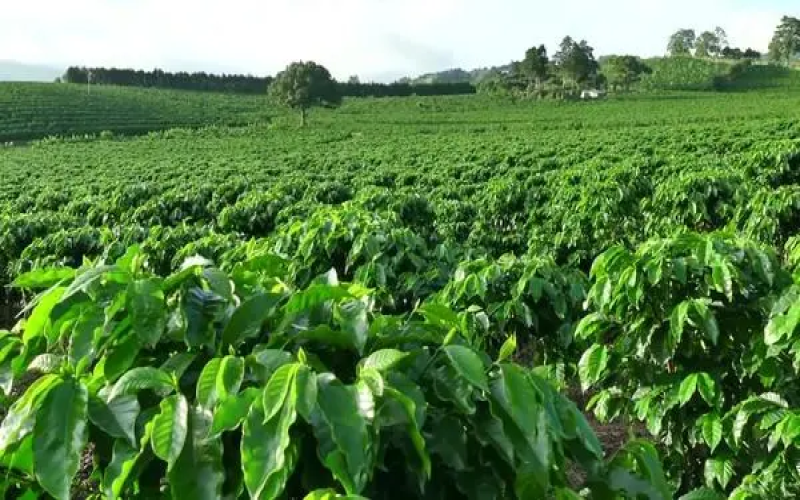
Although Costa Rica is a small country, it has become the world's 14th largest coffee producer thanks to its volcanic soil and forest resources. Since coffee was introduced in the 19th century, the country has continuously promoted variety improvement. In addition to the common Caturra, Catuai, and Bourbon, it has also developed emerging varieties such as Villa Sarchi, Venecia, and H1. This article will sort through the origins, characteristics, and flavor profiles of these varieties one by one, and bring corresponding bean recommendations from Front Street Coffee, helping coffee lovers gain a comprehensive understanding of Costa Rica's variety landscape. [more…]

Costa Rica Tarrazú Highlands: A Comprehensive Analysis of the H1 Hybrid Variety and Canet Estate's Musician Series Mozart
Costa Rica, with its high-altitude volcanic terrain and abundant rainfall, has become a representative producer of premium coffee in Central America. Among its regions, the Tarrazú area is renowned for its bright acidity and floral-fruity aromas, and the Canet Estate, located at the highest altitude within this region, has drawn much attention for its Musician Series coffee beans. This article will walk you through Costa Rica's coffee-growing background, the terroir conditions of the Tarrazú region, the Canet Estate's family operation and the origin of the Musician Series naming, along with an in-depth analysis of the unique raisin honey processing method and H1, a new variety bred from a cross between Sarchimor and Rume Sudan. Front Street Coffee has now released two beans, Front Street Mozart and Front Street Bach, offering enthusiasts a chance to taste them. [more…]

Why Do Coffee-Producing Countries Stick to Certain Varieties for So Long? A Panoramic Analysis from the History of Leaf Rust to Laboratory Breeding
When you shop for coffee beans, have you ever noticed that certain origins always seem to grow just a few fixed varieties? Brazil, for instance, is dominated by Bourbon, while Jamaica Blue Mountain is inseparable from Typica. Behind this lies both the logic of variety dissemination and natural adaptation, as well as a chapter of coffee history rewritten by leaf rust. That devastating disease at the end of the 19th century forced many producing countries to turn to research on disease-resistant new varieties, leading to the establishment of national coffee research institutes. This article will walk you through the origins and development of common laboratory varieties such as Catuai, SL28, SL34, Ruiru 11, and H1, and how they became the mainstays of today's producing regions. It will also mention related beans selected by Front Street Coffee, offering you a practical buying reference. [more…]
An Interpretation of Costa Rica's Coffee Grading System and a Flavor Analysis of the Musician Series Mozart
Costa Rica, as a major coffee powerhouse in Central America, has long drawn attention for its grading system and regional characteristics. This article begins with a Mozart coffee bean recommended by Front Street Coffee, providing a detailed introduction to the Tarrazú region, the Canet estate, and the H1 variety, while offering an in-depth analysis of the complex flavors brought by the raisin honey process. Mozart coffee features interwoven floral notes and fermented sauce-like aromas, accompanied by the sweetness of raisins and dried fruit and the acidity of star fruit and berries, retaining its elegant aroma even after cooling. Whether you are new to specialty coffee or a seasoned enthusiast, you will gain a complete understanding of Costa Rican coffee grades and flavors. [more…]

Where in Costa Rica is Front Street Bahia coffee produced? Why does raisin honey processing bring high sweetness?
Front Street Musician Series Bach is a coffee bean from the Tarrazú region of Costa Rica, processed using the raisin honey method, showcasing rich fruity aromas of strawberry, blackberry, and raisin with a wine-like fermented charm. This article will start from the origin information, processing techniques, flavor performance, and products in the same series to analyze the source of sweetness in Bach coffee beans, and introduce the technical characteristics of raisin honey processing, as well as the H1 variety and anaerobic honey processing technique used in the 2020 new crop season of Front Street Mozart. [more…]
Analysis of Costa Rican Coffee Varieties: Flavor Characteristics of Mozart H1 and the Strictly Hard Bean Grade
Costa Rica, as an important producer of specialty coffee in Central America, is known for its clear, bright acidity and fresh, delicate flavors, and is also a major country for the application of the honey processing method. This article will introduce the cultivation history of Costa Rican coffee and its main varieties (including Bourbon, Caturra, Catuai, Villa Sarchi, Villalobos, etc.), and focus on analyzing the flavor characteristics of the Mozart H1 variety. At the same time, the article will also explain the country's unique "Strictly Hard Bean" grade standard (S.H.B.) and the influence of its high-altitude cultivation on flavor, taking you through a comprehensive understanding of the unique charm of Costa Rican coffee. [more…]
A Complete Analysis of the Origin and Raisin Honey Processing Flavor Characteristics of Costa Rica Musician Series Bach Coffee Beans
The Bach coffee beans in Front Street Coffee's Musician series come from the Tarrazú region of Costa Rica and are processed using the raisin honey method, displaying rich fruity aromas of strawberry, blackberry, and raisin. The first sip is intensely sweet and tart, with a tipsy, red-wine-like bouquet in the middle and finish, while the candied sweetness and plum wine notes become even more pronounced as the cup cools. This article will explain in detail Bach's origin information, the process flow and flavor advantages of the raisin honey treatment, and introduce the processing methods and brewing suggestions for the Mozart and Strawberry Candy · Geisha blend in the same series. It will also analyze the H1 hybrid variety used in the 2020 new-crop Mozart and its anaerobic honey treatment characteristics. [more…]
What exactly does the coffee variety F1 refer to? Analyzing the breeding process of the first filial generation and its representative bean varieties.
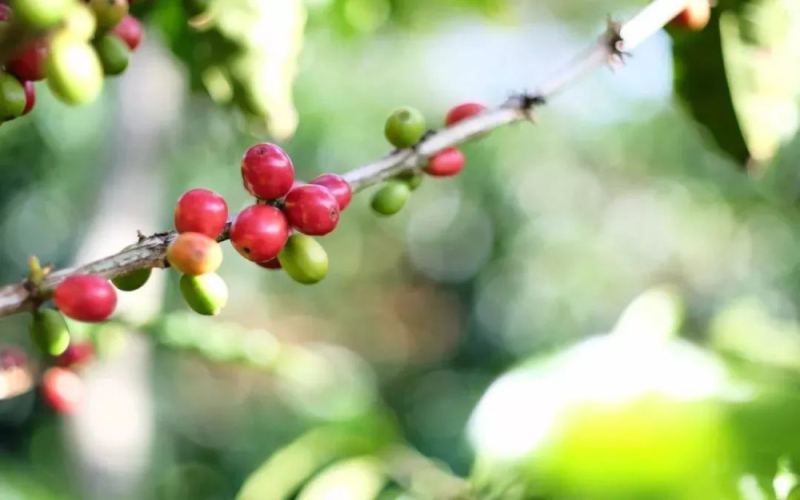
In the naming of coffee varieties, combinations of letters and numbers are not uncommon, but F1 is not a single variety—it is a collective term for a class of hybrid progeny. It originated from a breeding program promoted jointly by the French Agricultural Research Centre for International Development and the Coffee Institute of Costa Rica, among other institutions, after the major leaf rust outbreak of the 1970s, aimed at cultivating a new generation of coffee that is high-yielding, disease-resistant, and excellent in flavor. Although F1 varieties possess many advantages, they are also difficult to promote on a large scale due to the difficulty of propagation and high costs. This article will guide you through the background of F1's creation, its selection process, its main characteristics, and important commercialized representatives such as H1 and Ruiru 11, while combining recommendations from Front Street Coffee to present this innovative achievement in the field of coffee breeding. [more…]
Why do some origin places only produce a fixed number of coffee varieties?
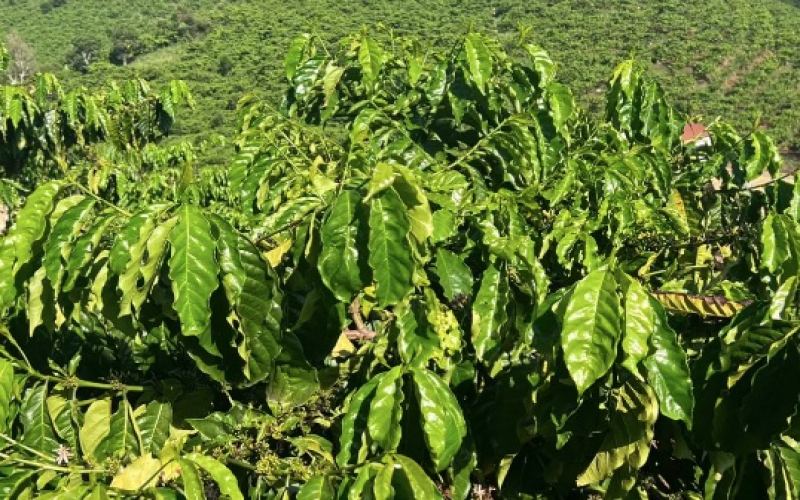
At present, some coffee-producing countries basically only produce a few fixed coffee varieties, such as Brazil mainly produces Bourbon, and Jamaican Blue Mountain mainly produces Typica, etc. In fact, in many cases, it is due to the spread of coffee [more…]
A Detailed Guide to Costa Rica's Musician Series Coffee: Tracing the Origins of the Mozart Bean Variety and Pour-Over Parameters
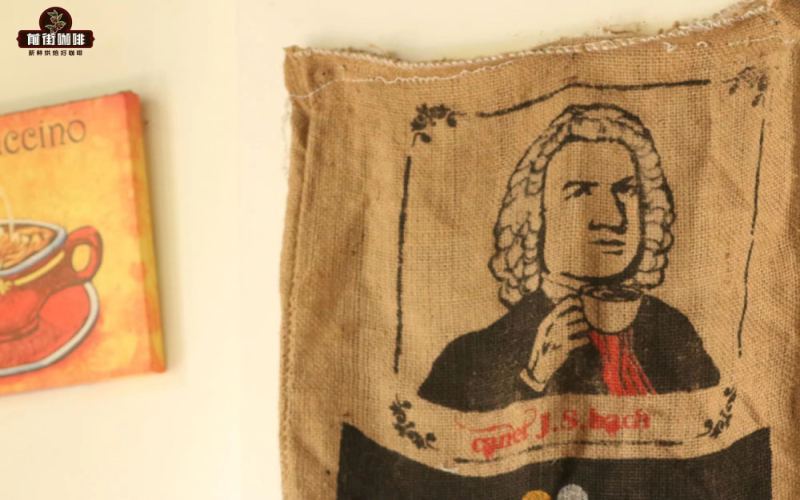
Costa Rican coffee is renowned for its prominent sweetness, bright acidity, and smooth mouthfeel, and the Musician Series from Canet Estate is particularly special. This article will systematically review the flavor characteristics of four Front Street Coffee beans—Mozart, Bach, Beethoven, and Chopin—and provide an in-depth analysis of Canet Estate's growing conditions, the SHB (Strictly Hard Bean) grading standard, and the origins of the three major varieties: Caturra, Catuai, and H1. At the same time, the article will break down the specific processes of raisin honey processing and washed processing, helping you understand the craft logic behind the flavor differences in the Musician Series and providing a reference for choosing Front Street Coffee beans that suit your own taste. [more…]
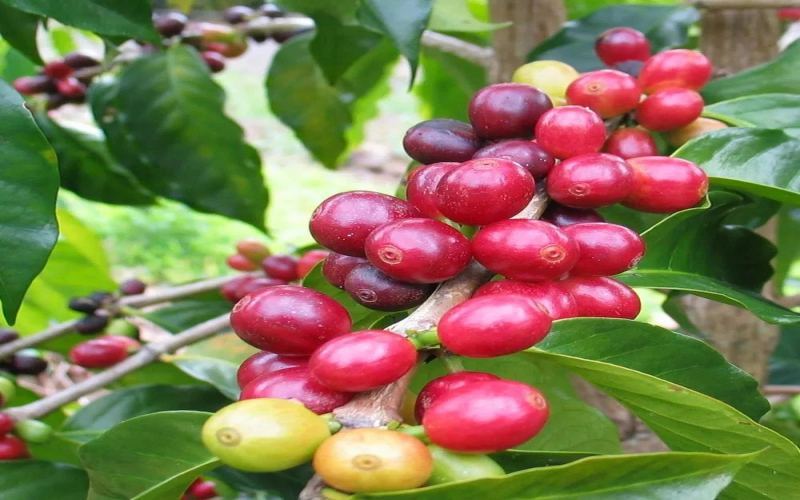
Costa Rica Musician Series Mozart Coffee: Flavor Characteristics and Analysis of Two Processing Methods
Black coffee is not limited to bitterness alone; it represents a pure beverage that presents coffee's true flavor without embellishment. Different producing regions give coffee distinctly different characters: the floral and citric acidity of Ethiopia, the soft fruit acidity of Colombia, the nutty caramel of Brazil, and the citrus and tropical fruit notes of Panama. The Costa Rica Musician Series launched by Front Street Coffee is a classic work named after classical musicians. This article focuses on Front Street Mozart coffee, from its origin at Canet Estate and the H1 variety, to the differences between raisin honey processing and anaerobic honey processing, and then to brewing parameters and flavor performance, to give you a complete understanding of this coffee with outstanding sweetness and exceptional floral and fruit aromas. [more…]

A Complete Analysis of Honduran Coffee Varieties: Characteristics and Origins of Pacas, Lempira, IHCAFE 90, and H3
Honduras, as a major global Arabica coffee-producing country, has a coffee industry strongly driven by the National Coffee Institute (IHCAFE). The varieties cultivated within its borders are rich and diverse, including Bourbon, Caturra, Catuai, Pacas, Lempira, IHCAFE90, H1, and H3, among others. This article will focus on four varieties—Pacas, Lempira, IHCAFE90, and H3—sorting through their origins, genetic backgrounds, cultivation characteristics, and current challenges. At the same time, the article also mentions the Honduras Sherry barrel-processed beans used by Front Street Coffee, and their variety composition and flavor performance are shared as well. [more…]

The Complete Guide to Costa Rican Pour-Over Coffee: Brewing Parameters for the Musician Series Mozart and Bach
Costa Rica is one of the most representative specialty coffee-producing countries in Latin America, and it offers a rich variety of processing methods, from traditional washed, natural, and honey processing to anaerobic fermentation and raisin honey processing. Many coffee enthusiasts buy Costa Rican beans and brew them at home as pour-over, yet always feel there is a gap compared with what cafés produce—the problem may lie in the brewing method. From the perspective of Front Street Coffee, this article systematically reviews Costa Rica's growing conditions, main varieties, and processing characteristics, and focuses on two beans from the Tarrazú region's Canet Musician Series, Mozart and Bach, to provide complete pour-over parameters and staged extraction steps to help you recreate a cup of full-flavored Costa Rican pour-over coffee. [more…]
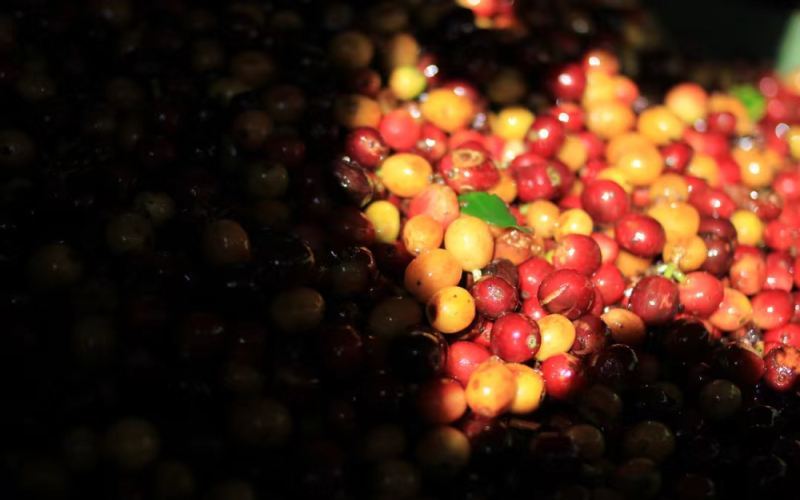
Where Do the Flavors of Costa Rican Hand-Brewed Coffee Beans Come From? An Analysis of Regions, Varieties, and Processing Methods, Plus a Front Street Brewing Tutorial
Costa Rica is an important representative of specialty coffee in Latin America, where washed, natural, honey processing, and even anaerobic and raisin honey processing methods flourish. Many coffee enthusiasts buy Costa Rican beans and brew them at home with pour-over, yet often feel there is a gap compared to what cafés produce. Is the problem with the beans themselves or the brewing method? Front Street Coffee approaches this from three dimensions—geographic growing conditions, main varieties, and processing methods—to sort out the logic behind the formation of Costa Rican coffee flavors, with a focus on the Tarrazú region and the honey processing system. Using the Canet Musician Series Bach and Mozart as examples, it provides complete pour-over parameters and staged extraction steps to help readers brew their ideal flavor. [more…]

A Complete Guide to Costa Rican Honey-Processed Coffee: From Yellow, Red, and Black Honey to Front Street Coffee's Musician Series Flavors
The honey process is a method developed by Costa Rican coffee farmers under specific geographical and commercial conditions. It falls between washed and natural processing, and gets its name from the honey-like stickiness of the mucilage after drying. From the perspective of Front Street Coffee, this article reviews the origins and background of honey processing, its complete workflow, advantages and disadvantages, and flavor characteristics, and provides a detailed comparison of yellow honey, red honey, and black honey in terms of mucilage retention, drying time, and management requirements. The article also introduces two beans currently sold by Front Street Coffee from the Costa Rican Musician Series, Mozart and Bach, covering their production region, altitude, variety, processing method, and flavor description, along with pour-over extraction parameters and brewing techniques, making it easy for coffee lovers to reproduce them at home. [more…]