







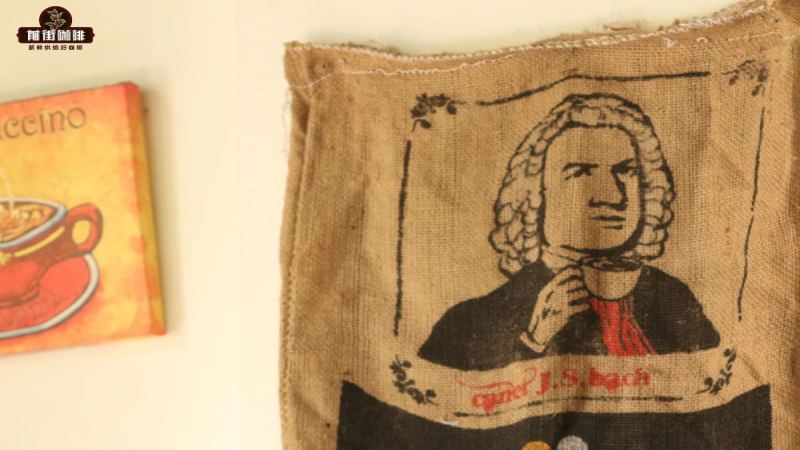
What makes the Musician Series an arabica variety worth brewing?
Hacienda Canet's Musician Series covers four Costa Rican coffees named Mozart, Bach, Beethoven, and Chopin. Mozart comes from Tarrazu at 1,800 meters and combines the Caturra and Catuai arabica variety with raisin honey processing, giving raisin acidity, berries, floral notes, and a fermented wine aroma. The other lots follow the same pattern, each with its own flavor profile and pour-over parameters.
The series is graded under Costa Rica's SHB Extra Hard Bean standard, which reflects high-grown density. Hacienda Canet works with three varieties: Caturra, Catuai, and H1. Raisin honey and washed processing are the two coffee process methods behind the flavor differences, and Costa Rica's widely used honey technique is a large part of the country's sweet, bright, rounded cup.
Costa Rican coffee is renowned for its prominent sweetness, bright acidity, and rounded mouthfeel, and among them, Hacienda Canet's Musician Series is particularly special. This article will systematically review the flavor characteristics of Front Street's four coffee beans—Mozart, Bach, Beethoven, and Chopin—and provide an in-depth analysis of Hacienda Canet's growing conditions, the SHB Extra Hard Bean grading standard, and the origins of the three major varieties: Caturra, Catuai, and H1. At the same time, the article will break down the specific processes of raisin honey processing and washed processing, helping you understand the craft logic behind the flavor differences in the Musician Series and providing a reference for choosing the Front Street coffee beans that suit your taste.
Costa Rican coffee has always been praised for its outstanding sweetness, soft body, and rich acidity, and the key to this unique style is largely due to the honey processing technique widely adopted in the country. Speaking of this, Front Street cannot help but mention Front Street's Costa Rica Hacienda Canet Musician Series—each one has a distinct personality, yet all carry the clear imprint of Costa Rican flavor. Front Street has always felt that the flavor fluctuations of Front Street's Musician Series coffee are like dancing notes on a musical score, no wonder the owner of Hacienda Canet is devoted to the Musician Series. Without further ado, today Front Street will take a closer look at Front Street's Costa Rica Musician Series coffee beans.
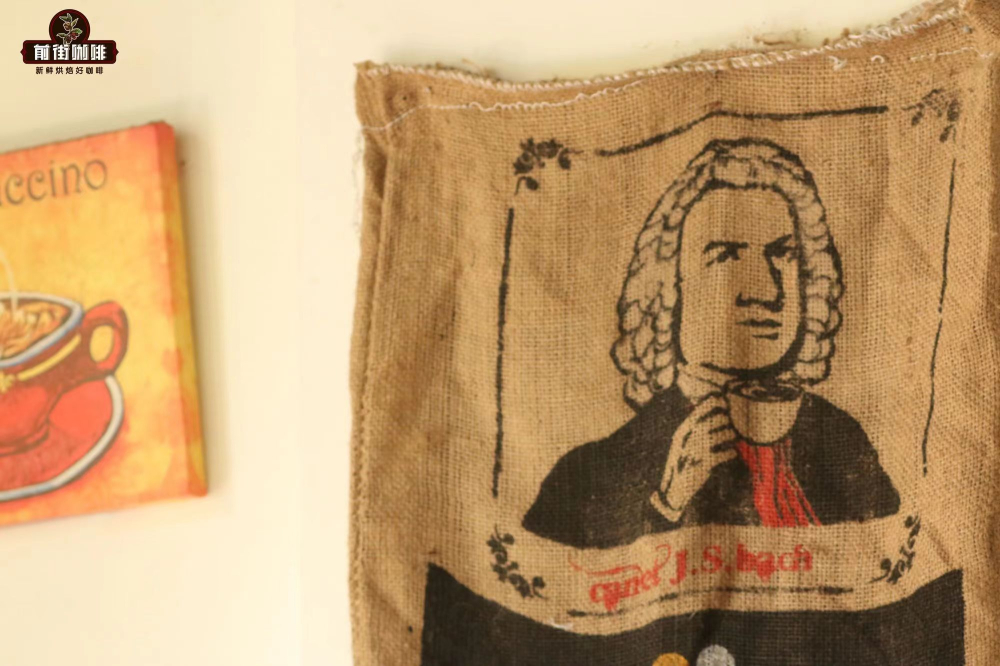
Front Street Costa Rica Mozart Coffee Beans
Country: Costa Rica Region: Tarrazu Altitude: 1800m Variety: Caturra, Catuai Processing Method: Raisin Honey Processing Flavor: Raisin acidity, berries, floral fragrance, fermented wine aroma
Mozart is hailed as a prodigy who epitomized classical music, and his works are known for their brilliance. The brilliant aroma presented by Front Street Mozart coffee beans refers to the elegant white floral scent it gives off, similar to the tone of orange blossoms, which Front Street can also clearly capture during brewing. The brilliant mouthfeel is expressed as rich dark berries, raisins, and a small amount of red berry flavors, with a slight plum acidity and gummy bear-like sweetness in the middle and finish; after the temperature drops, the floral fragrance and sweetness still remain. The overall flavor is very unique, and it truly lets you feel that kind of brilliant mouthfeel.
Front Street Costa Rica Bach Coffee Beans
Country: Costa Rica Region: Tarrazu Altitude: 1950m Variety: Caturra Processing Method: Raisin Honey Processing Flavor: Fermented wine aroma, berries, fruit tea tone
Bach's music is refined and richly layered, yet clear and orderly. The dry aroma of Front Street Bach coffee beans carries fruit aromas such as strawberry, blackberry, and raisin, and during brewing it also gives off waves of fruity fragrance. When Front Street has just finished brewing, obvious floral and fruity aromas can be smelled; on the palate, rich fruitiness and sweet acidity follow, with a slight wine aroma emerging in the middle and finish, like red wine. After cooling, it has a candied sweetness, the wine aroma becomes more prominent, and one can even sense the flavor of plum wine. This refined taste experience indeed echoes Bach's music, and Front Street believes that every sip of Front Street Costa Rica Bach coffee is like being immersed in the splendor and rigor of Baroque aesthetics.

Front Street Costa Rica Beethoven Coffee Beans
Country: Costa Rica Region: Tarrazu Altitude: 1800-1950 m Variety: Caturra, Catuai Processing Method: Washed Processing Flavor: Citrus, berries, floral fragrance, light fermented wine aroma
The most widely known figure in Romantic classical music is Beethoven, and a coffee bean that can remind people of Beethoven's music naturally has flavors worth looking forward to. The dry aroma already has an obvious red berry note, with strawberry standing out most, accompanied by floral fragrance. During brewing, one can sense floral fragrance, nectar-like sweet aroma, and the charm of green grapes. When Front Street brews Front Street Costa Rica Beethoven coffee, the palate has the sweet acidity of green grapes and red berries, and the overall cup is clean and smooth. After the temperature drops, the red berries become more obvious. Some coffee fans who have tasted it at Front Street's shop even say that this is a coffee with the romantic sentiment of summer.
Front Street would like to mention in passing that, unlike the other Musician Series coffees that use raisin honey processing, Front Street Beethoven uses the washed method to process the coffee beans, thereby obtaining a clean and refreshing summer-like mouthfeel. Therefore, Front Street highly recommends that coffee fans drink this Front Street Beethoven coffee in summer, as it will bring a different taste experience.
Front Street Costa Rica Chopin Coffee Beans
Country: Costa Rica Region: Tarrazu Altitude: 1800-1900m Variety: Catuai Processing Method: Raisin Honey Processing Flavor: Rose, raisin, berries, fruit tea
Chopin is known as the "romantic piano poet." As for this Front Street Chopin coffee bean from Hacienda Canet, as soon as the package is opened there is a striking rose aroma, and roses are precisely a symbol of romance. When Front Street brews it, this rose fragrance becomes even sweeter with the steam, as if one were in a sea of roses, and on tasting there is also the sweet acidity of raisins and berries, with a finish like fruit tea. Front Street believes that the overall flavor progression of this Front Street Costa Rica Chopin coffee bean is like Chopin's romantic piano pieces, advancing step by step, very romantic, and truly worthy of the name.
The above is the basic information on Front Street's Costa Rica Musician Series coffee beans. Next, Front Street will talk about the history behind the flavor characteristics of Front Street's Musician Series coffee beans.
Costa Rica Coffee Growing Conditions Costa Rica is located in Central America and was the first country in the Americas to introduce coffee cultivation, with a long history; therefore, its coffee organizations' systems from production to sales are all very complete.
Moreover, according to Front Street's understanding, Costa Rica's natural conditions for growing coffee are also very superior. The country is situated in the Central American isthmus, with fertile volcanic soil and good drainage, especially on the central plateau. As stated in Front Street's previous articles, growing high-quality coffee requires not only a suitable climate and altitude, but also fertile volcanic soil, because volcanic soil is rich in organic matter and is very suitable for providing nutrients to coffee trees. Coffee grown under such conditions has a pure taste and pleasant aroma, with a very balanced relationship among sweetness, acidity, and bitterness in flavor and mouthfeel, so the coffee quality is naturally excellent.
Costa Rica Hacienda Canet
Hacienda Canet is located in Tarrazu, Costa Rica. Tarrazu is Costa Rica's most prestigious coffee-producing region and also the country's highest-altitude producing region, at about 1,200-1,700 m. Therefore, coffee cherries grown in Tarrazu have hard, plump beans and rich aroma, which also makes Tarrazu the most valued coffee-growing area in Costa Rica. Hacienda Canet is located here, specializing in growing coffee cherries of the Caturra and Catuai varieties.
According to Front Street's understanding, the origin of the Musician Series coffee beans is that the owner of Hacienda Canet is very passionate about classical music and, based on the flavors produced by different processing methods, judges which musician a certain coffee bean feels like, thereby naming the coffee beans. As Front Street said above, Tarrazu is the highest-altitude producing region in Costa Rica, so what Hacienda Canet produces are all SHB-grade high-altitude extra hard beans. Such beans are naturally sweet in flavor, with fruity aromas, wine aroma, and tea aroma.
Now that extra hard beans have been mentioned, Front Street will explain what extra hard beans are.
Costa Rica Coffee Bean Grades
As mentioned in Front Street's previous articles, each country has different definitions for grading coffee beans. Kenya grades by coffee bean size, while Ethiopia grades by the number of defects in the coffee beans. Costa Rica, however, classifies by altitude level. The grading standards are as follows:
SHB: Extra Hard Bean, grown at an altitude of 1,500 meters.
GHB: Good Hard Bean, grown at an altitude of 1,100-1,200 meters.
HB: Hard Bean, grown at an altitude of 1,000 meters.
High-quality Costa Rican coffee is called "extra hard bean," and this kind of coffee can grow above 1,500 meters. For example, the Tarrazu staple coffee on Front Street's bean rack is the highest grade, SHB. Generally, the higher the altitude, the better the coffee beans. This is not only because higher altitude can increase the acidity of the coffee beans and thus enhance flavor, but also because the lower nighttime temperatures at higher altitudes can slow tree growth, thereby making the coffee beans' flavor more intense.

As Front Street said above, Hacienda Canet mainly grows coffee trees of the Caturra, Catuai, and H1 varieties, so what is so special about the coffee beans of these varieties?
Caturra
Caturra is a natural mutation of the Arabica variety Bourbon, discovered in Brazil in 1937. Its tree is not as tall as Bourbon and is relatively short. Because it inherits Bourbon's lineage, its resistance is relatively weak, but its yield is higher than Bourbon's. Although it was discovered in Brazil, Caturra is not suitable for growing in Brazil, so it was not planted on a large scale there. Instead, it became widely popular in other Central and South American countries; for example, Colombia, Costa Rica, and Nicaragua all have large areas planted with Caturra coffee trees.
Catuai
Catuai is a coffee variety artificially crossbred from Caturra and Mondu Novo. Catuai has relatively good resistance to natural disasters, especially wind and rain. The Catuai tree is relatively short, and compared with other coffee trees, Catuai's fruit grows more firmly and is not easy to pick. The fruit can be either red or yellow. So far, no yellow fruit has been found to taste better than red fruit. On the contrary, some people have found in cupping that although coffee processed from some yellow fruits has decent acidity, its cleanliness in the mouth is worse than that of red fruits. Catuai was bred in Brazil and is currently also widely planted in Central America.
H1 Coffee Variety
According to Front Street's understanding, H1 comes from the Sebaco laboratory in Nicaragua. Its full name is Centroamericano, and it was bred by crossing T5296 and Sudan Rume. In terms of coffee tree yield, H1 is 22% to 47% higher than other traditional American varieties. The plant's leaf tips are green, and it has strong resistance to rust, moderate resistance to coffee berry disease, but is susceptible to nematode damage.
Hacienda Canet Raisin Honey Processing
As Front Street's previous articles have said, the flavor of a coffee bean depends not only on the bean variety itself and the growing environment; the processing method also has a certain influence on a coffee bean's flavor. What is most worth mentioning about Hacienda Canet is its coffee bean raisin honey processing method. Among Front Street's Costa Rica Musician Series coffee beans, three use honey processing, and this processing also makes the beans sweeter and more fermented in character. So Front Street will explain what raisin honey processing is.
Raisin honey processing is a method that retains 100% of the mucilage and uses zero water.
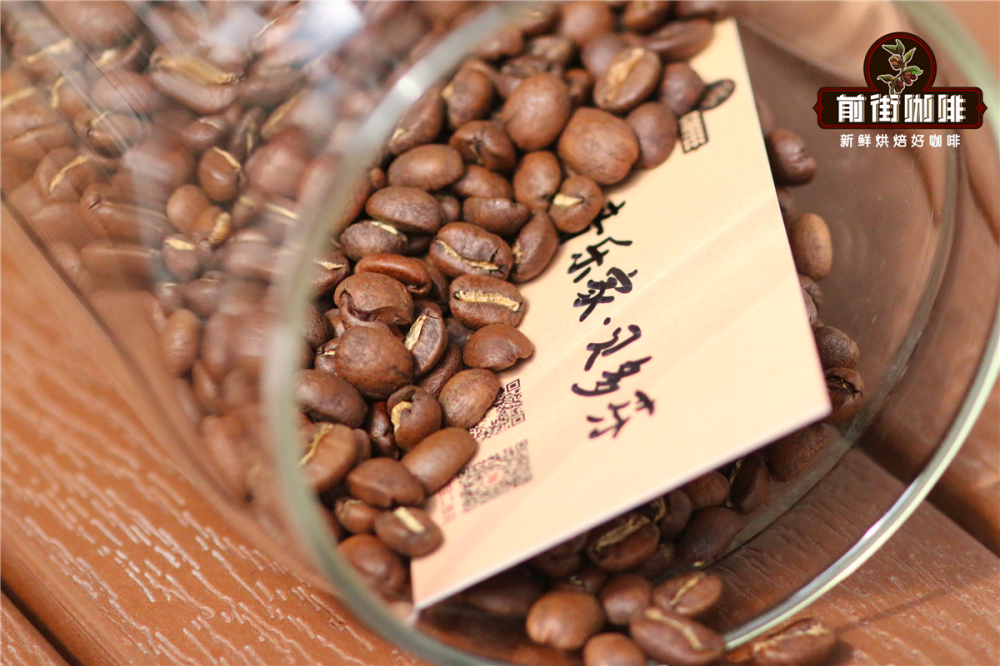
At the same time, this also increases the difficulty of the ordinary honey processing method. According to Front Street's understanding, this requires strict control of timing. On the day the coffee cherries are harvested, the harvested coffee fruits are poured into a large water tank; ripe, plump fruits will sink to the bottom, while underdeveloped or overripe fruits will float to the surface, and these floating beans need to be removed. The selected coffee fruits are placed on raised beds to dry for at least three days, then the cherry skin is removed, and after retaining the mucilage, they are dried again. This completes the raisin honey processing procedure.
Front Street believes this is a rather sweet processing method, with a white wine-like mouthfeel and balanced acidity. In terms of flavor, the fermentation note is more intense, and the retention of mucilage is higher than in other honey processing methods.
Of course, among the Musician Series coffee beans, one is also washed processed, namely Front Street Hacienda Canet Beethoven coffee beans. Front Street's previous articles have also said that washed processing is the method that best expresses a bean's most original flavor. Coffee beans processed by washing retain the coffee beans' most original flavor, and the mouthfeel is also cleaner and more transparent. Therefore, this Beethoven coffee bean's flavor expression is also fresher, which is why customers who come to Front Street to taste Beethoven call it a coffee bean with the romantic sentiment of summer.
Washed Processing Procedure
1. Harvest ripe coffee cherries.
2. First preliminarily remove impurities and defective beans.
3. Screen floating beans: pour the coffee cherries into a water tank; ripe, plump fruits will sink to the bottom of the tank, while immature or damaged fruits will float to the surface.
4. Remove the skin and pulp: put the selected good coffee cherries into a pulping machine to remove the outer skin and pulp, leaving the seeds (coffee beans).
5. Ferment to remove mucilage: place the coffee seeds covered with a layer of mucilage into a fermentation tank, using biological processing so that fermenting bacteria dissolve the mucilage.
6. Wash with water to remove impurities: because fermenting bacteria will remain on the coffee beans, the beans need to be sent to a washing pool for cleaning and a second screening (defective beans will float to the surface). In order to wash them clean, this step consumes a large amount of clean water.
7. Dry the coffee beans: usually machines are used to dry the coffee fruits, or they are sun-dried manually, reducing the moisture content to 10-14%.
8. Remove the parchment and silver skin: finally, use a huller to remove the remaining parchment and silver skin, completing the processing, after which the green beans can be packaged and transported.
The above is the basic information and flavor presentation of Front Street's Costa Rica Musician Series as compiled by Front Street. We hope it can help coffee fans choose the Front Street Musician Series coffee bean that best suits their own flavor preferences.
The above content is compiled by CoffeeHunters, a coffee news website.


