







Search Results for: Grind Size Standards
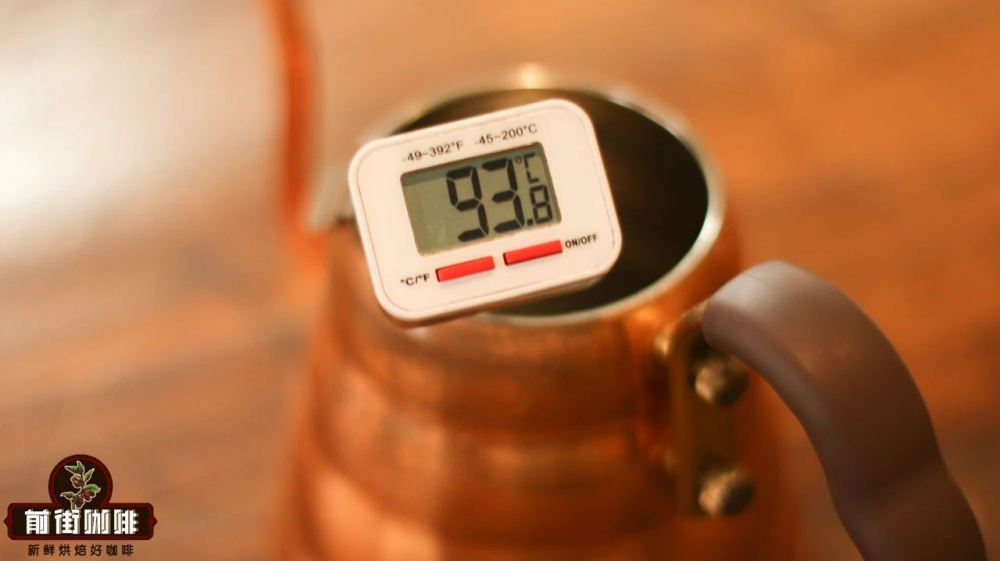
Coffee Ground Size Standards Illustrated | How to Use a Coffee Sieve? Moka Pot and Espresso Bean Grind Size Parameters, Extraction Ratio, and Time Introduction
There are many factors that affect the taste of coffee. During the brewing process, the factors that influence coffee include the coffee-to-water ratio, grind size, water temperature, etc. Among them, grind size can be said to be very important. There is a saying in the industry: "You can buy a cheaper coffee machine, but the grinder must be the best." It has to be said that grinding really has an [more…]
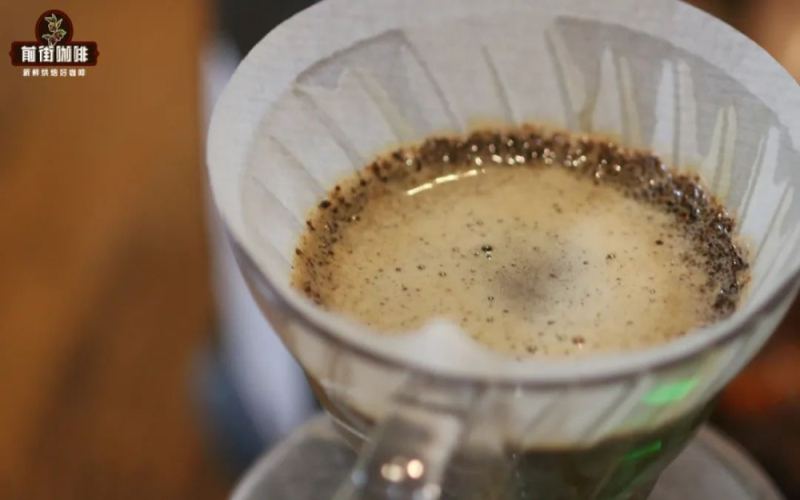
Pour-Over Coffee Grind Size 1-10 Explained: A Complete Guide to Coarseness Standards and Adjustment Methods
Grind size is the key variable that determines the success or failure of a cup of coffee's flavor. Facing the 1 to 10 settings on a grinder, which number actually represents the finest? And how should different brewing methods match grind coarseness? Starting from Front Street Coffee's hands-on experience, this article systematically sorts out the mechanisms by which grind size affects extraction efficiency, compares the grind standards for common brewing methods such as espresso, pour-over, siphon, and French press, and focuses on explaining grind recommendations for medium-light and medium-dark single-origin beans in pour-over scenarios, water temperature pairing, and how to use a 0.85mm No. 20 sieve to precisely calibrate grind size, helping coffee enthusiasts establish clear adjustment logic. [more…]
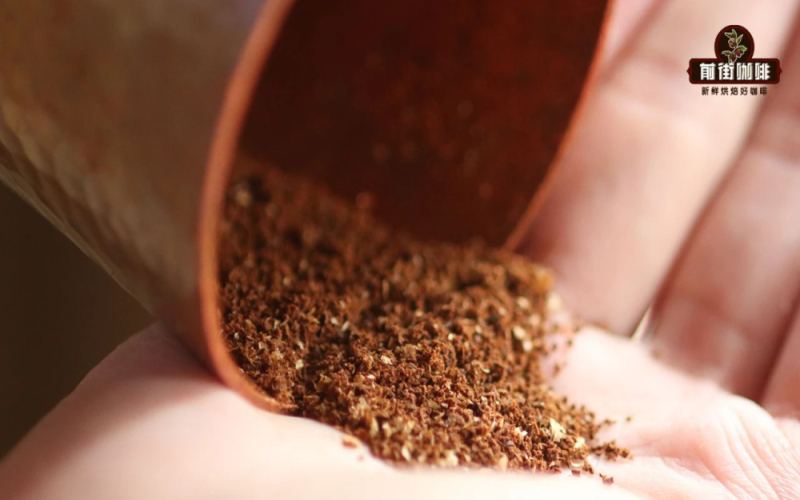
How Does Grind Size Affect Flavor in Pour-Over Coffee? A Full Breakdown of Cupping and Brewer Reference Standards
Among the many variables in pour-over coffee, grind size is one of the core factors determining extraction efficiency and the final flavor. The coarseness of the coffee grounds not only changes the speed at which water penetrates the coffee bed, but also directly affects the coffee's strength, body, and the balance of acidity, sweetness, and bitterness. In this article, Front Street Coffee systematically sorts out the mechanisms by which grind coarseness affects extraction, and provides reference grind standards for different brewing methods such as cupping, pour-over, French press, espresso, moka pot, and cold brew/ice drip. It also introduces the calibration method using the No. 20 sieve pass rate, helping coffee enthusiasts find grind parameters that suit them. [more…]
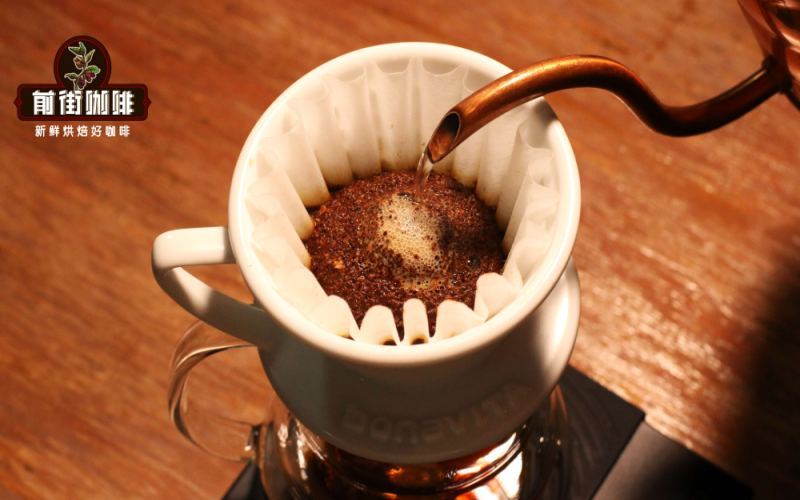
Pour-Over Coffee and Espresso Grind Size Explained: Coarseness Standards, Sieve Pass Rates, and the Science Behind Moka Pot Crema
Grind particle size is one of the key variables that determines the direction of coffee flavor. Starting from the practices of Front Street Coffee, this article systematically reviews the influence of grind size on extraction efficiency in pour-over coffee, the grind standards suited to medium-light and medium-dark roasts respectively, and how to use a 0.85mm No. 20 sieve to test the pass-through rate. It also extends to the extremely fine grind requirements of espresso, explains the effect of the grinder burr spacing on extraction time, and provides the specific extraction parameters and flavor description of Front Street espresso. In addition, the article also explains the relationship between the choice of Moka pot coffee grounds coarseness and the oils it produces, helping coffee enthusiasts find a grind plan suitable for their own equipment at home. [more…]
Siphon Coffee Grounds Grind Size and Dosage Explained: Reference Grind Standards for Cold Drip, French Press, and Cold Brew
In coffee brewing, grind size is the key variable that determines the direction of flavor. The same coffee beans, when used in a siphon, cold drip, French press, or cold brew, require different particle coarseness and coffee doses because of their different extraction principles. This article systematically sorts out the coarseness standards and dosage recommendations for siphon coffee grounds, and compares the reference grind size ranges for cold drip, French press, and cold brew, helping you find the flavor balance point among different devices. The article also includes practical recommendations from Front Street Coffee; whether you are a beginner or an advanced enthusiast, you can find reliable parameter references here. [more…]
Coffee Grind Size Comparison Guide: Grind Standards and Extraction Parameters for Pour-Over, Espresso, and Moka Pot
In coffee brewing, the grind size has a crucial impact on flavor. If the coffee grounds are too coarse, extraction will be insufficient and the taste will be weak; if too fine, it easily brings out bitterness. This article will systematically sort out the grind size standards corresponding to three brewing methods: pour-over, espresso, and moka pot, and provide extraction ratio and time references. The pour-over section will distinguish the grind pass rate, water temperature recommendations, and sieving verification methods for medium-light and medium-dark roasted beans; the espresso section explains the extremely fine grind and adjustment logic under 9 bar high pressure; the moka pot section introduces the suitable grind range and bean selection approach under 1.5-3 bar pressure, while retaining Front Street Coffee's practical data and product recommendations, making it convenient for coffee enthusiasts to adjust by comparison. [more…]
How Fine Should You Grind for Pour-Over Coffee? A Complete Guide from Cupping Standards to Brewing Adjustments
For pour-over coffee enthusiasts, grind size is often the trickiest variable to master. Starting from the industry-recognized cupping standard, this article explains how to precisely calibrate grind size with the help of a No. 20 standard sieve, and analyzes in detail the differences in brewing performance caused by grinding too fine and too coarse. It also presents the practical calibration method recommended by Front Street Coffee, explains the sieve-passing rate ranges that coffee beans of different roast levels should match, and shows how to flexibly adjust the grind by observing the flow rate during brewing, helping you reproduce coffee flavors more consistently in your daily brewing. [more…]
A Complete Guide to Coffee Grind Sizes: Pour-Over, French Press, Cold Brew, and Espresso Standards Compared
Brewing a good cup of coffee makes grind size an unavoidable key variable. If the particles are too coarse, flavor extraction is insufficient; if ground too fine, it easily brings out bitter and off-flavors. But just how coarse counts as coarse, and how fine counts as fine? And how should you convert between different brewing devices? This article uses the industry-recognized cupping standard as its baseline and the No. 20 sieve pass-through rate as a unified ruler, providing reference grind ranges one by one for French press, pour-over, cold brew drip, and espresso machines, explaining how roast level and bean density affect grinding results, and finally including Front Street Coffee's approach to dialing in espresso extraction, helping you turn grind size from "guesswork" into "data." [more…]
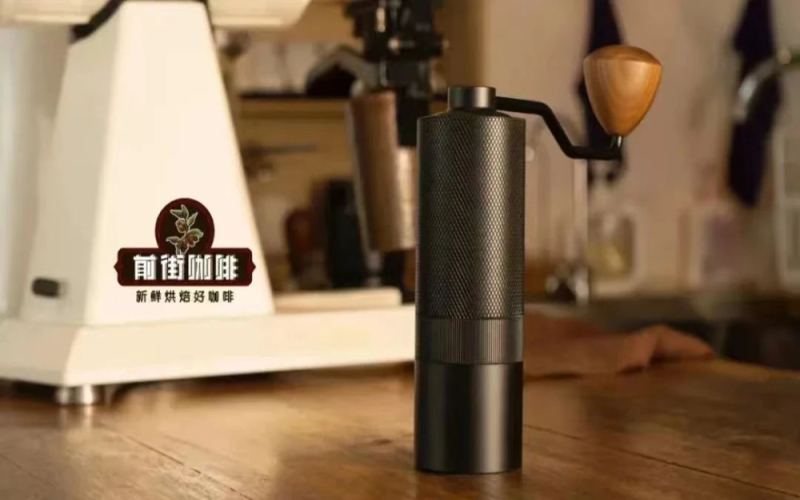
Coffee Grinder Settings Guide: Hand Grinder Disassembly and Pour-Over Grind Standards
Grind size is one of the core variables affecting coffee flavor. This article starts with the structure of a manual coffee grinder, gradually explaining how to disassemble it and adjust the grind adjustment screw, and, combined with the hands-on experience of Front Street Coffee, provides grind size standards for different brewing methods. At the same time, the article also shares a method for judging whether the grind is appropriate using a 0.80 mm standard sieve, as well as reference suggestions for pour-over parameters such as the coffee-to-water ratio, water temperature, and extraction time. Finally, using Panama Diamond Mountain coffee beans as an example, it demonstrates a complete three-stage brewing process to help readers put theory into daily practice. [more…]
A Complete Guide to Coffee Grind Size: Grind Standards for Pour-Over, Espresso, and Moka Pot with Front Street Brewing Tips
Grind size is one of the core variables that determines the direction of coffee flavor. If the grounds are too coarse, flavor compounds are under-extracted and the coffee tastes thin as water; if the grounds are too fine, bitterness and off-flavors are over-released, throwing the cup out of balance. It is often said in coffee circles that "the grinder is more worth investing in than the coffee machine," which shows just how critical grinding is. This article systematically covers the medium-fine and medium-coarse grind standards for pour-over coffee, the practical method of sifting grounds with a 0.85mm sieve, the ultra-fine grind required for espresso under 9 bar of pressure, and the grind range for the moka pot that falls between the two. It also draws on Front Street Coffee's brewing experience to offer water temperature recommendations for different roast levels and espresso blend bean recommendations. [more…]
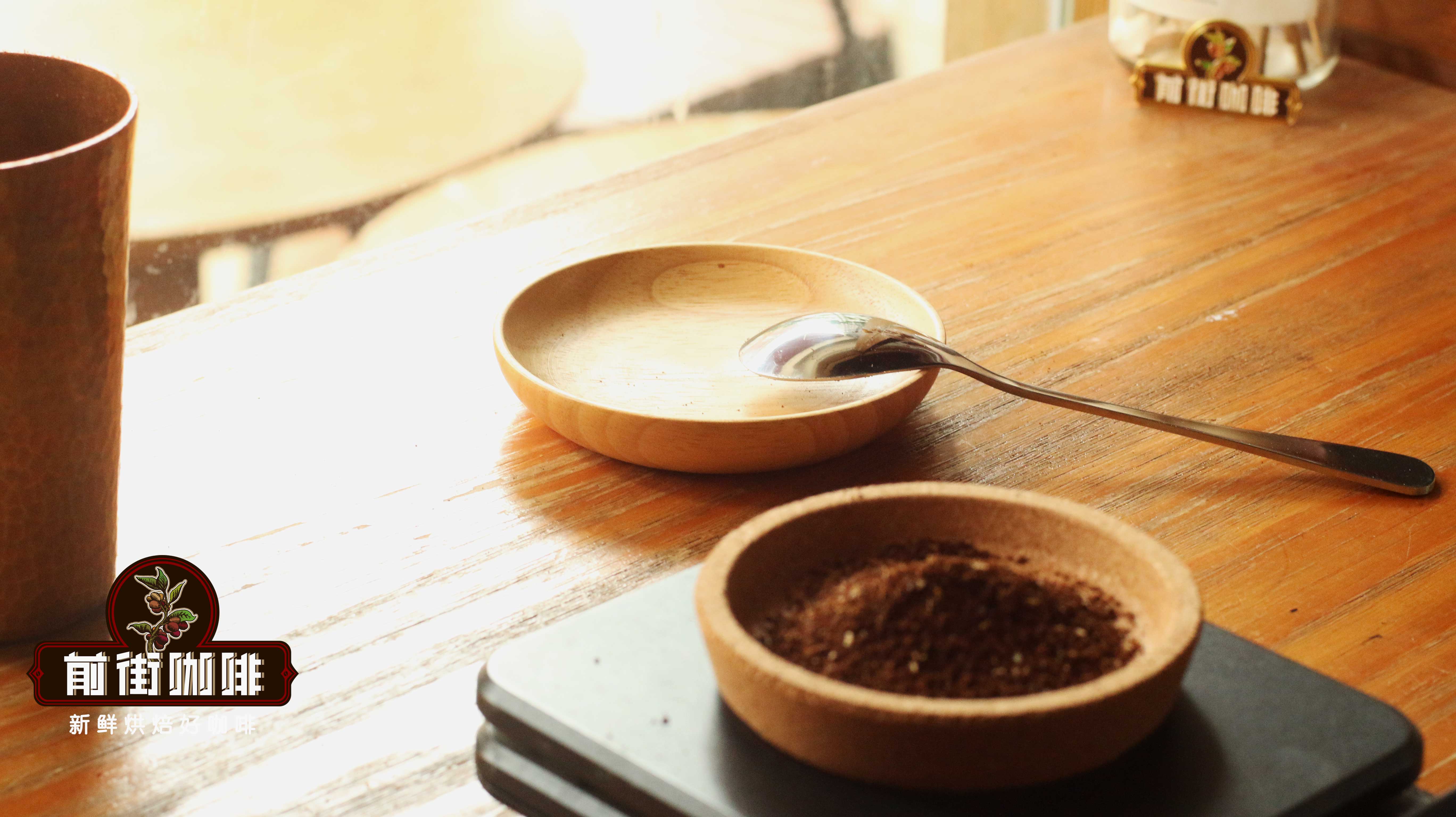
How to Determine Coffee Grind Size? Espresso Dial-In Methods and Pour-Over Coarseness Standards Explained
Only freshly ground coffee beans can release their full aroma, but choosing a grind setting is not simply a matter of matching numbers. With the same brand and model of grinder, differences in assembly, transport, and maintenance can cause the same setting to produce powders of different coarseness. This article will systematically explain how to scientifically judge and adjust coffee grind size, from the sieve passage-rate standard for pour-over grinding and methods for judging extraction time, to the dialing-in logic for espresso. Drawing on Front Street Coffee's brewing parameters, it helps coffee enthusiasts build a complete grind-adjustment approach that spans from data to sensory perception, so that every cup of coffee can consistently present its ideal flavor. [more…]
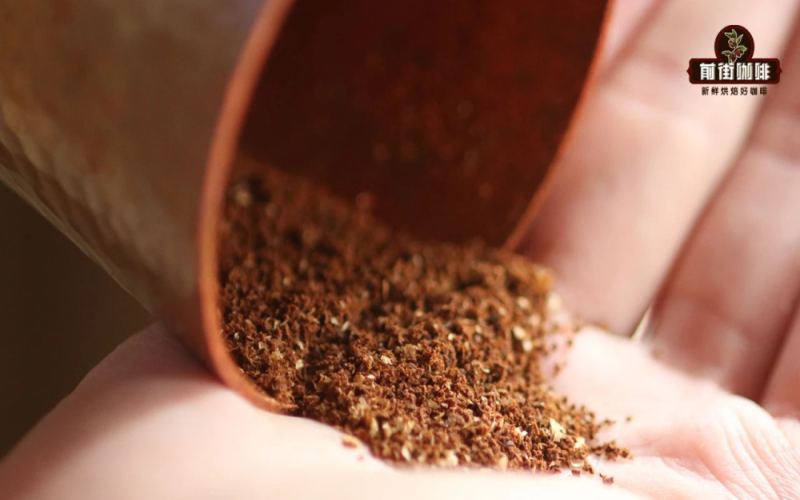
Coffee Ground Size Reference Standards | Why Does Coffee Bean Grind Size Affect the Flavor and Mouthfeel of Pour-Over Coffee? How Fine Should Pour-Over Coffee Grounds Be?
If you are a passionate lover of pour-over coffee, then you must know that the following factors are among the reasons that affect your coffee's extraction and flavor! So let's count them with Front Street: water temperature, grind size, coffee-to-water ratio, extraction time... Front Street Coffee (FrontStreet [more…]

Coffee Bean Grind Setting 1 to 10 Coarseness Guide | Pour-Over Coffee Grind Standards and Adjustment Methods Reference
Grind size directly determines the extraction direction of a cup of coffee: too fine a grind easily leads to over-extraction and bitterness, while too coarse a grind may result in under-extraction and a weak, bland flavor. Many grinders on the market mark their settings from 1 to 10, but the corresponding coarseness varies across different models. A smaller number usually means a finer grind, but in practice, you need to judge based on your brewing method. Drawing on the hands-on experience of Front Street Coffee, this article sorts out the grinding ranges for common brewing methods such as espresso, pour-over, siphon, and French press, explains whether medium-light roast and medium-dark roast coffee beans are better suited to a medium-fine or medium-coarse grind for pour-over, and provides specific steps for using a 0.85mm No. 20 sieve to check the passing rate, helping coffee enthusiasts find the right grinding parameters. [more…]
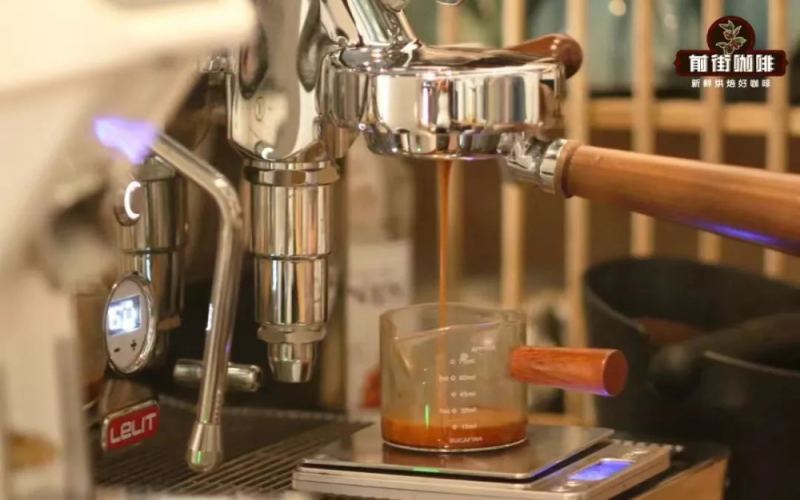
A Comprehensive Analysis of Espresso Extraction Standards and Parameter Adjustment: A Practical Guide from Grind Ratio to Flavor Calibration
In making espresso, data parameters are always just reference coordinates, not formulas that must be copied exactly. This article centers on the essence of extraction standards, offering an in-depth analysis of the dynamic balance among dose, grind size, and yield, and drawing on Front Street Coffee's daily hands-on experience to systematically sort out how to judge whether extraction is normal by observing the flow and tasting the flavor, and how to make targeted fine adjustments to the parameters. At the same time, the article also explores the differences in extraction strategies for the base of lattes versus Americanos, helping you truly understand the logic of extraction rather than mechanically replicating numbers. [more…]
How to Get the Grind Size Right for Pour-Over Coffee? Front Street Coffee Baristas Share Extraction Standards and Brewing Techniques
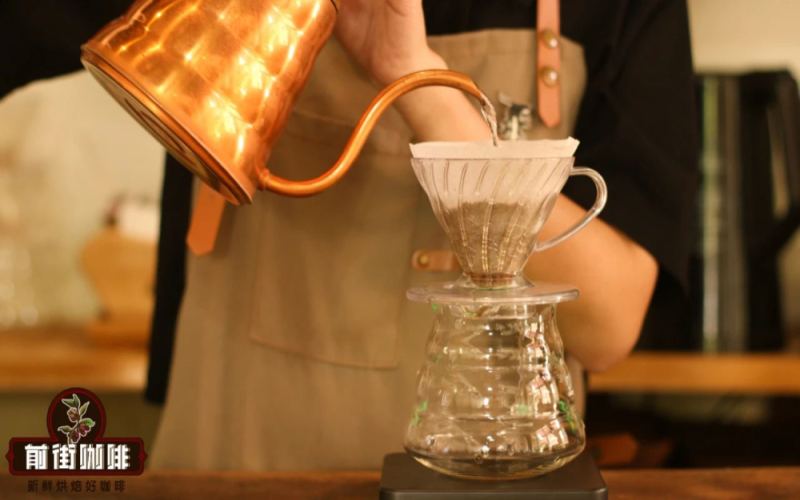
When brewing pour-over coffee, grind size is often the key variable that determines the direction of flavor. Front Street Coffee frequently receives inquiries about how fine a grind should be used for a particular bean, but in reality, beans from different origins, varieties, processing methods, and roast levels each have their own suitable grind standards. Based on the practical experience of Front Street Coffee stores, this article explains the mechanism by which grind size affects extraction time and extraction yield, introduces the reference values for the passing rate of the No. 20 standard sieve, and explains the differential handling of medium-light roast and dark roast beans. At the same time, the article also discusses the concept of golden cup extraction and its true purpose, and finally uses Colombia Rose Valley as an example to provide complete brewing parameters and staged extraction techniques, helping enthusiasts brew good coffee that suits their own taste. [more…]
Espresso Extraction Guide: The Core Relationship Between Grind Size and Extraction Time, and Parameter Standards
In espresso preparation, the interplay between grind size and extraction time directly determines the quality of the flavor in the cup. The essence of extraction is using water to draw out the soluble substances from the coffee grounds; the longer the time, the more is dissolved, but not all substances are worth releasing. Therefore, finding the right extraction window is crucial. This article will focus on four key elements: the double basket, weighing instead of measuring by volume, a 1:2 coffee-to-water ratio, and an extraction range of 25 to 30 seconds, helping enthusiasts understand how to control the flavor direction of espresso by adjusting the grind. The article also combines the practical experience of Front Street Coffee to offer actionable parameter recommendations. [more…]
Coffee Bean Grinding | Which Coffee Grind Is Finest on a Grinder Scale from 1 to 10? How Do You Adjust the Grind Size for Pour-Over Coffee? Reference Guide to Coffee Grind Size Standards
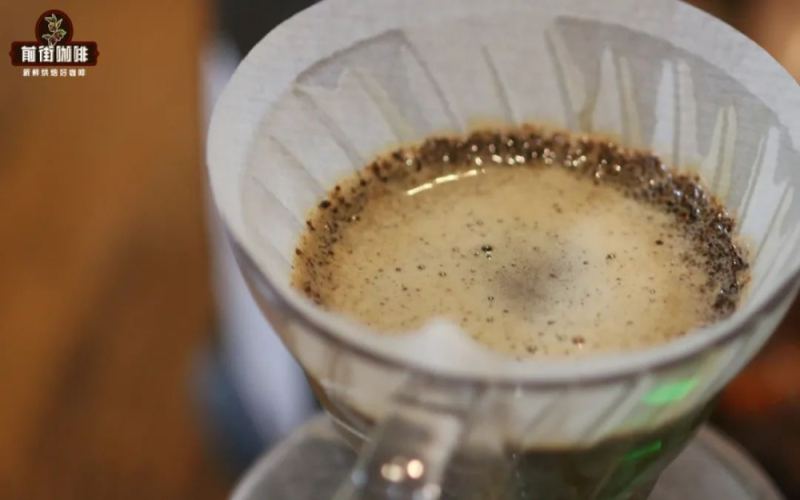
Which grind size from 1 to 10 is the finest for coffee beans? In most cases, the smaller the number, the finer the grounds. The grind size of coffee beans plays an important role in extracting a cup of coffee. For example, if the coffee grounds are too fine and used for pour-over coffee, it will result in over-extraction, while if they are too coarse, it will result in under-extraction. Secondly, factors such as the beans from each producing region [more…]
How to Determine Coffee Grind Size? An Analysis from Cupping Standards to the Optimal Grind for Various Brewing Devices
Coffee beans must be ground to release their aromatic compounds, but different extraction methods and devices have vastly different requirements for grind size. Too coarse or too fine will throw the flavor off balance, so is there a generally accepted reference standard? This article uses the industry-standard cupping grind parameters as a baseline and examines, one by one, the suitable grind ranges for the French press, pour-over, cold drip and cold brew, siphon, espresso machine, and moka pot, while explaining how factors such as roast level and water temperature affect the final choice. Drawing on everyday brewing experience, Front Street Coffee offers practical sieve-passing recommendations to help coffee lovers find a grind plan suited to their own equipment. [more…]
The Flavor Standards and Correct Brewing Methods for Mandheling Coffee: A Complete Analysis from Roasting and Grades to Pour-Over Parameters
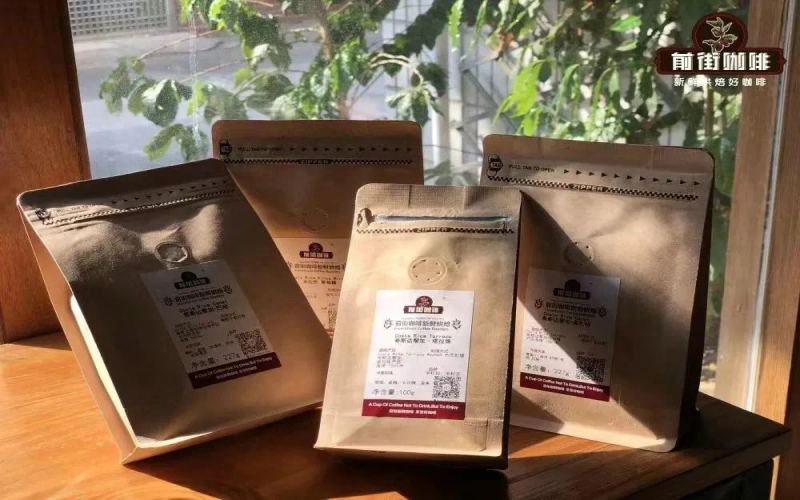
What kind of mouthfeel should Mandheling coffee present? Rich nutty, dark chocolate, and caramel-cream-like full body are the classic flavors it should have. This article begins with the reason why Front Street Mandheling is medium-dark roasted, analyzes how the Sumatra wet-hulled process shapes its unique herbal and woody aroma, and why the resulting high defect rate requires deep roasting to mask. It also explains in detail the PWN brand certification and G1 grade classification standards of Golden Mandheling, and addresses a common question among pour-over enthusiasts—why does it come out only bitter and burnt—by giving professional parameter suggestions from Front Street Coffee baristas, including KONO dripper selection, grind size adjustment, 87–88°C water temperature control, and a three-pour technique, to help you brew a cup of full-bodied Mandheling with both caramel sweetness and chocolate-nutty flavors. [more…]
How to choose the grind size for pour-over coffee? A full analysis of extraction yield, flavor and mouthfeel, and sieve pass-through rate standards.
Grind size is one of the core variables determining the extraction outcome and flavor direction of pour-over coffee. This article systematically examines how coffee particle size affects flow rate and extraction efficiency, compares the typical behaviors when the grind is too fine versus too coarse, and provides reference grind ranges for different brewing devices such as cupping, pour-over, espresso, moka pot, cold brew drip, and French press. It also introduces the calibration method using the No. 20 sieve pass-through rate to help you find the appropriate grind setting between medium-light and medium-dark roasted beans. The article also incorporates Front Street Coffee products such as Huakui, Geisha, Sidra, PWN Golden Mandheling, Queen's Estate, and Blue Mountain No. 1, offering corresponding grind recommendations and extraction approaches. [more…]