







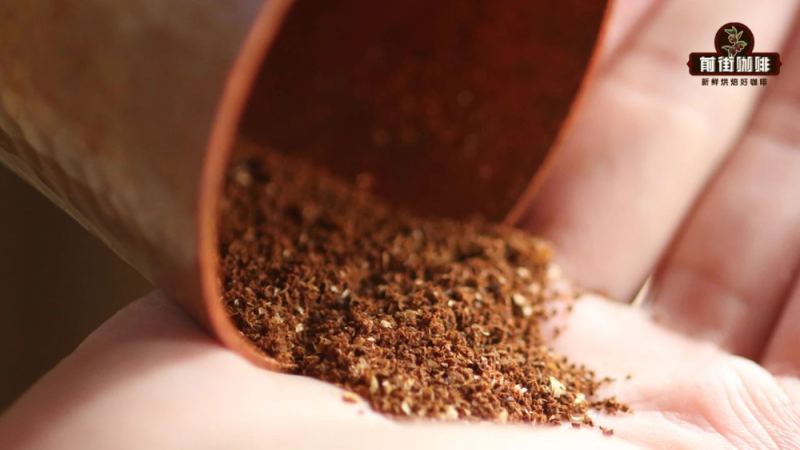
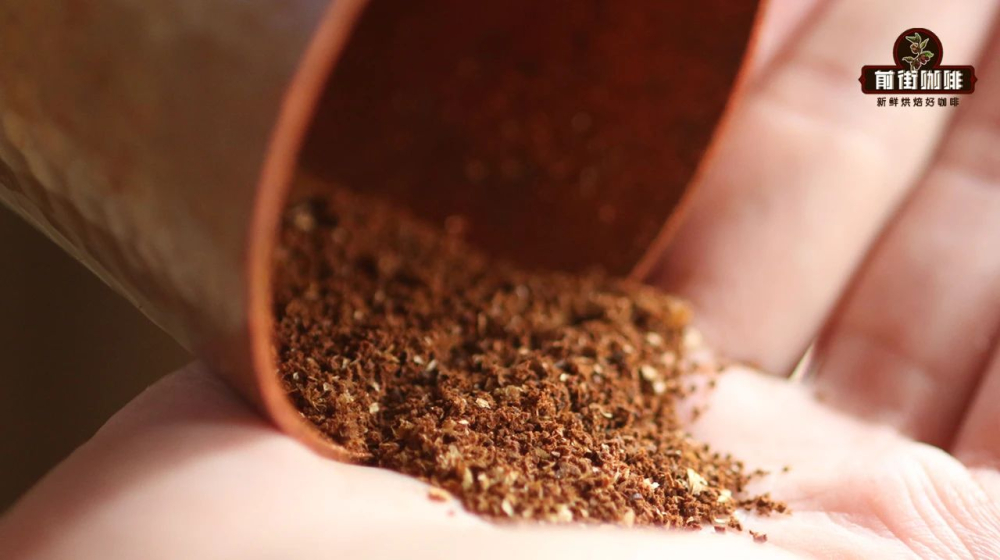
If you're a passionate pour-over coffee lover, then you surely know that the following factors are among the reasons that affect your coffee's extraction and flavor! So let's count them off with Front Street: water temperature, grind size,coffee-to-water ratio, extraction time...
Front Street Coffee (FrontStreet Coffee) will discuss with you in this article: what effect does the grind size for pour-over coffee have on a cup of coffee? And we'll also share a set of data from Front Street Coffee (FrontStreet Coffee) regarding the grind size settings for pour-over coffee beans used in our stores.
We all know that the most important factor affecting pour-over coffee is the grind size of the pour-over coffee beans. Don't underestimate this one, everyone—the coffee beans are ground into coffee powder, and the coarseness, fineness, and uniformity of these particles directly affect the efficiency with which water passes through the coffee bed to extract flavor compounds. Put simply, it's thatcoffee particles'size affects the contact time between coffee and water.
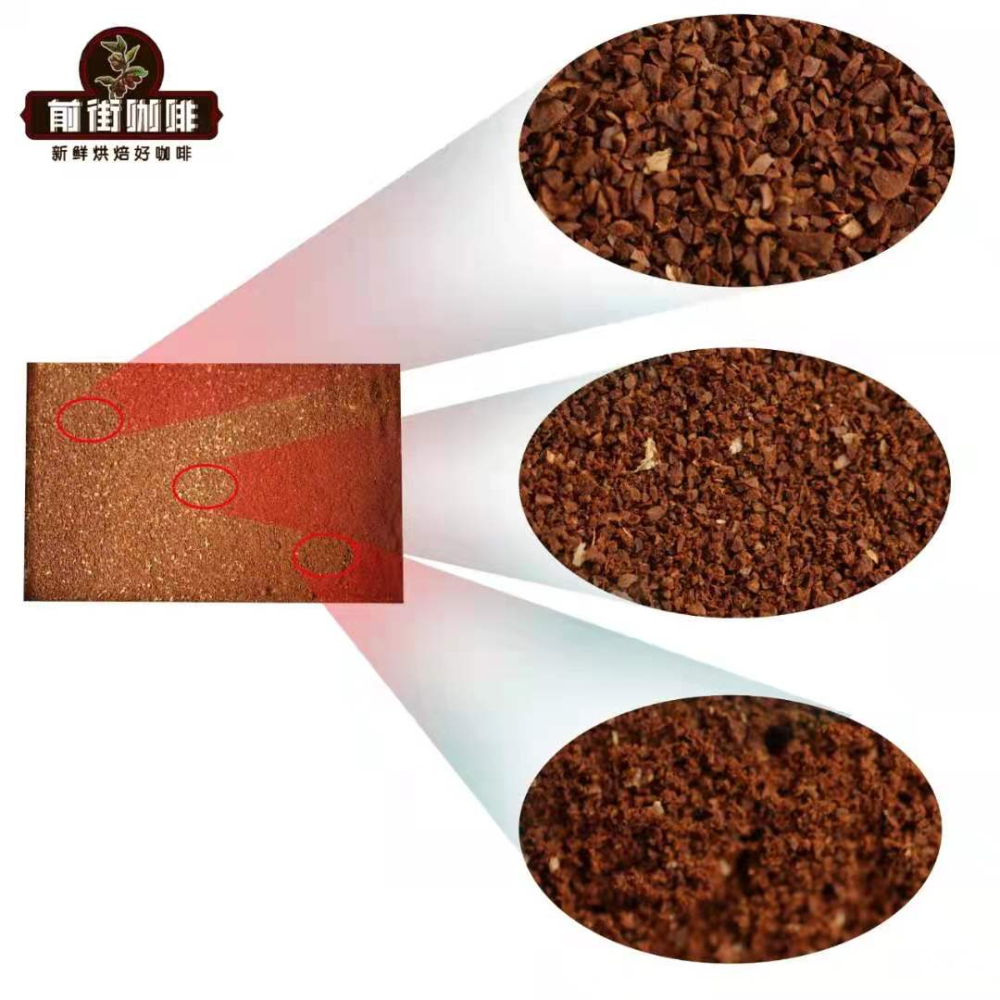
When other parameters are the same,the finer the coffeeparticles,the higher the extraction yield.The finer the coffee is ground, the larger the contact area with water, and the higher the concentration of dissolved coffee; conversely,the coarser the coffeeparticles,the lower the extraction yield.The coarser the coffee is ground, the smaller the contact surface area with water, and the lower the concentration of extracted coffee.
The finer the coffee is ground, the more easily the coffee powder piles up on the filter paper; extraction resistance increases and the flow rate slows, which in turn lengthens the extraction time—and the result is: the coffee's extraction yield becomes higher. Simply put, the coffee tastes strong. Similarly, the coarser the coffee is ground, the larger the gaps in the coffee bed, the less coffee powder comes into contact with water, extraction resistance weakens, and the coffee drips faster—so the final result is: a lower extraction yield. That is, the coffee tastes very weak, as people often say.

From this we can see: suppose we change just one variable—the grind size. The huge difference in coffee taste caused by different grind sizes is reflected exactly here! This is also why enthusiasts so often say, "why coffee grinding matters so much."Sometimes, Front Street Coffee (FrontStreet Coffee) discusses with customers, "What exactly is a medium-fine grind, or granulated sugar size?" Come, let's look at the comparison chart below.
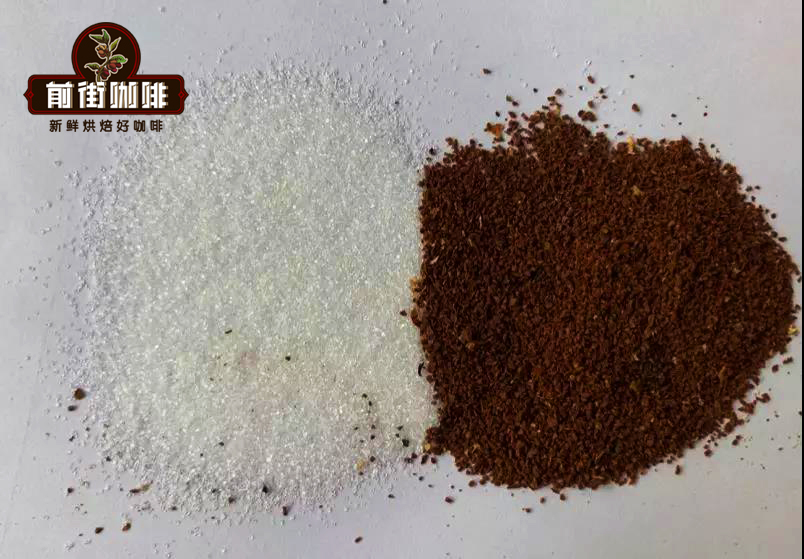
How important is coffee grind size?
We emphasize again: at the same weight, the finer the coffee powder is ground, the more times it is cut, the smaller the volume of the coffee particles, and thus the larger the contact area between the coffee powder and water; conversely, fewer cuts, larger particle volume, and the contact time and area with water shrink. In other words, the coarser the grind, the lower the coffee's concentration and extraction yield, the lower the body, and the stronger the coffee's acidity.
A reliable reference standard
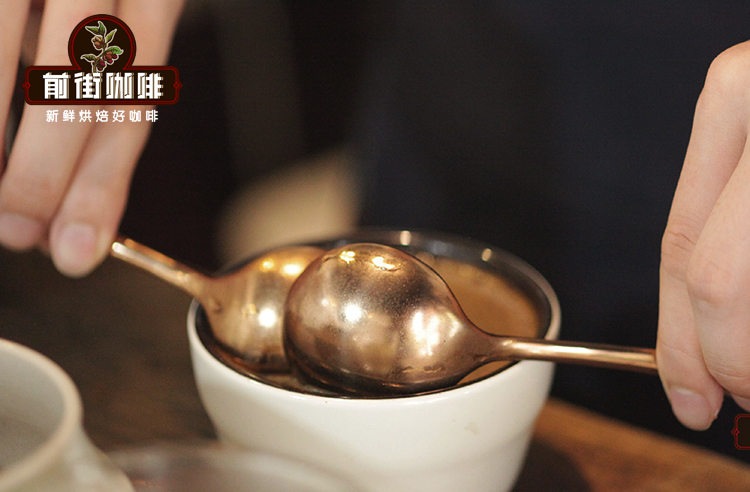
Front Street believes that every café has its own set of standards for brewing its coffee. But within the coffee industry, there is a universally recognized testing standard used in cupping. At first, cupping was meant to inspect green bean quality, but gradually people also used cupping to determine coffee flavor and decide on suitable brewing parameters for a sample. Speaking of which, you might want to take notes—The grind size for cupping is a 70–75% pass rate through a No. 20 sieve.
Pour-over coffee (70–80% pass rate through a No. 20 sieve)
Suitable for V60, Kono, Ice Eye, Origami dripper, wedge-shaped dripper, cake dripper, Clever Cup, American drip machine
Pour-over coffee is mainly drip-based; unlike immersion methods, it doesn't take a long time and easily produce unpleasant flavors.Pour-over coffeehas a short brew time, roughly 1 minute 30 seconds to 2 minutes 30 seconds. The brewing principle is that water passes through the coffee grounds, extracts the substances, and then filters through the filter paper into clean coffee liquid. Generally, pour-over coffee has a shorter brew time, so the grind size needs to be on the finer side.
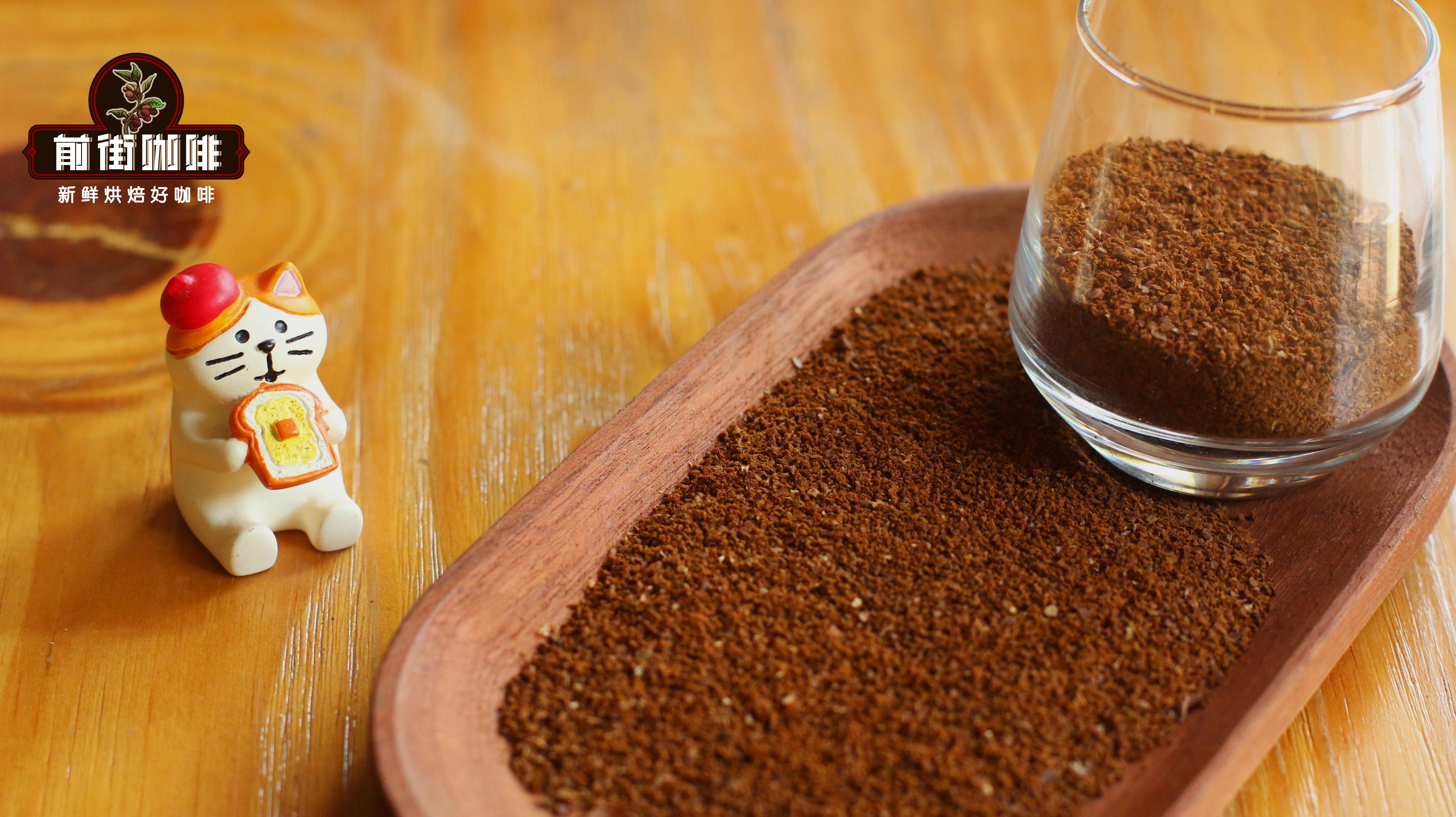
Therefore it needs to be finer than the cupping grind size to fully express the coffee's flavor. Likewise, coffee beans of different roast levels require different degrees of coarseness.Light-medium roastedcoffee grind sizeis finer (75–80% pass rate), while medium-dark roasted coffee beans have a coarser grind size (70–75% pass rate).
Note: because coffee beans differ in density and roast level, even with the same grinder and the same setting, grinding two beans of differing density may not produce coffee particles of the same coarseness. For example, Front Street Coffee (FrontStreet Coffee) uses an EK-43s at setting 10; grinding Front Street Ethiopia Yirgacheffe coffee beans gives an 80% pass rate, while at the same setting 10, grinding Front Street Colombia Rose Valley coffee beans gives only a 75% pass rate. Therefore, when you're unsure about the grind coarseness for a bean, it's best to use the same bean to confirm the grind size.
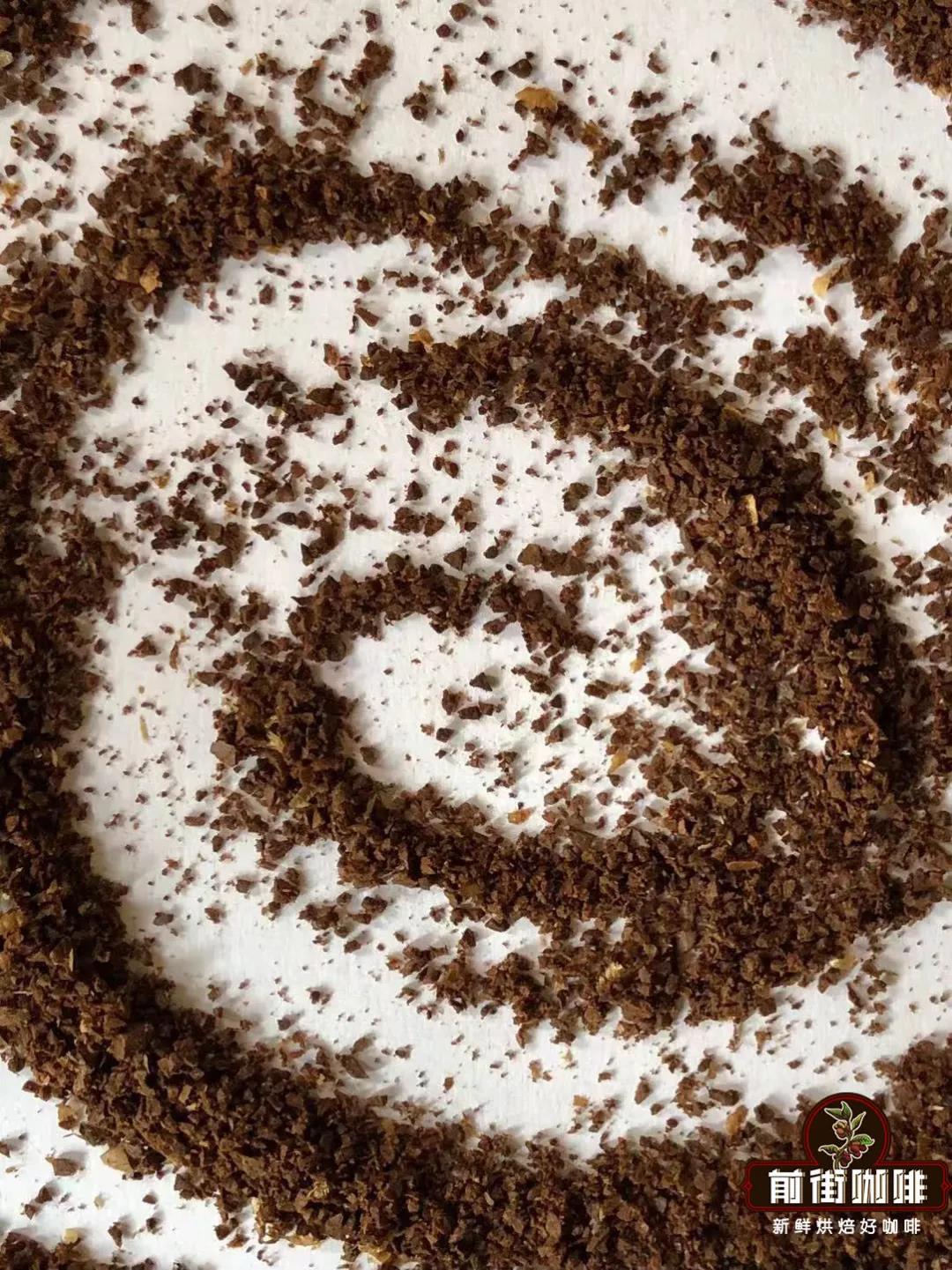
70–75% pass rate coarseness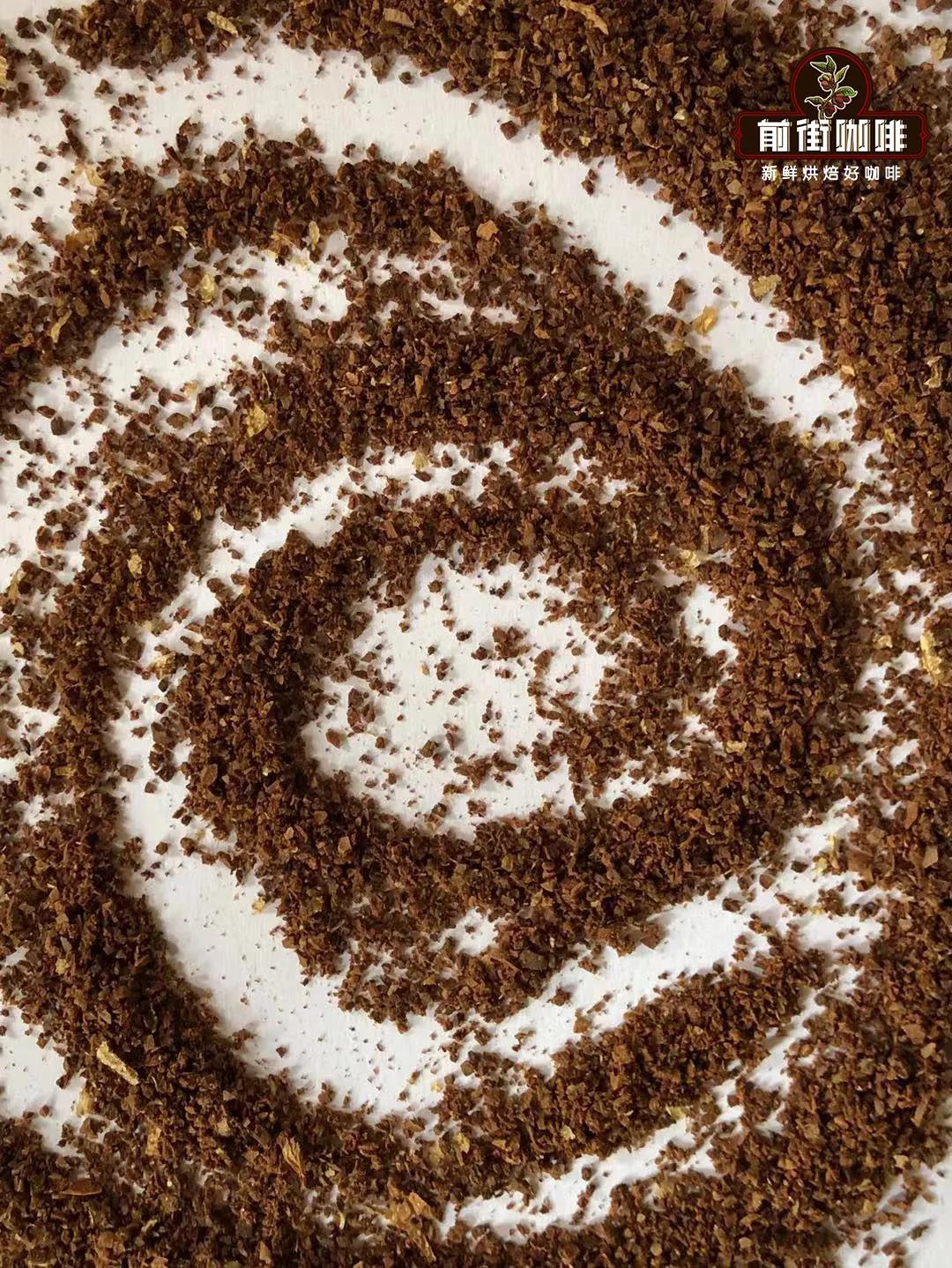
75–80% pass rate coarseness
What does it look like when coffee is ground too fine?
Visually, the particles look smaller, and because they are smaller, the spacing between particles is shorter, making it harder for water to pass through—so during brewing, the drip time is longer.

A finer grind results in smaller particles; after the coffee powder gets wet and filters, it appears paste-like, and after brewing the coffee bed makes it hard to see all the coffee particles, mostly showing an obviously muddy state. A finer grind results in smaller coffee particles, increasing the surface area of the coffee particles and increasing the places where water can extract coffee substances, so concentration and extraction yield rise; the coffee tastes intense, with obvious bitterness and astringency, while other flavors are masked.
Coffee powderWhat does it look like when ground too coarse?
Visually, the particles look larger, and because they are larger, the spacing between particles is greater, making it easier for water to pass through the coffee powder—so during brewing, the filtration time is shorter.

A coarser grind results in larger particles; after brewing, the coffee particles in the bed are obvious, and it's hard to form a complete coffee bed, with断层 (fractures). A coarser grind results in larger coffee particles, reducing the surface area of the coffee particles and reducing the places where water can extract coffee substances, so concentration and extraction yield decrease accordingly; the coffee tastes thin and bland, with a light mouthfeel and almost no flavor.
Different coffee equipment
hasdifferent requirements for coffee grind coarseness.
Different coffee equipment, due to differences in extraction methods, calls for different grind sizes of coffee powder. Taking the pour-over coffee, French press, espresso machine, and cold brew/ice drip we encounter most in daily life as examples, the grind sizes used, arranged from coarse to fine, are:French press > pour-over coffee > cold brew/ice drip > espresso machine.
Pressure extraction / espresso machine grind size (grind size cannot be determined with a No. 20 sieve)
The grind size used by espresso machines is very fine, finer than a 0.85mm aperture, so a No. 20 sieve cannot be used to sift and determine the grind size.
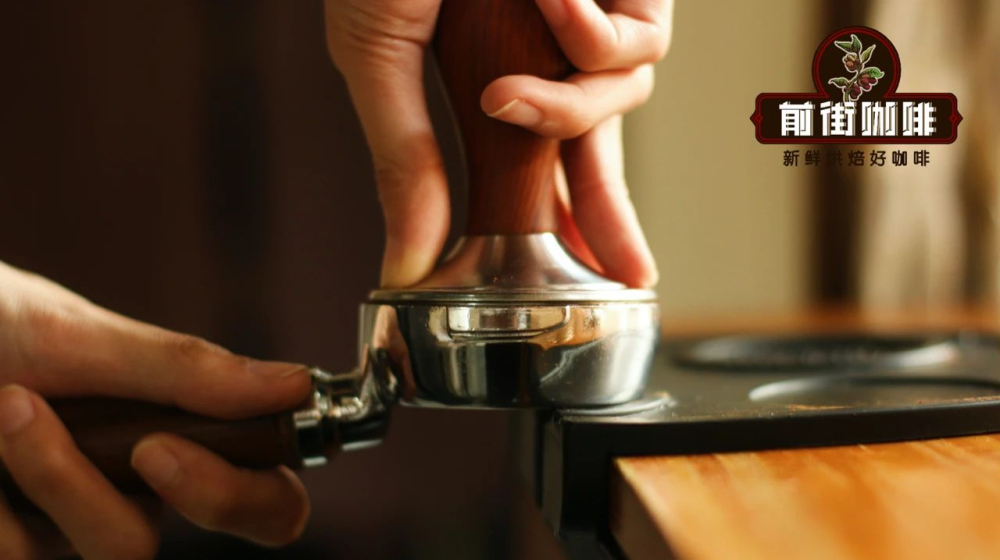
If you need to determine the grind size for making espresso, you need to continuously extract and taste to dial in the grind; Front Street's espresso extraction recipe is 20g of coffee powder extracting 40g of espresso in 28 seconds (tolerance ±1). You can refer to this extraction recipe and then fine-tune based on the flavor performance of the espresso.

Espresso grind coarseness
Steam pressure extraction / moka pot coffee grind size (grind size cannot be determined with a No. 20 sieve)
The moka pot, like the espresso machine, uses a very fine grind, but slightly coarser than the espresso machine's grind; however, it is still finer than a 0.85mm aperture, so a No. 20 sieve also cannot be used to sift and determine the grind size.
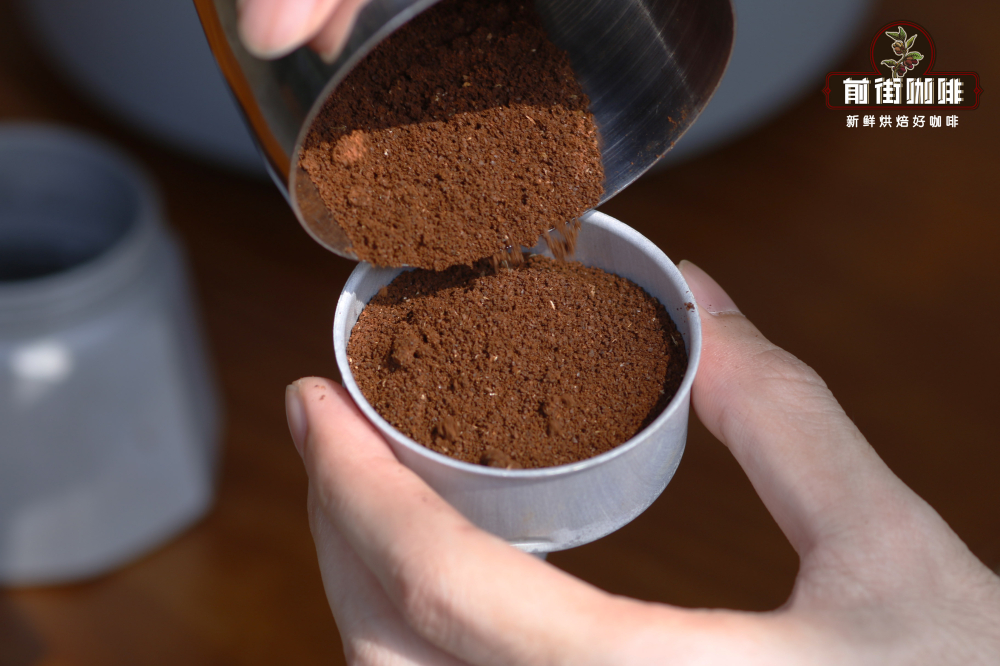
As for how fine the grind should be, you can refer to the size of the gaps in the moka pot's filter basket—just make sure the coffee particles won't pass through the gaps.
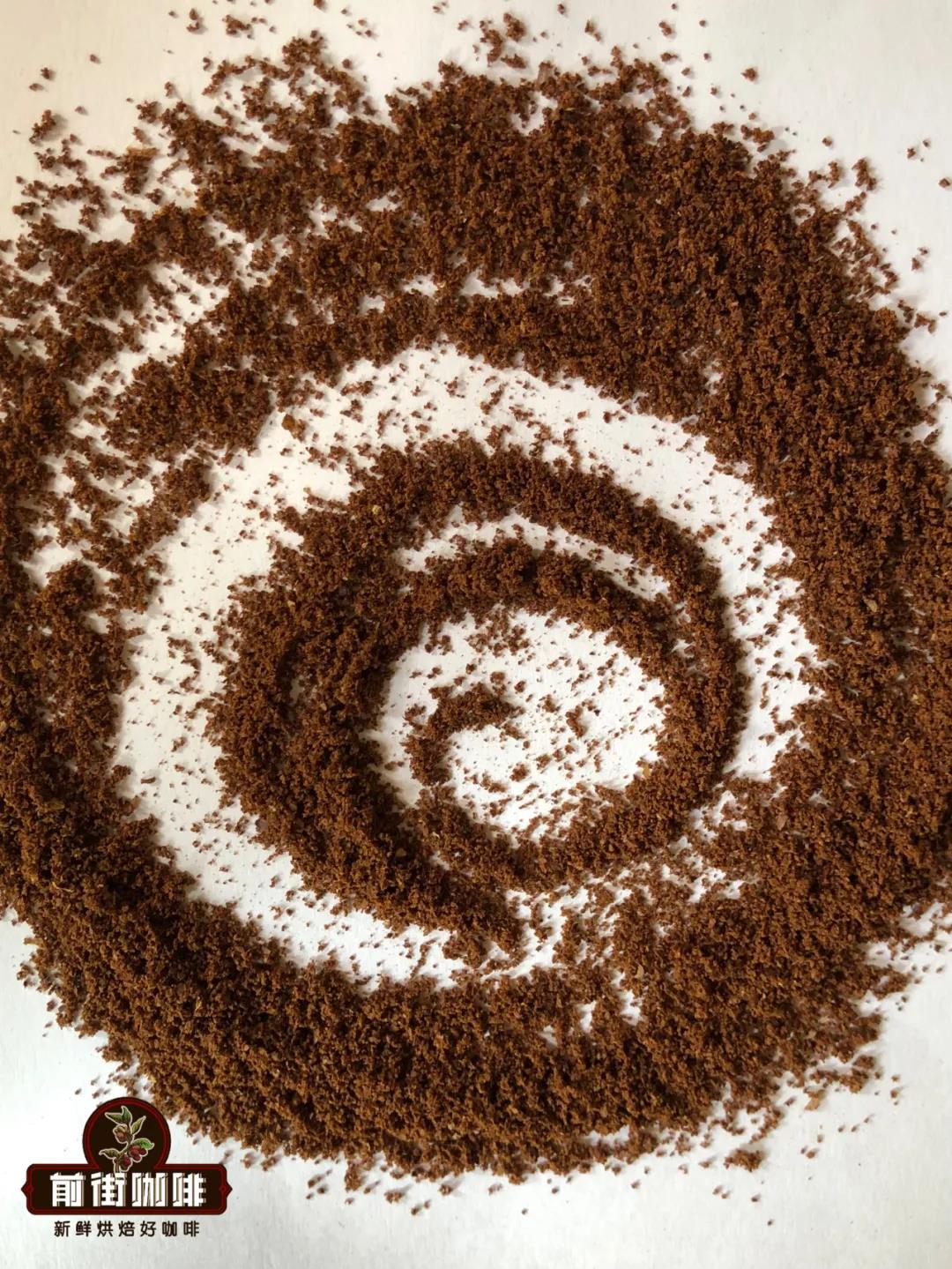
Moka pot grind coarseness
Low-temperature extraction / cold brew, ice drip coffee grind size (80–85% pass rate through a No. 20 sieve)
Low-temperature extraction differs from high-temperature extraction: in an ice-water mixture/refrigerated environment, coffee's extraction efficiency is very low, so the release rate of flavor compounds from the coffee powder slows down, and the production time is also very long. The advantage of low-temperature extraction is that it fully extracts sweet and sour compounds while reducing the extraction of bitter and astringent compounds.
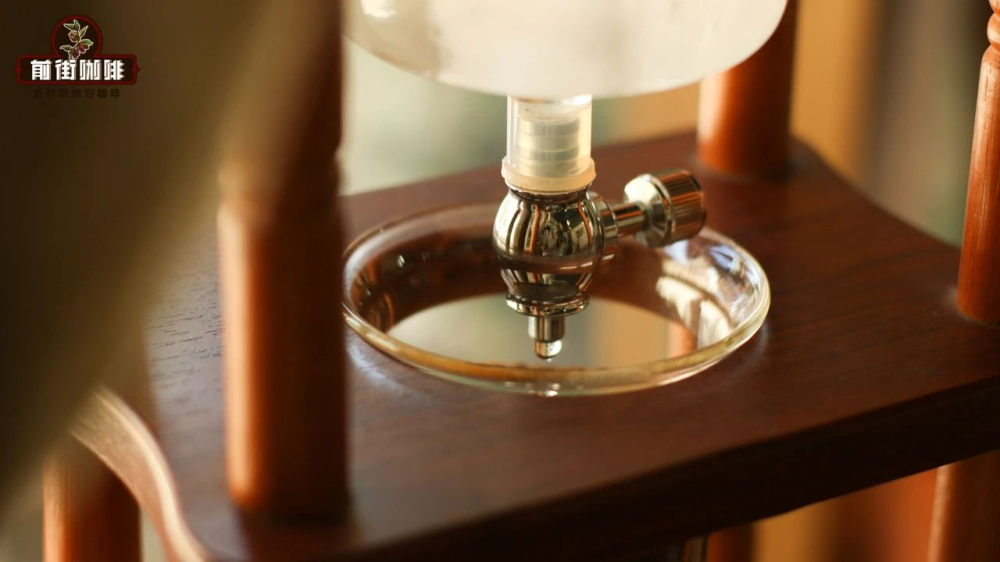
Because the extraction speed is slow, the coffee grind can be on the finer side, but not too fine. Front Street recommends a grind size of 80–85% pass rate through a No. 20 sieve for making cold brew/ice drip coffee; if you want it richer, choose an 85% pass rate, and if you want it more refreshing, choose an 80% pass rate.
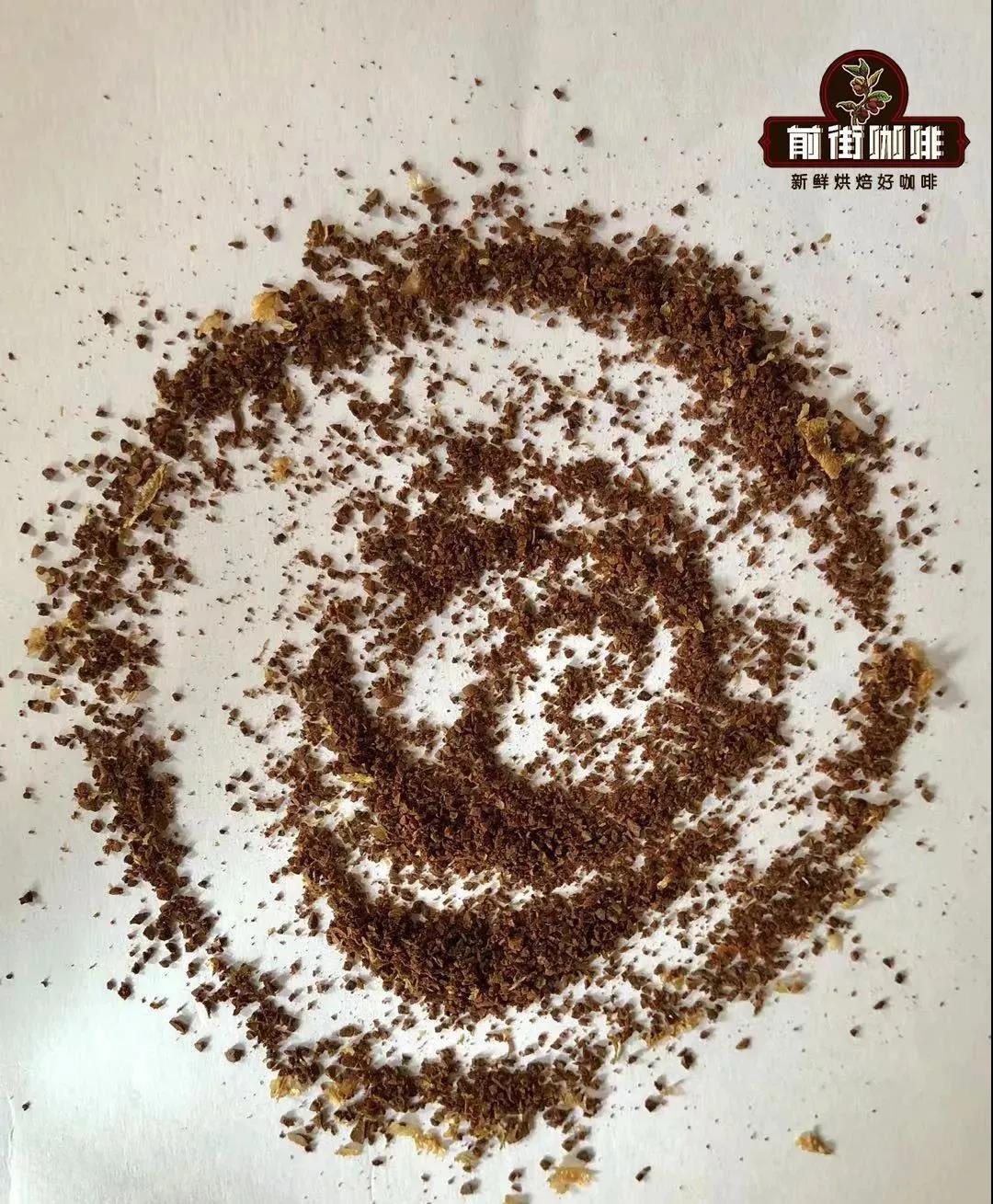
80–85% pass rate coarseness
Immersion extraction / French press grind size (68–75% pass rate through a No. 20 sieve)
The French press uses immersion for coffee extraction, with a longer steeping time (4 minutes), and its filter mesh is dense, so the grind needs to be coarser—this reduces over-extraction and better filters out coffee particles.

Coffee beans of different roast levels require different grind coarseness. Front Street recommends a grind coarseness of 70–75% pass rate through a No. 20 sieve for light-medium to medium roasted coffee beans; and 65–70% pass rate through a No. 20 sieve for medium-dark roasted coffee beans.
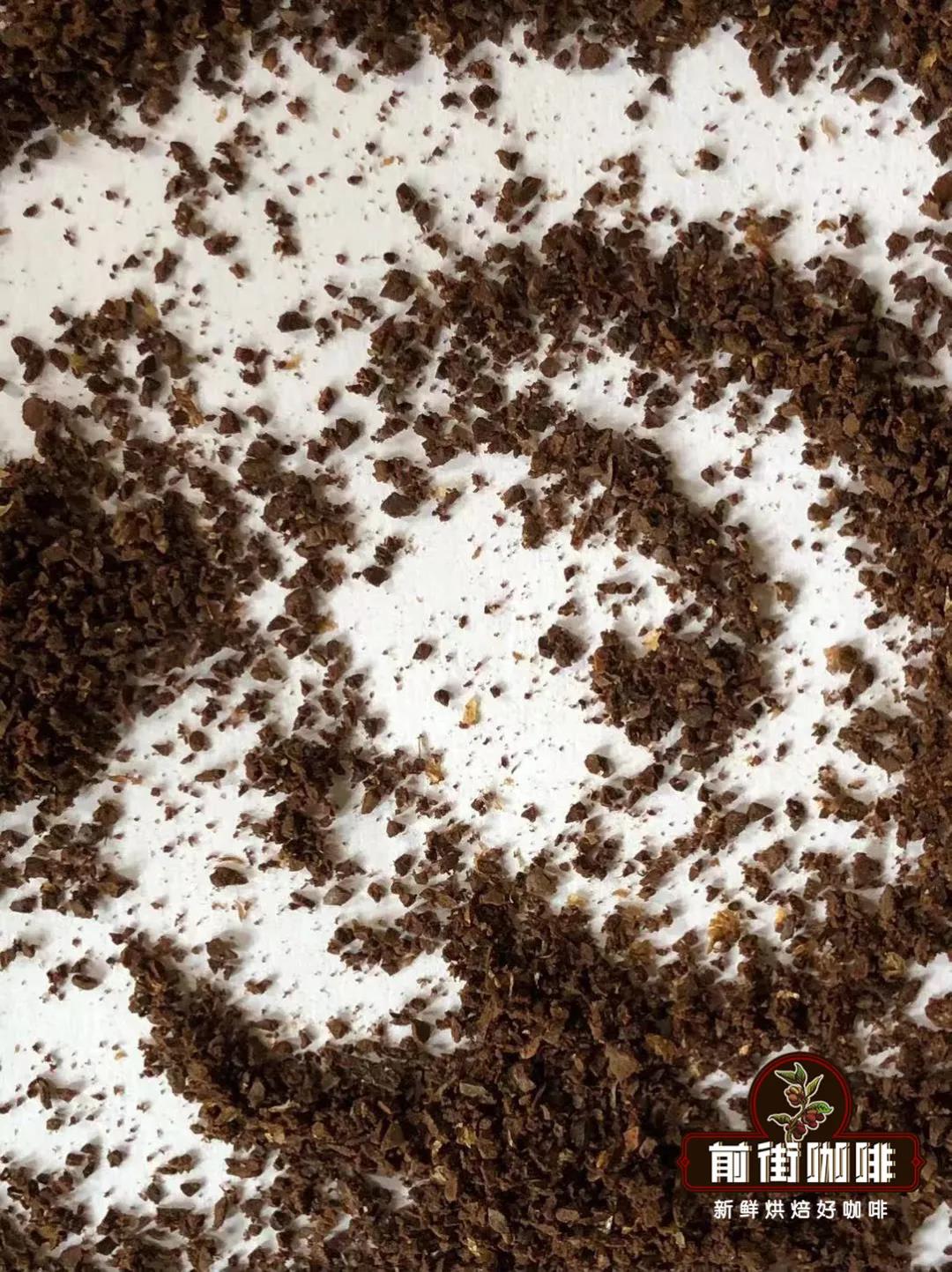
65–70% pass rate coarseness
Front Street Coffee (FrontStreet Coffee)—Further Reading
No. 20 Chinese standard sieve: A sieve is a tool used to classify and test the particle size of substances; any standard sieve that meets factory standards is accurate. The sieve's aperture is 0.85mm.
Calibrating coffee grind is also very simple to do:
Pour the ground coffee powder into the sieve, cover with the lid, and shake horizontally;
Shake until no more particles fall through, then weigh the particles that passed through the sieve.
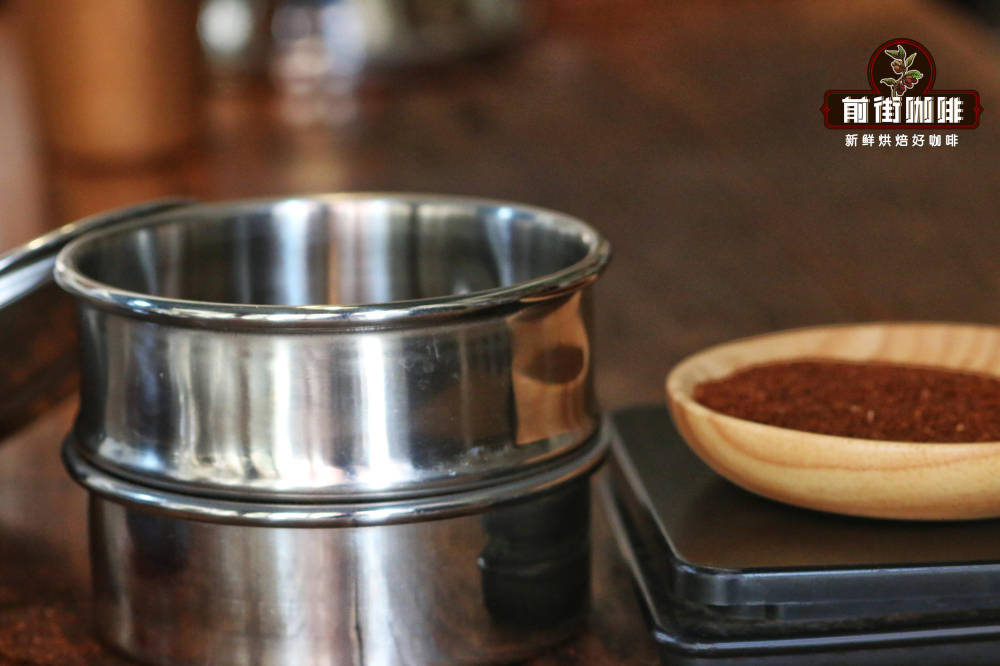
The result is the coarseness of the coffee bean grind. A simple example: grind and weigh 10g of coffee powder; if the weight of coffee powder that passes through the sieve is 7.5–8g, then this grind size is a 75–80% pass rate through a No. 20 sieve. The finer the coffee particles, the higher the pass rate; the coarser the coffee particles, the lower the pass rate.
For more coffee bean information, please follow Coffee Workshop (WeChat public account: cafe_style)
For professional coffee knowledge exchange, please add WeChat ID: qjcoffeex
The above content is compiled by CoffeeHunters, a coffee news website.


