







How does coffee grind size change across brewing devices?
Grind size decides how a coffee tastes, and each device needs its own setting. A siphon works fast at high water temperature, so a medium-fine grind close to fine granulated sugar is usual, one notch finer than pour-over, with 12 to 15 grams per 120 milliliters of water. Cold drip, French press, and cold brew all use coarser settings suited to their slower contact times.
The logic is contact area and time: finer grounds pack the bed tighter, slow the flow, and raise extraction yield, while coarser grounds do the opposite. Dark roasts can go slightly coarser with less coffee, light roasts slightly finer with more. The same size of a coffee bean, once ground, behaves differently in every setup.
In coffee brewing, grind size is the key variable that determines the flavor direction. The same coffee beans used in a siphon, cold drip, French press, or cold brew require different particle sizes and doses due to different extraction principles. This article systematically sorts out the coarseness standards and dosage recommendations for siphon coffee grounds, and compares the grind size reference ranges for cold drip, French press, and cold brew, helping you find the flavor balance point among different devices. It also includes practical recommendations from Front Street Coffee, so both beginners and advanced enthusiasts can find reliable parameter references.
There are many types of coffee devices, and switching to a different brewing setup with the same beans often produces very different final flavors. For this reason, there are actually many paths to a good cup of coffee. But no matter which device you choose, there is one step you cannot avoid—grinding the coffee beans into grounds before extraction. The reason is simple: only after grinding can the aroma and flavor substances inside the beans be released efficiently.
As for how fine to grind, it depends on the extraction logic of the specific device. Different brewing methods do not have uniform requirements for particle size, and this directly relates to the contact area and duration between water and coffee grounds.
First, let's look at the siphon. This device completes extraction using the pressure difference between the upper and lower chambers, with a relatively short total immersion time and a higher water temperature. To fully extract flavor within a limited time while avoiding the bitterness caused by over-extraction, a medium-fine grind is usually recommended for the siphon—the particles feel close to fine granulated sugar, one notch finer than pour-over. As for dose, a common ratio is 12 to 15 grams of coffee grounds per cup (about 120 milliliters of water), which can be fine-tuned according to the roast level of the beans: dark-roasted beans can be slightly coarser and reduced in amount, while light-roasted beans can be slightly finer and increased in amount.
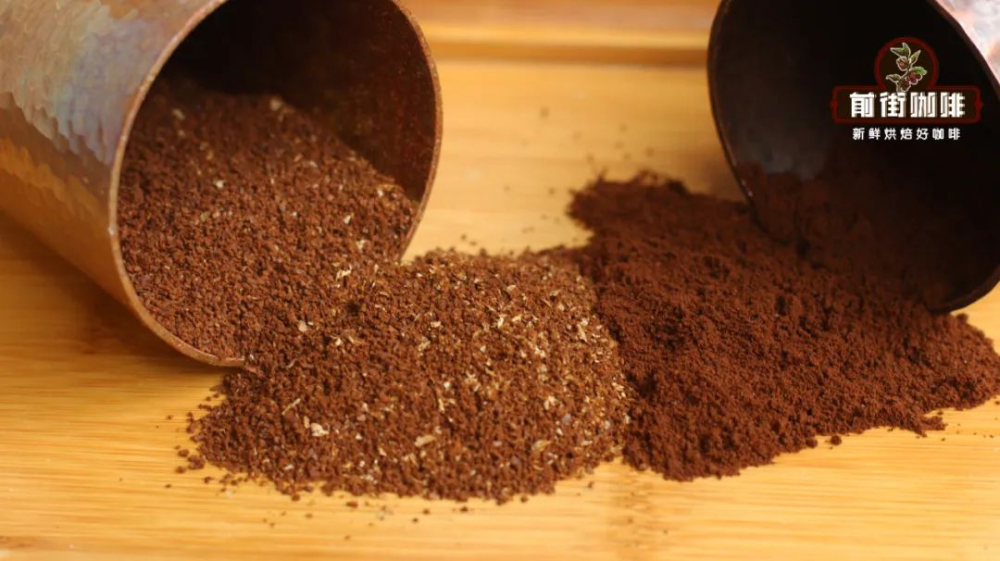
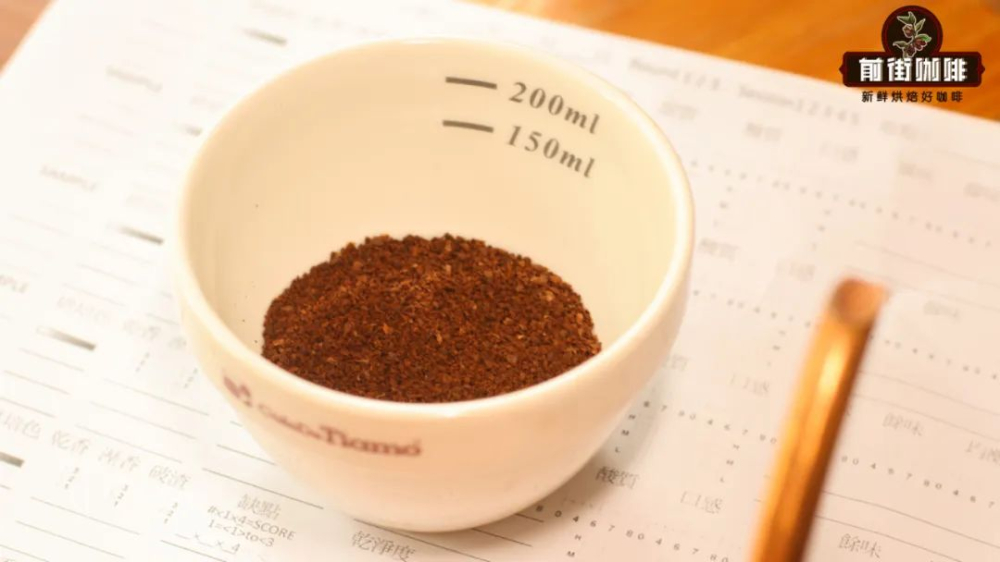
Next, let's look at cold drip. Cold drip is a long low-temperature extraction, with water dripping slowly through the coffee bed, so a medium-fine grind is needed to increase the contact area; otherwise, it is easy to under-extract and produce a thin flavor. Generally, the particles are recommended to be a bit finer than for siphon, close to the range between fine granulated sugar and table salt. For the coffee-to-water ratio, the commonly used range is between 1:10 and 1:12, depending on the desired strength.
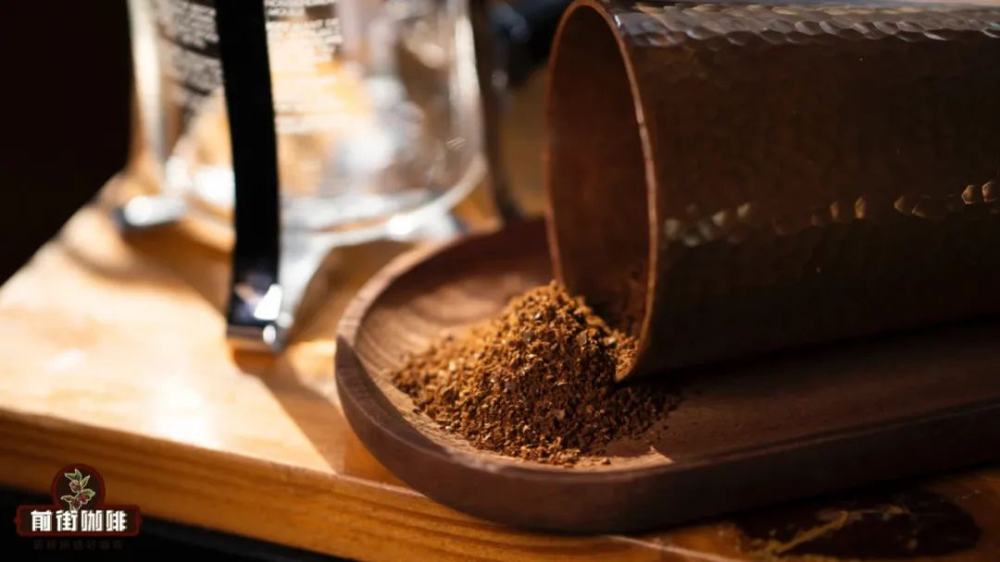
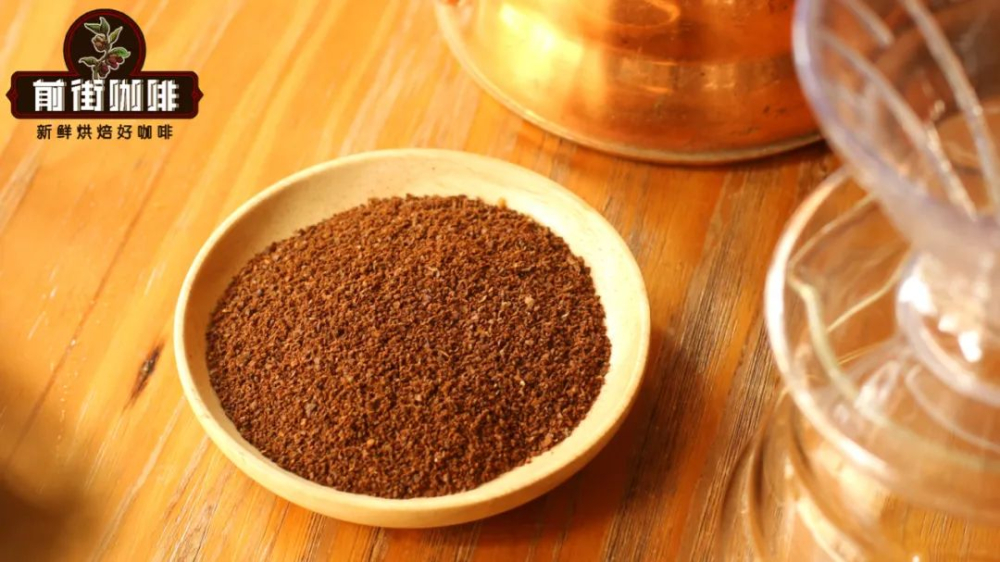
The French press is the opposite. It uses full-immersion extraction, and the metal filter mesh has a relatively large pore size. If the grind is too fine, fine particles can easily pass through the filter into the cup, bringing a murky mouthfeel and a bitter finish. Therefore, the French press is suitable for a medium-coarse grind, with a particle feel similar to coarse granulated sugar or sea salt. The immersion time is usually 4 minutes, and the recommended coffee-to-water ratio is about 1:15.

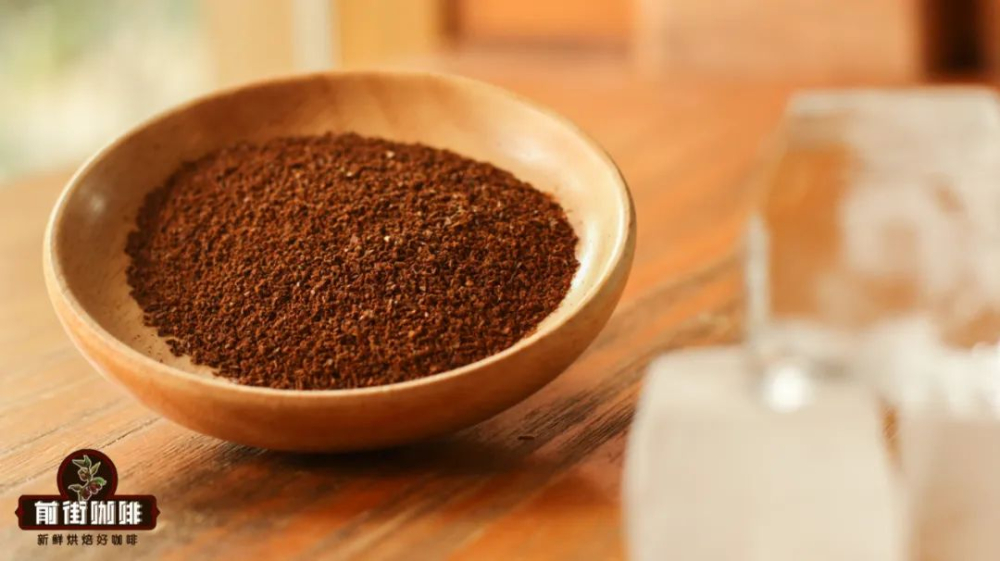
Cold brew has the longest extraction time, often 8 to 12 hours, or even longer. Because the immersion time is long, the grind should not be too fine, otherwise off-flavors and bitterness will be over-extracted. Cold brew generally uses a medium-coarse grind, close to that for a French press, or even coarser. The recommended coffee-to-water ratio is between 1:8 and 1:12, and before drinking, dilute with water or milk according to personal preference.
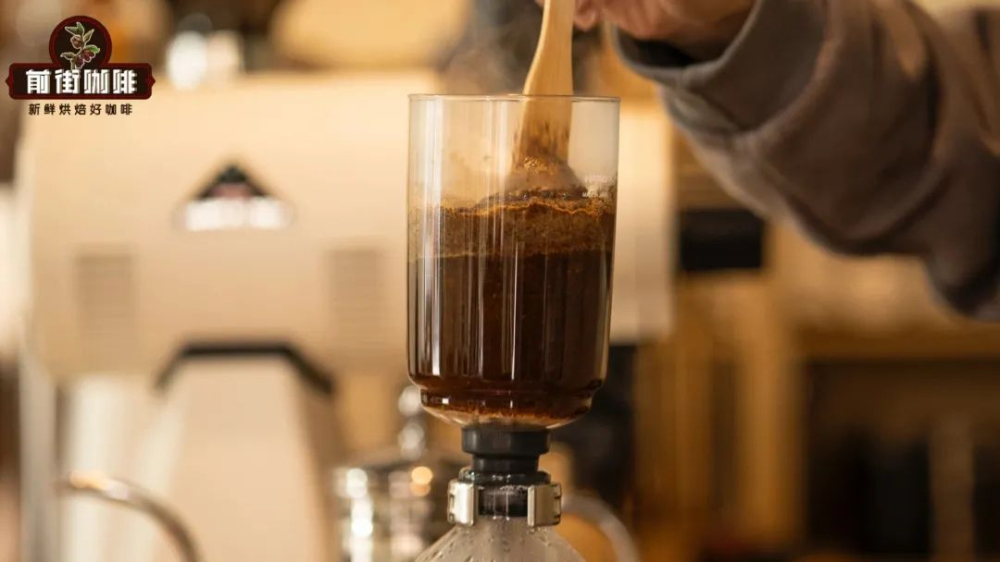
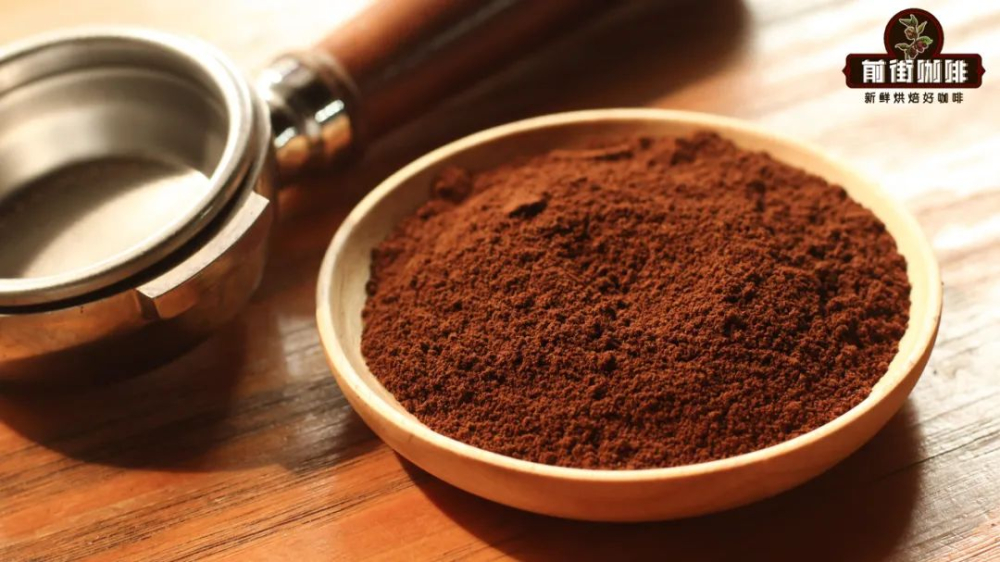
In addition to grind size, the dose also needs to be adjusted flexibly according to the device capacity and taste preference. For example, when Front Street Coffee beans are used in a siphon, the official recommendation is to use about 13 grams per cup, with the grind set to medium-fine; if switched to cold drip, it is recommended to adjust the grind half a notch finer and increase the dose to 10 grams of grounds per 100 milliliters of water. Although these details are small, they directly affect the final flavor performance in the cup.
Overall, although the siphon, cold drip, French press, and cold brew all rely on contact between water and coffee grounds, their respective extraction mechanisms determine the differences in grind size and dosage. Mastering these parameter ranges, and then fine-tuning them according to the roast level and freshness of the specific beans, will allow you to consistently reproduce a satisfying cup of coffee.
The above content is compiled by CoffeeHunters, a coffee news website.


