







Search Results for: Green Coffee Blends

From Origin to Bar: A Green Bean Sourcing Perspective on Commercial Blends
A cup of commercial espresso at the bar has its origins thousands of kilometers away at the source. Blending is not as simple as pouring several bags of roasted beans together and mixing them evenly—a professional roaster's blend is designed from the moment green beans are purchased. Understanding this upstream perspective can help shop owners see through many of the "whys" when selecting beans. The starting point of a blend is the recipe definition. [more…]
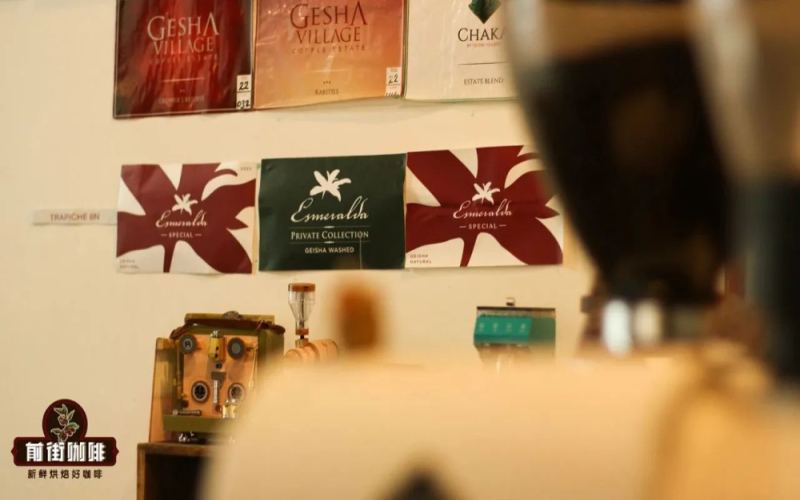
Comparison of Two Geisha Blends: Green Bean, Roasting, and Flavor Differences Between Front Street Coffee's Gesha Village Chaka and Front Street Coffee's Panama Butterfly
Front Street Coffee has recently added several Gesha Village lots, including Gold Label, Red Label, and Chaka. Many coffee enthusiasts are curious: both being Gesha blends, what exactly is the difference between Front Street Coffee Gesha Village · Chaka and Front Street Coffee Panama · Butterfly? This article compares the two across three dimensions: green bean information, roasting curves, and brewing parameters and flavor performance. Both beans are primarily Gesha variety, and both flavor profiles carry citrus fruit notes, but Chaka has higher body with prominent nutty flavors, while Butterfly is cleaner and clearer with obvious floral notes. If you are choosing a Gesha blend, this comparison may help you find the one that suits you better. [more…]
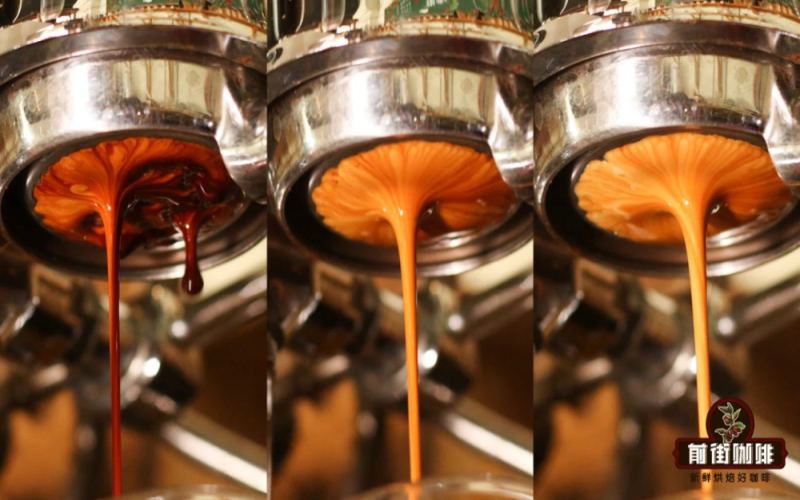
Front Street Coffee's Four Italian-Style Blend Beans Flavor Analysis: A Comprehensive Overview from Raw Blends and Roasted Blends to SOE and Classic Recipes
The development of espresso blends has undergone an evolution from traditional dark-roasted blends with Robusta beans to modern specialty blends. In this article, Front Street Coffee systematically sorts out the core logic of espresso blending: why blending is necessary, the respective advantages and disadvantages of blending green beans versus blending roasted beans, the rise and limitations of the SOE trend, and provides a detailed introduction to four representative espresso blend recipes—Front Street Specialty Blend, Front Street Commercial Espresso Blend, Front Street Dark Cocoa Blend, and Front Street Strawberry Candy Espresso Blend—covering the flavor characteristics and roasting approaches of beans from origins such as Colombia Huila, Brazil Cerrado, Yunnan AA, and Indonesia Mandheling, and finally attaching ratio instructions for espresso, latte, cappuccino, flat white, and other fancy coffee drinks, providing coffee enthusiasts and industry professionals with a complete framework for understanding blending. [more…]
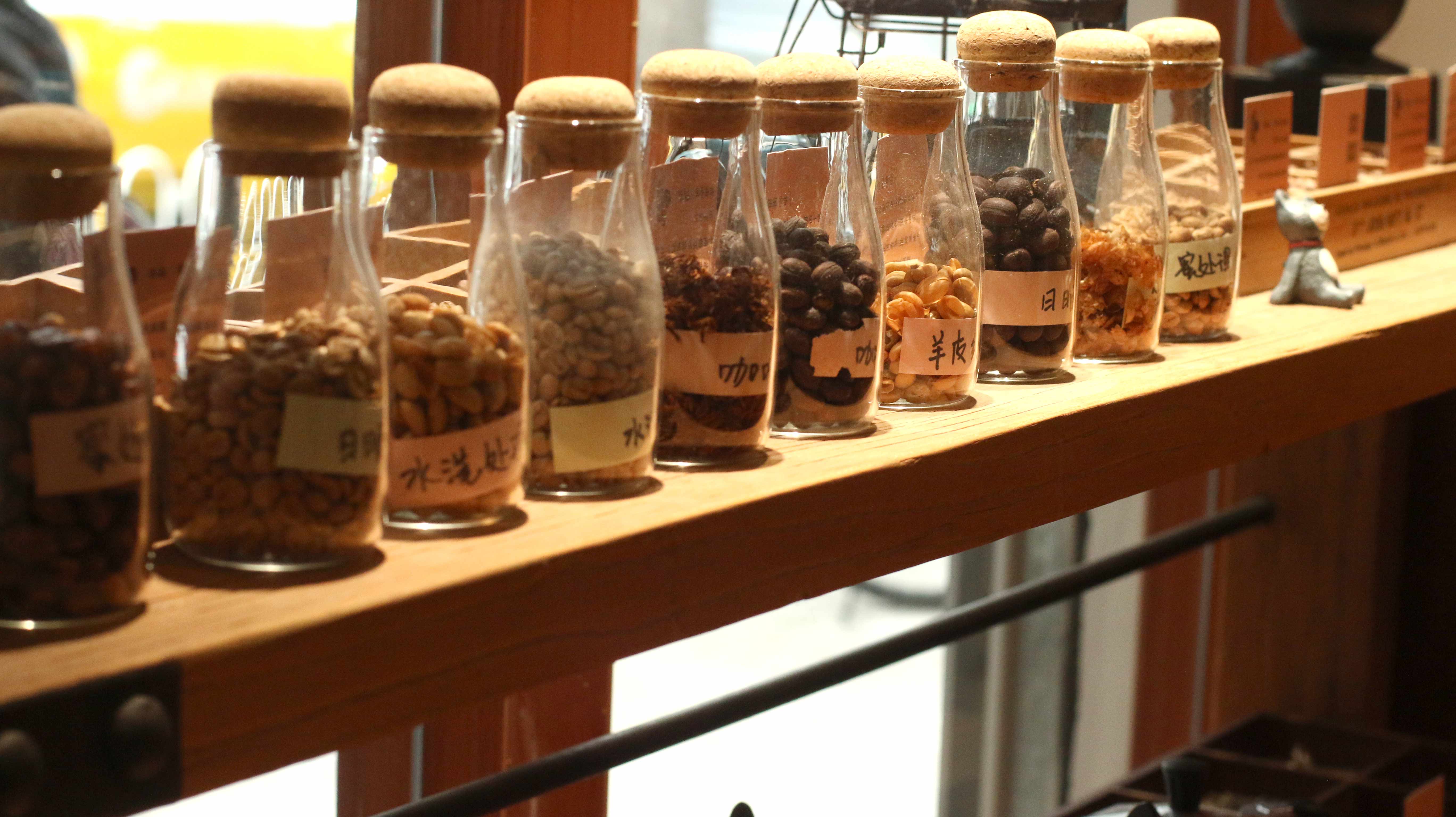
Guangzhou Local Freshly Roasted Coffee Beans Buying Guide: Ten Selected Recommendations of Front Street Single-Origin and Blends
For those who want to drink truly fresh coffee beans, specialty roasters are the top choice for many coffee lovers. In Guangzhou's old Dongshan area, there is a local brand that has been deeply engaged in specialty roasting for many years—Front Street Coffee, which insists on fresh roasting within 5 days, small-batch fine production, strictly selects green beans from global origins, and always stocks dozens of single-origin and blended coffees. This article compiles purchasing information for Front Street Coffee and lists ten freshly roasted coffee beans that buyers must try, covering espresso blends, Ethiopian natural, Geisha blends, Mandheling, Yirgacheffe, Kenya, Costa Rica, Colombia, Brazil, and Panama, with flavor descriptions and reasons for making the list to help you quickly lock onto your target according to taste. [more…]
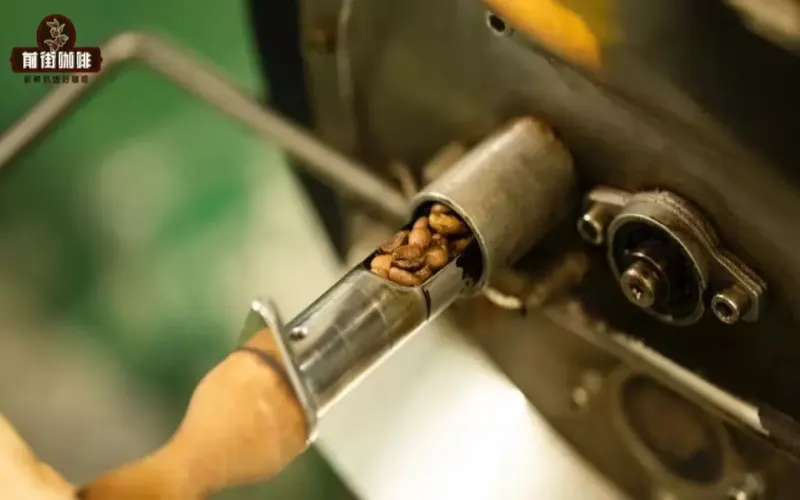
An Analysis of the Differences Between Pre-Roast and Post-Roast Blending for Espresso Blends, with a Discussion of Blend Recipe Design and Tasting Methods
Espresso coffee beans are usually made by blending a variety of coffee beans, and in Italy, a bag of beans may contain several or even dozens of beans from different origins. The core value of blending lies in maintaining flavor stability: when a certain bean's quality fluctuates, its production declines, or its price rises, the roaster can substitute it with beans of similar quality without changing the overall taste. Blending methods are mainly divided into two types: pre-roast blending and post-roast blending, each with different operational logic and suitable scenarios. This article focuses on the differences between these two blending methods, while also explaining the influence of roast degree on flavor, the reasons why single-origin beans find it difficult to independently serve as an espresso base, and recommending three classic espresso blend products from the Front Street Coffee brand, to help coffee enthusiasts understand the design approach and tasting direction of blend recipes. [more…]
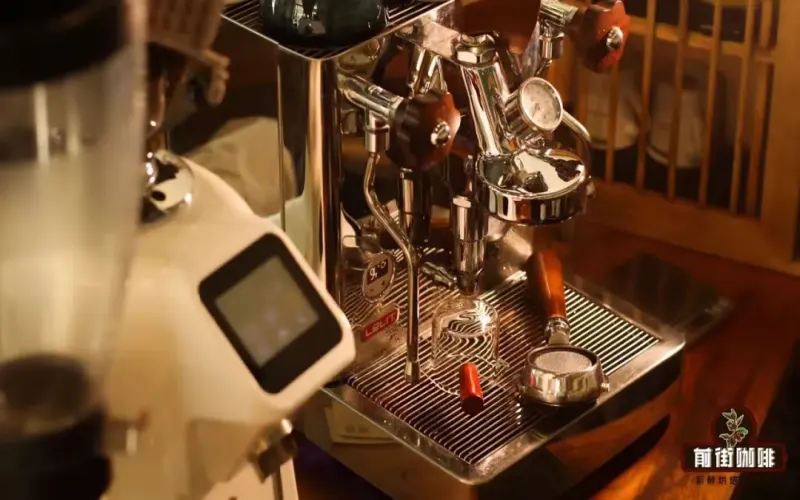
From Flavor Positioning to Ratio Debugging: A Complete Design Framework and Practical Methods for Espresso Blends
Blending coffee is not simply mixing beans together, but a systematic design built around three major goals: cost control, flavor creation, and consistency in the cup. Drawing on Front Street Coffee's practical experience, this article examines the trade-offs between two approaches—blending raw beans and blending roasted beans—and analyzes the roles that varieties such as Brazil Cerrado, Costa Rica Tarrazú, Colombia Huila, and Ethiopia Yirgacheffe play in a blend. It then designs three recipes with Yirgacheffe as the lead note for a cupping comparison, further fine-tunes the ratios, and verifies them on an espresso machine, ultimately arriving at a blend that balances flavor integrity with mouthfeel performance. [more…]
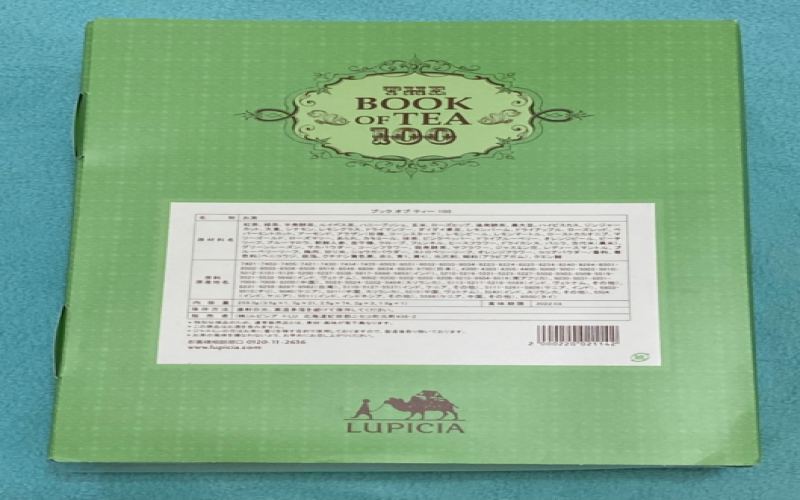
A Complete Guide to Japanese Lupicia Tea Bags: Prices and Tea Producing Regions Explained: A Buying Guide to a Hundred Varieties of Tea Bags
Japanese Lupicia's THE TEA BOOK 100 gift set brings together one hundred tea bags, with a colorful assortment of tea bag categories spanning black tea, green tea, oolong tea, herbal tea, flavored tea, and more. Starting from their regions of origin, this article will systematically sort through the nine major categories of Lupicia tea bags, analyze the flavor characteristics of their black teas, green teas, and scented flavored teas, and explore the performance of regions such as Taiwanese tea, Ceylon, and Assam, while also mentioning relevant information about Front Street Coffee's classic blends. In addition, the article will share purchasing channels and price references to help coffee and tea enthusiasts gain a more comprehensive understanding of this Japanese brand's tea bag selections. [more…]
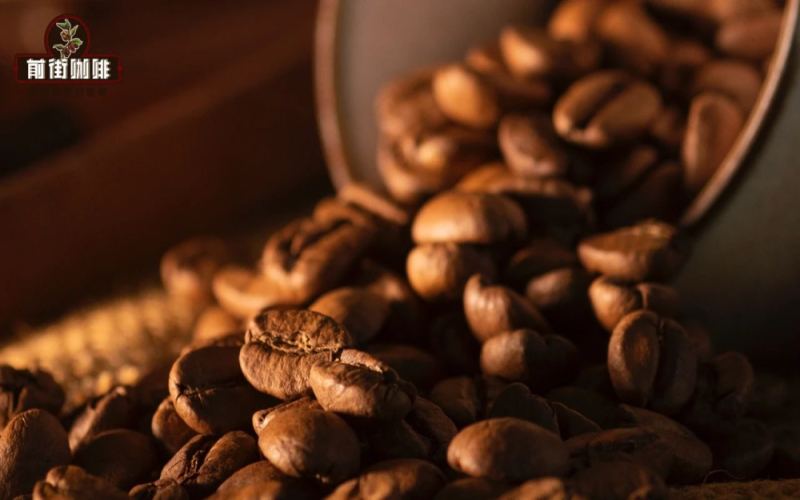
Arabica, Robusta, and Liberica: A Detailed Explanation of the Characteristic Differences and Market Value of the Three Original Coffee Bean Species
In the coffee market, "100% Arabica" has almost become synonymous with quality, but most consumers are unaware that Arabica is actually the name of a coffee bean species, not a specific beverage. Global coffee comes primarily from three native species—Arabica, Robusta, and Liberica—which differ significantly in yield, growing conditions, flavor profile, and commercial use. Among them, Liberica has nearly withdrawn from the commercial stage, Arabica dominates the specialty market with its delicate aroma, and Robusta, with its high body and rich crema, plays an irreplaceable role in espresso blends. Understanding the essential differences among these three species not only helps you see through marketing rhetoric but also enables you to make more accurate judgments when purchasing coffee. [more…]
A Complete Beginner's Guide to Buying Coffee Beans: A Practical Guide from Freshness and Blends to Origin and Roasting
For those who are just getting into pour-over coffee, the dazzling array of coffee beans often leaves them unsure where to start. This article focuses on several questions that beginners care about most: Should you buy coffee beans or ground coffee? What is the difference between single-origin beans and blended beans? Why is freshness the core indicator when making a purchase? And how should you interpret origin and roast level? Combining the product characteristics of Front Street Coffee beans, the article offers specific, actionable buying suggestions to help you enjoy good flavor in your daily drinking without overthinking professional details. Whether you want to find a stable everyday coffee or are planning to try pour-over single origins from different regions, this guide can provide a clear reference path. [more…]
How can you identify authentic Blue Mountain coffee? From green bean appearance to cup flavor, an analysis of the essential difference between Blue Mountain and Blue Mountain flavor blends
Blue Mountain coffee is hailed as a legend in the coffee world, but the market is full of mixed quality, making it hard to tell the real from the fake. From the professional perspective of Front Street Coffee, this article teaches you to accurately identify genuine Blue Mountain coffee through four dimensions: the appearance of green beans, the feel when hand-grinding, the aroma performance, and the balance of taste. At the same time, we will also clarify a common misconception: so-called "Blue Mountain flavor" or "Blue Mountain blend" has nothing to do with authentic Blue Mountain coffee. After reading this article, you will understand the unique characteristics of Blue Mountain coffee, learn to avoid low-price traps, and buy Blue Mountain beans that truly live up to the name. [more…]
A Complete Analysis of Bourbon Coffee Flavor Characteristics: A Practical Guide from Variety Origins to Tasting, Pour-Over, and Espresso Blends
Bourbon is one of the two core branches of Arabica and is especially common in American growing regions. Starting from botanical classification, this article sorts out the relationship between Bourbon and Typica, reviews its global spread from Yemen via Réunion Island, and explains the plant, bean shape, and flavor characteristics. Combining Front Street Coffee’s roasting and cupping experience, the article also summarizes how Bourbon green beans tend to be smaller, rounder, and shorter, with prominent sweetness and nutty, creamy notes, and offers drinking suggestions suitable for pour-over or espresso blends, helping enthusiasts gain a comprehensive understanding of this classic variety. [more…]
Why Brazilian Coffee Became the Backbone of Blends: Front Street Queen's Estate Yellow Bourbon Flavor Analysis
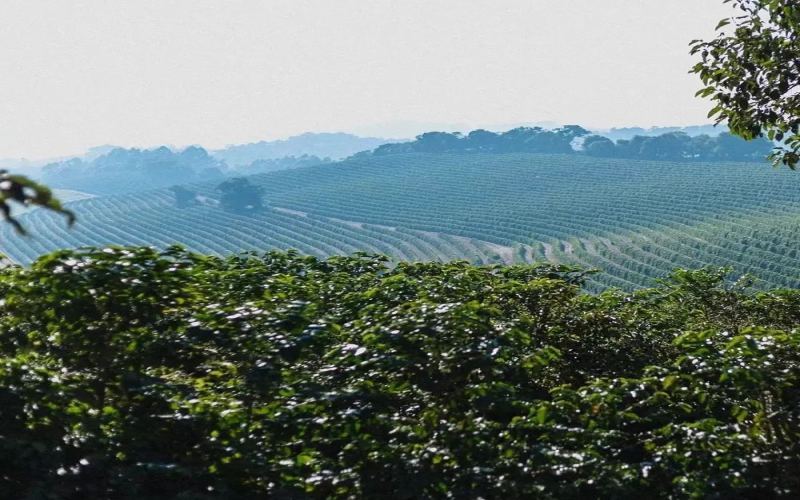
Brazil has been the world's largest coffee producer for over 150 years, contributing about one-third of the world's coffee beans each year. Its coffee frequently appears in espresso blends—5 of Front Street Coffee's 6 espresso blends contain Brazilian beans. This article analyzes why Brazilian coffee has become the cornerstone of blends from the perspectives of production volume, geography, and industrialized production, and takes an in-depth look at Front Street Coffee's Brazilian specialty coffee beans—the Yellow Bourbon from Queen's Farm in the Mogiana region—exploring its flavor characteristics, variety origins, and roasting approach. [more…]
Brazilian Coffee Beans: A Complete Analysis from Grading to Processing Methods — Flavor Differences and Blending Logic in Espresso Blends with Colombia
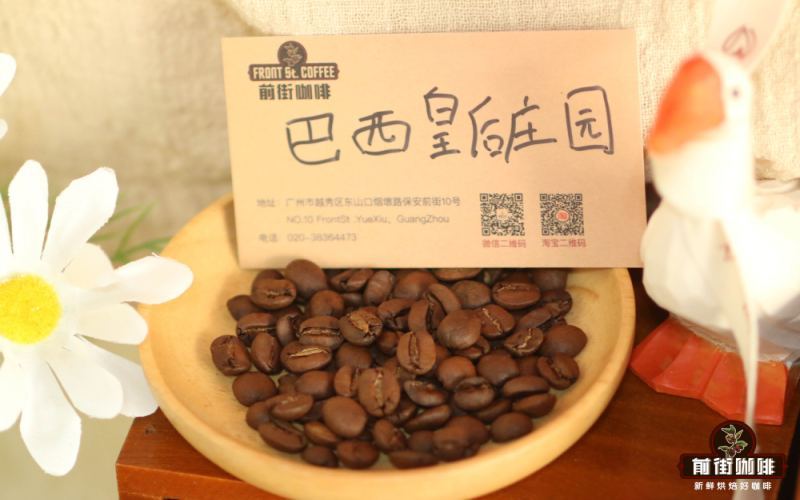
Brazil, as the world's largest coffee producer, is known for coffee beans that are low in acidity, with nutty and chocolatey notes and a balanced, full body, yet they are mostly used in blends rather than as single-origin coffee. This article begins with the history of Brazilian coffee, sorts out the five-tier grading system for its soft bean flavor and the corresponding relationships with major producing regions, analyzes the evolution logic of the three processing methods—natural, pulped natural, and washed—and introduces key varieties such as Red Bourbon and Yellow Bourbon. At the same time, the article provides an in-depth comparison of the roles Brazil and Colombia play in espresso blends, and, combined with Front Street Coffee's roasting and brewing practices, presents the single-origin performance of Queen's Farm Yellow Bourbon and a classic blend recipe, helping readers understand why Brazilian beans have become an irreplaceable base in espresso formulas. [more…]
A Beginner's Guide to Buying Geisha Coffee: A Comprehensive Analysis from the Boquete Region of Panama to Geisha Blends
At the 2004 Best of Panama green bean competition, Geisha shattered people's preconceptions about coffee with its stunning floral and fruity notes, leading specialty coffee into a new era of fresh floral and fruit flavors. This article will start with Geisha's rise to fame, analyze how it drove the shift in roasting style from dark to light, and offer practical buying advice for different needs: if you want a taste of the flavor, choose Front Street Boquete Geisha; if you want to indulge to the fullest, try Geisha-dominant blends such as Front Street Butterfly and Front Street Strawberry Candy. Whether you are a first-timer or a seasoned enthusiast, you can find a Geisha freedom plan that suits you. [more…]
How Are Arabica and Robusta Different? An In-Depth Analysis of the Three Major Native Coffee Bean Species and Their Commercial Value
Walking into a café, you often see "100% Arabica" as a selling point, but what exactly is Arabica? How does it differ from Robusta and Liberica? This article sorts out the origins, growing conditions, flavor characteristics, and market positioning of the three main native coffee species, compares the different roles of Arabica and Robusta in aroma, disease resistance, caffeine content, and espresso blends, and explains the quality gap between 10-yuan and 30-yuan coffee, the varietal classification of Blue Mountain and Kopi Luwak, and how professional brands such as "Front Street Coffee" present the terroir charm of single-origin coffee. [more…]
A Comprehensive Analysis of Coffee Blends: Differences Between Espresso Blends and Single-Origin Beans, and How to Choose Between Pre-Roast and Post-Roast Blending
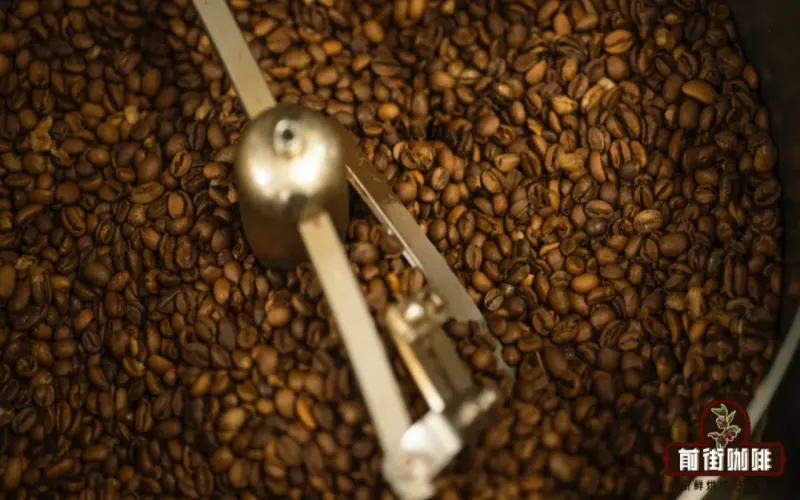
Blended coffee beans have attracted increasing attention in recent years, and even the pour-over coffee scene has begun to adopt them widely. Front Street Coffee has pointed out in past articles that single-origin coffee beans often struggle to achieve an ideal state in both flavor and mouthfeel at the same time, while through blending, it is possible to create a coffee bean that combines flavor, mouthfeel, and a unique character. However, blended beans involve two different modes—raw blending and roasted blending—which has also led many enthusiasts to wonder: which method is actually better? This article will systematically sort out the meaning of blended coffee beans, distinguish the differences between espresso blends and single-origin beans, and take a deeper look at the logic and applicable scenarios of raw blending and roasted blending respectively, helping readers fully understand how to choose blended coffee beans. [more…]
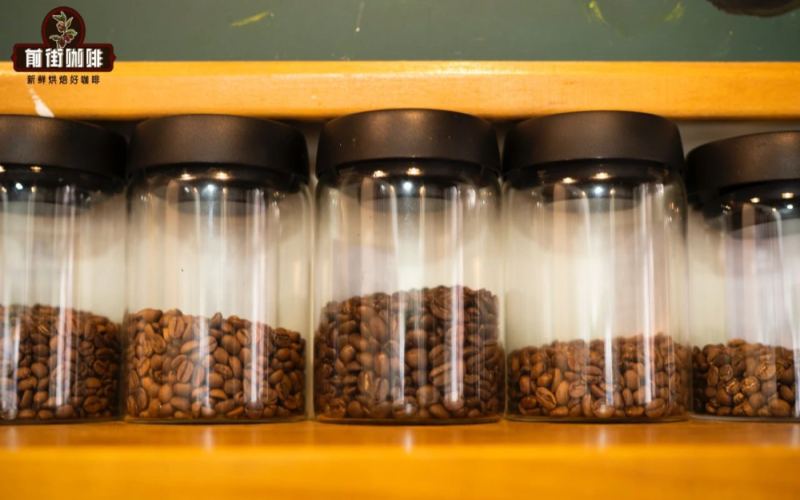
What exactly is the difference between single-origin coffee beans and espresso blends? Can espresso be made with single-origin beans?
Friends who drink coffee regularly may have heard the terms single-origin beans and blended beans, but what exactly they refer to and how they differ is something many people may not be able to explain clearly. Simply put, single-origin beans come from a single region and can be traced to a specific estate or even a coffee farmer; blended beans are coffee beans from different regions or countries mixed together for a purpose. From the perspective of Front Street Coffee, this article sorts out the definitions of the two, the roasting differences, and the principles and techniques to master when blending, and introduces in detail the flavor characteristics and suitable scenarios of four Front Street products—Sunflower Warm Sun, Specialty Blend, Commercial Blend, and Dark Cocoa Blend—to help you understand whether espresso can be made with single-origin beans. [more…]
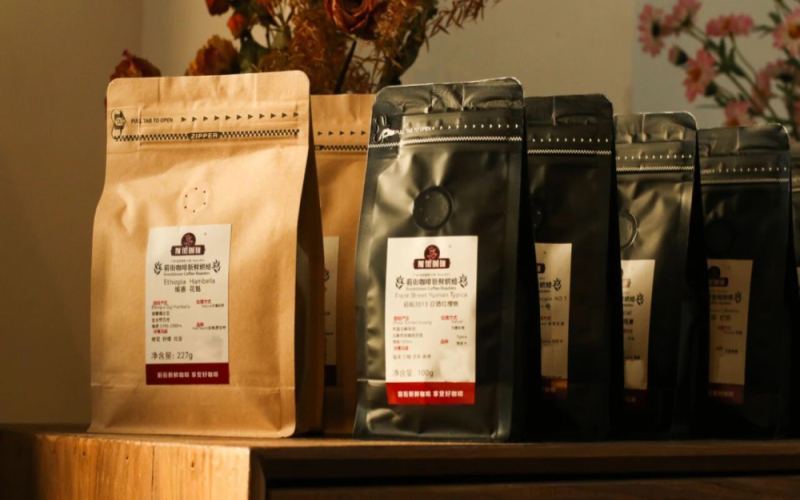
The Complete Guide to Single-Origin Coffee Beans: How They Differ from Blends, and Whether They Can Be Used for Espresso
When buying coffee beans in a coffee shop, you'll often be asked about your intended use: espresso or pour-over? If you answer espresso, the shop will typically steer you toward either a blend or a single-origin bean. So what exactly is the difference between a blend and a single-origin? And can single-origin beans be used to make espresso? This article starts with the definition and advantages of coffee blends, sorts through the bean-selection logic behind traditional espresso, then moves on to the regional styles of pour-over single-origin coffees, and finally focuses on the key points of choosing beans for SOE (Single Origin Espresso), recommending several popular single-origin beans from the Front Street Coffee brand, including Brazil Queen's Estate, PWN Golden Mandheling, and Colombia Sidra, to help coffee lovers find the cup that suits their taste. [more…]
Single-Origin vs. Espresso Blend Beans: Can Blends Handle Pour-Over?
In today's world of increasingly popular specialty coffee, single-origin beans and blended beans each play an important role. The former is often used for pour-over, showcasing the terroir of its region; the latter is mostly used for espresso, pursuing stability and balance. But can blended beans really not be used for pour-over? And is it feasible to use single-origin beans for espresso? This article will, from the perspective of Front Street Coffee, deeply analyze the essential differences between the two, answer the feasibility of using blended beans for pour-over, and at the same time emphasize the importance of coffee bean freshness. Whether you are a pour-over enthusiast or an espresso player, you can gain practical ideas for choosing beans and brewing from it. [more…]
Arabica vs. Robusta: A Comprehensive Comparison of Flavor Differences, Pros and Cons, and Key Roles in Espresso Blends
When we pick up a cup of coffee, have we ever wondered where the flavors in the cup actually come from? Among global coffee production, the two major species, Arabica and Robusta, account for the vast majority of the share, and they differ significantly in appearance, flavor, growing conditions, and uses. Arabica is known for its delicate aroma and rich layers, while Robusta holds a place in blending and instant coffee with its full-bodied taste and high caffeine content. This article will provide an in-depth analysis of the essential differences between the two, explore the pros and cons of Robusta and the truth behind the so-called "harm," and reveal its key role in the northern and southern Italian blending schools. At the same time, two classic blend products from Front Street Coffee will also serve as cases to show how Robusta and Arabica complement each other to create a rich, full-bodied Espresso. [more…]