







What is a coffee blend and how do pre- and post-roast differ?
A coffee blend combines two or more coffees to build a cup that single-origin beans often cannot match in both flavor and mouthfeel at the same time. Blends are now common in espresso and increasingly used for pour-over. The two main methods are pre-roast blending, where green beans are mixed in proportion before roasting, and post-roast blending, where each coffee is roasted separately and combined afterward.
Single-origin coffees can struggle to perform well in flavor and body simultaneously, which is why blended coffee beans have drawn more attention in recent years. Each blending method changes how the roaster manages heat and development: pre-roast blending roasts the mix together, while post-roast blending lets each component be roasted to its own profile before combining. The choice depends on the goal for taste, body and character.
Blended coffee beans have been gaining more and more attention in recent years, and even the pour-over coffee world has begun to adopt them widely. In past articles, Front Street Coffee has pointed out that single-origin coffee beans often struggle to achieve an ideal state in both flavor and mouthfeel at the same time, whereas through blending, one can create a coffee bean that combines flavor, mouthfeel, and a unique character. However, blended beans come in two different modes—pre-roast blending and post-roast blending—which has led many enthusiasts to wonder: which method is actually better? This article will systematically sort out what blended coffee beans mean, distinguish the differences between espresso blends and single-origin beans, and take a deep dive into the logic and applicable scenarios of pre-roast blending and post-roast blending, helping readers gain a comprehensive understanding of how to choose blended coffee beans.
In the article "Why Are Pour-Overs Starting to Use Blended Beans Too?", Front Street Coffee mentioned that because a single-origin coffee is hard to perform excellently in both flavor and mouthfeel at the same time, more and more people have begun applying blended beans to pour-over coffee. With the blending approach, we can create a bean that excels in both taste and mouthfeel while also having a unique character—why not do it~
However, blended coffee beans come in two modes: "pre-roast blending" and "post-roast blending," so friends often ask: for blended coffee beans, should you use pre-roast blending or post-roast blending?
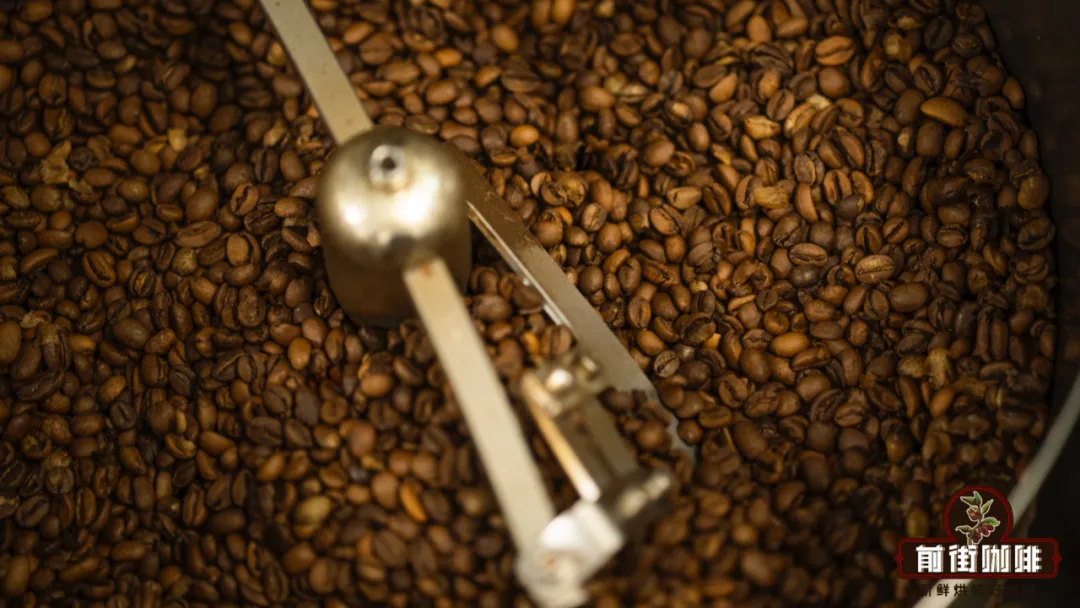
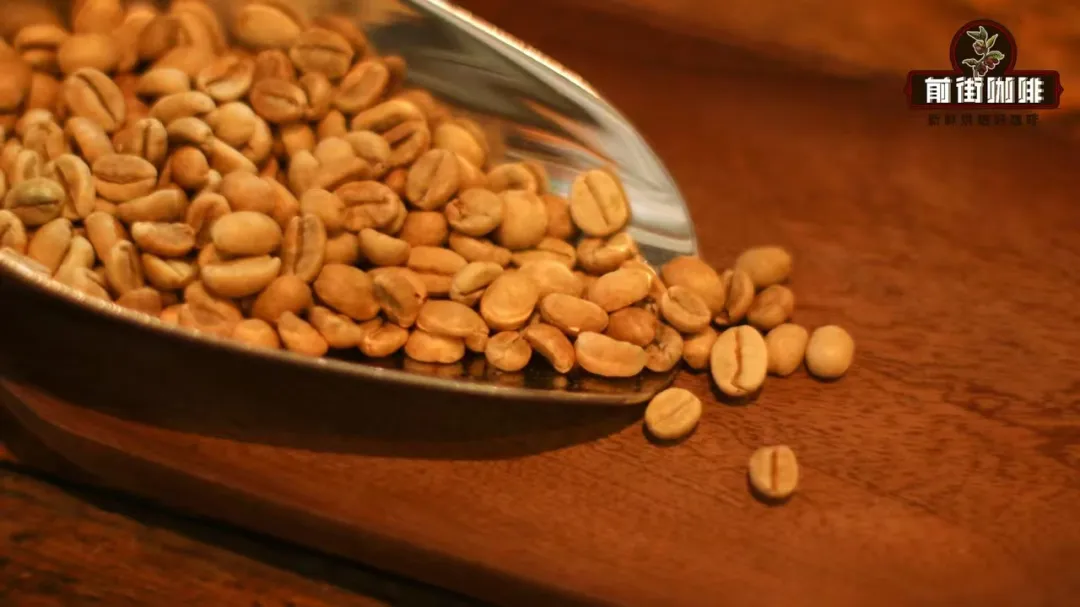
Should blended coffee beans use pre-roast blending or post-roast blending? So-called pre-roast blending means mixing the coffee beans to be blended in proportion before roasting, then putting them together into the roasting machine to roast. Since the coffee beans are all in the green bean state when blended, people call it "pre-roast blending."
Once you understand pre-roast blending, the concept of post-roast blending is easy to grasp. So-called post-roast blending means roasting the coffee beans to be blended separately, and after they are roasted into roasted beans, mixing them together in proportion. Because roasted beans are used for blending, people call it "post-roast blending."
The above content is compiled by CoffeeHunters, a coffee news website.


