







Search Results for: Green Coffee Bean Prices
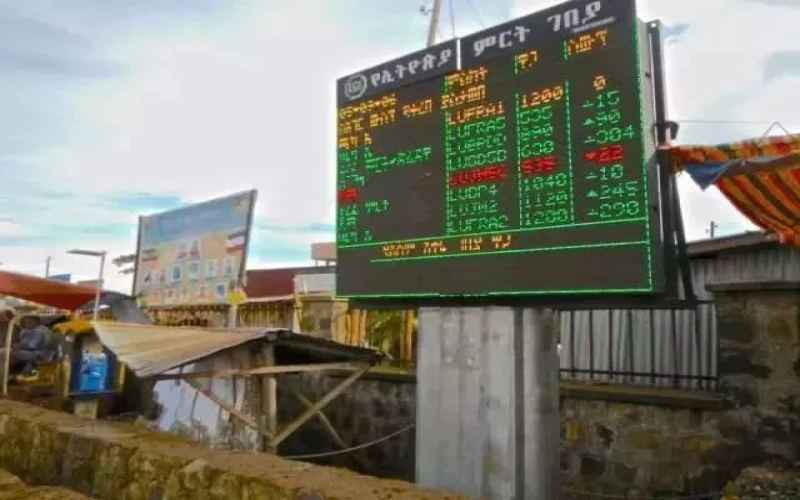
Ethiopia's Coffee Export Pricing Shifts to a Floating Mechanism, Green Bean Prices May Rise
The Ethiopia Commodity Exchange is implementing a brand-new pricing method for green coffee exports. From now on, green coffee prices will be calculated weekly by referencing Arabica futures on the New York ICE Intercontinental Exchange and the real-time exchange rate of the Commercial Bank of Ethiopia. This change is expected to allow local coffee farmers to share in more of the benefits, but it also faces a dual test from international futures volatility and the EU's EUDR regulations. The new mechanism applies only to commercial coffee beans, while specialty coffee is not included for the time being. Front Street Coffee will continue to follow developments in producing regions and bring first-hand information to enthusiasts. [more…]
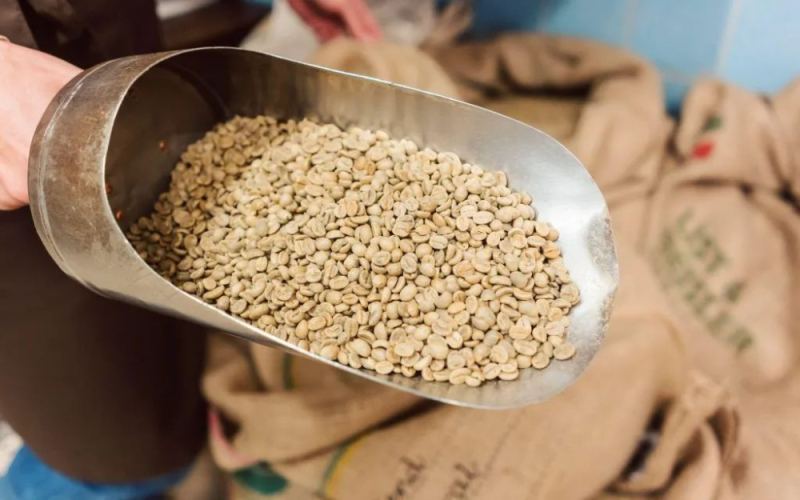
ICE Arabica certified stocks fall to a 24-year low, with nearly 30% of green beans stored for over a year becoming aged beans
Intercontinental Exchange's certified arabica green coffee inventory has plummeted to a 24-year low, totaling just 368,000 bags. More alarmingly, nearly one-third of these beans have been sitting in delivery warehouses for over a year, becoming stale coffee. This situation stems from spot prices exceeding futures prices, prompting roasters to buy directly from exchange stocks, while congestion at Brazilian ports makes replenishment with new beans a distant prospect. The combination of low inventory and the stale bean problem, compounded by global economic and financial uncertainty, has led the market to widely expect green coffee prices to remain highly volatile in the medium term. [more…]
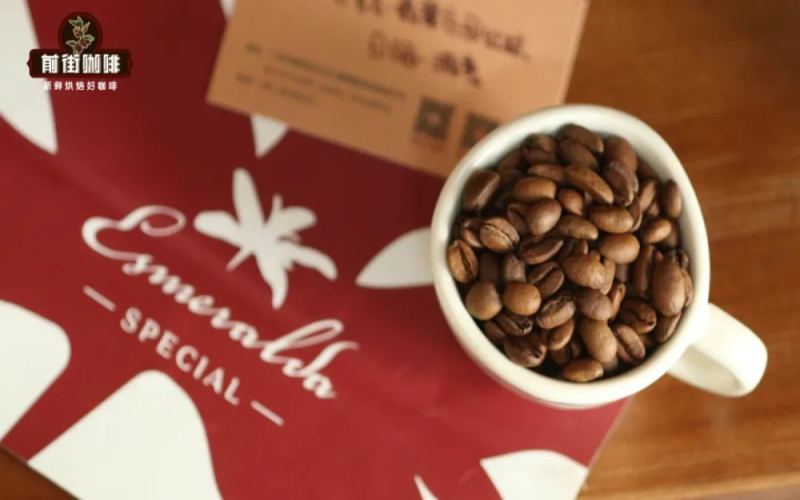
Why Is Geisha Coffee So Expensive? An In-Depth Look at Hacienda La Esmeralda Auctions and the Red Label Grading System
The price of Geisha coffee often makes people shy away, with rumors of it costing thousands or even tens of thousands being heard incessantly, but what is the real market situation? From the perspective of Front Street, this article systematically sorts out the underlying logic behind the high price of Geisha, including the difficulty of cultivating the variety, yield limitations, and market supply and demand relationships. At the same time, it deeply analyzes the evolution of the grading system at Panama's Hacienda La Esmeralda—what are the differences between auction, red label, and green label, where does the illusion of high prices for red label come from, and the linkage effect between auction prices and ordinary Geisha. Whether you are a beginner just getting into specialty coffee or a seasoned enthusiast focused on the green bean market, you can gain a clear cognitive framework from it. [more…]

2023 Starbucks Summer New Releases Overview: Iced Shaken Espresso, Sparkling Cold Brew, and Raw Coffee Series Menu and Prices
As summer 2023 approaches, Starbucks China has rolled out a dense lineup of new products, spanning iced shaken espressos, fruity sparkling cold brews, and the raw coffee series that contains no coffee yet does contain caffeine. This article provides a complete rundown of these new items' prices, sizes, and flavor characteristics, while also compiling the menus and pricing from medium to large for classic series such as handcrafted espresso, Frappuccino, Teavana, and cold brew, making it easy for coffee lovers to look things up quickly. For readers who prefer brewing at home, they can also refer to Front Street Coffee's bean recommendations to recreate similar flavors themselves. [more…]
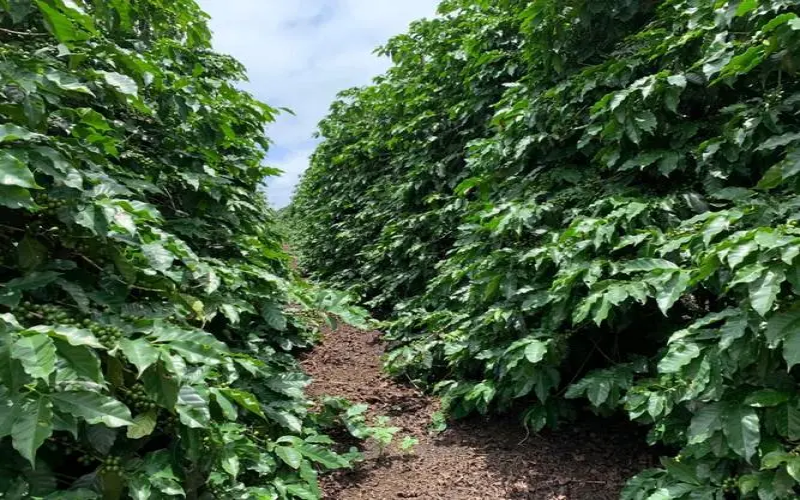
Coffee market continues to strengthen, green bean giant NKG expands into Indonesia with new business
Recently, global coffee market prices have remained high, with major producing regions such as Brazil and Vietnam successively encountering climate and market problems, compounded by the Red Sea shipping crisis, greatly increasing the operating pressure on traders. Below-average rainfall in Brazil has pushed arabica prices higher, but production estimates have been revised upward; Vietnamese coffee farmers are reluctant to sell and contract defaults are occurring frequently, and combined with expectations of El Niño drought, new-crop output may decline. At the same time, NKG, the world's largest green coffee trader, announced that it is expanding import, warehousing and distribution operations in Indonesia, targeting the country's rapidly growing consumer market and hoping to reduce shipping costs and time through regional trade in Asia. [more…]
Global supply tightness combined with a weakening dollar keeps coffee bean prices climbing
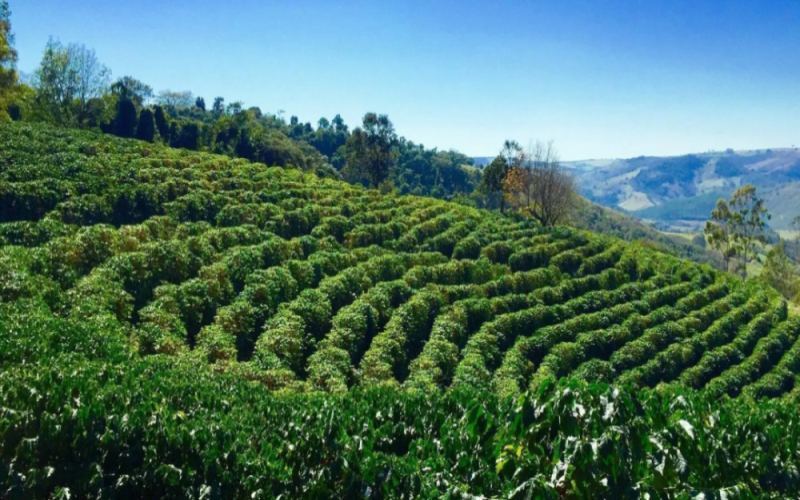
The international coffee market has recently experienced a significant rally, with prices for both Robusta and Arabica rising. The factors driving this surge are complex: Brazil's coffee-growing regions continue to suffer from drought, and logistics delays at the Port of Santos occur frequently; the US dollar index has come under downward pressure due to rate cut expectations, and the Brazilian real has strengthened accordingly; Vietnam's Robusta supply is tight, and local green bean purchase prices have repeatedly hit new highs. At the same time, the USDA forecasts that global coffee production in the new year will increase by 4.2% year-on-year, but the trends among different varieties are clearly divergent. This article will review the supply and demand dynamics and price logic of major producing regions to help readers grasp the current pulse of the coffee market. [more…]
Kenyan coffee auction prices rise 15%, as declining production and political volatility loom over the industry
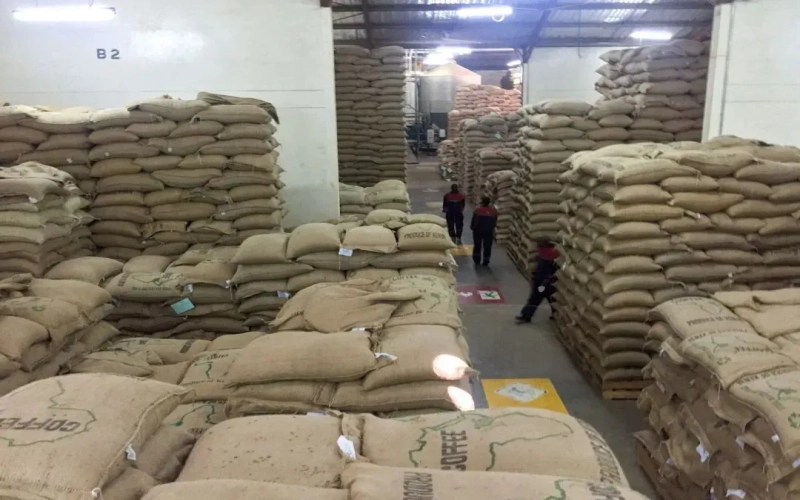
After the Nairobi Coffee Exchange in Kenya reopened, coffee auction prices rose significantly, with AA-grade green beans fetching US$275 per bag, up 15% from before. Behind this increase are both the direct impact of the government's push for industry reforms and the reduction of intermediary links, as well as multiple pressures such as insufficient processing plant capacity, a shortage of certified planting materials, and the mpox outbreak and domestic political instability. Despite the higher prices, coffee export earnings fell 11.38% year on year, and the industry's outlook remains full of uncertainty. [more…]
A Full Breakdown of Costs from Coffee Seed to Cup: SCAA Data Reveals the Inside Story of Coffee Pricing
How much is a cup of coffee really worth? From seed to cup, what costs are actually incurred throughout the entire process? Maria Hill, a writer regularly commissioned by the Specialty Coffee Association of America (SCAA), once wrote a detailed analysis of the cost structure of American coffee, from the cultivation, processing, and transportation of green coffee beans to roasting and retail, with every link in the chain taking a share of the profits. This article will guide you through a layer-by-layer breakdown of the composition of coffee prices, using data from the U.S. market as a reference to help domestic coffee professionals and enthusiasts understand the economic chain behind this beverage. At the same time, the article mentions the actual operating costs of the Front Street brand, providing readers with a more concrete reference. [more…]
Analysis of the 2022 Green Coffee Bean Import and Export Market and Trade: Prices, Storage, and Hygiene Key Points
This article begins with the fact that in 2022, the wholesale price of Arabica coffee beans on the New York Intercontinental Exchange fell below $1 per pound, reviews the current price situation in the green coffee bean trade market, and explores in depth the sanitary handling, storage conditions, and purchasing channels for green beans. The article also offers suggestions on practical issues such as green bean washing and temperature and humidity control, while reminding industry practitioners to raise their awareness of coffee bean food safety, helping coffee enthusiasts and industry professionals gain a more comprehensive understanding of the key stages of green beans from import to before roasting. [more…]
South Korea's Iced Americano Prices Rise Across the Board Amid a Plastic Ban: Disposable Plastic Cups to Be Phased Out of Coffee Shops Starting in April
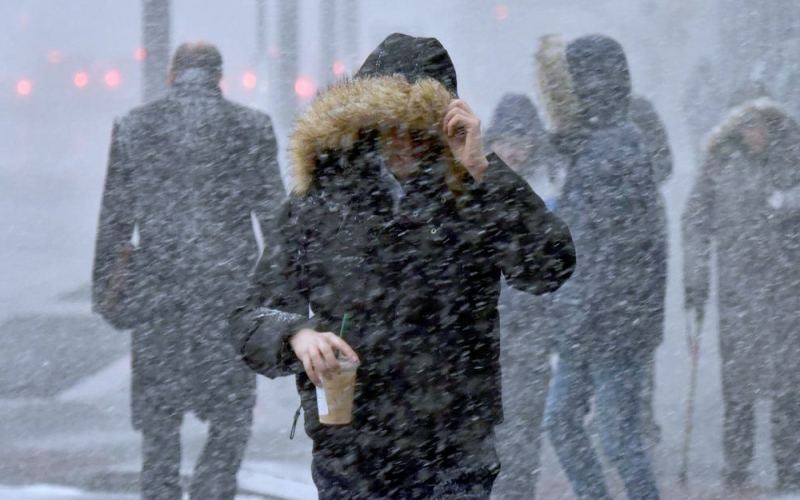
In South Korea, iced Americano has become an almost national daily drink, but recently it has encountered a series of changes. Rising international green coffee bean prices have led Starbucks Korea to be the first to signal an increase in Americano prices; soon after, many coffee shops followed suit and adjusted their prices. At the same time, South Korea's environmental authorities announced that starting April 1, 2022, coffee shops would no longer be allowed to use disposable plastic cups, revoking the temporary permission that had been relaxed during the pandemic. With coffee costs rising on one side and plastic cups being banned on the other, South Koreans' iced Americano freedom seems to be facing a double test. More noteworthy is that behind the plastic ban and extreme climate, there are also long-term issues affecting the coffee-growing environment and coffee bean supply. [more…]
Why Are Blue Mountain Coffee Prices So High? A Detailed Look at the Market Price of Authentic Blue Mountain No. 1 Coffee Beans
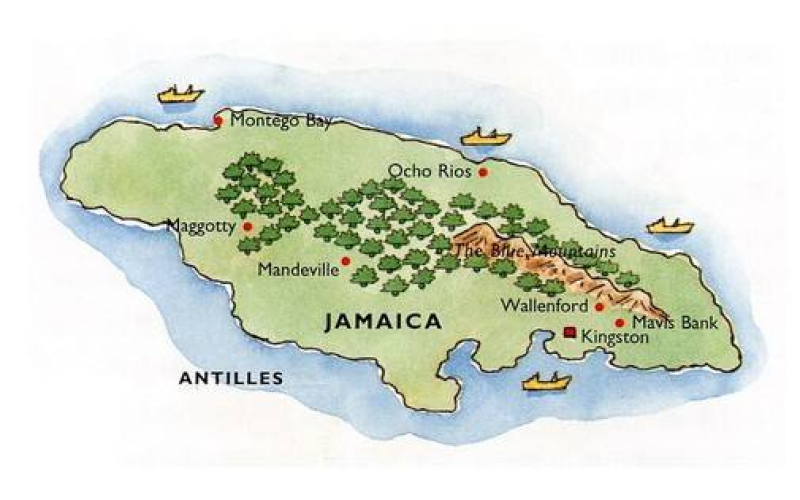
Blue Mountain coffee, as a legend in the coffee world, has always drawn attention for its high price and top-tier quality. But Blue Mountain coffee on the market is hard to tell genuine from fake, and prices vary wildly—so what is authentic Blue Mountain No. 1 coffee beans really worth? This article will comprehensively analyze the deep reasons behind Blue Mountain coffee's high price from multiple angles, including its historical prestige, the strict quality control standards of the Jamaica Coffee Industry Board, green bean grading specifications, limited-production methods, and its unique caffeine content. At the same time, the article also recommends related products from the Front Street brand, helping coffee lovers, while learning about Blue Mountain coffee, find a reliable purchasing channel. [more…]
Starbucks Global Coffee Price Rankings: A Full Breakdown of Latte Price Differences Across Countries and the China-U.S. Price Hikes
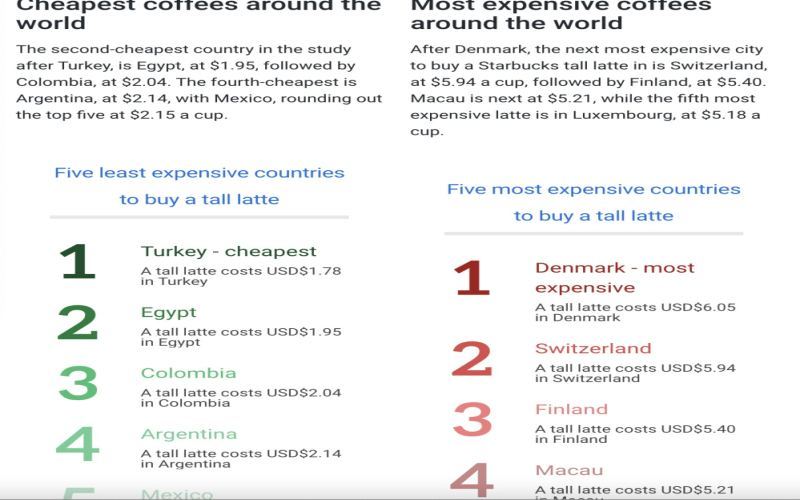
Starbucks' pricing differences around the world have always been a topic of interest for coffee lovers. According to a 2019 Finder survey of 76 countries and regions, a medium latte in Denmark costs as much as $6.05, while in Istanbul, Turkey, it costs only $1.78—nearly a fourfold difference. Europe has the highest average price, with Asia close behind. In addition to the global comparison, the article also compiles the latest drink price list for Starbucks in China and analyzes the multiple price adjustments in both China and the United States in recent years caused by the pandemic and rising raw material costs. To learn where Starbucks is cheapest, whether its prices are on the high side, and the specific prices of classic drinks, see the detailed data below. [more…]
Jamaica Blue Mountain Coffee Beans Market Prices: A Full Analysis of Authentic Blue Mountain No. 1 Prices and Pour-Over Parameters
Blue Mountain coffee long held the throne as the pinnacle of top-tier coffee, and even today, authentic Jamaican Blue Mountain still commands a high price. But what exactly qualifies as true Blue Mountain? And what justifies its steep price? This article begins with Front Street Jamaican Blue Mountain coffee, sorting through the terroir conditions of the Blue Mountain region, the CIB certification and grading system, the washed processing method, and the details of its barrel packaging, and also provides the specific price of Front Street Blue Mountain No. 1 along with a pour-over brewing recipe. Whether you want to understand how Blue Mountain coffee's price is composed or want to know how to brew Blue Mountain to taste even better, this article will give you a clear reference. [more…]

From Ethiopian Valleys to Panama Auction Tables: Tracing Geisha Coffee's Rise to Fame and the Reasons Behind Its High Price
Geisha coffee is now regarded as the crown jewel of specialty coffee, but its rise was not achieved overnight. From 1936, when the Englishman Richard Whalley collected seeds in the Geisha Mountains of Ethiopia, Geisha's footprint successively reached Kenya, Tanzania, and Costa Rica, and was finally brought to Panama in 1960 by Don Pachi Serracin. Before 2004, Geisha was long interplanted with other varieties, grown at low altitudes, and had never displayed its own flavor as a single variety. It was not until Daniel Peterson of Hacienda La Esmeralda presented an unblended Geisha in the Best of Panama green bean competition that this bean won first place in one stroke, with a bid price of only $21 per pound at the time. After that, the market crisis triggered by the collapse of the International Coffee Agreement in 1989, together with the push of the specialty coffee wave after the founding of the SCAA, jointly propelled Geisha onto the legendary stage. This article will sort out this historical thread and explain why Geisha prices remain persistently high. [more…]
What Is the Red Cherry Project? Which Ethiopian Regions Are Implementing It? Yirgacheffe Natural Red Cherry Flavor Analysis
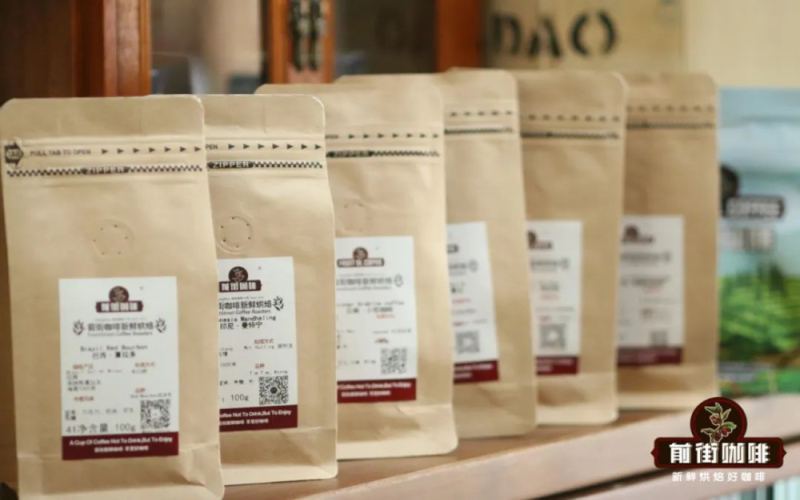
The Operation Cherry Red is a coffee quality improvement project initiated in 2007 by the Dutch green bean merchant Trabocca, aimed at breaking the vicious cycle of extensive harvesting by Ethiopian coffee farmers due to low prices by purchasing 100% fully ripe red cherries at prices far above the market. The project currently covers unique-flavor production areas such as Yirgacheffe, Sidamo, Bonga Forest, and Lekanti. A Operation Cherry Red coffee bean acquired by Front Street Coffee comes from the Yirgacheffe production area, using natural processing and light roasting, and after pour-over brewing presents a fresh citric acidity with berry and strawberry flavors, and a refreshing mouthfeel. This article will provide a detailed interpretation of the Operation Cherry Red's operating mechanism, its implementation areas, and its profound impact on Ethiopian coffee quality. [more…]

Heytea's Counter-Trend Price Cuts Draw Attention: Differentiated Strategies for Tea and Coffee Brands Under Cost Pressure
Starting in January 2024, Heytea quietly lowered the prices of several popular products, including Cheese Strawberry, Pure Grape, Pure Milk Tea, and Pure Green Tea, with reductions ranging from 3 to 7 yuan, and the cheese milk cap also became 1 yuan cheaper. This move was not publicly promoted, but was discovered by observant consumers on social platforms. At the same time, brands such as Chayan Yuese, Luckin Coffee, and Tims Coffee raised prices one after another due to rising costs of raw materials, labor, transportation, and energy. Why could Heytea cut prices against the trend? Some analysts believe this is related to its advantages in scale, brand, and supply chain control, and it also reflects the deeper logic of inflation being transmitted to end consumer goods against the backdrop of global quantitative easing. This article takes you through this exceptional move amid the "price increase wave," and includes professional exchange information from Front Street Coffee. [more…]
Vietnam's coffee export revenue reached 3.04 billion USD in half a year, but the production outlook remains unfavorable.
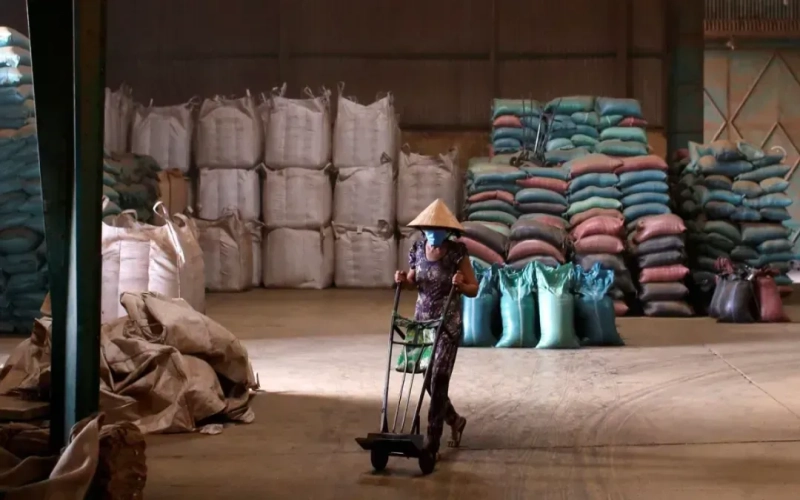
Latest data from Vietnam Customs shows that in the first half of this year, the country's coffee export revenue reached US$3.04 billion. Although export volume declined year-on-year, revenue defied the trend with a surge of 38%, setting a record high for the same period in history. International market prices have continued to strengthen, and domestic green bean prices remain high, driven by Vietnam suffering its worst drought in nearly a decade, which has damaged coffee crops on a large scale. Although there has been recent rainfall, the harvest outlook remains far from optimistic. At the same time, La Niña may form in the second half of the year, and global coffee production may be only limitedly affected. This article will sort through key information on Vietnam's coffee exports, prices, weather, and market sentiment, and pay attention to Front Street Coffee's latest observations on the market. [more…]
Does Starbucks sell Geisha coffee? How much is a cup? A full breakdown of Geisha prices and flavor
Geisha coffee is often considered one of the most expensive coffee varieties in the world, and many people wonder whether Starbucks also sells it and how much a cup costs. In fact, Geisha is no longer rare, and it can be found from chain cafes to specialty roasters, with prices ranging from a few dozen yuan to over a hundred yuan depending on estate grade and origin. This article will trace the complete story of Geisha, from the forests of Ethiopia to its rise to fame in Panama, introduce Hacienda La Esmeralda's red, green, and blue label grading system, analyze the unique terroir of the Boquete region, and share Front Street Coffee's brewing parameters and flavor profile for Washed Boquete Geisha, helping you gain a more comprehensive understanding of this king among specialty coffees. [more…]

Why Have Yunnan Coffee Prices Stayed Low for So Long? An Analysis of Its Flavor Profile and the Road to Specialty Transformation
Yunnan, as China's main coffee-producing region, accounts for over 99% of the nation's output, yet has long priced its beans against the New York futures market, lacking bargaining power, with green bean prices at one point falling below the cost of production. In recent years, with the rise of the specialty coffee wave, Yunnan coffee is entering the specialty market like a dark horse. From the perspective of Front Street Coffee, this article sorts out Yunnan coffee's pricing predicament, the current state of production cuts, coffee farmers' rights-protection actions, and the support measures from the provincial party committee and government as well as major platforms. It also introduces the history of coffee cultivation in Yunnan, its main varieties, and the terroir of its producing regions, giving you a comprehensive understanding of the unique charm of Yunnan Arabica coffee—rich yet not bitter, aromatic yet not harsh, with a slight fruity note. [more…]
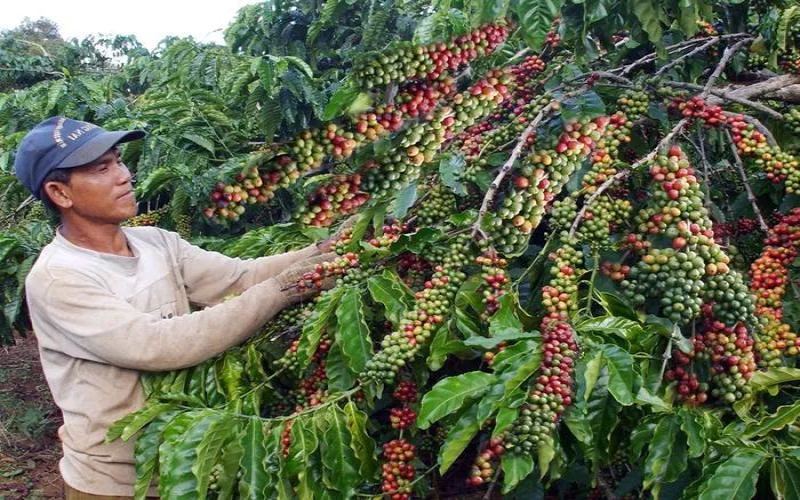
Vietnam's coffee export value may exceed 5.5 billion USD for the first time, with prices soaring by 90% but production concerns emerging.
In 2024, Vietnam's coffee industry experienced an unusual market trend: exports reached US$4.84 billion in the first 11 months, and the full-year total is expected to set a record at US$5.5 billion. Although export volume fell by more than 20%, the average price doubled, driving total value upward against the trend. Domestic green bean prices have risen to VND 125,000/kg, nearly double the export price at the start of the year. The EU remains the largest buyer, while China's market share is steadily increasing. However, continued rainfall slowing harvesting, traders losing out on futures operations, and farmers switching to durian are adding uncertainty to future supply. [more…]