







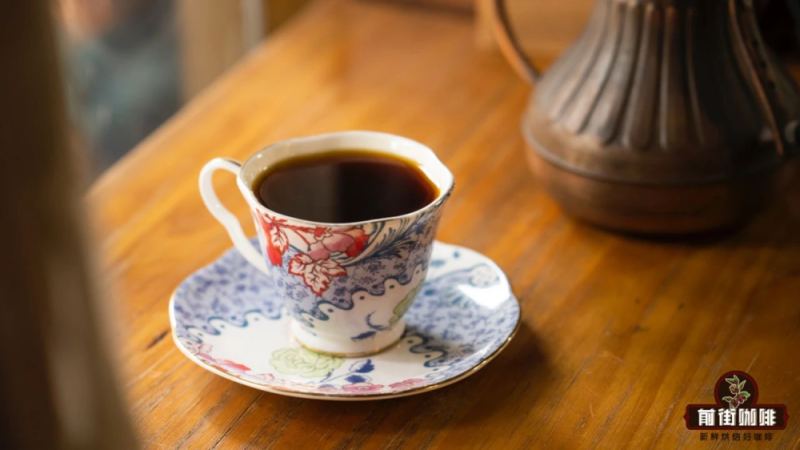
What does geisha coffee cost and where does it come from?
Geisha coffee is a variety from the forests of Ethiopia, made famous after Hacienda La Esmeralda in Panama's Boquete region won competitions with it. It is no longer rare: chain cafés and specialty roasters both carry it, with cups ranging from roughly thirty yuan to over a hundred depending on estate grade and origin.
Panama geisha coffee beans from Boquete command the highest prices, followed by lots from Guatemala and Colombia, and La Esmeralda grades its output with red, green and blue labels. Flavor leans floral and tea-like when washed and brewed as filter, which is why the variety is judged on cup character rather than price alone.
Geisha coffee is often considered one of the most expensive coffee varieties in the world, and many people wonder whether Starbucks also sells it and how much a cup costs. In fact, Geisha is no longer rare—it can be found from chain cafés to specialty roasters, with prices ranging from a few dozen yuan to over a hundred yuan depending on estate grade and origin. This article will trace the complete story of how Geisha went from Ethiopian forests to fame in Panama, introduce Hacienda La Esmeralda's red, green, and blue label grading system, analyze the unique terroir of the Boquete region, and share Front Street Coffee's brewing parameters and flavor profile for the washed Boquete Geisha, helping you gain a more comprehensive understanding of this king among specialty coffees.
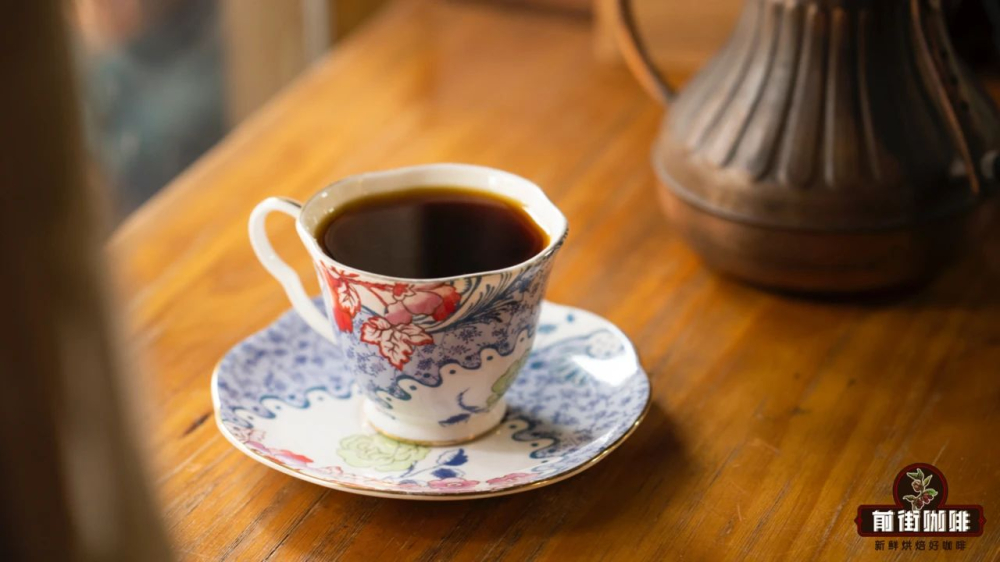
For more specialty coffee knowledge, please follow our WeChat official account: Front Street Coffee (FrontStreet Coffee)
Geisha coffee is one of the most expensive coffees in the world. Some may ask, is such an expensive coffee really good? Does the most expensive coffee mean the best-tasting? And can you find it in every café? In fact, Geisha coffee is now quite common, and Front Street believes every café has it. Usually people may drink more instant coffee, or coffee made by cafés like Starbucks, but prices vary widely. For example, some emphasize high-grade Geisha from well-known estates, and the corresponding price will be relatively higher, even over a hundred yuan; others, like Front Street, offer multiple options at the same time—a cup of Panama Geisha for just thirty yuan.
After Geisha coffee became famous through Hacienda La Esmeralda in Panama, it is now grown in many parts of the world and is the new king of specialty coffee. Among them, Latin American countries such as Panama, Guatemala, and Colombia produce higher quality and command higher prices. To let more friends taste the deliciousness of Geisha coffee, Front Street has specifically listed the Boquete Geisha coffee from Panama's Boquete region as one of its staple beans.
Geisha coffee is actually a coffee variety whose hometown is Ethiopia. Of course, the Geisha from Ethiopia's Geisha village and Panama Geisha coffee beans are two completely different varieties.
The Geisha variety was discovered in 1931 in the Geisha forest of Ethiopia (which happens to sound the same as the Japanese word for geisha), exported to Kenya, wandered through Tanzania and Costa Rica, was transplanted to Panama in the 1960s, and then endured nearly half a century before making a stunning debut—defeating perennial champions such as Bourbon, Caturra, Catuai, and Typica, and sweeping the top prize at the Panama National Treasure Bean Cup of Excellence competition for three consecutive years: 2005, 2006, and 2007.
In 2007, at the international prestigious bean cup test competition hosted by the Specialty Coffee Association of America (SCAA), Geisha coffee won the championship again, and the bidding price reached $130 per pound, setting the highest record ever for competition beans. It is said that the Panama National Treasure Bean competition was later split into Geisha and non-Geisha groups, lest Geisha steal the spotlight from other varieties again. Geisha belongs to the Typica family, yet it rose to fame more than seventy years after leaving Ethiopia, further confirming the saying that Ethiopia is a genetic treasure trove of Arabica—casually giving away a variety abroad is enough to stir up waves in the coffee market.
Today, Geisha coffee is grown in an increasingly wide range of places: Bolivia, El Salvador, Mexico, Colombia, Brazil, Ethiopia, Yunnan in China, Taiwan in China, and more. Front Street Coffee (FrontStreet Coffee) has also acquired and compared Geisha coffee beans from multiple producing countries and regions. Front Street believes that if you want to taste the classic and stunning Geisha coffee flavor, it is still Panama Geisha that deserves applause.
Panama's Growing Environment
Panama is located in Central America, connecting North America and South America, and bordering Costa Rica and Colombia. The microclimate of Panama's highlands is the most important resource that makes Panama's unique coffee one of a kind. The most important resource that makes Panama's unique coffee one of a kind is its microclimate. The east-to-west geography of the Republic of Panama allows cold air currents to flow through the central mountain range and converge above 6,500 feet, thereby creating multiple microclimates in the Boquete and Volcán–Candela regions and making them the main producing areas of Panama's unique coffee. These unique coffees are cultivated in the nutrient-rich, balanced soil of the Baru Volcano region.
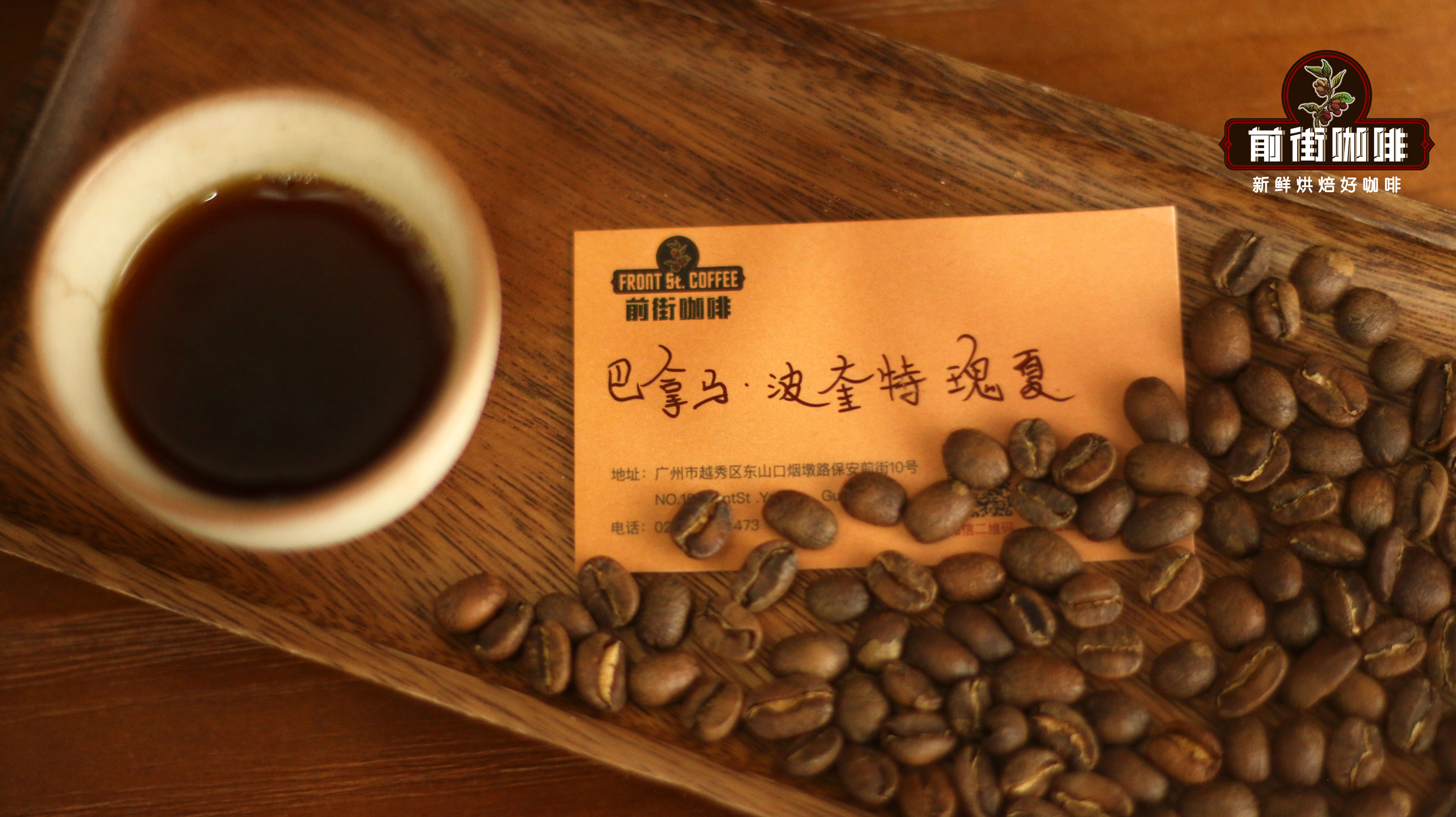
Hacienda La Esmeralda's Geisha comes from the Boquete region. Its Esmeralda Red Label and Esmeralda Green Label are world-famous and considered among the most expensive coffees, especially the Esmeralda Red Label.
Panama Boquete Producing Region
Boquete is a town in Chiriqui Province, located in the green mountain highlands of Panama in western Chiriqui Province, about 60 kilometers from the Costa Rican border and near the famous Baru Volcano. It has beautiful scenery, fertile and rich soil, and a climate and soil very suitable for producing high-quality coffee. The cool, foggy, and mountainous geographical environment creates a unique microclimate. The cool climate and frequent fog help slow down the ripening process of coffee cherries, achieving an effect similar to high altitude. When Front Street Coffee (FrontStreet Coffee) cups coffee beans from this region, the coffee flavors range from cocoa to fruity, with a slight acidity.
The microclimate of the Boquete highlands is an important and unique resource for the specialty coffee of the Boquete region. This allows Panama's east-to-west geography to channel cold air currents through the central mountain range and converge above 1,600 m, thereby creating multiple microclimates in the Boquete area and making its temperature and rainfall very suitable for plant growth. Therefore, coffee trees planted here grow very well. In Spanish, the word Boquete means "gap or opening." It was through this gap that curious gold seekers hiked in search of a cheaper, faster route to the Pacific. At the end of the nineteenth century, farmers began settling this area. By the early twentieth century, several villages had become population centers: Lino, Quiel, Bajo Mono, Los Naranjos, and Bajo Boquete, which is now the downtown of the area. Soon after, coffee would be produced.
Due to the higher altitude, insect problems are also minimized. These positive benefits can also be felt in management and translate into lower costs and reduced production fluctuations. Such an excellent geographical environment gives Deborah Estate's coffee excellent quality and rich flavor.
Hacienda La Esmeralda
In 1964, American banker Rudolph Peterson retired, moved to Panama, and bought Hacienda La Esmeralda in Boquete, initially focusing on dairy. Later, his son Price resigned from his job as a doctor to help his father run the farm, introduced Caturra and Catuai coffee varieties in 1987, and established a washed processing plant in 1994, from then on having its own coffee processing facility. In 1996, he bought the nearby Jaramillo Estate, which had a superior geographical environment and good flavor in its original coffee varieties, and incorporated it into Hacienda La Esmeralda.
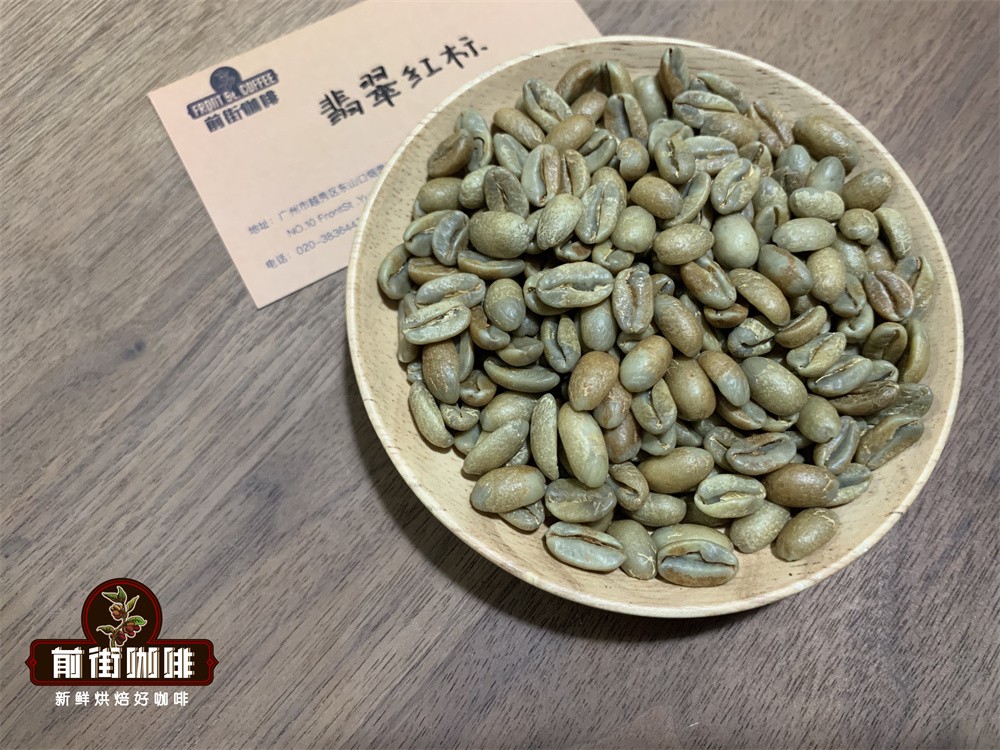
Hacienda La Esmeralda mainly has three estates growing the Geisha variety: El Velo, Canas Verdes, and Jaramillo. In 1996, it bought the nearby Jaramillo, which had a superior geographical environment and good flavor in its original coffee varieties. El Velo was acquired by Hacienda La Esmeralda in 2012. Front Street Coffee (FrontStreet Coffee) believes that Hacienda La Esmeralda's acquisition of estates with good output and high altitude was a unique decision at the time, and this also enabled Hacienda La Esmeralda to occupy a certain position in the coffee industry.
Although Hacienda La Esmeralda initially discovered coffee beans with flavor expression, in order to achieve precision, it cupped coffee beans from different areas within the estate and determined planting plots according to altitude. That is why we now know the red label, green label, and blue label Geisha grades, all graded according to altitude. Front Street Coffee (FrontStreet Coffee) will explain this part in more detail below.
Geisha Coffee Bean Processing Method
As one of the most traditional green bean processing methods, washing not only makes coffee production quality more stable, but also gives Geisha a flavor profile with higher cleanliness and a fresher taste. After roasting, Front Street perceives Geisha's elegant white floral aroma, lifted citrus and lemon acidity, with a slight green tea note, like drinking a cup of gentle Tieguanyin tea. During green bean processing, the selected coffee cherries are first put into a depulper to initially remove their skin and pulp; the green coffee beans with residual pulp and mucilage are placed in water to ferment for about 24 hours; after fermentation, the green coffee beans with parchment are washed in a flowing water channel to remove the pulp and mucilage; after washing, the coffee beans are dried in the sun or with a dryer to reduce the moisture content to about 12%. Finally, the parchment of the green coffee beans is removed.
Front Street's Brewing Parameters for Geisha Coffee:
Geisha coffee's flavor is world-famous for its rich floral aroma and complex fruit profile. The specific brewing parameters Front Street uses are: V60 dripper, water temperature 91°C, water-to-coffee ratio 1:15, dose 15g, medium-fine grind (80% passing through a Chinese No. 20 standard sieve).
Front Street Coffee (FrontStreet Coffee)'s segmented extraction method: first use 30g of water to fully wet the coffee bed into a "hamburger" shape and bloom for 30s; for the second pour, at 1'00" on the timer, pour water until 125g, then stop and wait for the water level to drop to 2/3 of the coffee bed before pouring the third segment; for the third segment, at 1'40" on the timer, pour water until 225g; after the coffee liquid has fully dripped through, the total extraction time is 1'59". The total brewing time is 2'00". After extraction is complete, gently swirl, and wait until the coffee liquid is fully uniform before tasting.
Panama Washed Boquete Geisha Coffee Flavor Characteristics : It has clear acidity of citrus, lemon, and bergamot, a creamy smooth mouthfeel when swallowing, and a finish of green tea and honey sweetness.
Front Street's Coffee Brewing Suggestions:
No matter what kind of coffee you brew, the freshness of the coffee beans is very important. Front Street has always believed that the freshness of coffee beans has a great relationship with coffee flavor, so all coffee beans shipped by Front Street Coffee (FrontStreet Coffee) are within 5 days of the roast date. Front Street's roasting principle is "freshly roasted good coffee," so that every customer who places an order receives the freshest coffee. Coffee beans need a resting period of about 4–7 days, so when customers receive them, they are at their best flavor.
For friends who need ground coffee, Front Street kindly reminds you: if the coffee beans have been ground in advance, they no longer need to be rested, because during transportation, the pressure generated by carbon dioxide inside the package can also make the coffee flavor rounder, so you can brew a cup immediately after receiving the ground coffee. However, ground coffee needs to be brewed promptly, because ground coffee oxidizes relatively quickly after contact with air. In other words, the coffee flavor will dissipate relatively quickly, and the coffee will not taste as good. Therefore, Front Street recommends buying whole beans and grinding fresh before brewing, so you can better taste the coffee's flavor.
The above content is compiled by CoffeeHunters, a coffee news website.


