







Search Results for: Golden Cup Rule
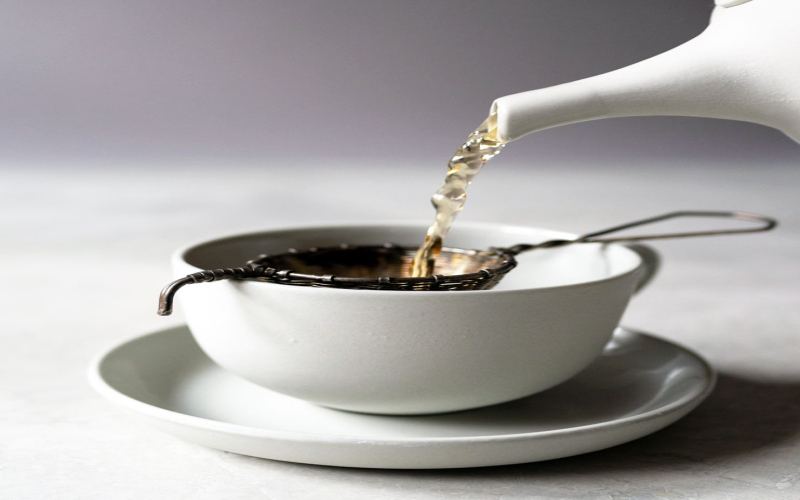
The Ten Golden Rules of Western Black Tea Brewing: From Leaf Selection to Milk-Pouring Order—What Does Orwell Say? A Full Analysis of Black Tea Astringency and Milk Addition
When brewing a cup of black tea, which type of tea leaves should you actually use? Should the teapot be preheated? Should the milk go in first or the tea? These questions may seem trivial, yet they have puzzled Western tea drinkers for decades. George Orwell once proposed his famous eleven golden rules for brewing tea, offering his own answers one by one, from the origin of the tea leaves to the brewing method. This article will use these ten rules as a thread, combined with the differences between Eastern and Western tea-drinking habits, to re-examine every detail of brewing black tea—including common questions such as whether black tea is better the more astringent it is and whether milk can be added—while weaving in different voices from Chinese tea enthusiasts. Whether you are a loyal fan of Earl Grey or a daily drinker of English Breakfast tea, you will find brewing ideas worth considering. [more…]
Espresso Tasting Guide: A Full Breakdown of the Three-Sip Rule and Sensory Experience
Espresso is hailed as the soul of coffee, yet knowing how to properly savor it is a subject worthy of deeper study. From the golden crema on the surface to the layered changes on the palate, every sip carries a different sensory experience. This article will walk you through the three-sip rule for drinking espresso: the first sip delivers a rich, bracing kick; the second reveals a soft, sweet fragrance; and the third lets you savor the caramel-sweet finish that emerges when the white sugar at the bottom of the cup mingles with the coffee. At the same time, we'll explore why those who truly understand coffee insist on finishing a cup of espresso in three sips. As a specialty coffee brand, Front Street Coffee's espresso offerings are also well worth trying for coffee lovers. [more…]
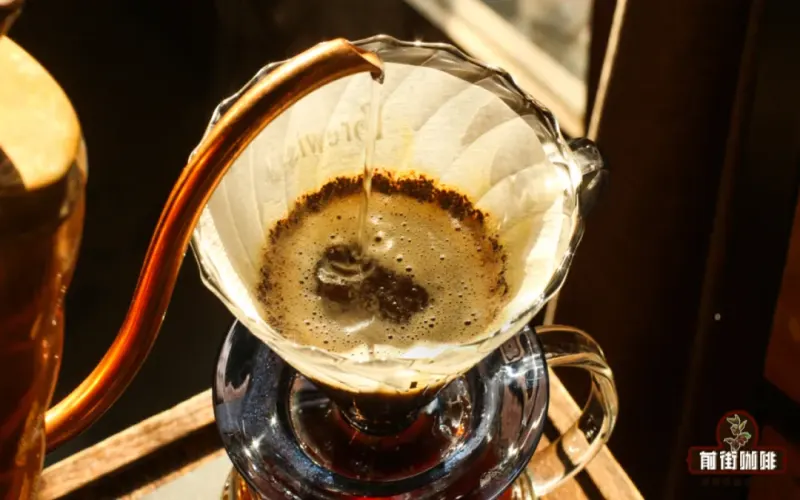
Why Is the 1:16 Pour-Over Coffee-to-Water Ratio Called the Golden Ratio? The Golden Cup Extraction Standard and Practical Parameters Explained
In discussions about pour-over coffee, the 1:16 coffee-to-water ratio is often dubbed the "golden ratio," so some friends are surprised that Front Street Coffee uses 1:15 in its daily routine. Behind this lies the Golden Cup extraction theory—Dr. Lockhart's research indicates that most people prefer coffee with a concentration between 1.15% and 1.35%, and an extraction yield between 18% and 22%. The Golden Cup extraction chart visually illustrates the relationship between coffee-to-water ratio, concentration, and extraction yield, and 1:16 happens to be a ratio that easily falls within the ideal range. However, the Golden Cup standard is only a reference, not an absolute rule: tastes vary from person to person—1:14 or even 1:10 suits those who prefer a strong brew, while 1:17 to 1:20 is better for those who enjoy a lighter taste. Front Street Coffee chooses 1:15 to make the flavors more concentrated and the mouthfeel more substantial, and it adjusts the water temperature and grind based on the roast level. This article will provide a complete analysis of the origin of the golden coffee-to-water ratio, the true meaning of Golden Cup extraction, and Front Street Coffee's specific brewing parameters for beans such as Huakui, Geisha, Queen's Estate, and Golden Mandheling. [more…]

How to brew unfamiliar coffee beans perfectly in one go? Determine pour-over parameters for light and dark roasts based on roast level and density
Buying a bag of unfamiliar coffee beans, the biggest fear is using the wrong parameters and wasting good beans for nothing. In fact, even without an existing brewing recipe on hand, you can judge whether the beans suit a high-efficiency or low-efficiency extraction method by observing their roast level and density, and thereby set the appropriate water temperature, grind size, and ratio. In this article, Front Street Coffee will walk you through starting from flavor descriptions and bean hardness, breaking down the differences between light-roast and dark-roast coffee beans step by step, and using two beans—Ethiopian Huakui and PWN Golden Mandheling—as examples to provide directly referenceable pour-over parameters, so you can brew confidently even when facing new beans. [more…]
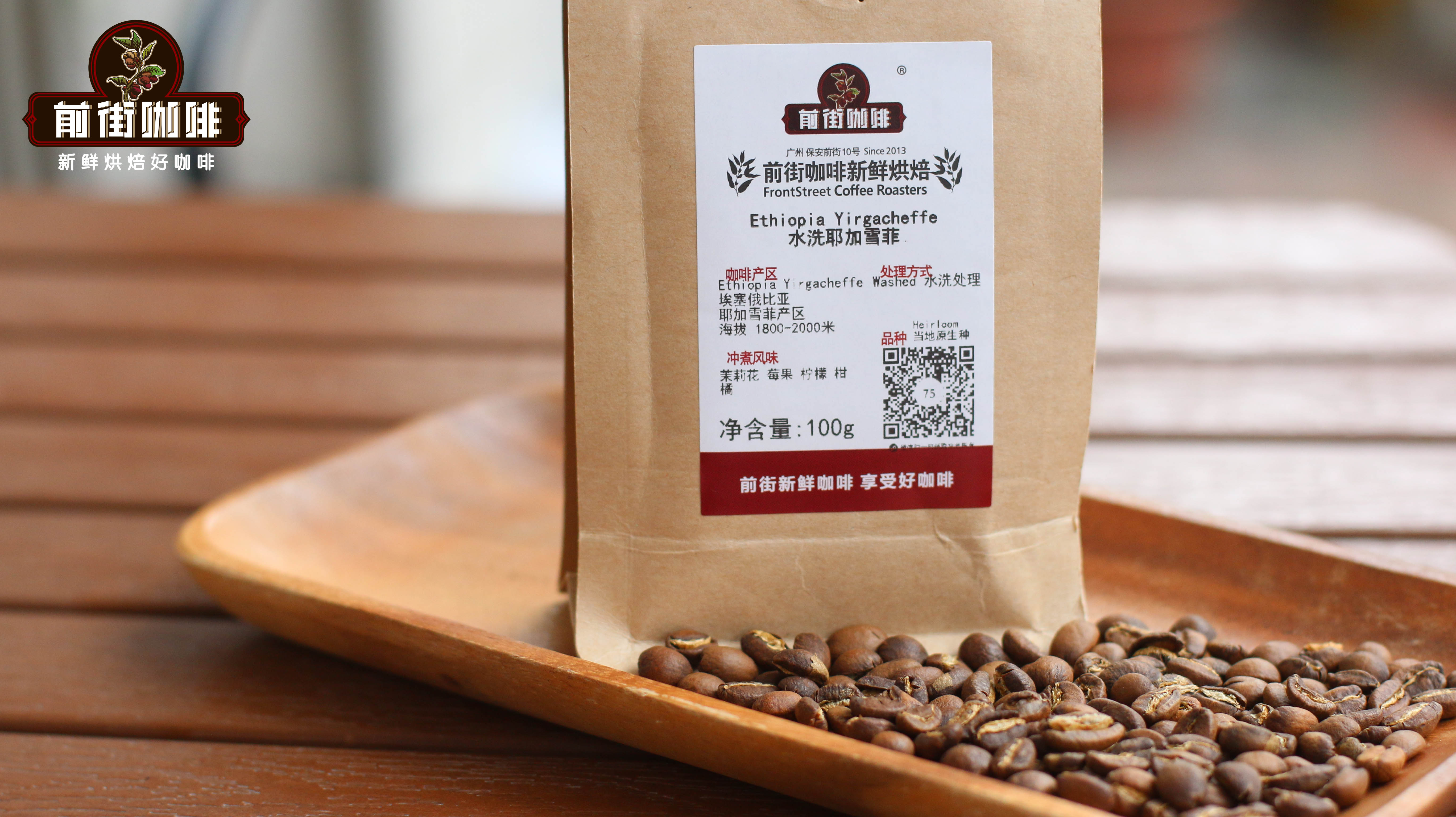
A Comprehensive Analysis of Ethiopian Yirgacheffe Coffee Bean Varietal Characteristics, Flavor Grading, and Pour-Over Parameters
Yirgacheffe is Ethiopia's most iconic specialty coffee region, and its coffee beans vary in size, often leading to the mistaken belief that they are of poor quality. This article begins with variety classification, explaining the origins of Ethiopia's native Heirloom varieties and introducing the differences between JARC varieties and regional landrace varieties; it then explains Yirgacheffe's signature citrus acidity, floral aroma, and tea-like sweet aftertaste, as well as their connection to terroir and processing methods; it also outlines the specific standards for defect rates and cupping scores in the ECX grading system; finally, using the washed Gedeb cooperative as an example, it details pour-over key points such as water temperature, grind size, coffee-to-water ratio, and the three-stage pouring technique, providing practical reference for coffee enthusiasts. [more…]
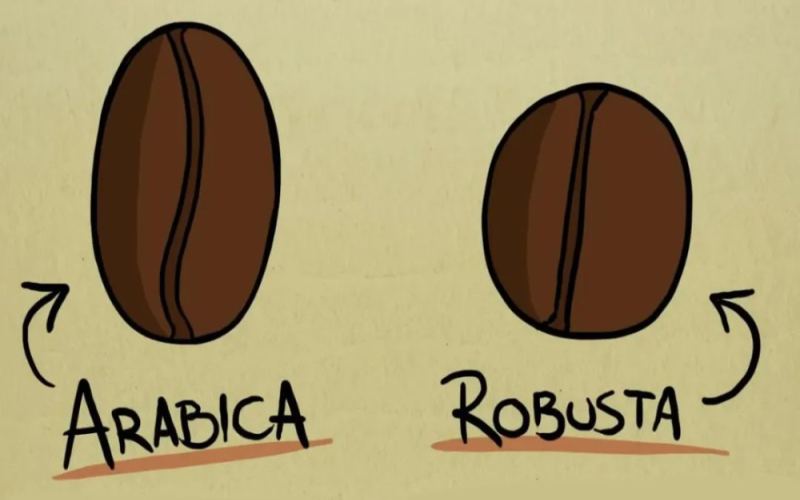
A Beginner's Guide to Buying Arabica Coffee Beans: Three Key Points and Eight Pour-Over Varieties with Flavor Recommendations
Faced with the dazzling array of coffee beans on the market, beginners just getting into pour-over often don't know where to start. In fact, as long as you grasp three core principles—confirming whether the roast date is fresh, choosing a self-roasting brand with stable quality, and locking in varieties based on flavor preferences—you can greatly reduce the odds of picking a dud. This article focuses on the Arabica species, first sorting out practical tips for buying coffee beans, then introducing one by one the flavor characteristics and representative products of eight common varieties including Typica, Bourbon, Caturra, Catuai, Geisha, Ethiopian heirloom varieties, SL28/SL34, and Catimor, and combining them with Front Street Coffee's specific bean offerings to give applicable suggestions for pour-over and cold brew, helping readers quickly find the cup that suits their taste. [more…]

How to Choose the Coffee-to-Water Ratio for Pour-Over? A Side-by-Side Taste Test of Kenya Asalia at Different Ratios
What ratio of coffee to water is actually appropriate for pour-over coffee? This is the confusion that many coffee enthusiasts encounter most often when brewing. Front Street Coffee routinely uses a 1:15 coffee-to-water ratio in its daily offerings, but this ratio is not an ironclad rule—different ratios bring out completely different flavor expressions. Starting from the principles of extraction and the Golden Cup theory, and combined with actual brewing tests using Front Street Kenya Asalia coffee beans, this article compares three coffee-to-water ratios—1:15, 1:13, and 1:17—detailing the differences in sweetness-acidity balance, body thickness, and aftertaste length, to help readers find the cup that best suits their own taste. [more…]
Analyzing the Chemex Coffee Maker's Design Features and Pour-Over Differences: With Brewing Parameters for Four Front Street Coffee Pour-Over Beans
Since its introduction in 1941, the Chemex coffee maker has been rated by scholars at the Illinois Institute of Technology as one of the best-designed products, thanks to its one-piece filter cone and carafe design, and it is now held in the Museum of Modern Art. It requires no additional filter cone, but must be paired with proprietary filter paper. From the perspective of Front Street Coffee, this article reviews the Chemex's features and pour-over steps, focusing on the four key elements of grind size, water temperature, coffee-to-water ratio, and brewing technique, and recommends four Front Street pour-over beans of different roast levels—Yirgacheffe Gudingding, Kenya Asaliya, Brazil Queen, and Indonesia PWN Golden Mandheling—with their respective brewing parameters and flavor descriptions for coffee enthusiasts' reference. [more…]

Why Don't Italians Drink Cappuccino in the Afternoon? Coffee Bean Selection and Extraction Tips for Making a Rich, Aromatic Cappuccino
Cappuccino is a milk coffee that many coffee lovers enjoy daily, but in Italy, this drink carries an unwritten rule—ordering it in the afternoon may draw sideways glances. Why do Italians regard cappuccino as a "breakfast drink"? What are the local customs regarding its thick milk foam, intense espresso flavor, and filling the cup to 11 points? What coffee beans should be chosen to make an authentic cappuccino? From the perspective of Front Street, this article traces the origins of Italian coffee customs, analyzes the flavor characteristics and extraction parameters of cappuccino, and recommends Front Street's classic espresso blend coffee beans, guiding you to understand the cultural logic and brewing details behind this milk coffee. [more…]
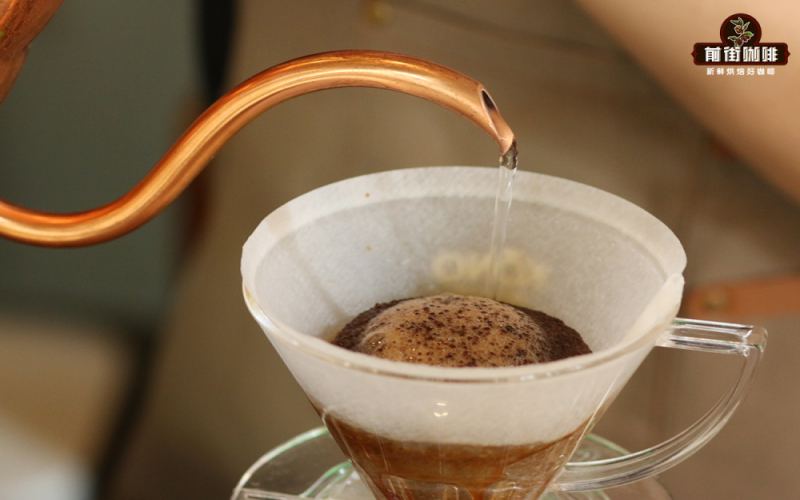
How to Decide the Coffee-to-Water Ratio for Pour-Over? A Practical Guide from 1:15 to 1:18 and a 15g Coffee Pouring Plan
The coffee-to-water ratio is the first parameter to nail down in pour-over coffee, as it directly influences both the strength and the extraction yield. The American Coffee Association once arrived at a golden ratio of 1:18 through extensive research, but today's bean varieties and processing methods are vastly different, making this figure better suited as a starting point than an ironclad rule. Front Street Coffee's shops typically brew with 15 grams of grounds to a 1:15 ratio, meaning 225 milliliters of hot water is poured; when they want to highlight floral notes and acidity, they loosen the ratio to 1:16. This article explores how the coffee-to-water ratio affects flavor, how to fine-tune it for different beans, and a hands-on three-pour routine using 15 grams of grounds, helping beginners find a brewing rhythm that suits them. [more…]

An Analysis of the Three Golden Rules for Making Cappuccino: The 1:1:1 Volume Ratio, the 11-Point Fill, and Where the Golden Ring Comes From
As a classic representative of Italian milk coffee, cappuccino has three widely recognized rules surrounding its preparation: ingredients in a 1:1:1 ratio, the finished drink should be filled to 11 points, and the surface should show a golden ring. What exactly do these statements mean? What historical backgrounds gave rise to each of them? Why, after more than a century of evolution, has only the 11-point fill persisted to this day? This article will break down the true meanings and origins of these three major rules one by one, while also tracing the evolution of cappuccino from a local Italian drink to modern Italian-style coffee, helping coffee enthusiasts more accurately understand the preparation logic and tasting key points of this classic milk coffee. [more…]
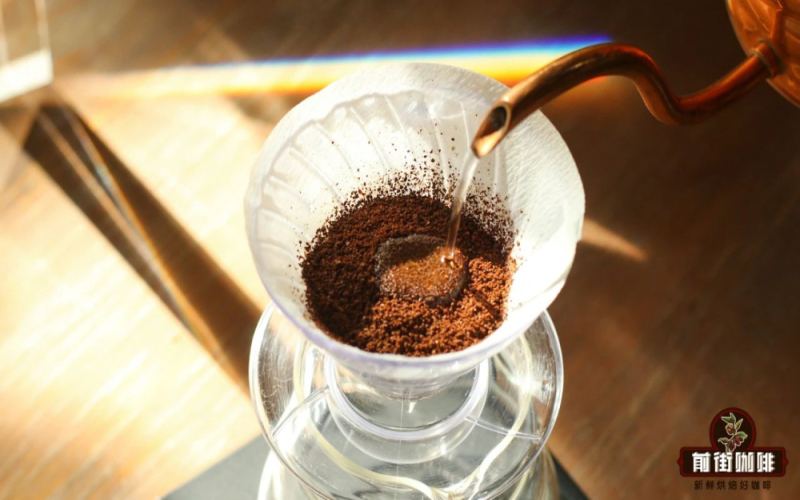
The Nuances of Adding Sugar and Milk to Pour-Over Coffee: An Analysis of Proper Black Coffee Brewing and Tasting Methods
Those new to pour-over coffee are often troubled by a seemingly simple question: What is the "correct" way to drink this cup of coffee? Will adding sugar ruin the flavor? Does adding a splash of milk make you an amateur? Some insist that black coffee is the only authentic way, while others believe that a rich, milky aroma is what makes it truly satisfying. In fact, when it comes to how to drink pour-over coffee, there is no universal hard-and-fast rule. This article approaches the topic from the angles of coffee temperature, sources of bitterness, and the reasonableness of adding sugar or milk, helping you sort out your thoughts. It also offers Front Street Coffee's bean selection recommendations, so that you can both appreciate the true flavors of specialty coffee and freely enjoy the way you like to drink it. [more…]

A Complete Guide to the Golden Cup Standard for Pour-Over Coffee: The Golden Ranges for Extraction Yield and Strength, Plus Practical References
You often hear the "Golden Cup Standard" mentioned in coffee circles—what exactly does it mean? Simply put, it's an extraction reference range derived by Dr. Lockhart in the last century through extensive sampling surveys—when coffee's extraction yield and concentration fall within a specific range, most people find it tastes good. After subsequent research revisions, the optimal extraction yield was ultimately determined to be 18%~22%, and concentration 1.15%~1.35%. However, Front Street would like to remind everyone that the Golden Cup Standard is only a reference benchmark for beginners, not the sole criterion for whether coffee tastes good. This article will break down in detail the origins of the Golden Cup Standard, the meaning of extraction yield and concentration, and why coffee outside this range isn't necessarily bad—helping you understand the extraction logic of pour-over coffee more flexibly. [more…]
How Coffee Grind Size Affects Extraction and Flavor: A Comprehensive Analysis from Extraction Yield to Bitterness Control
The coarseness of coffee grounds directly determines the resistance and contact area when hot water passes through the coffee bed, which in turn affects the flavor direction of the final cup. A short extraction time requires finer particles to increase surface area; a longer time requires larger particles to avoid over-extraction. Grind size and extraction time need to form a proportional relationship to balance acidity, sweetness, and bitterness. Light and dark roasts also have different requirements for grind size: light roasts favor slightly finer grinds, while dark roasts favor slightly coarser ones. In addition, coarseness is also a key lever for controlling bitterness: too fine and all the astringent, bitter compounds are released; too coarse and the sweet aromatics remain trapped in the grounds. This article will systematically review how grind size affects extraction yield, flavor, and equipment compatibility, and offer practical directions for adjustment. [more…]
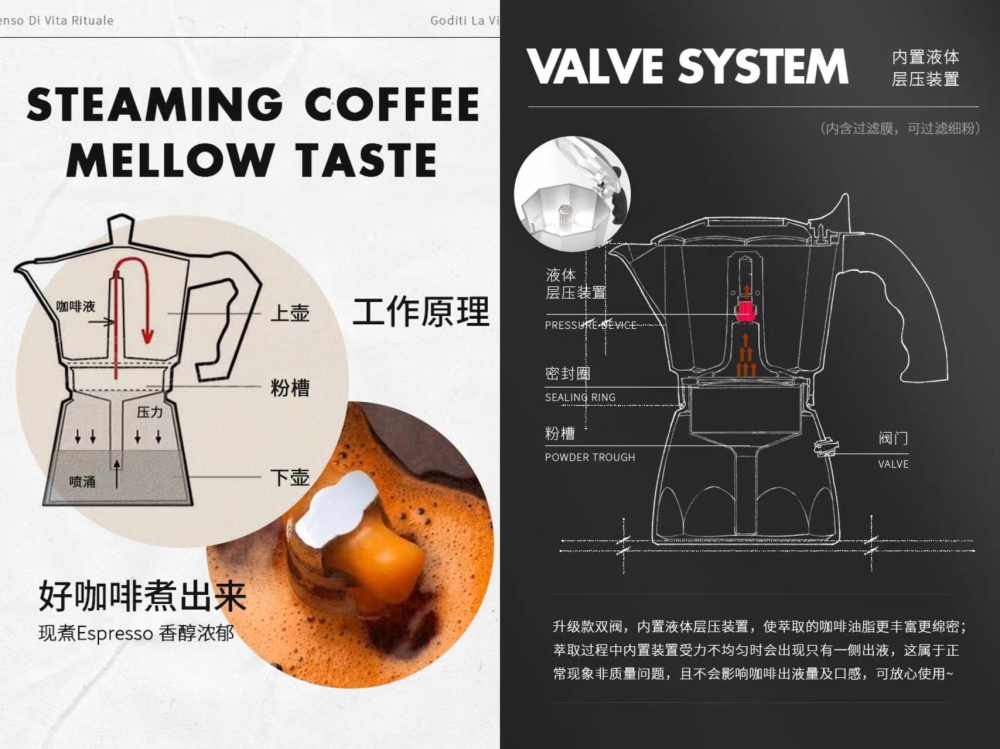
Espresso Coffee Beans | What's the difference between a single-valve and double-valve moka pot? How do coffee beginners choose a Bialetti moka pot? Which coffee beans can be brewed with a moka pot?
When the moka pot was first invented, there was no distinction between single-valve and double-valve versions. The moka pot has been popular worldwide for nearly a century because it changed the rule that women could not drink coffee in cafés, and it also allowed more people to quickly extract highly concentrated coffee at home through steam pressure, rivaling the very expensive, very large [more…]
Vietnamese Black Tea Varieties and Brand Recommendations with Flavor Analysis: Comparing Differences with Yunnan Black Tea and a Healthy Brewing Guide
Vietnamese black tea has gradually entered the specialty tea scene in recent years, with Vietnamese Golden Needle drawing particular attention for its caramel, smoky, and slightly sweet flavor. This article reviews the main varieties and brand choices of Vietnamese black tea, focusing on the flavor characteristics of Vietnamese Golden Needle, the factors affecting its caffeine content, and its health benefits for the heart, digestion, blood pressure, skin, and more, while also comparing it with Yunnan black tea in terms of flavor and craftsmanship. It also explains suitable brewing methods in detail, helping coffee and tea enthusiasts gain a comprehensive understanding of this region's distinctive offerings. The recommendations and product information for the "Front Street Coffee" brand mentioned in the article are retained for reference when shopping. [more…]
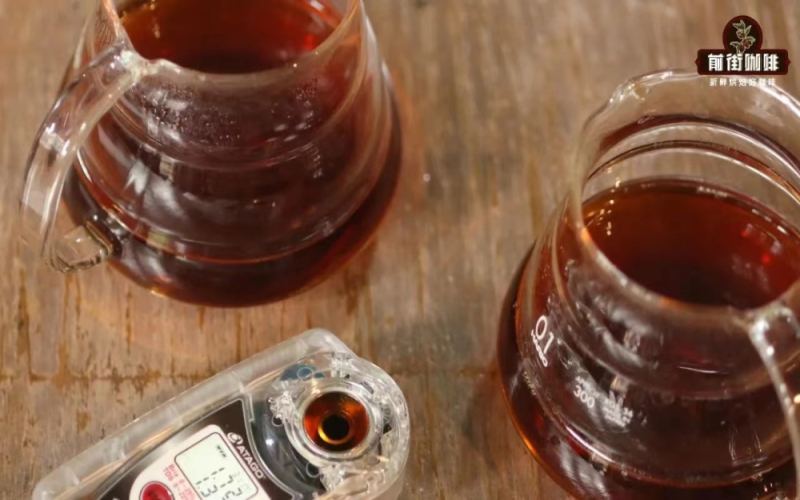
By-Pass Technique in Coffee Brewing: Principles, Applications, and Key Control Factors Explained
In the field of coffee brewing, By Pass is a concept that is practiced far more often than it is discussed in theory. Many enthusiasts simply equate it with adding water to dilute brewed coffee, but is this understanding accurate? Starting from the literal meaning of By Pass, this article will systematically explain the underlying logic of the bypass technique in conjunction with the relationship between extraction yield and strength in the Golden Cup standard. It also introduces Kanazawa-style brewing as a reference, analyzing how to use a 1:13 coffee-to-water ratio together with bypass water equal to twice the coffee dose to optimize the acidity and cleanliness of light-roasted coffee, and explores the room for adjusting parameters such as grind size and water temperature. [more…]

PWN Golden Mandheling Coffee Bean Flavor Analysis: Dark Roast Mandheling Pour-Over Techniques and Taste Characteristics
Mandheling coffee polarizes enthusiasts: some adore it, others avoid it. If you're looking for a coffee that isn't sour, Front Street Coffee's baristas recommend Mandheling first. This article begins with the history of coffee cultivation in Indonesia, traces the origin of the name Mandheling and the connection between PWN Company and Golden Mandheling, and then details the growing region information of Front Street PWN Golden Mandheling, its wet-hulled processing method, as well as the pour-over parameters and flavor performance using the KONO dripper. Whether you're a loyal Mandheling fan or someone who hasn't yet acquired a taste for it, you'll gain insight into the unique charm of this dark-roasted coffee. [more…]

Coffee Types | What is the difference between espresso, Americano, and pour-over coffee? Which coffee drink is more suitable for coffee beginners?
For more specialty coffee knowledge, please follow our WeChat official account: FrontStreet Coffee. Looking at the coffee waves in recent years, after the emergence of instant coffee, espresso rose to prominence, not only spreading Italy's coffee spirit throughout Europe, but also, riding on the rise of coffee chains, [more…]

Can Pour-Over Coffee Be Drunk with Milk? Parameters, Ratios, and Steps for Making Milk Coffee with High-Concentration Pour-Over
Will you get beaten up for adding sugar and milk to pour-over coffee? Behind this internet meme, there's actually a reflection of many people's stereotypes about how coffee should be drunk. This article uses this topic as a starting point to explain that coffee is essentially an everyday beverage, and how you drink it is entirely up to personal preference. It then aims to make milk coffee, sharing how to adjust the coffee-to-water ratio, grind size, and water temperature to extract a more concentrated pour-over coffee using Front Street PWN Golden Mandheling, and then mix it with milk in proportion to ultimately get a smooth, flavorful milk coffee. The article includes complete parameters, brewing steps, and tasting descriptions, making it a useful reference for coffee lovers who want to try making pour-over milk coffee at home. [more…]