







How Do Yirgacheffe Coffee Bean Seeds Differ by Variety?
Yirgacheffe beans look uneven because most Ethiopian coffee is not subdivided by variety, and different varieties naturally produce seeds of different sizes, so an irregular appearance is not a sign of poor green bean quality. The region's profile is built on citrus acidity, floral notes and tea-like sweetness, shaped by terroir and processing.
Ethiopia's native Arabica is grouped under the Heirloom label, split between JARC breeds developed by the Jimma Agricultural Research Center for disease resistance or yield, and regional landraces growing wild. Grading under the ECX system sets defect rates and cupping scores, while pour-over guidance covers water temperature, grind size, ratio and a three-pour technique.
Yirgacheffe is Ethiopia's most iconic specialty coffee region, yet its beans vary in size and are often mistaken for poor quality. This article begins with variety classification, explaining the origins of Ethiopia's native Heirloom varieties and distinguishing JARC varieties from regional landraces; it then describes Yirgacheffe's signature citrus acidity, floral notes and tea-like sweetness, and how these relate to terroir and processing methods; it outlines the specific standards for defect rates and cupping scores under the ECX grading system; and finally, using the washed Gutingding Cooperative as an example, it details water temperature, grind size, coffee-to-water ratio and three-pour technique for pour-over brewing, offering practical guidance for coffee enthusiasts.
For more specialty coffee knowledge, follow our WeChat official account: Front Street Coffee
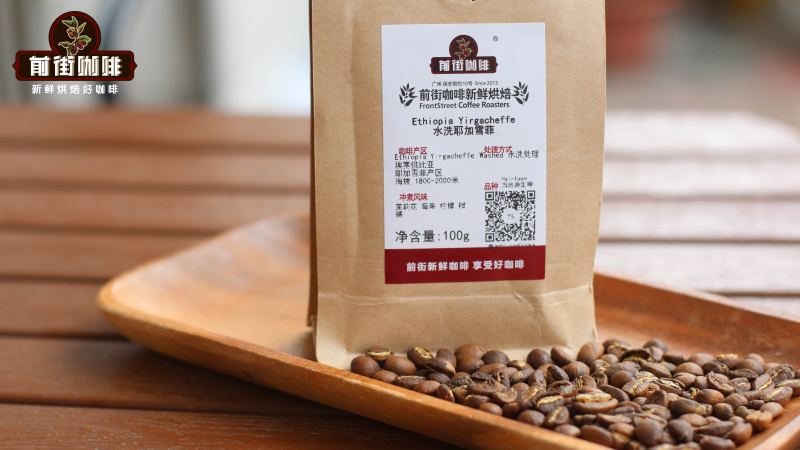
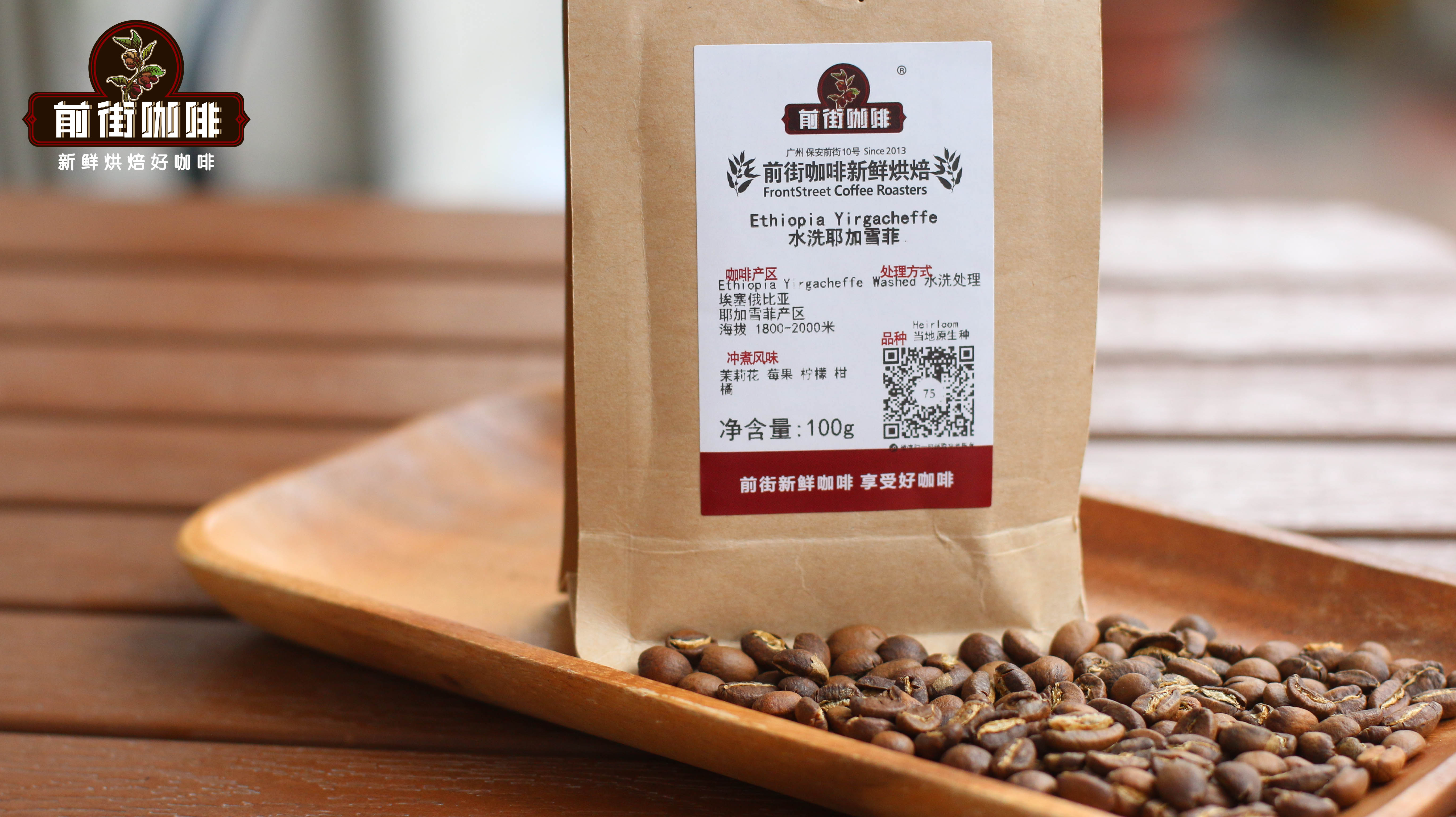
Friends who regularly drink Front Street Yirgacheffe may have noticed a phenomenon: no matter which vendor you buy Yirgacheffe or Ethiopian beans from, the beans vary in size and do not look uniform. Some have even asked Front Street Coffee: does this mean there is a problem with the green bean quality?
Actually, this is not the case. The irregular appearance of Ethiopian Yirgacheffe beans stems from the fact that most coffee grown locally has not been subdivided by variety. Different varieties naturally produce coffee cherries and seeds of different sizes, which is exactly why Ethiopian coffee beans look uneven.
Introduction to Ethiopian Coffee Varieties
Today, the native varieties of the Ethiopian region are collectively called "Heirloom." The word originally means "precious family property passed down through generations," i.e., "heirloom." In coffee terminology, it broadly refers to long-established, unimproved old Arabica varieties, often translated into Chinese as "local native species."
As the birthplace of coffee, Ethiopia still has a large number of varieties awaiting discovery and confirmation. It is currently known that 10,000 to 15,000 coffee varieties have yet to receive formal names. Local native varieties can be roughly divided into two categories: one is JARC varieties, bred and developed by the Jimma Agricultural Research Center, possessing desirable traits such as strong disease resistance or high yield; the other is regional landraces, growing entirely wild in nature.
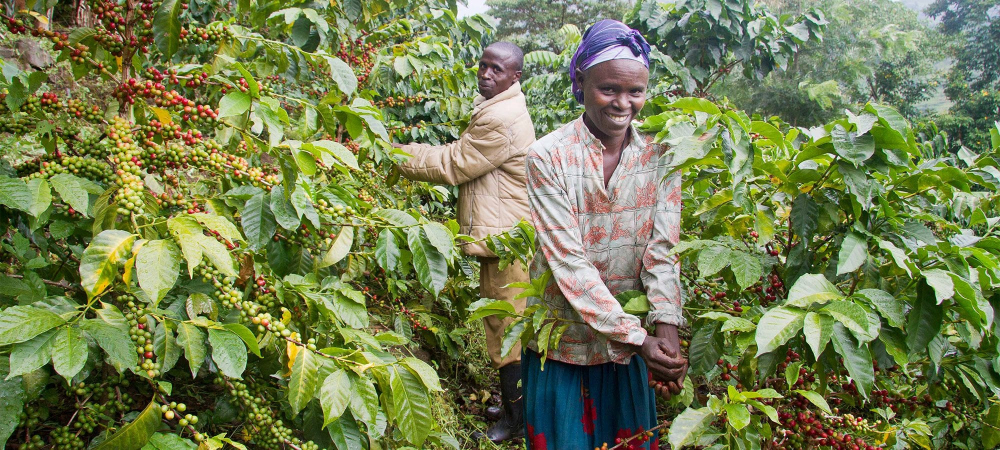
Currently, farmers mainly cultivate regional landraces. Identifying and separating varieties in the wild is quite difficult, whereas on farms, pickers and producers can more effectively distinguish varieties based on the traits plants exhibit. Among the tens of thousands of different heirloom varieties in Ethiopia, whether identified or not, they all show differences in yield, cup quality, flavor and disease resistance.
Coffee is ultimately an agricultural crop, and its flavor is always closely tied to variety, climate, altitude, soil and management—it is the truest expression of variety and local terroir. Therefore, different regions each have their own unique regional flavors. So what exactly characterizes what people commonly call "Yirgacheffe flavor"?
Yirgacheffe Coffee Region-Specific Flavor
The coffee produced in Ethiopia's Yirgacheffe region is renowned because the beans grown here carry bright citrus fruit acidity, floral fragrance, an almond-like finish, and a tea-like sweet aftertaste. This distinctive flavor profile is largely thanks to washed processing.
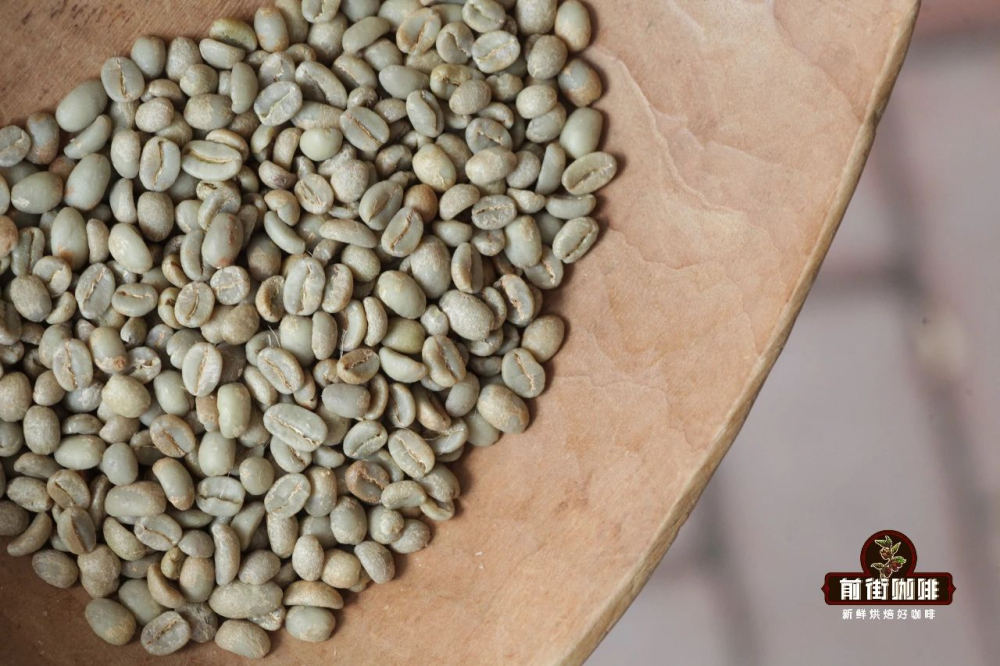
Washed process: After coffee cherries are harvested, they are put into water, and underripe fruits are removed by buoyancy; then the skin and pulp are removed with a depulper, and the beans are placed in fermentation tanks for 18 to 36 hours to let the mucilage layer break down. After fermentation, the parchment beans are washed in channels for 30 to 60 minutes; through special channels and water flow, low-density, poor-quality beans are eliminated, and the high-quality beans are drained and spread on African raised beds to dry.
Because the pulp is removed before drying, Yirgacheffe's inherent aromas are presented more clearly, showing citrus and lemon notes and elegant white floral aromas, with an overall bright and delicate flavor. Since the introduction of washed beans, Yirgacheffe has leapt to become a benchmark among the world's specialty coffee regions.
The so-called "Yirgacheffe flavor" can also be simply understood as: possessing a unique citrus and lemon fruit aroma, along with jasmine fragrance, a fresh and bright texture, well-layered acidity, and a clean, uncluttered taste. According to ECX contract agreements, in addition to Yirgacheffe town, coffee produced in Wenago town to the north, Gelena Abaya to the west, and Kochere town to the south can also be classified within the Yirgacheffe flavor region.
Yirgacheffe Specialty Coffee Bean Grading
Since 2009, Ethiopia has introduced the ECX coffee trading grading system, first dividing green beans by processing method into two major categories; Front Street Yirgacheffe must be divided into two major categories: natural process and washed process.
Next, green beans are judged for specific grade from two dimensions. In terms of defect rate, 300 grams are sampled from each export batch of green beans; no more than 3 defective beans is G1 grade, and 4 to 12 is G2 grade. In terms of cupping score, G1 and G2 grade coffee beans are evaluated according to the SCAA cupping standards; 85 points or above is rated Q1, and 80 to 84.75 points is rated Q2. For example, Front Street Washed Gutingding Cooperative, Front Street Natural Red Cherry, and Front Street Yirgacheffe Konga on the Front Street bean list all belong to G1 grade Yirgacheffe coffee beans.
Front Street Yirgacheffe Coffee Beans Brewing Suggestions
Front Street Coffee believes that brewing a good pot of coffee mainly involves four aspects: water temperature, grind size, coffee-to-water ratio and brewing technique. Below, taking the "Front Street Washed Yirgacheffe Gutingding Cooperative Coffee Beans" sold by Front Street Coffee as an example, we share Front Street's insights on brewing Yirgacheffe.
1. Water Temperature
The flavor of Front Street Washed Gutingding is mainly berry and lemon acidity. To highlight this characteristic, Front Street Coffee uses a medium-light roast, so the brewing water temperature is controlled at 91 to 92°C.
2. Grind Size
Grind size refers to the size of coffee particles, and it affects the contact time between coffee and water. The finer the coffee grounds, the more substances can be extracted in the same amount of time, but over-extraction is also more likely; conversely, the coarser the grind, the fewer substances are extracted in the same amount of time, but under-extraction is more likely.
Because of the high growing altitude, Front Street Yirgacheffe coffee beans are dense and hard, and the substances in medium-light roasted coffee beans do not dissolve easily in water, so a medium-fine grind is recommended (80% passing rate on the China No. 20 standard sieve).
3. Coffee-to-Water Ratio
According to SCAA Golden Cup extraction theory, the coffee-to-water ratio for pour-over coffee corresponds to taste presentation as follows: [Bold] 1:10–1:11, i.e., 1:12.5–1:13.5 under the Golden Cup rule; [Moderate] 1:12–1:13, i.e., 1:14.5–1:15.5 under the Golden Cup rule; [Light and Fresh] 1:14–1:16, i.e., 1:16.5–1:18.5 under the Golden Cup rule. Therefore, Front Street Coffee recommends using a 1:15 coffee-to-water ratio when brewing Front Street Yirgacheffe coffee beans, which allows Front Street Yirgacheffe to perform more evenly.
4. Pouring Technique
To bring out the ideal tea-like character in coffee, Front Street believes you can start with three details: use a flat-bottom dripper, increase the amount of water poured, and reduce the flow rate. Below, let's demonstrate with Front Street Yirgacheffe Washed Gutingding as an example.
Coffee Beans: Front Street Ethiopia Washed Yirgacheffe Gutingding Cooperative
Dripper: Ceramic cake cup
Water Temperature: 92°C
Coffee Dose: 15g
Coffee-to-Water Ratio: 1:16
Grind Size: EK43s setting 10 (80% passing on No. 20 sieve)
Three-stage extraction: First pour 15 grams of coffee grounds into the dripper and level them; for the first stage, pour 30 grams of water to bloom for 30 seconds and start the timer at the same time. Throughout, pour with a small stream from the center point and spiral outward, making sure the entire coffee bed is saturated.
For the second stage, still using a straight, small stream, pour 120 grams of water with the aim of lifting the entire coffee bed; make as wide a circle as possible so that all coffee particles enter a state of degassing and extraction. Finish pouring at about 1 minute 05 seconds, at which point the scale reads 150 grams.
When the liquid level drops to the halfway point, begin the third stage, pouring 90 grams with a small stream in a small circle, trying to keep the stream from circling too widely, otherwise it may easily disturb the coffee bed and cause under-extraction; the gentle washing can also promote the release of sweet substances in the latter stage of the coffee.
The final total water amount is 240 grams; after all the coffee liquid has dripped through, remove the dripper. The time is about 2 minutes 20 seconds. The Front Street Washed Gutingding coffee brewed this way has flavors of white flowers, citrus and nectarine, with the fragrance of pomelo peel and snow pear tea on entry, accompanied by a clear sweet aftertaste—truly like a cup of flower tea.
The above content is compiled by CoffeeHunters, a coffee news website.


