







Search Results for: Geisha Red Honey Process
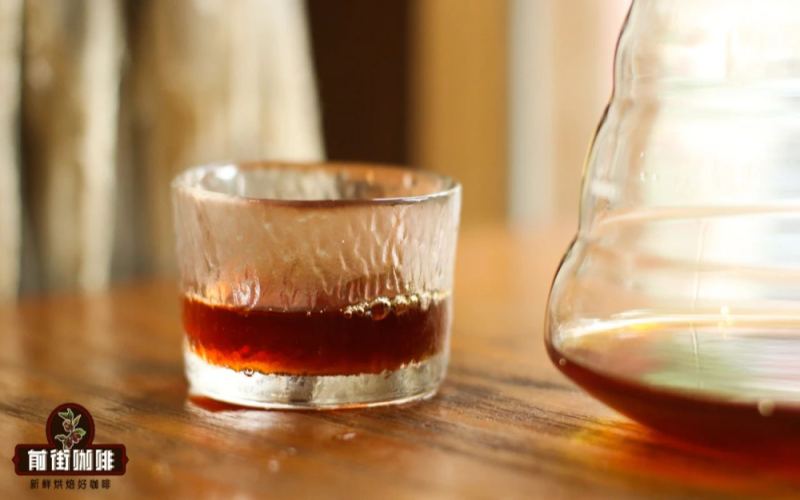
The Origin and Evolution of Costa Rican Honey Processing, with a Detailed Guide to Front Street Coffee Geisha Pour-Over Brewing
Why is honey-processed coffee exceptionally sweet? This question has surely lingered in the minds of many coffee enthusiasts. This article begins with Front Street's Colombia · Hope Estate Geisha coffee, tracing the origins and evolution of the honey processing method in Costa Rica, explaining the true meaning of the word "honey," sorting out the logic behind different names such as black honey, red honey, yellow honey, and white honey, and documenting in detail Front Street's complete pour-over parameters and steps for brewing this honey-processed Geisha, guiding you to a comprehensive understanding of this processing method that combines environmental friendliness with flavor advantages. [more…]
Why Does Honey-Processed Coffee Have Such Prominent Sweetness? An Analysis of Costa Rica's Honey Processing Method and a Front Street Coffee Geisha Pour-Over Tutorial
When it comes to coffees with prominent sweetness, natural and honey processing are often the first answers that come to mind. To make it possible to enjoy the rumored sweet flavors in daily life, Front Street Coffee's bean list always includes at least one honey-processed coffee, such as the recently launched Colombia · Hope Estate Geisha, which after honey processing displays intense rose aromatics and extremely high sweetness, and has been widely praised by customers. So why is honey-processed coffee so outstandingly sweet? Is honey actually added? This article will approach the topic from Front Street Coffee's perspective, sorting through the origins and evolution of the honey process, analyzing how Costa Rica became an important driving force behind this method, and explaining the origins of the names black honey, red honey, yellow honey, and white honey as well as their flavor differences. Finally, we will also share Front Street Coffee's practical brewing parameters for Hope Estate Geisha, letting you experience its cup profile of rich purple grape juice, lush rose aromatics, and lively citrus acidity. [more…]
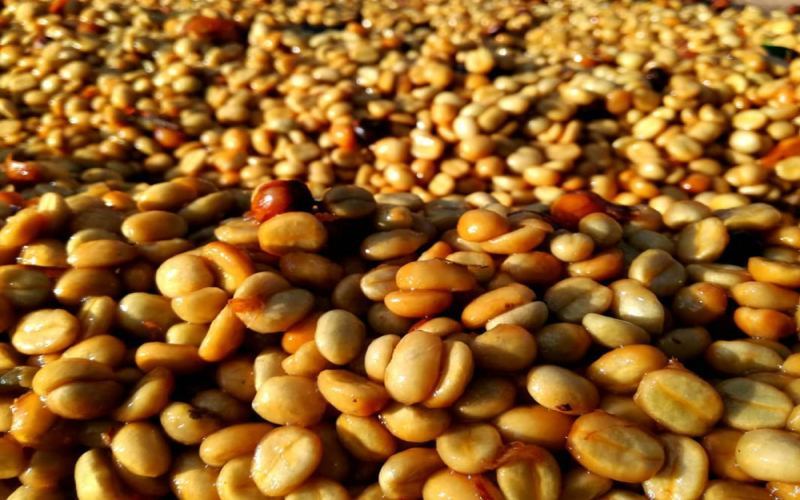
An Analysis of the Pour-Over Flavor and Mouthfeel Characteristics of Costa Rican Geisha and Mirazu Natural Process Beans
Costa Rica is renowned worldwide for its honey-sweet coffee flavors, and its honey processing technique is regarded as the industry benchmark. Since its founding in 2013, Front Street Coffee has introduced Costa Rican beans, which remain a signature choice for coffee lovers with a sweet tooth. This article systematically reviews Costa Rica's eight major producing regions, main coffee varieties, processing methods such as honey processing and raisin anaerobic honey processing, and highlights Front Street selected beans including the Mirazu Estate sun-dried Geisha and the Musician Series, taking you through a comprehensive understanding of the flavor code of this Central American coffee powerhouse. [more…]
Why Does Costa Rican Honey-Processed Coffee Have Such Outstanding Sweetness? Uncovering the Regions, Varieties, Processing Methods, and Import Situation
Costa Rican honey-processed coffee has long been celebrated for its honey-like sweetness, and Front Street Coffee has featured it as a signature pour-over since 2013. Although this Central American country is not the largest producer, its legally mandated cultivation of Arabica, its blessed volcanic soil and high-altitude growing regions, and its masterful honey-processing techniques combine to create elegant, sweet coffee flavors. From Front Street's perspective, this article systematically reviews Costa Rica's producing regions, common varieties, processing methods such as honey processing and raisin anaerobic honey processing, and recommends several representative coffee beans including the Musician Series, Fire Phoenix Sapphire, Rume Sudan, and Geisha. [more…]
Why Does Costa Rican Honey-Processed Coffee Have Such Prominent Sweetness? Front Street Coffee Geisha Pour-Over Parameters and Flavor Analysis
Honey-processed coffee always impresses with its pronounced sweetness. This processing method originated in Costa Rica, and the "honey" in its name does not refer to added honey, but to the mucilage layer retained on the surface of the green beans. This article starts with Front Street Coffee's Colombia La Esperanza Estate Geisha, sorting out the historical context, color classification, and flavor logic of honey processing, and fully presents Front Street's V60 three-pour brewing recipe, including dose, grind, water temperature, and pouring rhythm, helping coffee lovers understand why honey processing can deliver a full, juicy mouthfeel and a long, sweet finish while saving water and being environmentally friendly. [more…]
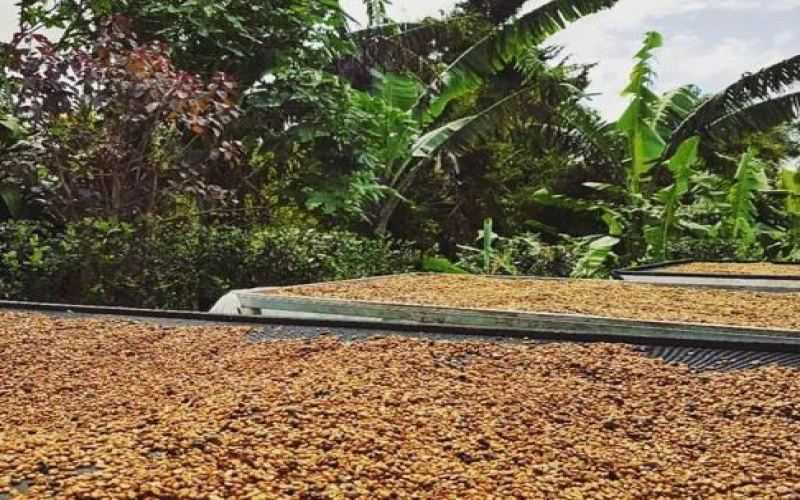
Tracing the Origins of Costa Rican Honey Processing: From Brazil Pulped Natural to Tarrazú La Labrador Estate Geisha Analysis
Costa Rican coffee is famous for honey processing, but honey processing does not mean adding honey—it is a method that retains the mucilage layer. Its predecessor was Brazil's pulped natural process, which Costa Rica borrowed, improved, and brought to prominence. This article systematically traces the development and flavor characteristics of Costa Rican honey processing, from the origins of honey processing, the invention of the mucilage remover, its promotion after the 2008 earthquake, and the subdivision into black, red, yellow, and white honey, to Front Street Coffee's introduction of the honey-processed Geisha from Finca San Isidro Labrador in the Tarrazú region, giving you an in-depth understanding of the ins and outs of this processing method. [more…]
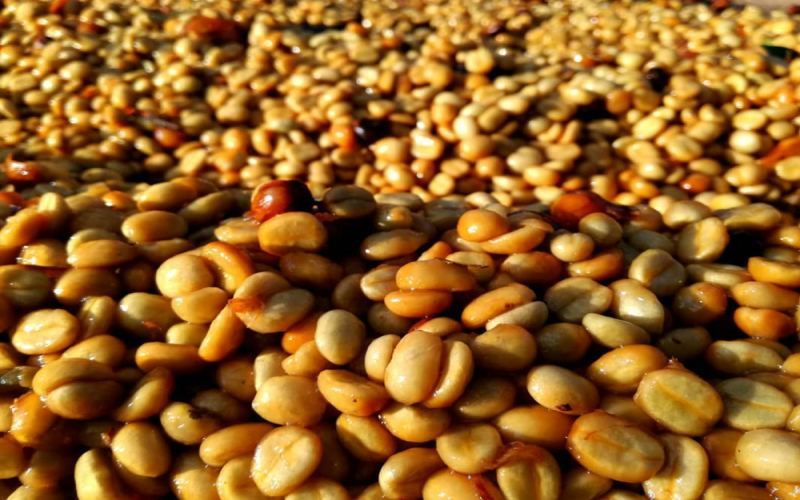
Why Is Costa Rican Coffee So Notably Sweet? A Flavor Profile Analysis of Honey-Processed Geisha Blend Beans
Costa Rican coffee is renowned for its outstanding sweetness, which is due both to the country's unique microclimates and high-altitude volcanic soil and to its strict control over the specialty coffee industry. As a key process for enhancing sweetness, honey processing preserves varying proportions of mucilage, giving coffee a diverse range of sweet expressions from caramel to dark berries. This article will analyze the sources of sweetness in Costa Rican coffee, explain in detail the classification and characteristics of honey processing, and recommend several representative honey-processed coffee beans from Front Street Coffee, including Geisha Blend, Blackberry, Mozart, and Strawberry Candy, to help readers fully understand the appeal of this processing method. [more…]
Exploring 90+ Specialty Coffee: A Multifaceted Flavor Analysis of Panama Geisha and Ethiopian Heirloom Varieties
Ninety Plus is a highly esteemed brand in the specialty coffee world, renowned for its coffee beans from the Panama Geisha estate and multiple regions in Ethiopia, celebrated for their unique processing methods and richly layered flavors. This article will analyze one by one more than ten Ninety Plus coffee beans recommended by Front Street Coffee, including Juliette, Lotus Solstice, the Horizon series, Ginseng, Clinique, the Nectar series, and more, covering honey processing, natural processing, and patented Solkiln, Red processing, Ruby processing, and other techniques. From origin, harvest season, variety, Level, altitude to processing method and flavor description, it fully presents the individual characteristics of each bean, guiding you to appreciate the splendid expression of Geisha and Ethiopian heirloom varieties in terms of cleanliness, sweetness, fruity aroma, and vinous notes. [more…]

Costa Rica Don Mayo Estate Geisha Flavor Analysis: A Complete Guide from Cup of Excellence Champion to Honey Processing
Don Mayo Estate is located in the Tarrazú region of Costa Rica and has been managed by the Bonilla family since 1994. With its high-altitude terroir and meticulous management, it has won numerous awards in Cup of Excellence competitions. The estate comprises fourteen plots, cultivating varieties such as Geisha and Catuai, and is renowned for its honey processing. This article reviews the estate's development history, plot characteristics, and award-winning journey, and combines two beans sourced by Front Street Coffee—Cedar Plot Red Honey Geisha and Vista Plot Black Honey Catuai—to present their flavor profiles and processing details for coffee enthusiasts' reference. [more…]
Flavor Analysis and Brewing Suggestions for Guatemala Santa Felisa Estate Geisha Orange Honey Process Coffee
Guatemala, with its high-altitude volcanic terrain and diverse microclimates, has become an important producer of specialty coffee in Central America, and its coffees often carry a distinctive smoky note in the finish. Finca Santa Felisa in the Acatenango region, founded in 1904 and now passed down through four generations, is known for its meticulous management and diverse processing methods. This article focuses on the estate's Geisha Orange Honey process lot, analyzing its flavor layers from grinding to tasting, including floral notes, honey, blueberry, apricot, and bergamot, while also introducing the estate's practices in varieties, post-harvest processing, and human care. It also shares Front Street Coffee's brewing parameters and bean-resting recommendations to help coffee enthusiasts better present the delicate elegance of this bean. [more…]
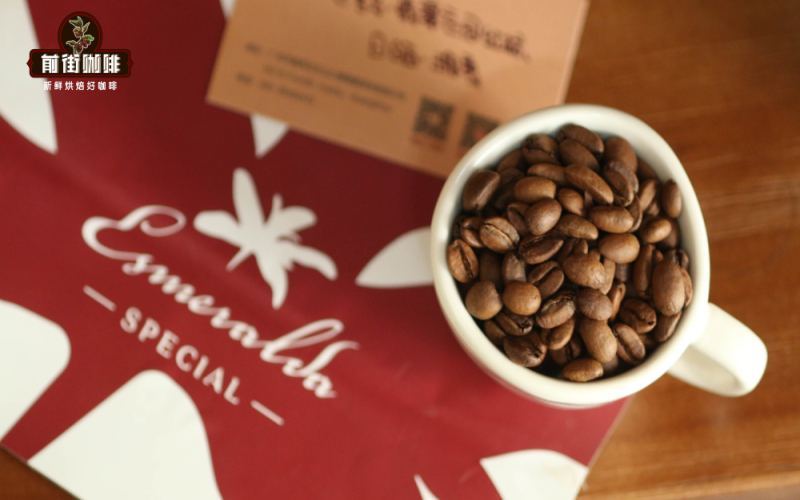
Panama Hacienda La Esmeralda Red Label Geisha: An In-Depth Look at the 2018 Auction Lot Yeast Processing Method
In the world of specialty coffee, Panama's Hacienda La Esmeralda Red Label Geisha has always been a focal point of great attention. In 2018, this competition lot debuted with a rare yeast anaerobic fermentation process, ultimately setting a high price of $340 per pound at auction. This article will take you deep into Hacienda La Esmeralda's producing region background, the discovery journey of the Geisha variety, the specific techniques of the yeast processing method, and the green bean characteristics, roasting, and brewing key points of this Red Label Geisha. Front Street Coffee also obtained a small amount of Red Label natural and yeast-processed lots this year, sharing them with coffee lovers at a relatively affordable price. [more…]
How Does Geisha Coffee Taste? Flavor Analysis of Deborah Estate Anaerobic Fermentation Natural Geisha
Geisha coffee has attracted much attention ever since it won the Panama BOP competition in 2004, and its delicate floral aroma and citrus-honey sweetness have captivated countless enthusiasts. This article focuses on Front Street Panama Geisha, first introducing the terroir advantages of the two major producing regions, Boquete and Volcán, then focusing on the grade classification and flavor performance of Hacienda La Esmeralda Red Label Geisha, and finally providing an in-depth analysis of Finca Deborah's anaerobic fermentation natural process—from high-altitude low-temperature slow ripening to 36 hours of sealed fermentation, dissecting layer by layer why this Geisha can present extremely sweet fruit and floral notes. Whether you are trying it for the first time or are a seasoned enthusiast, you can find clear guidance here for getting started with Geisha. [more…]
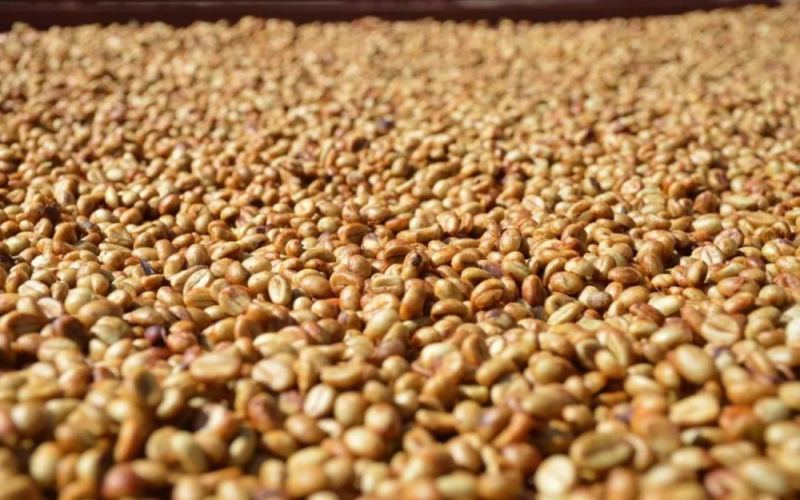
Honey Processing Fully Explained: From Pectin Retention to Flavor Differences and Process Evolution of Yellow, Red, and Black Honey
Honey processing is a coffee processing method that falls between natural and washed processing. Its name comes from the Spanish word "Miel" (honey), and it was first popularized by Costa Rica. By retaining different proportions of mucilage, honey processing gives coffee a full-bodied sweetness and bright acidity while greatly reducing water usage. Depending on how much mucilage remains, it is further divided into white honey, yellow honey, red honey, black honey, and other types, each differing in drying time, turning frequency, and flavor expression. This article will systematically sort out the origin, processing principles, and classification standards of honey processing, and introduce the Guatemala New Oriental Geisha coffee beans recommended by Front Street Coffee. [more…]
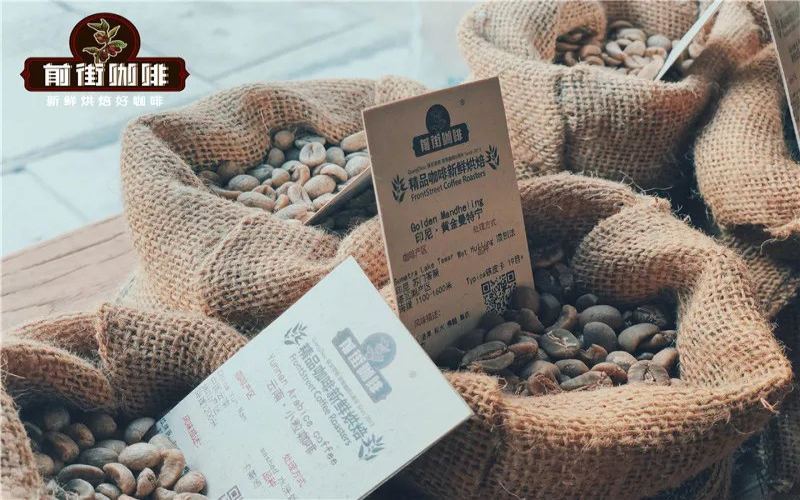
A Review of the Top Ten Classic Black Coffee Bean Origins and Flavors: A Tasting Guide from Blue Mountain and Geisha to Mandheling
In the world of black coffee, coffee beans from different regions and varieties each tell their own unique flavor story. Front Street Coffee has selected ten representative coffee beans from around the world, covering Jamaican Blue Mountain, Panama Geisha, Indonesian Mandheling, Ethiopian Huakui, Kenyan Little Tomato, Brazilian Yellow Bourbon, Colombian Sidra, Papua New Guinea Bird of Paradise, Yunnan Typica, and Costa Rican Mozart. These beans include both classic famous varieties known for their balance and richness, and emerging contenders that win people over with bright fruit acidity and fermented sweetness. This article will go through each bean one by one, covering its origin background, variety characteristics, processing method, and flavor performance, helping coffee lovers find the cup that suits their taste. [more…]

A Complete Analysis of Costa Rican Honey-Processed Coffee Bean Flavors and Processing Methods: From Semi-Washed to Yellow, Red, and Black Honey
The honey processing method originated in Costa Rica and represents an improvement and refinement of Brazil's pulped natural process. After removing the skin and pulp, it retains varying proportions of mucilage for sun-drying. Depending on the amount of mucilage retained and the duration of sunlight exposure, it is further classified into three grades—yellow honey, red honey, and black honey—with flavors ranging from balanced and sweet to intense and rich. This article systematically reviews the operational procedures, flavor characteristics, and grading logic of pulped natural and honey processing, and offers brewing recommendations for two representative beans from Front Street Coffee—the Brazil Red Bourbon and the Costa Rica Geisha—to help coffee enthusiasts gain a deeper understanding of the intricacies of this processing method. [more…]
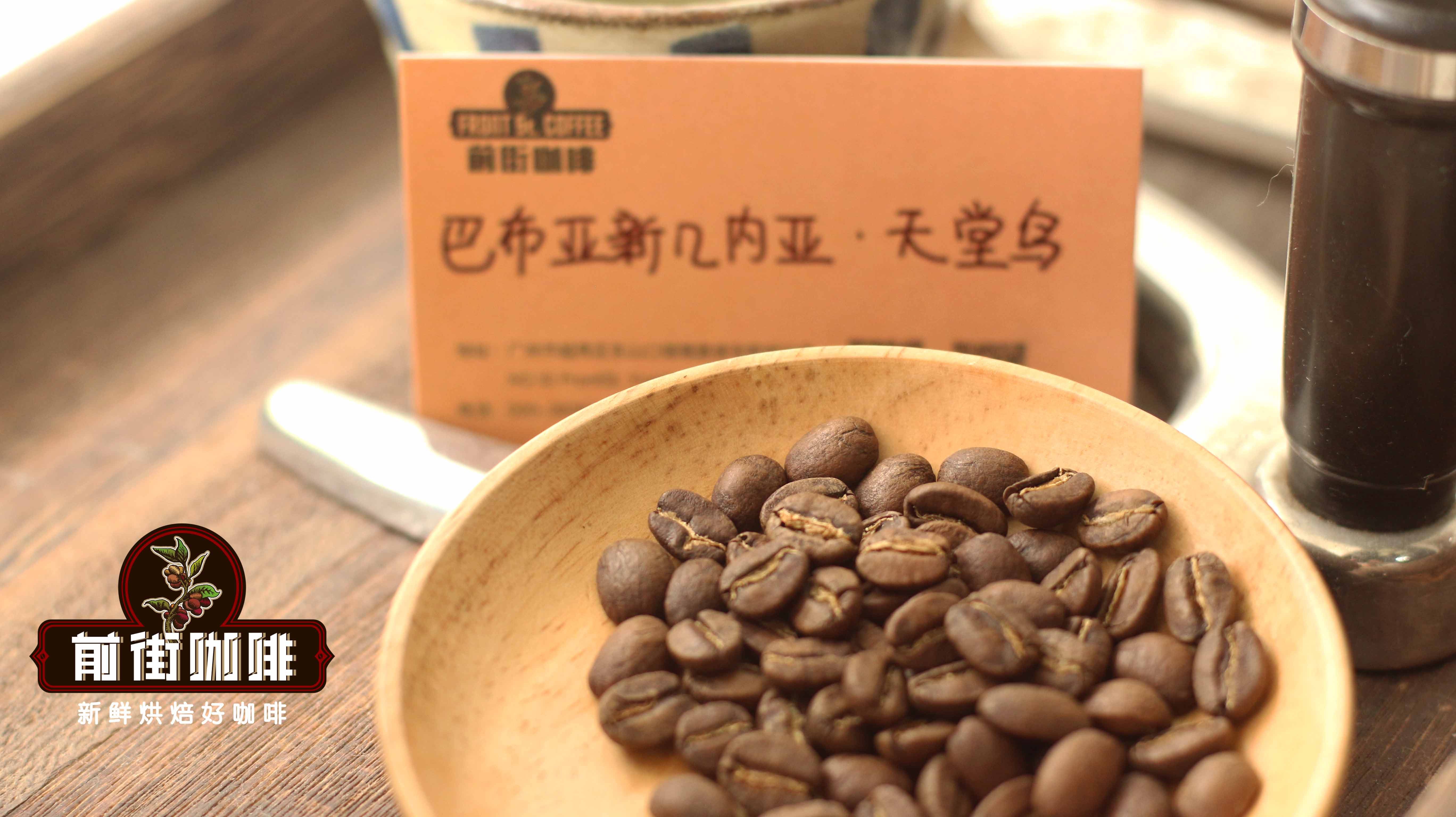
A Complete Global Guide to Coffee Varieties: Flavors, Characteristics, and Processing Methods from Arabica to Robusta
The coffee world is far more diverse than one might imagine. From a biological perspective, coffee is mainly divided into three major categories: Arabica, Robusta, and Liberica, with the first two accounting for the vast majority of global production. Arabica is known for its balanced flavor and elegant aroma, and is often used for single-origin and specialty coffee; Robusta, with its strong acidity and rich body, is an important ingredient in espresso blends and instant coffee. Beneath this, varieties such as Typica, Bourbon, Caturra, and Geisha each have their own characteristics, with flavors ranging from nutty chocolate to floral and fruity notes. In addition, green bean processing methods such as natural, washed, honey, and wet-hulled also profoundly affect the final acidity, sweetness, and body of a cup of coffee. This article will systematically sort out the origins, characteristics, and flavor expressions of the world's major coffee varieties, helping coffee enthusiasts build a complete framework of variety knowledge. [more…]

Panama Hacienda La Esmeralda Washed vs. Natural Geisha Comparison: Flavor Differences, Red and Green Label Distinctions, and Brewing Key Points
The Geisha variety has always carried an aura in the coffee world, and many friends who are just getting into specialty coffee first hear its name before tasting its flavor. At Front Street Coffee shops, customers often pull the baristas aside to ask what exactly makes Geisha so special. This article starts with the variety's origins, sorts through the flavor differences that the two traditional processing methods—washed and natural—bring to Geisha, and specifically compares the characteristics of two representative beans from Panama's Hacienda La Esmeralda, the Red Label and Green Label, before finishing with Front Street's brewing parameters and techniques to help everyone understand this bean more completely. [more…]
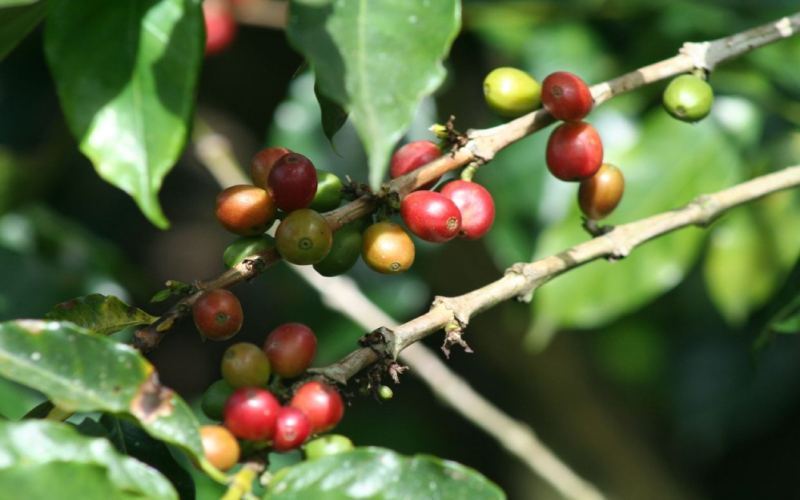
The Evolution and Classification of Costa Rican Honey-Processed Coffee Beans: A Complete Guide to Yellow Honey, Red Honey, Black Honey, and Raisin Honey Processing
Although Costa Rica introduced coffee from Cuba as early as 1729, it long supplied the United States with commercial beans, and its transition to specialty coffee is only a matter of the past decade. To increase export value, the government established a coffee trust fund, and estate owners turned to honey processing one after another, using fine fermentation to create distinctive flavors. This article will review this history, explain in detail the fermentation differences between white honey, yellow honey, red honey, and black honey, and introduce the innovative process of raisin honey processing. The article also specially includes representative products using honey processing methods, such as Front Street Blackberry, Front Street Mozart, and Front Street Strawberry Candy · Geisha Blend, for the reference of coffee lovers. [more…]
An In-Depth Explanation of the Meaning of 90+ Single-Origin Bean L195: A Complete Guide to the Flavor Description System and Grading Rules
90+ (Ninety Plus) is a highly regarded green coffee brand in the specialty coffee world, and its unique flavor symbols and Level grading system often leave enthusiasts confused. This article will start with the L195 grade, systematically sorting out 90+'s grading logic, the meanings of its flavor symbols, its exclusive processing methods (Red, Ruby, Solkiln), and the Profile Processing production system. At the same time, it will explain in detail the representative 90+ coffees recommended by Front Street Coffee, including the flavor characteristics of beans such as Perci, Straight Talk, and Lotus, and their corresponding grades, helping readers fully understand this legendary brand's green coffee philosophy. [more…]
The Origin and Flavor Characteristics of Costa Rican Honey-Processed Coffee: A Complete Analysis from Naming Origins to Brewing Parameters
When it comes to coffees with pronounced sweetness, natural and honey processing are often the first two methods that come to mind. Front Street Coffee's bean list always keeps at least one honey-processed coffee, and the recently launched Colombia Finca La Esperanza Geisha is honey-processed, with intense rose aromatics and extremely high sweetness. What exactly does the "honey" in honey processing refer to? Why is it so strikingly sweet? This has to start with the evolution of processing methods in Costa Rica. This article will sort out the origin of the name honey processing, its timeline of origin, and the logic of its color classification, and include Front Street Coffee's practical brewing parameters for this Geisha, to give you a comprehensive understanding of the flavor code of this processing method. [more…]