







How Does the Coffee Grading System Relate to Costa Rican Sweetness?
Costa Rican coffee shows pronounced sweetness for two reasons: growing conditions and processing. The country sits on the Central American isthmus, influenced by Pacific and Atlantic currents and monsoons, with more than 80 percent of coffee grown at 800 to 1,700 meters in volcanic soil. The Honey Process, which leaves part of the mucilage on the bean, adds caramel-like sweetness.
In the coffee grading system, Costa Rica follows other Central American origins and grades largely by altitude. Higher elevations bring a wider gap between day and night temperatures, which slows cherry maturation and supports denser arabica coffee bean development. Honey processing then preserves varying proportions of mucilage, giving sweetness that ranges from caramel to dark berries in the cup.
Costa Rican coffee is renowned for its prominent sweetness, which benefits both from the country's unique microclimates and high-altitude volcanic soil, and from its strict control over the specialty coffee industry. As a key process for enhancing sweetness, honey processing preserves varying proportions of mucilage, giving coffee a diverse range of sweet expressions from caramel to dark berries. This article will analyze the sources of sweetness in Costa Rican coffee and provide a detailed introduction to the classifications and characteristics of honey processing, while also recommending several representative honey-processed coffee beans from Front Street Coffee, including Geisha Blend, Blackberry, Mozart, and Strawberry Candy, to help readers fully understand the appeal of this processing method.
When it comes to coffee with exceptional sweetness, many people immediately think of Costa Rica. The coffee beans produced in this Central American country are not only of outstanding quality, with clean and gentle flavors and pleasant aromas, but their sweetness is especially prominent. So why is Costa Rican coffee so high in sweetness?
Front Street Coffee's analysis suggests that this is related to Costa Rica's near-perfect growing climate and terrain conditions, along with the government's close attention to the coffee industry and its strict requirements for high-quality coffee production. Another key factor is the widespread use of the Honey Process, which effectively enhances coffee's sweetness and imparts a caramel-like texture. Front Street Strawberry Candy is precisely a Geisha blend processed using the honey method.
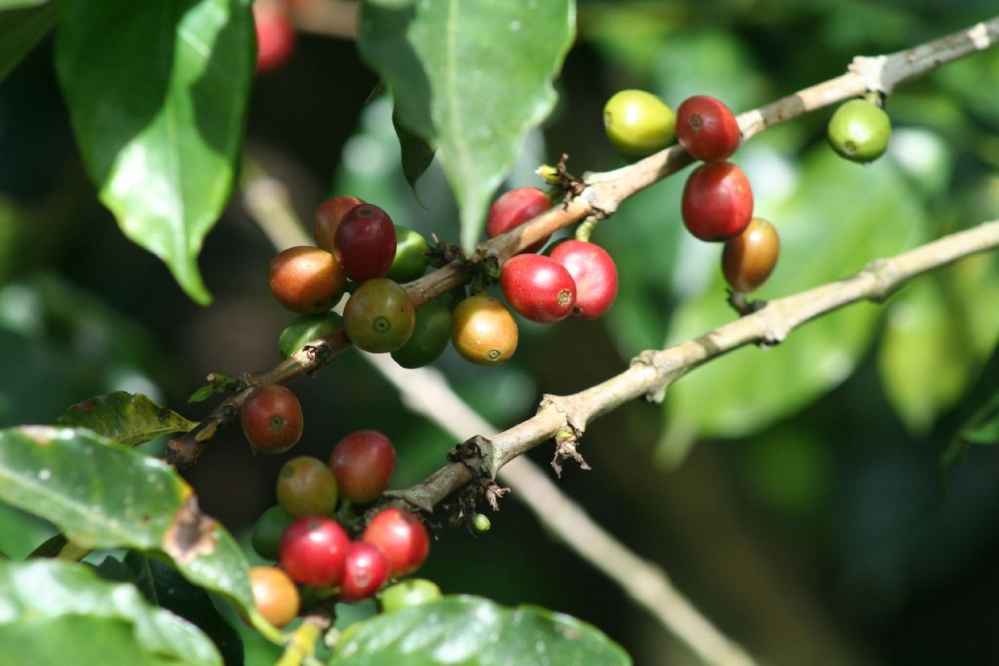
Costa Rica is located in the Central American isthmus, influenced by both Pacific and Atlantic ocean currents and monsoons, creating suitable temperature conditions and unique microclimates. The country's coffee-producing regions are mainly distributed in the central area, with the Cordillera mountains running through the entire territory, creating numerous volcanic mountain ranges and basins. More than 80% of coffee is grown at altitudes of 800 to 1,700 meters in volcanic soil.
In terms of the coffee grading system, Costa Rica is similar to other Central American origins, primarily using altitude as the衡量 standard. The higher the altitude, the greater the temperature difference between day and night. In low-temperature environments, the maturation period of coffee cherries is extended, allowing sugar to accumulate more fully and flavors to develop more richly, while the density and hardness of the beans are also superior. Currently, most coffee beans exported from Costa Rica belong to the SHB grade (above 1,200 meters altitude) of strictly hard beans, and the Tarrazu region, which Front Street most frequently selects, can reach altitudes of 1,500 to 2,100 meters.
The Costa Rican government's emphasis on the coffee industry is also worth mentioning. The authorities believe that only by producing high-quality Arabica coffee beans can they secure an advantageous position in the international market. As early as the beginning of the 20th century, they legislated to prohibit the cultivation of coffee varieties other than Arabica, demonstrating their firm commitment to maintaining specialty coffee quality.
A concept needs to be clarified here: the "honey" in honey processing has no direct relationship with sweetness. This "honey" does not mean the coffee tastes as sweet as honey.
Honey Process is translated from the English term Honey Process, also called Miel Process. Whether Honey or Miel, the original meaning is honey. This naming originated in Costa Rica, because the layer of mucilage covering the coffee beans has a sticky texture similar to honey, so locals habitually use "Miel" to refer to it.

Later, because one step in the honey process involves leaving the mucilage on the coffee beans for sun drying, people simply named this processing method "honey processing."
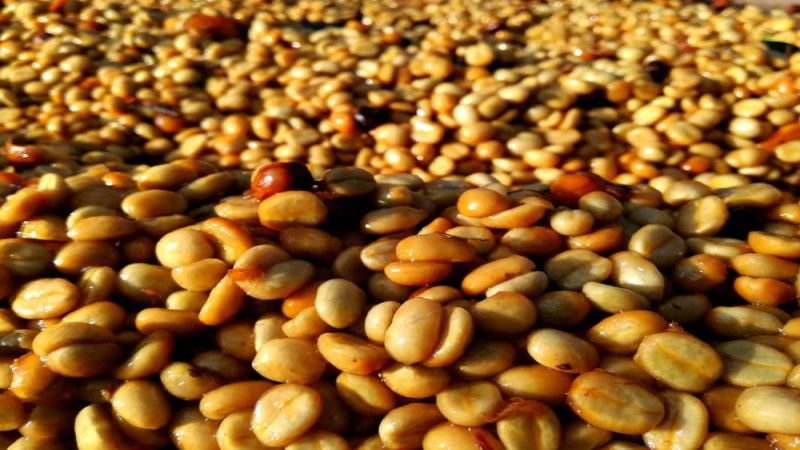
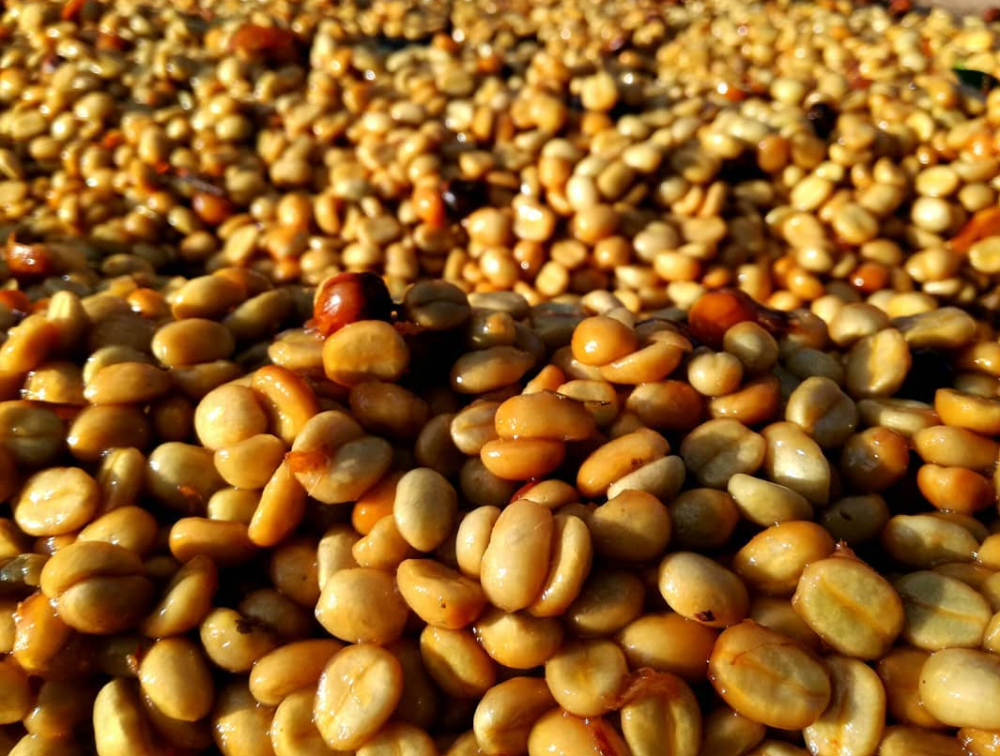
The honey process is not particularly complicated, and its predecessor is Brazil's semi-dry process. First, the harvested coffee cherries undergo floatation to remove defective fruits and impurities. Then a specialized depulper removes the skin and flesh while retaining the mucilage, allowing the coffee beans to enter the sun-drying stage with the mucilage intact. After the beans dry to a specific moisture content, they can be recovered for storage, and the hulling process is completed before export.
The mucilage is rich in sugar and begins to oxidize upon contact with air, with its color gradually darkening as drying time extends. From the initial yellow-white, it gradually transitions to golden yellow, yellow, and even reddish-brown or black. The final color depends on how much mucilage is retained, and the drying time also varies between 2 to 4 weeks depending on the mucilage content.
The more intact the mucilage left during the depulping stage, the longer the drying time required, and the darker the final color of the mucilage. What we commonly call white honey, yellow honey, red honey, and black honey are actually honey processing types classified by the degree of mucilage retention. White honey retains the least mucilage, yellow honey and red honey retain progressively more, and black honey retains the most complete mucilage.
Theoretically, black honey processing, because it retains the most complete mucilage and undergoes the deepest fermentation, has the highest sweetness and comes closest to the effect of natural processing. However, due to the more elaborate procedures, the price is usually slightly higher. Representative coffee beans for black honey processing include Front Street Blackberry, a high-altitude single-origin bean from Costa Rica with natural floral and fruity aromas, using a medium-light roast, which after brewing presents sweet floral notes, grape, sweet orange, and liqueur chocolate flavors.
Interestingly, different producers have inconsistent definitions of various honey processing types, and there is a lack of clear defining standards in the industry. As a result, it often happens that what one estate defines as "yellow honey" may be classified by another as "white honey" or "red honey."
In addition to the conventional honey processing types of white, yellow, red, and black, there are some more special processing methods. For example, Front Street Strawberry Candy and Mozart on the Front Street bean list use a distinctive "raisin honey process." Unlike conventional honey processing, raisin honey processing involves drying the coffee cherries for at least three days before depulping. After the fruits begin to shrivel, they are then depulped and hulled, followed by the honey processing procedure.
This processing method allows the coffee to present more complex flavor layers. We recommend trying Front Street Mozart and Front Street Strawberry Candy, both of which carry complex flavors of strawberry, berries, and raisins, with very prominent sweetness. In summary, regardless of the type of honey processing, the "honey" does not refer to the taste of the coffee, but to the mucilage with a honey-like texture.
The above content is compiled by CoffeeHunters, a coffee news website.


