





How Does the Honey Process Shape Geisha Coffee Beans?
Honey-processed coffee tastes sweet because the mucilage, a sticky pectin layer left on the bean after depulping, is dried in place rather than washed off. The term honey comes from miel, the Spanish word for honey, which Costa Rican producers used for that substance. Front Street's Colombia Esperanza Estate Geisha is a honey-processed example with notes of blackcurrant, blueberry, orange, and red wine.
The method descends from Brazil's pulped natural process and was adopted in Costa Rica partly to cut water use. Around 1997 to 2000, a prolonged slump in coffee prices pushed producers toward these sweeter, resource-light lots. Grades such as black, red, yellow, and white honey reflect how much mucilage remains during drying, which shifts the final sweetness.
Why is honey-processed coffee especially sweet? This question has surely lingered in the minds of many coffee lovers. This article starts with Front Street's Colombia · Esperanza Estate Geisha coffee, traces the origin and evolution of the honey process in Costa Rica, explains the true meaning of the word "honey," sorts out the logic behind the different names such as black honey, red honey, yellow honey, and white honey, and records in detail the complete pour-over parameters and steps Front Street used to brew this honey-processed Geisha, giving you a comprehensive understanding of this processing method that combines environmental friendliness with flavor advantages.
For more specialty coffee knowledge, please follow our WeChat official account: Front Street Coffee (FrontStreet Coffee).
When it comes to coffees with a sweeter flavor profile, many people, like Front Street, probably have two first thoughts: natural or honey process. So that everyone can regularly enjoy that legendary sweetness, Front Street's bean list has almost always kept at least one honey-processed coffee. Take the recently listed Colombia · Esperanza Estate Geisha—it uses the honey process, with a rich, striking rose aroma and quite high sweetness, and customer feedback has consistently been very good. So one can't help asking—why is honey-processed coffee so outstandingly sweet? Could it be that honey is actually added to it?
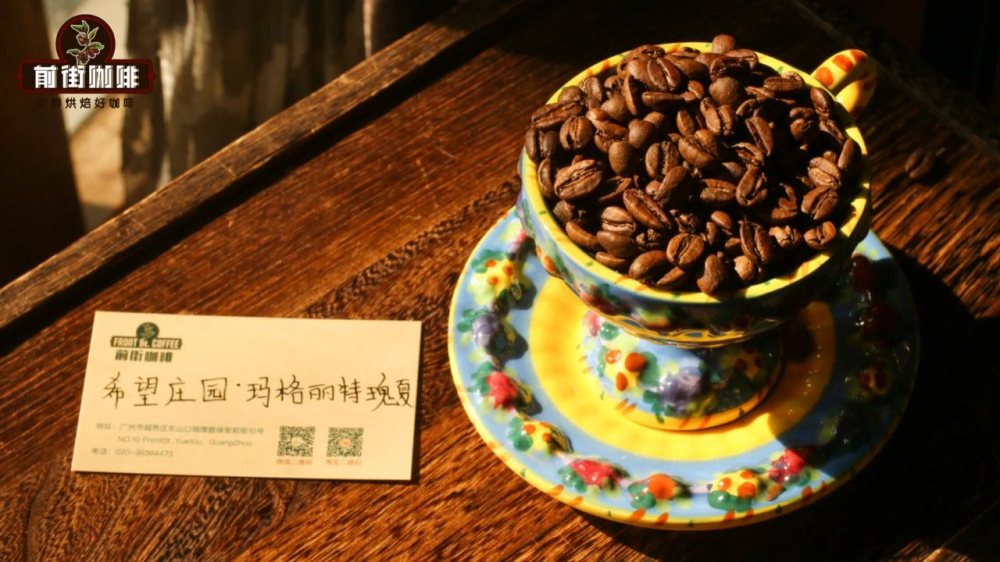
Front Street Colombia · Esperanza Estate Geisha coffee beans
Country: Colombia Region: Cauca Department Altitude: 1,850 meters Variety: Geisha Processing method: Honey process Flavor: blackcurrant juice, blueberry, orange, smoked plum, red wine
What does "honey" in honey process refer to?
Honey process corresponds to the English term Honey Process, also called Miel Process, and the word "honey" comes from Miel—the Spanish word for "honey." This naming first originated in Costa Rica, where locals call this sticky, pectin-like substance "Miel." This processing method, which sounds sweet just from its name, actually has its predecessor in Brazil's Pulped Natural. The original purpose of its invention was simply to save water. As for how the honey process took root and grew in Costa Rica, Front Street has sorted out two key points in time.
In the latter half of the last century, coffee produced in Costa Rica basically followed the washed route, and with innovative depulping equipment and wet mills, it could be considered a leader in modern washed technology.
Around 1997 to 2000, the international coffee market was sluggish all the way, and in order to earn a bit more money to get by, growers abandoned the settlement model of selling coffee cherries directly to large processing stations and switched to producing and selling on their own. In this way, coffee farmers gained a say over the processing stage and naturally dared to conduct various experiments, and it was against this backdrop that depulping and drying techniques were introduced into production.
The honey process first came into the public eye in 2006, when a coffee farmer named Juan Ramón Alvarado, with two lots of honey-processed beans, took both first and second place at the SCAA's Costa Rica GOLDEN HARVEST green coffee competition. The following year, in the first Costa Rica CoE, three of the top five were honey-processed.
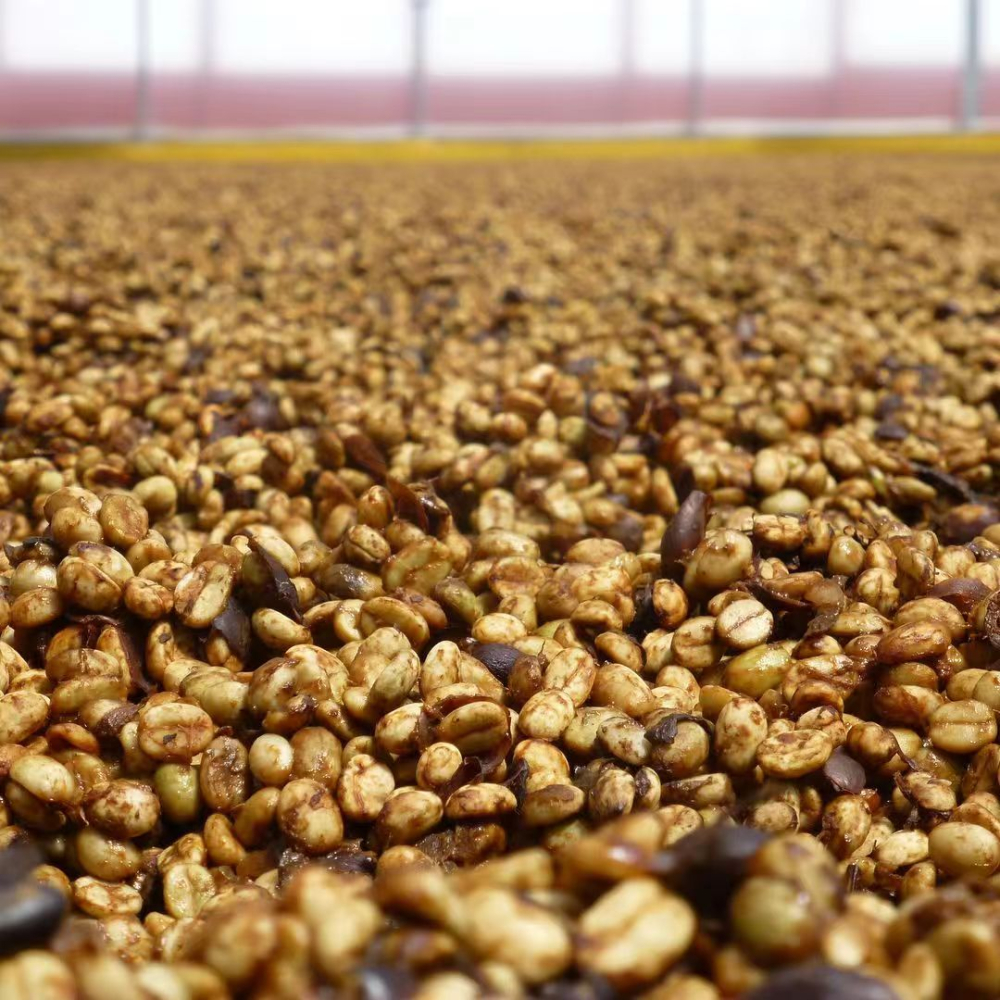
In 2008, Costa Rica was hit by a major earthquake, and many areas suffered severe power outages and water shortages. To cope with the immediate predicament, local coffee farmers began adopting this water-saving technique. At first, many people were resistant, believing that drying with fruit pulp and pectin still attached could easily trigger uncontrollable fermentation, but after many farms tried it, not only were the results positive, water usage also dropped significantly. Later, by regulating the degree of pectin fermentation, they derived honey-process variants with different flavors.
In terms of naming, everyone should be familiar with the colored labels black honey, red honey, yellow honey, and white honey. The reason is that pectin is rich in sugar, and green beans that retain only pectin will oxidize after contact with air, with the surface gradually turning from the initial yellow-white to golden yellow, and as fermentation progresses, it may even turn deep red or even black-purple, until drying is complete.
In theory, black honey or red honey is closer to natural than yellow honey or white honey, and has a stronger fermented character. However, even now, there is still no precise industry standard for distinguishing honey processes of different colors, and most of the time it is left to the producer to decide, so confusion in naming is unavoidable—what one company labels "red honey" may be called "yellow honey" by another.
The drying period for honey process falls between natural and washed, ranging from as short as two weeks to as long as four weeks. The flavor is likewise often somewhere between natural and washed, with most leaning toward the natural style, possessing both preserved-fruit-like sweetness and often a solid, bright acidity. Compared with the washed method, honey process can save about 40% of fresh water and also avoids the defective, negative flavors brought by long exposure to the sun. In cupping, honey-processed coffee usually presents full yet delicate fruity sweetness and acidity and refined, complex floral notes, with a fresh and clean mouthfeel. Saving water, being environmentally friendly, and tasting good—these three advantages made the honey process rapidly popular in Central and South America, and honey-processed coffee is especially favored in the specialty market.
Next, let's move on to the practical part and see how Front Street brewed this Geisha. The parameters are as follows:
Dose: 15g Grind setting: 9.5 on the EK43, 80% pass-through rate on a No. 20 sieve, caster sugar grind Coffee-to-water ratio: 1:15 Brewing water temperature: 92°C Brewing method: three-pour method Dripper used: V60
The first step, as usual, is blooming: pour in water at twice the coffee dose and let it bloom for 30 seconds. You can see that this Geisha absorbs water quite well, with a very obvious dome.
After the bloom ends, pour in a circular motion from the center outward to wet the entire coffee bed, then continue pouring in larger circles. At this stage, use a strong stream, aiming to raise the coffee bed and make the coffee more layered, with a pouring volume of 130 ml.
Once the hot water has mostly permeated, switch to a small stream in a small circle around the center and pour in the remaining 65 ml of hot water. After pouring is complete, wait for the water to finish draining, then stop extraction.
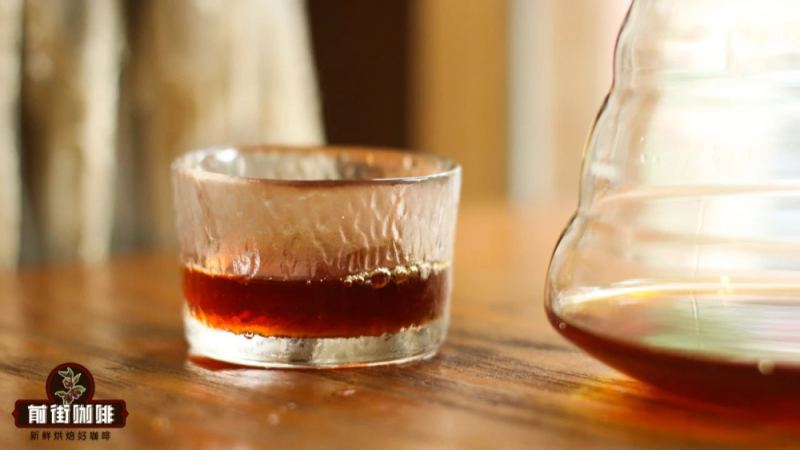
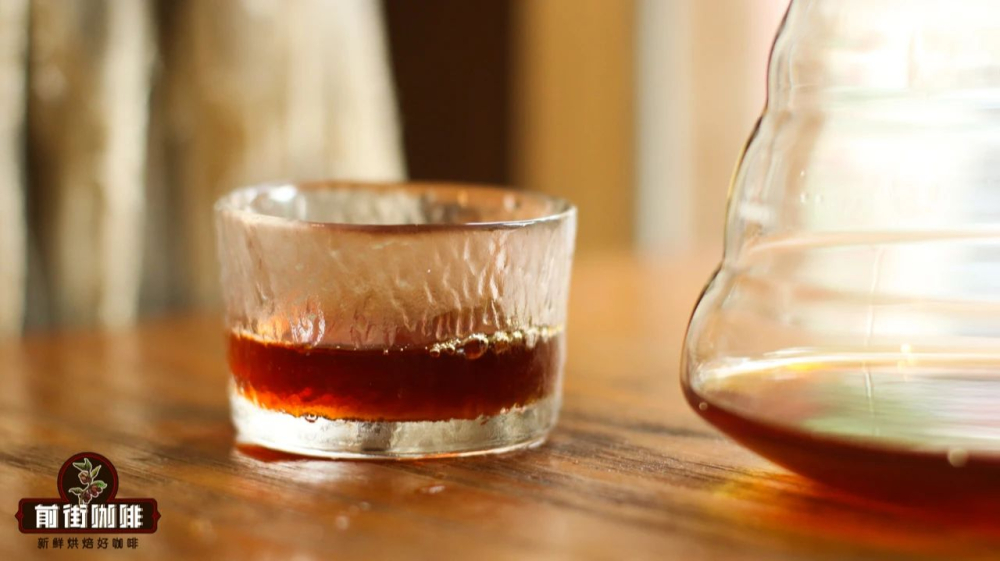
The Esperanza Estate Geisha brewed this way, just as described earlier, has a very full purple grape juice sensation, a rich rose aroma, and lively citrus acidity. High sweetness, lasting finish—quite outstanding!!
The above content is compiled by CoffeeHunters, a coffee news website.


