







How Did Honey Processing Reach Costa Rican Coffee Farms?
Costa Rican honey processing does not mean adding honey. It retains the coffee bean's mucilage layer, which contains sugar and has a sticky texture that recalls honey. The method's prototype was Brazil's pulped natural process, developed to cut water use while improving coffee quality. Costa Rica borrowed and improved it, then promoted it widely, and it now appears in many producing countries across the Americas.
In the early days, Costa Rica mainly used the washed process, and many farmers still insist on it because washing restores the bean's own aroma. Between 1997 and 2000, depressed international coffee prices pushed growers to research processing themselves. A honey-processed geisha coffee from Hacienda San Isidro Labrador in Tarrazú shows how far the method has come.
Costa Rican coffee is famous for honey processing, but honey processing does not mean adding honey—it is a method that retains the mucilage layer. Its predecessor was Brazil's pulped natural process, which Costa Rica borrowed, improved, and brought to prominence. This article systematically traces the development and flavor characteristics of Costa Rican honey processing, from its origins, the invention of the demucilager, its promotion after the 2008 earthquake, and the subdivision into black, red, yellow, and white honey, to Front Street Coffee's introduction of a honey-processed Geisha from Hacienda San Isidro Labrador in the Tarrazú region, taking you deep into the ins and outs of this processing method.
When Costa Rican coffee comes up, honey processing is often an unavoidable topic. Many people, upon first hearing the name "Honey processing," mistakenly assume that honey is added during processing. This is not the case—this method retains the coffee bean's mucilage layer, and since mucilage itself contains sugar and has a sticky, gooey texture, it easily reminds people of honey, which is how the name "honey processing" came about.
The prototype of honey processing was actually Brazil's pulped natural process. Back then, Brazil developed this technique to reduce water usage while improving coffee quality. Costa Rica later borrowed Brazil's approach, and after improvements formed honey processing and promoted it widely; today it can be found in many producing countries across the Americas.
In the early days, Costa Rica mainly used the washed process and was once recognized as a pioneer in the modernization of washing stations and wet mills. Even today, many coffee farmers still insist on washed processing, because washing restores the coffee bean's own aroma to the greatest extent and showcases its basic flavors. In Front Street Coffee's introductory selection series, the coffee beans from Tarrazú, Costa Rica also use the washed process, featuring sweet orange and nutty flavors—light, pure, and pleasantly aromatic, presenting the terroir of Costa Rica.
Between 1997 and 2000, international coffee prices remained depressed, and Costa Rican growers urgently needed to raise prices by improving quality. So some growers stopped selling coffee cherries to large processing plants and instead researched processing methods themselves, producing and selling on their own, and it was at this stage that they introduced Brazil's pulped natural process.
At the same time, they also developed the demucilager. Compared with Brazil's depulper, the demucilager can adjust pressure and aperture size, allowing more or a more complete mucilage layer to be retained when removing the skin and pulp.
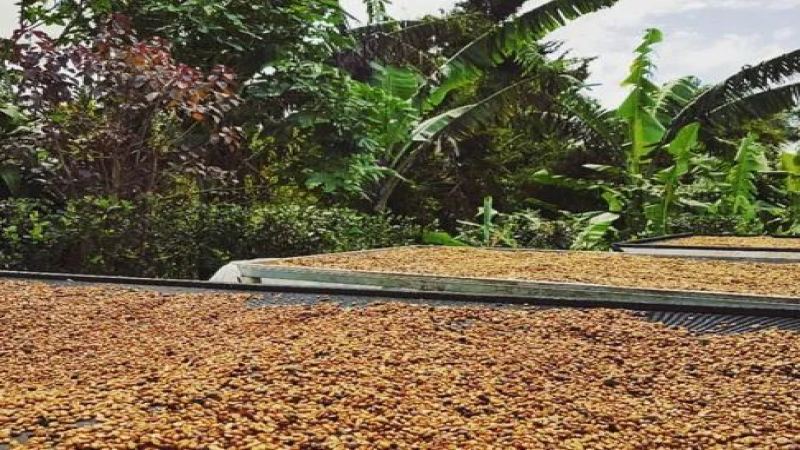
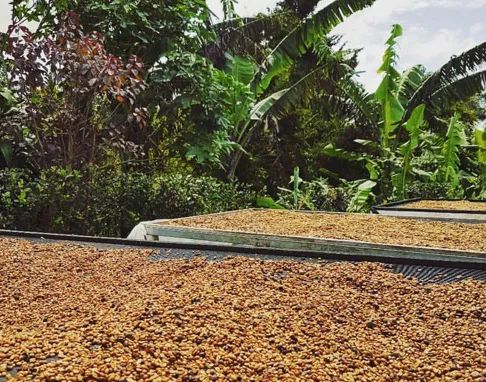
The coffee beans with the mucilage layer are then sent for drying. During sun-drying, the residual mucilage undergoes brief fermentation, adding acidity to the beans, and the sugars in the mucilage layer seep into the bean in small amounts, enhancing sweetness, making the flavor richer than Brazil's pulped natural. However, the drying stage of honey processing requires special care—the bean surface retains mucilage and a large amount of sticky liquid, so it must be constantly turned to prevent mold or over-fermentation.
In 2008, Costa Rica suffered a severe earthquake, with water and power outages in many areas, and the government also adopted various water-saving measures. Facing water shortages, more growers began trying honey processing as a water-saving method, though some coffee farmers believed this method was prone to uncontrollable fermentation.
As more and more people experimented and achieved good results, honey processing gradually developed in Costa Rica. Cupping revealed that compared with washed processing, honey-processed beans have higher sweetness, medium acidity, and a less aggressive mouthfeel.
Later, people subdivided honey processing into black honey, red honey, yellow honey, and white honey based on the thickness of retained mucilage and drying time. However, it was later found that when depulping, the proportion of mucilage retained cannot be precisely controlled, nor is it easy to change the degree of mucilage retention.

The main factor determining color is the sugar content in the coffee fruit. Mucilage contains a large amount of sugar, and when the sugar contacts the air it begins to oxidize, slowly turning golden yellow, and as fermentation time lengthens it may turn red or black. The secondary factor is the fermentation state, which depends on the frequency of turning during drying, as well as weather changes, humidity, and other conditions.
Recently, Front Street Coffee acquired a Geisha coffee bean from Hacienda San Isidro Labrador in the Tarrazú region, processed using honey processing. Geisha itself has floral notes and fruity acidity, and honey processing enhances its sweetness, so Front Street Coffee chose a medium-light roast; after brewing, it has a faint floral aroma, with orange, peach, and cherry flavors on the palate, juice-like sweetness, a smooth mouthfeel, and a tea-like finish.
To learn more about coffee origin news and information, please scan the QR code to follow: 咖评
Long-press the QR code to follow:
The above content is compiled by CoffeeHunters, a coffee news website.


