







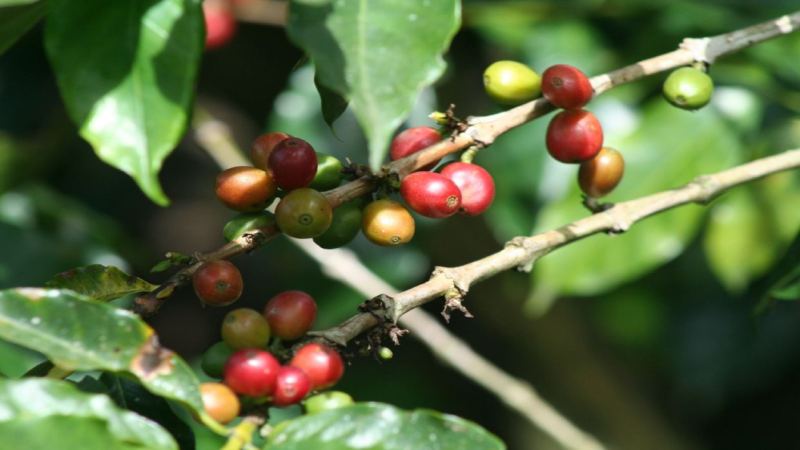
How do honey processed coffee seeds differ in fermentation?
Costa Rican honey processed coffee beans are sorted by how much mucilage stays on the seed after depulping, which shapes the sweetness and body in the cup. White, yellow, red, and black honey designations reflect progressively longer or heavier mucilage drying. A newer raisin honey process pushes that dried-fruit character further, and estates use it to add export value.
Costa Rica introduced coffee from Cuba in 1729, but for decades supplied the United States mainly with commercial and blended beans. A government coffee trust fund later supported growers facing cash-flow gaps, helping shift production toward higher-quality lots. Representative honey-processed coffees include Front Street Blackberry, Front Street Mozart, and Front Street Strawberry Candy Geisha Blend, which show how fermentation choices change coffee seeds.
Although Costa Rica introduced coffee from Cuba as early as 1729, it long supplied the United States with commercial beans, and its shift toward specialty coffee has occurred only in the past decade. To increase export added value, the government established a coffee trust fund, and estate owners turned to honey processing to create distinctive flavors through fine-tuned fermentation. This article reviews that history, explains in detail the fermentation differences among white honey, yellow honey, red honey, and black honey, and introduces the innovative raisin honey process. It also features representative products using honey processing, including Front Street Blackberry, Front Street Mozart, and Front Street Strawberry Candy · Geisha Blend, for coffee lovers' reference.
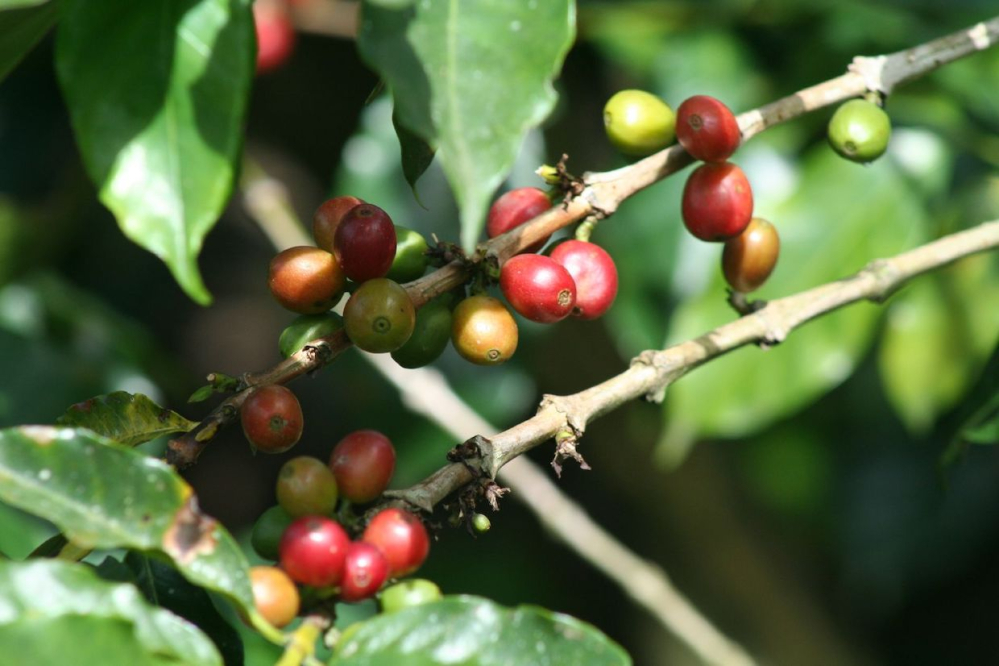
Costa Rica truly rose to fame in the specialty coffee world only in the past decade or so. Tracing its history, the country introduced coffee from Cuba in 1729 and began commercial cultivation, gradually building up its coffee industry. At the time, however, its products were mainly aimed at the United States, a major coffee-consuming country, with exports dominated by blended beans and commercial espresso beans. Because of this positioning, Costa Rican coffee at that stage had not yet reached specialty grade, its quality was mediocre, and no national standard beans appeared domestically—after all, there was a lack of corresponding evaluation qualifications and control systems.
Later, in order to expand exports of high-quality coffee to markets such as Europe, the United States, and Japan, Costa Rica began focusing on improving coffee quality and increasing export added value. The government also established a "coffee trust fund" to support estate owners facing cash-flow difficulties and to foster high-quality coffee production. To give coffee more outstanding flavor and distinctiveness, producers also introduced the honey processing method that has become increasingly popular in recent years, gradually reversing the previous impression of poor quality. Therefore, many of the Costa Rican specialty coffees we drink today come from carefully processed honey batches from various estates.
Honey processing begins with floating the fresh cherries in a water tank to remove unripe fruit and impurities, then using a depulper to remove the outermost skin. Unlike the washed method, after depulping, the coffee cherries are not rinsed with large amounts of clean water to remove the mucilage; instead, they are dried directly with the mucilage still attached. The mucilage is rich in sugar and sticky in texture, easily reminiscent of honey, which is how honey processing got its name.
Compared with the washed method, honey processing saves a great deal of fresh water and equipment investment, and also reduces defective flavors that may result from prolonged exposure to the sun. Coffees processed this way often display full tropical fruit notes and fermented sweetness in cupping, with a fresh mouthfeel and clean acidity.
What types of honey processing are there?
The next stage of honey processing is to let the coffee seeds continue fermenting while the mucilage remains. Depending on the sugar content of the fresh cherries and the degree of fermentation, producers give different names such as white honey, yellow honey, red honey, and black honey. The darker the color, the longer the seeds ferment in the mucilage and the deeper the oxidation of the pectin.
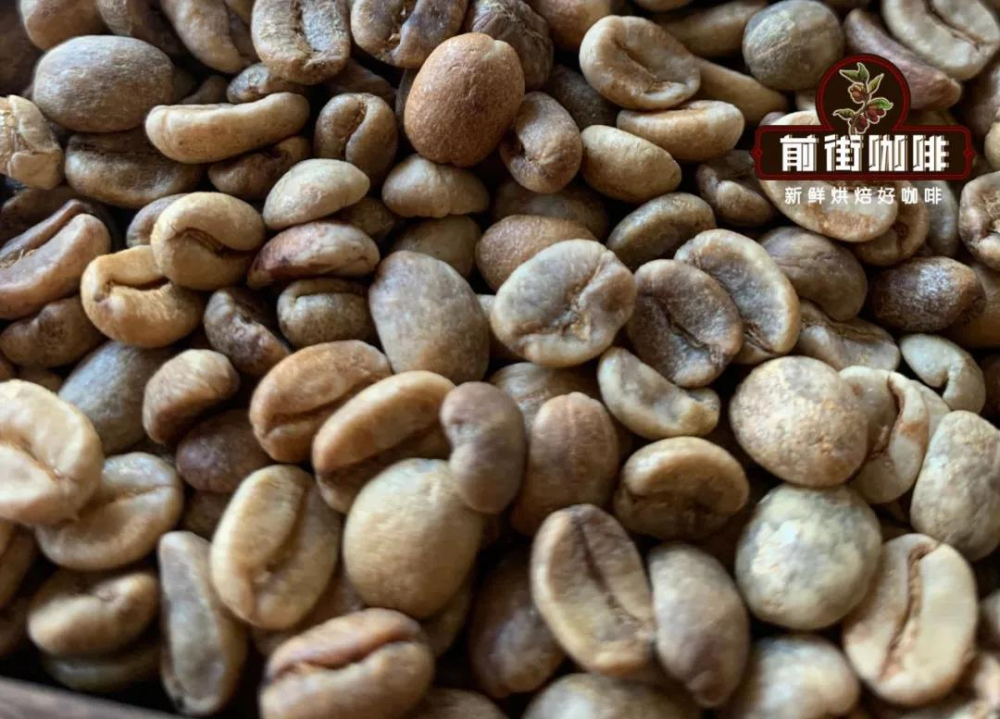
White honey processing is closest to the washed process; the green beans retain 40% to 60% of the pectin, and the fermentation time is the shortest. It is usually dried in the open air and needs frequent turning to maintain the upper limit of enzyme and bacterial activity. Shortly after drying, the mucilage is washed off in the washed style, and the beans are then dried for export.
Yellow honey processing also retains about 60% of the pectin, and the fermentation time is slightly longer than white honey, but it is still a fast fermentation; the entire sun-drying process takes about 7 to 8 days.
Red honey processing sits exactly in the middle ground between washed and natural, and it is also the most common form of honey processing. Red honey requires a drying period of two to three weeks, and weather changes will slow down or speed up fermentation accordingly. As the degree of honey processing deepens, it becomes increasingly critical for farmers or mill operators to turn the coffee beans skillfully and frequently. Once the fermentation reaction becomes unstable, the coffee is prone to turning sour, developing mold, or producing negative flavors.
Black honey processing is the most fermented type of honey processing, and in flavor it is closest to fully natural coffee. Because the black honey process has a very long fermentation time—at least two weeks, depending on the weather—its cost is usually the highest. The reason is that during fermentation it requires constant attention and careful care, using additional fermentation to give the finished product richer fruit flavors. Coffees processed as black honey tend to have wilder flavors, intense sweetness, high body, and sometimes a texture reminiscent of red wine.
Front Street Blackberry is a black honey processed coffee bean produced in Costa Rica. Because it naturally has floral and fruity aromas, it is roasted to a medium-light level; when brewed, it offers flavors of orange blossom, berries, dried blueberries, and liqueur chocolate. Made as cold brew, it is refreshing with bright acidity and sweetness; as pour-over, its sweetness bursts forth; as espresso, it is rich and aromatic.
Honey processing first removes the outer layer of the coffee and then carries out fermentation and drying, whereas raisin honey processing is an innovative honey processing method that breaks away from traditional honey processing. In raisin honey processing, before the skin and pulp are removed, the coffee cherries are dried on raised beds for at least three days, allowing the fruit to dehydrate and shrivel into a "raisin" state; only then are the skin and pulp removed, and the remaining honey processing steps continue.
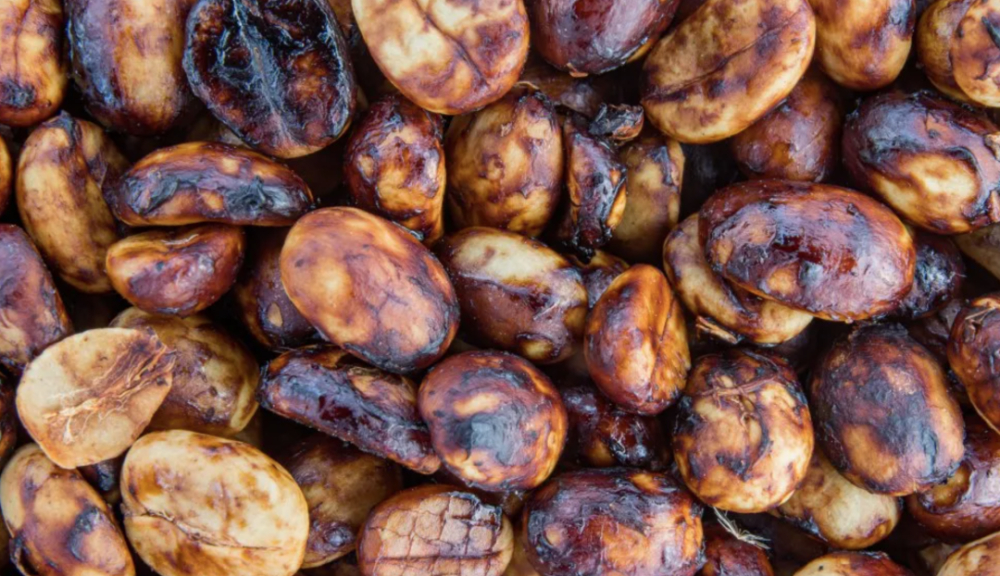
The raisin honey processing method is characterized by "retaining 100% pectin" and "zero water processing," which also increases the difficulty of the raisin honey processing method. According to Front Street's understanding and analysis, this requires strict control of timing and is even more difficult than black honey processing. The initial drying stage of the green beans allows the aromatic flavors of the pulp to penetrate into the green beans as the temperature rises under the sun, so coffee using raisin honey processing not only has rich floral and fruity sweetness, but also a clear sweet-and-sour flavor profile.
Front Street Mozart and Front Street Strawberry Candy · Geisha Blend use precisely this unique raisin honey processing method. After medium-light roasting, Front Street Mozart carries rich aromas of osmanthus, pineapple, raisin, and sweet orange; Front Street Strawberry Candy · Geisha Blend shows flavors of rose, grape, blueberry, and almond when brewed.
The above content is compiled by CoffeeHunters, a coffee news website.


