







Search Results for: Geisha Brewing Parameters
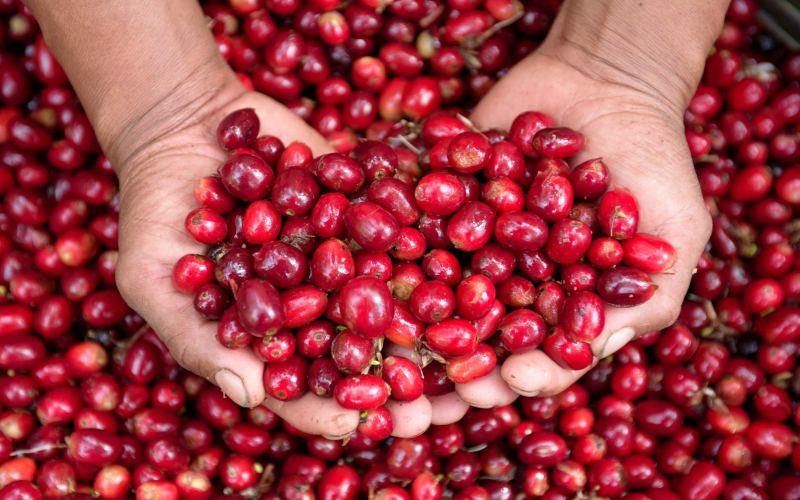
Geisha Pour-Over Coffee Brewing Parameters and Flavor Characteristics: Coffee-to-Water Ratio, Water Temperature, and Flavor Comparison of Geisha from Different Origins
Geisha coffee is hailed as one of the best coffee beans in the world, renowned for its extraordinary flavor and aroma. From Hacienda La Esmeralda in Panama to Gesha Village in Ethiopia, Geisha from different origins each has its own distinctive characteristics in bean shape, flavor, and brewing performance. This article will guide you through the origins and rise to fame of Geisha coffee, compare the flavor differences between Panamanian and Ethiopian Geisha, explain the true meaning of grading labels such as Red Label, Green Label, and Gold Label, and share Front Street's brewing parameters and techniques for Geisha coffee, helping you maximize the delicate floral notes and layered complexity of this precious coffee. [more…]
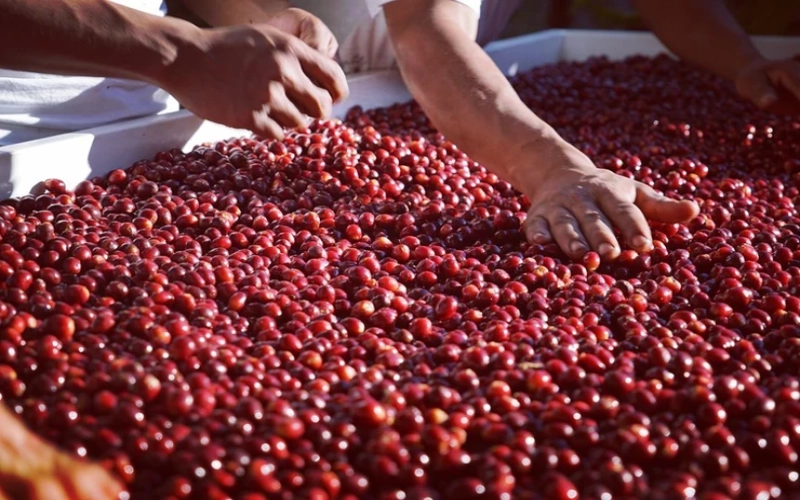
Panama Elida Green Tip Geisha Price and Pour-Over Parameters Explained: Flavor Characteristics and Brewing Recommendations
Geisha coffee rose to fame after Hacienda La Esmeralda in Panama won the BOP competition in 2004, and its price has been climbing ever since. This article will start with the historical origins of Geisha, focusing on the Green Tip Geisha from Elida Estate in Panama—a legendary bean that set a record of 94.66 points at the 2018 BOP. Front Street Coffee will share the flavor profile of this bean, the characteristics of the Anaerobic Slow Dry (ASD) processing method, and why the powder-to-water ratio should be adjusted to 1:16 when brewing. In addition, it will explain the price difference between Elida Geisha in-store and regular pour-over, and provide complete pour-over parameters for reference. [more…]
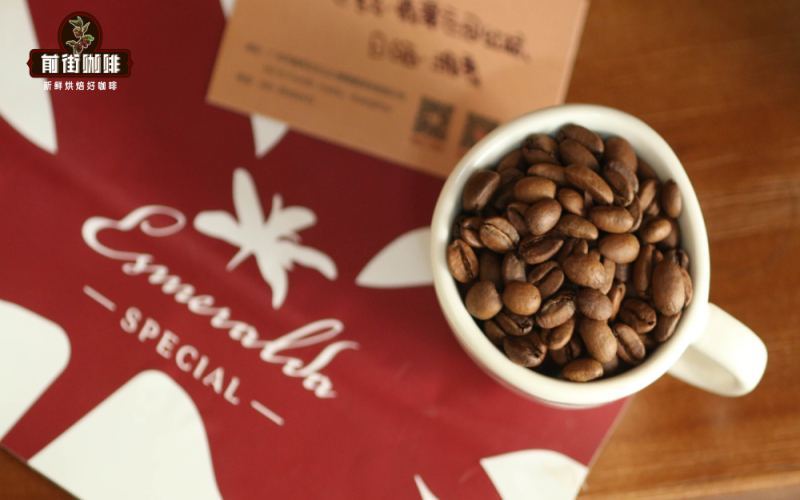
Geisha Coffee Pour-Over Guide: Grind Size, Water Temperature, and Coffee-to-Water Ratio Parameters Explained with Brewing Tips
Geisha coffee has become the darling of the specialty coffee world thanks to its delicate floral aroma and elegant fruit acidity, but if you want to brew a delicious cup of Geisha at home, parameters like grind size, water temperature, and coffee-to-water ratio all need careful attention. From the perspective of Front Street Coffee, this article first helps you understand why the Geisha variety is priced so high and what unique advantages the Panama region offers, then breaks down in detail the complete parameters for pour-over Geisha and the three-stage pouring technique, and recommends Front Street Geisha beans suitable for beginners as well as advanced tasting, helping you easily master the brewing essentials of this star bean. [more…]
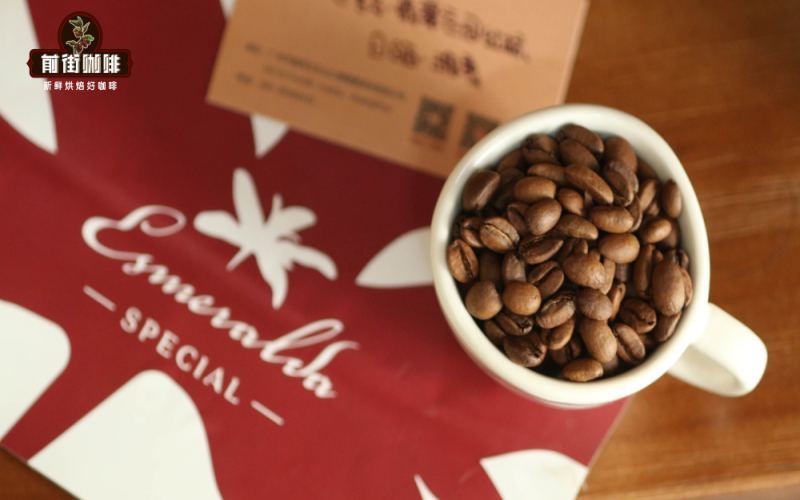
Panama Hacienda La Esmeralda Blue Label Geisha Coffee Bean Flavor, Mouthfeel, and Detailed Brewing Parameters for Multiple Brewers
The fame of Geisha coffee is closely tied to Panama, and Hacienda La Esmeralda's Blue Label Geisha is a favorite among many floral-note enthusiasts. Front Street Coffee's Hacienda La Esmeralda Blue Label Geisha comes from the Barú region at an altitude of about 1,500 meters, using fine washing and light roasting to present rich flavors of jasmine, bergamot, lemon, honey, and green tea. This article will start from the bean's background, using four methods—the Kalita three-hole trapezoid dripper, V60, cake filter cup, and cold brew—to provide specific coffee-to-water ratios, grind sizes, and extraction times, and compare the flavor and mouthfeel differences of Blue Label Geisha under different brewing methods, making it easy for coffee enthusiasts to choose according to their needs. [more…]
Costa Rica Little Candle Estate Geisha Coffee Flavor Analysis and V60 Brewing Parameters Guide
Geisha coffee is not unique to Panama; neighboring Costa Rica also produces stunning Geisha. This article focuses on Costa Rica's Little Candle Estate Geisha coffee beans, outlining its regional background, variety composition, and raisin honey processing method, and compares the flavor differences with Panama Geisha. Front Street Coffee has also added Mirazu Estate Geisha blend, which combines the cleanliness of washed processing with the sweetness of honey processing. The article also provides complete brewing parameters and techniques for the V60 dripper, helping you recreate jasmine floral notes, strawberry gummy, and raisin sweetness at home. Whether you are a Geisha enthusiast or an advanced pour-over player, you can gain practical flavor knowledge and brewing references from it. [more…]
Why Is Panama Geisha Coffee So Expensive? A Comprehensive Analysis of Flavor Characteristics and Brewing Parameters
Geisha coffee is an extremely talked-about variety in the specialty coffee world, with the Geisha produced by Panama's Hacienda La Esmeralda being the most classic of all. From being recorded in Ethiopia in 1931 to Hacienda La Esmeralda in Panama making its name overnight at the BOP competition, Geisha has traveled a long road of turnaround. This article sorts out the variety's spread and its rise to fame, compares the flavor differences between Panamanian Geisha and Ethiopian Geisha, and introduces Hacienda La Esmeralda's Red Label and Green Label grading system as well as brewing suggestions and specific parameters for Green Label Geisha, helping coffee lovers understand why a single cup is so hard to come by. [more…]
Front Street Ethiopia Guji Grana Geisha Coffee Brewing Parameters and Complete Guide to Espresso Milk Coffee
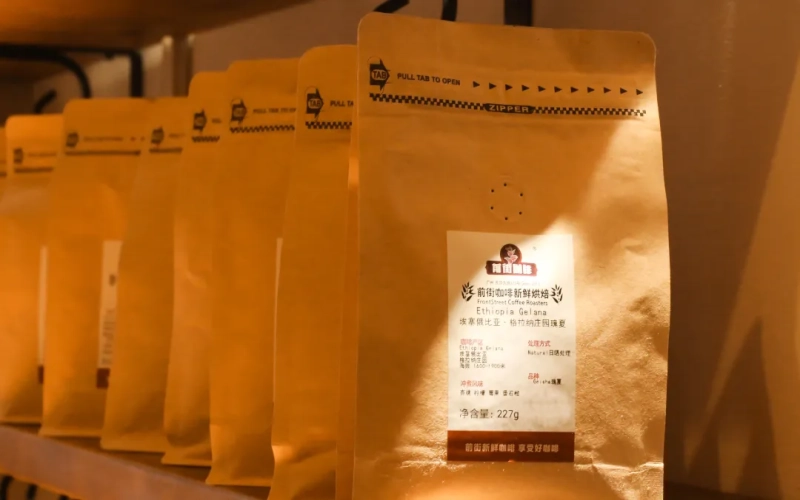
The sun-dried Geisha from Ethiopia's Grana estate, after Front Street Coffee's medium-light roast, presents fruit notes of apricot, berries, and guava, with a crisp green tea finish. The high-altitude growing environment and lighter roast give this bean higher density, meaning a high-extraction-efficiency approach is needed when brewing. This article will fully share Front Street Coffee's Grana Geisha pour-over parameters and operating steps, and further explore the extraction approach and specific ratios when using it to make espresso-based drinks such as Americano, Latte, and Dirty. Whether you prefer black coffee or milk coffee, you can find a reference brewing framework and adjustment direction from it. [more…]
A cup of Hacienda La Esmeralda Green Tip Geisha pour-over is 60 yuan; Front Street Coffee shares the brewing parameters for ASD-processed Geisha.
Geisha coffee's value has soared since Hacienda La Esmeralda in Panama won the BOP competition in 2004, and Elida Estate's Green Tip Geisha set a new BOP record in 2018 with 94.66 points, sweeping both the natural and washed categories. This Green Tip Geisha, grown at 1,900 meters and processed using anaerobic slow-dry natural methods, what does it actually taste like? Front Street Coffee has brought it into its everyday pour-over menu at 60 yuan a cup. This article begins with the history of Geisha's rise to fame, sorts out the difference between Green Tip and Bronze Tip, explains what makes the ASD processing method unique, and includes Front Street's complete tested pour-over parameters to help you brew a cup of Elida Geisha with clearly layered floral and fruity notes. [more…]
The Complete Guide to Panamanian Geisha Pour-Over: Flavor Analysis and Brewing Parameters of Hacienda La Esmeralda Red Label
Geisha coffee is hailed as the shining pearl of the specialty coffee world, and the Red Label Geisha from Hacienda La Esmeralda in Panama is the finest among them. From the perspective of Front Street Coffee, this article takes you through Geisha's legendary journey from Ethiopia to fame in Panama, offers an in-depth analysis of Hacienda La Esmeralda's unique terroir, and shares in detail the pour-over parameters, brewing techniques, and flavor profile of Red Label Geisha. In addition, it includes a recipe for Geisha Americano and practical tips for grinding and storing coffee beans, helping you fully unlock the captivating layers of this precious bean at home. [more…]
A Detailed Guide to Panamanian Coffee Bean Varieties, Flavors, and Processing Methods: From Hacienda La Esmeralda Geisha Grading to Red and Green Label Brewing Parameters
Panama is a representative producer of specialty coffee in Central America. Thanks to its unique terroir and refined estate management, it has given rise to the world-famous Geisha coffee. This article systematically reviews the altitudes and characteristics of Panama's four major coffee-producing regions, with a focus on the history of Hacienda La Esmeralda, its plot divisions, and the Geisha grading system, and provides a detailed explanation of the definitions, flavor profiles, and processing differences of Red Label and Green Label Geisha. It also includes Front Street Coffee's brewing recommendations and three-stage extraction parameters for Hacienda La Esmeralda Geisha, helping coffee enthusiasts fully understand the complete journey of Panamanian Geisha from origin to cup. [more…]
Panama Geisha Pour-Over Techniques and Flavor Analysis, with Front Street Coffee Geisha Bean Brewing Parameters
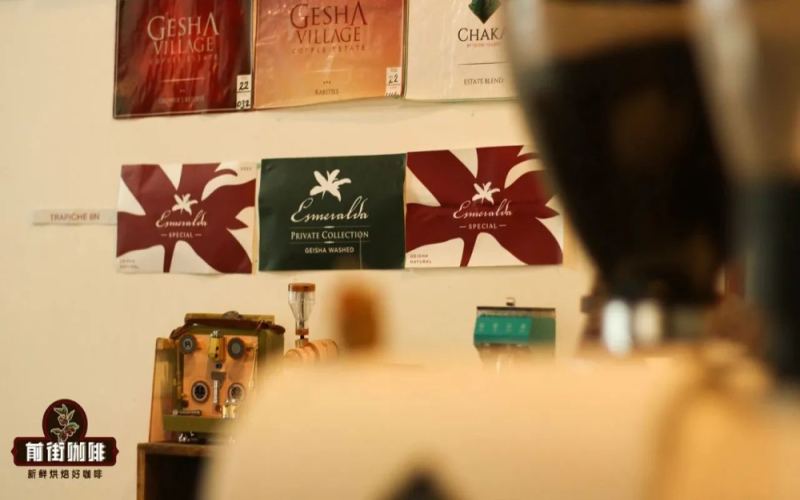
Geisha coffee is known as the "expensive one," and its high price stems not only from its outstanding flavor but also from its scarce yield and the difficulty of harvesting. It is famous for its delicate floral aroma and citrus notes, with Panama's Hacienda La Esmeralda and Ethiopia's Gesha Village being the two major representatives. When faced with such precious beans, improper brewing inevitably leads to waste. Front Street Coffee has customized brewing plans for different Geishas: from Panama Boquete washed Geisha and Gesha Village Red Label Natural, to entry-level Geisha blends, covering a variety of price points and extraction methods. This article will break down in detail the brewing parameters and flavor performance of each bean, helping you brew rich floral and fruity aromas with honey sweetness at home. [more…]
Panama Hacienda La Esmeralda Geisha Pour-Over Parameters Explained | Brewing Guide for Geisha from Different Regions
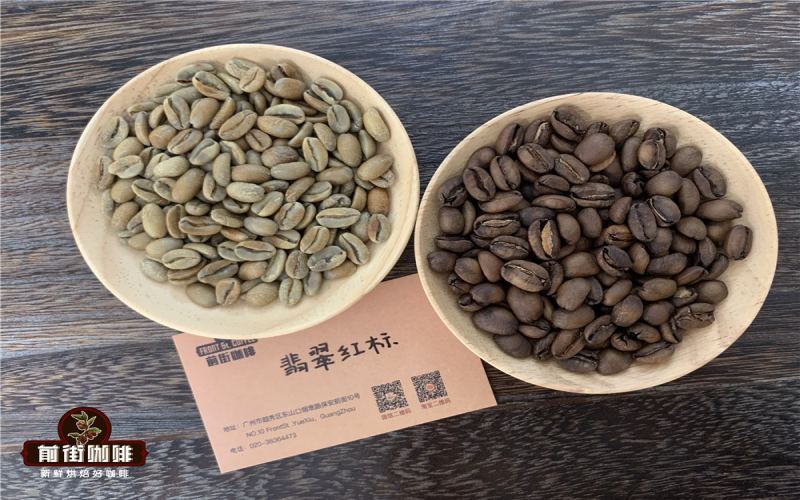
Geisha coffee rose to fame at Hacienda La Esmeralda in Panama and became popular worldwide for its delicate floral aroma and elegant fruity acidity. This article covers the origin of the Geisha variety, Hacienda La Esmeralda's red, green, and blue label grading system, and the flavor differences of Geisha from producing regions such as Costa Rica, Ethiopia, and Colombia. It focuses on answering questions about pour-over parameters for Panama Esmeralda Special Geisha, including water temperature, coffee-to-water ratio, grind size, and staged extraction techniques, and includes Front Street Coffee's brewing recommendations and flavor descriptions. It is a useful reference for coffee enthusiasts who want to gain a deeper understanding of brewing Geisha. [more…]
The Complete Guide to Panama Blue Label Geisha Pour-Over: Comparison of Different Drippers, Cold Brew Parameters, and Flavor Performance
The Geisha from Panama's Hacienda La Esmeralda has long been regarded as the representative of floral-type coffee, and the Blue Label, as one of its grades with outstanding value for money, is suitable for everyday pour-over exploration. This article focuses on Front Street Coffee's Panama Blue Label Geisha, first introducing its origin, grade, and processing method, then providing specific water temperatures, grind sizes, coffee-to-water ratios, pouring rhythms, and extraction times for four methods—the Kalita three-hole trapezoid dripper, V60, cake filter, and cold brew—along with a description of each one's flavor direction. Whether you pursue complexity, balanced richness, or a crisp and refreshing taste, you can find a corresponding brewing plan here, and at the end of the article there is also a comparative summary of different devices and selection advice. [more…]
Panama Geisha Pour-Over Water Temperature and Brewing Parameters Explained: A Three-Pour Iced Pour-Over Recipe
Geisha coffee, after being discovered in Ethiopia and passing through many countries, took root in Panama and rose to fame in the 2005 cup-testing competition, becoming a legendary variety in the specialty coffee world. This article focuses on the pour-over brewing of Panamanian Geisha, with emphasis on an iced pour-over method suitable for medium-light roasted Geisha, including specific parameters and operational details such as 92°C water temperature, 15 grams of grounds, 75 grams of ice, and a three-stage pouring process. It also reviews the product characteristics of Front Street Emerald Red Label, Green Label, Boquete Geisha, and Front Street Butterfly, helping coffee enthusiasts experience Geisha's full floral and fruity aromas in everyday life. [more…]

Panama Geisha coffee has outstanding flavor but a high price? A full analysis from variety origins to Front Street Coffee brewing parameters.
Geisha coffee is widely recognized as a star variety in specialty coffee, conquering countless coffee lovers with its intense floral aroma and citrus and berry notes. But with prices often reaching hundreds or even thousands of dollars per pound, it also makes people wonder: why is Geisha so expensive? This article begins with Geisha's discovery in Ethiopia, tracing how it made its way through CATIE to Panama, was discovered by the Peterson family of Hacienda La Esmeralda, and won first place in one fell swoop. It then analyzes the terroir advantages of the Boquete production region, Hacienda La Esmeralda's red, green, and blue label grading system, and the specific brewing parameters and flavor performance of Front Street Coffee's Emerald Red Label Natural Geisha, helping readers fully understand this variety's value and charm. [more…]
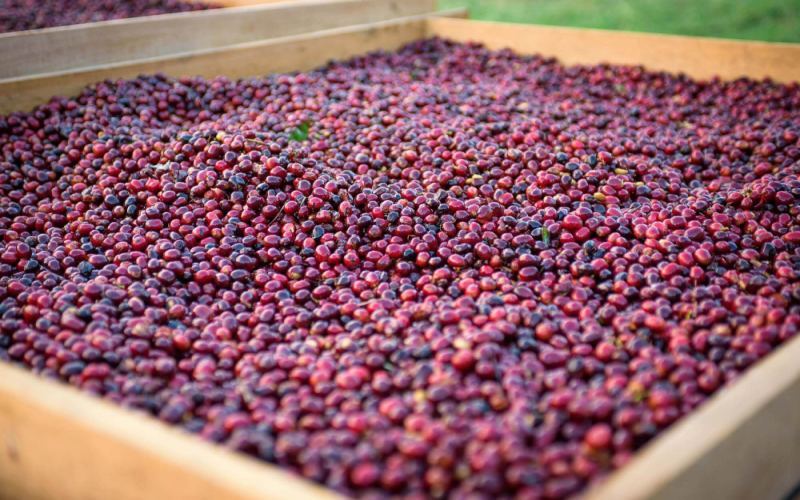
Panama Aurora Estate Geisha Coffee Flavor Analysis and Detailed Pour-Over Parameters Guide
Panama's Aurora Estate Geisha coffee has repeatedly won championships in BOP competitions thanks to its outstanding quality, with the 2013 Washed Ironman Geisha and the 2016 Natural Camilina Geisha being particularly remarkable. Front Street Coffee provides an in-depth analysis of Aurora Estate's growing environment, processing methods, and flavor characteristics, and shares the complete pour-over parameters and brewing suggestions for this Natural Geisha. The article also introduces the background story of estate owner Robert Brenes, and how Aurora Estate stood out amid Panama's Geisha boom. Whether you are a Geisha enthusiast or a pour-over player, you can gain practical coffee knowledge and brewing inspiration from it. [more…]
Costa Rica Geisha Flavor Analysis: Brewing Parameters and Origin Story of the Mirazu Strawberry Candy Blend
Although Geisha coffee is famous for its connection to Panama, its varietal lineage entered Central America through Costa Rica. This article traces the spread of Geisha from Ethiopia to Costa Rica and then to Panama, and focuses on the Costa Rica Mirazu Estate Strawberry Candy Geisha blend introduced by Front Street Coffee. This blend is composed of 50% Geisha and 50% ET47, SL28, and MAICO, undergoes raisin honey processing, and presents jasmine floral aromas, raisin sweetness, and strawberry gummy candy flavors. The article explains in detail the estate's varietal background and processing methods, and includes Front Street's V60 pour-over parameters and brewing technique, providing a complete reference for coffee enthusiasts. [more…]
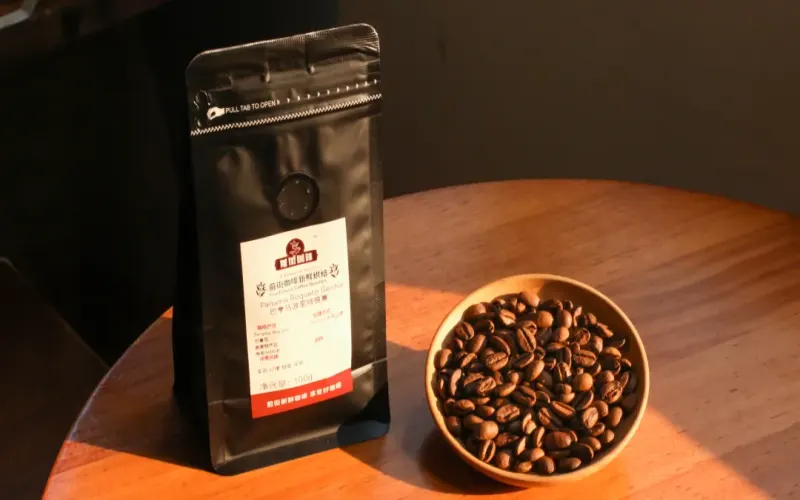
How to brew Geisha coffee for the best taste? A detailed guide to Hacienda La Esmeralda brewing parameters, water temperature, and grind settings
Geisha has outstanding flavors but limited production, so its price is naturally much higher than ordinary beans. As a result, many enthusiasts become hesitant to brew it boldly once they get their hands on it, fearing they will waste such good beans. In fact, as long as you understand Geisha's varietal characteristics and roasting logic, and choose the right water temperature, grind size, and coffee-to-water ratio, you can consistently bring out its signature floral aroma, fruity notes, and tea-like body. This article uses the Boquete Geisha from Front Street Coffee's bean list as an example to share two practical brewing methods: a conventional three-pour method and a variable-temperature three-pour method, focusing respectively on balanced expression and pronounced floral aromatics. The article will also explain the extraction approach for high-density light-roast beans, and why good beans are more forgiving to brew and do not require excessive worry about over-extraction, helping you brew the Geisha in your hands to its ideal flavor. [more…]
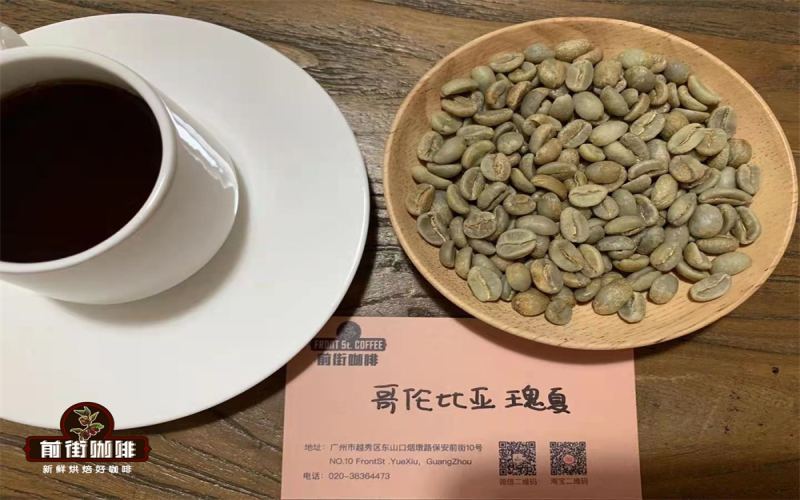
Panama Flying Geisha Estate Sun-Dried Geisha Flavor Analysis: A Complete Guide from Hacienda La Esmeralda Grading to Front Street Coffee Brewing Parameters
Geisha coffee has long been regarded as the pinnacle of specialty coffee, and Geisha produced in Panama is especially renowned for its complex, layered aroma. This article begins with a naturally processed micro-lot Geisha from Lingkong Estate, tracing its varietal origins, processing methods, and estate background, and then extends to the Geisha grading system of Panama's Hacienda La Esmeralda—the differences between Auction, Red Label, and Green Label. At the same time, drawing on Front Street Coffee's brewing experience, it provides extraction parameters and flavor references for light-roasted Geisha, helping coffee lovers understand Geisha's positioning and key tasting points. [more…]
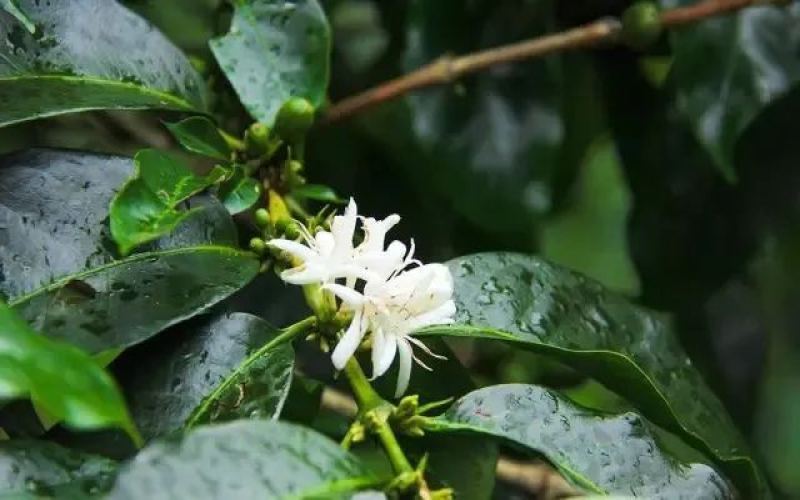
Geisha Specialty Coffee Beans: A Detailed Guide to Variety Origins, Flavor Characteristics, Brewing Parameters, and Processing Methods
From the forests of Ethiopia to the world stage, Geisha has become a top-tier name in specialty coffee with its floral aroma, citrus acidity, and honeyed sweetness. This article traces the discovery and spread of Geisha, explains the source of its sweet and complex flavors, and introduces a brewing recipe for Front Street Coffee's Butterfly Geisha blend. From the tasting notes of Hacienda La Esmeralda's green label to the water temperature, grind size, and staged pouring steps for V60 pour-over, this guide helps you fully understand the charm and practical extraction techniques of this "expensive Geisha." [more…]